Discover insights about this artwork
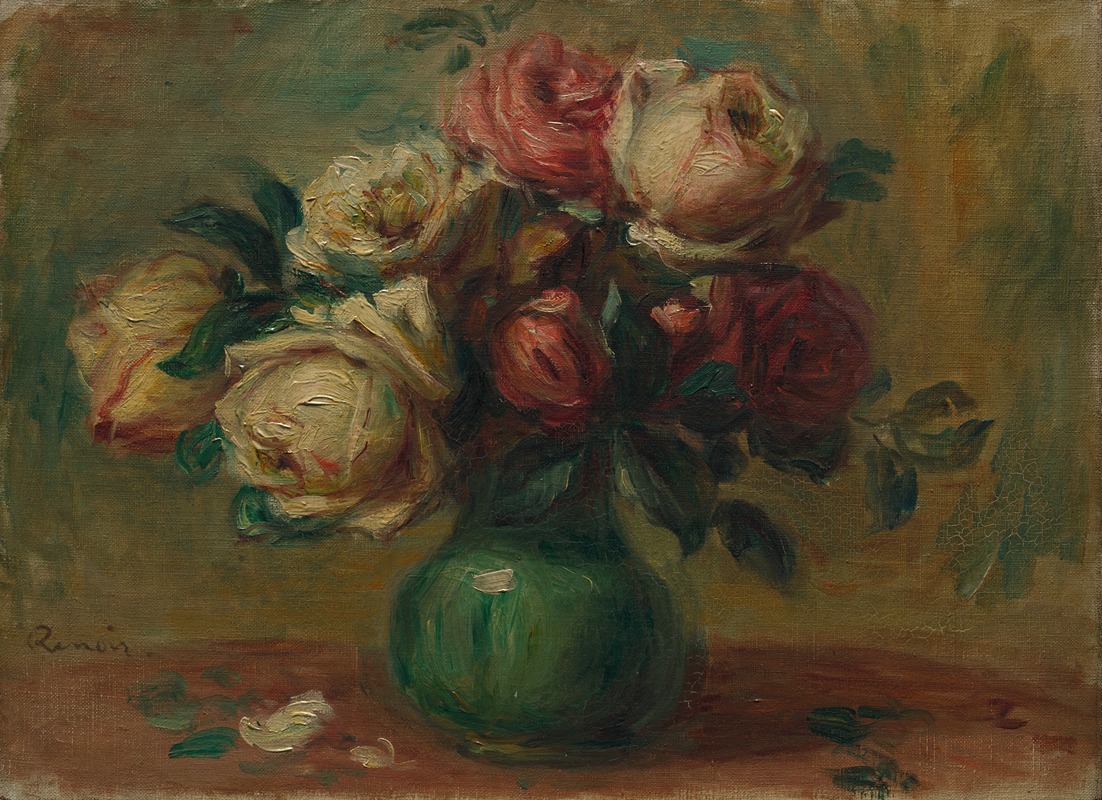
Roses in a Bottle (recto) — History & Facts
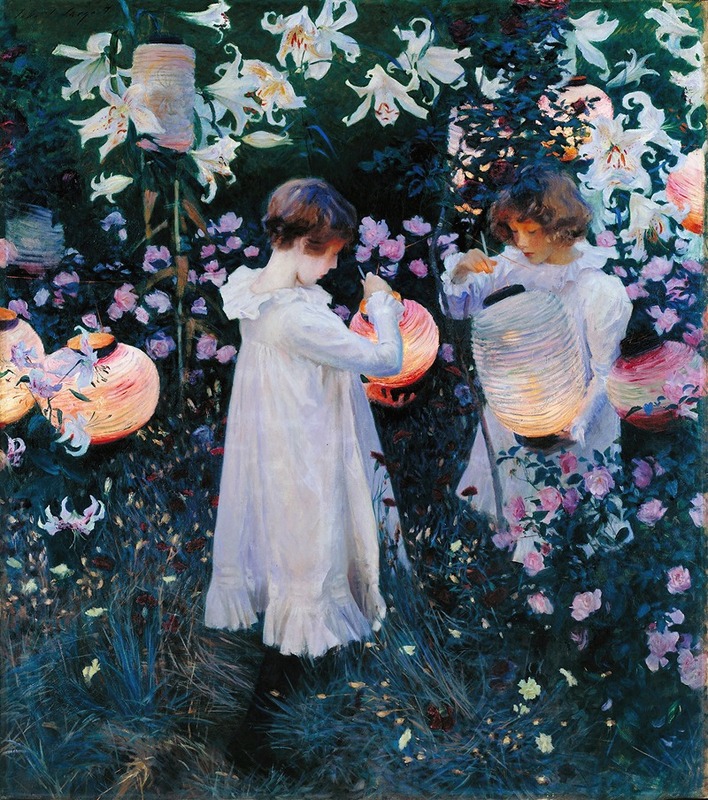
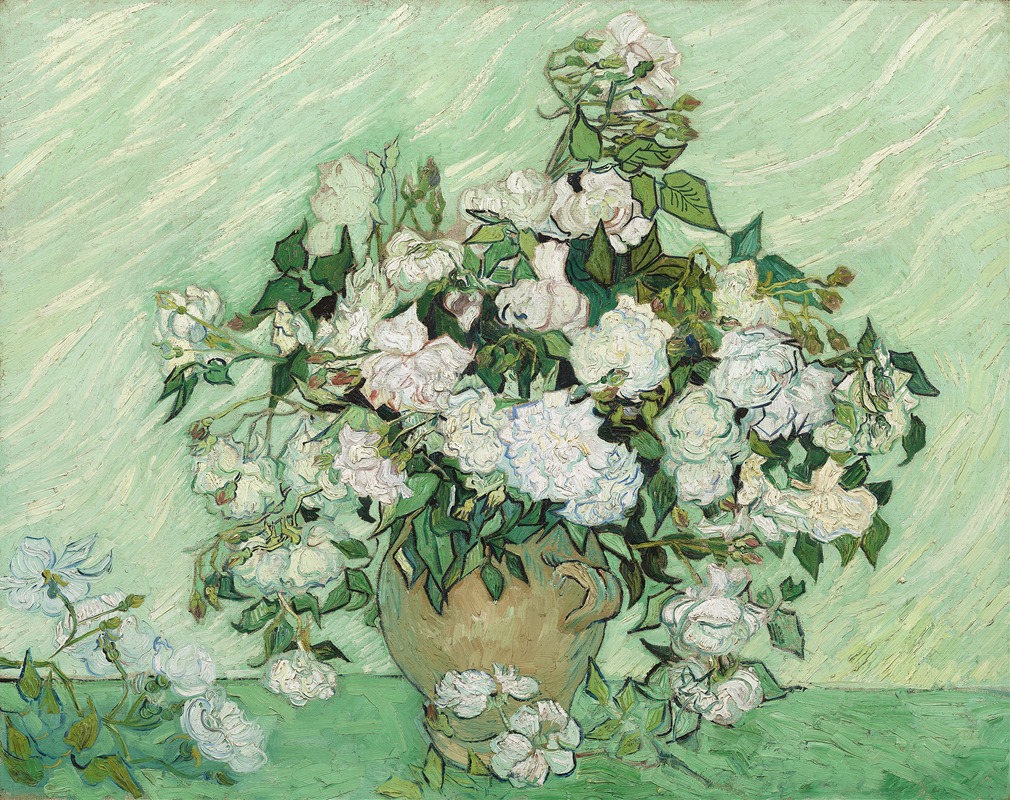
In Roses in a Bottle, Paul Cézanne presents a still life featuring vibrant pink and white roses arranged in a glass bottle. The background is a soft, muted color that contrasts with the bright flowers, creating a striking visual effect. The brushstrokes are visible, adding texture and depth to the composition.
The overall arrangement feels both natural and carefully curated, typical of Cézanne's approach to still life. The painting is characterized by its bold use of color and form, showcasing Cézanne's unique style. The roses are depicted with thick, expressive brushstrokes, emphasizing their volume and shape. The glass bottle reflects light, demonstrating Cézanne's skill in capturing transparency and texture.
The composition is balanced, with the flowers drawing the viewer's eye towards the center. Paul Cézanne was a pivotal figure in the transition from 19th-century Impressionism to 20th-century modernism. This work, created in the 1890s, reflects his interest in the structural aspects of nature. An interesting fact about this painting is that it exemplifies Cézanne's exploration of color theory, as he often used complementary colors to enhance the vibrancy of his subjects.
Roses in a Bottle remains a testament to his innovative approach to still life.
More Artworks by Paul Cézanne
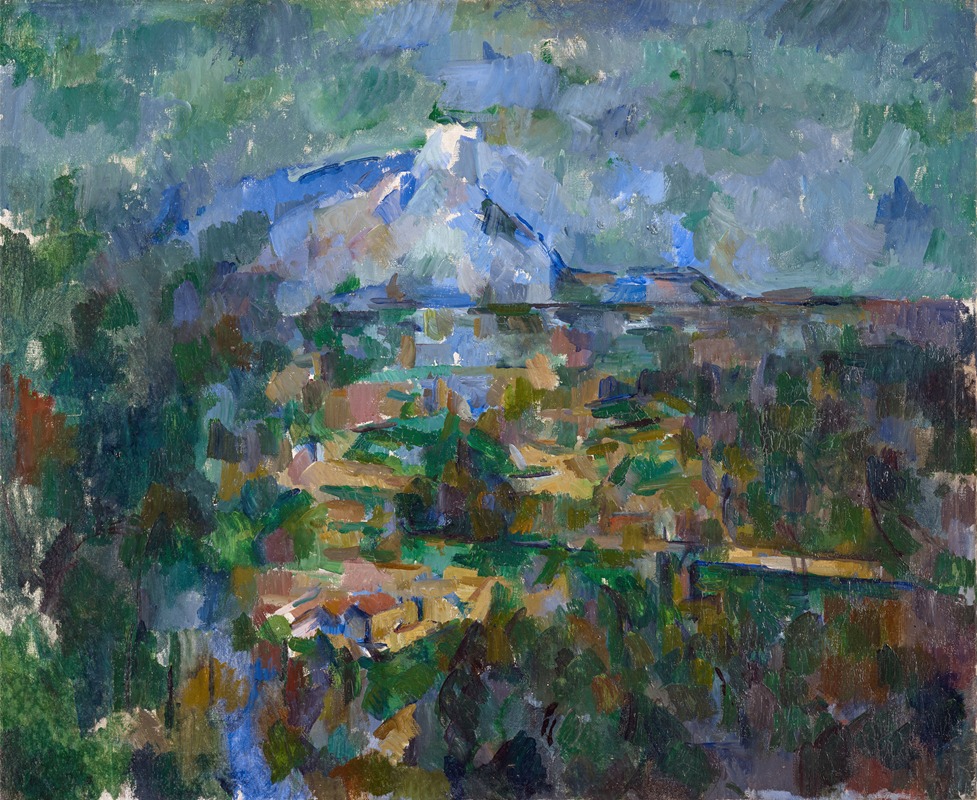
The Mont Sainte-Victoire Seen From Les Lauves
Paul Cézanne
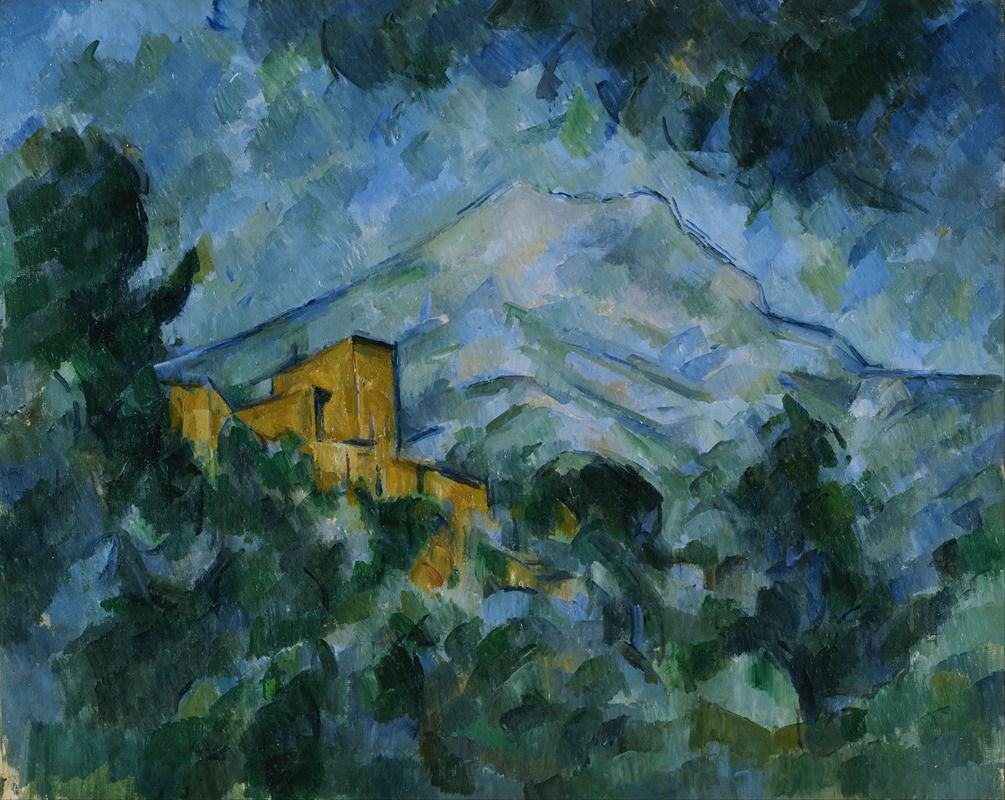
Mont Sainte-Victoire and Château Noir
Paul Cézanne
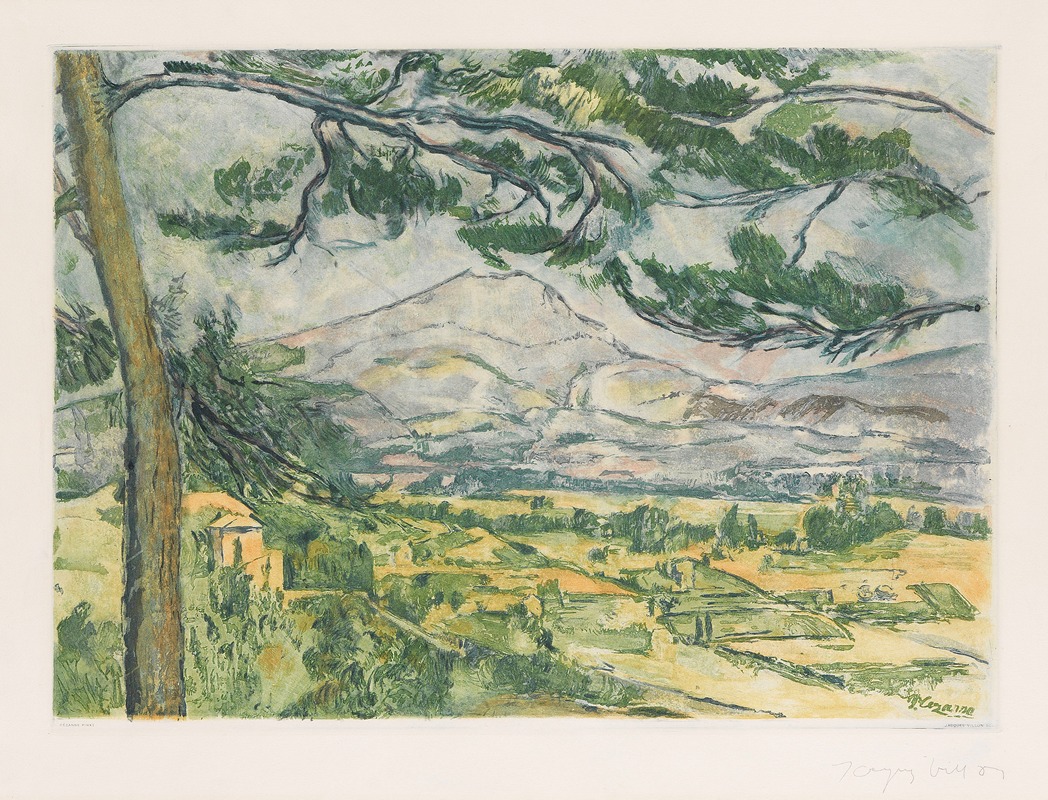
La Montagne Sainte-Victoire
Paul Cézanne
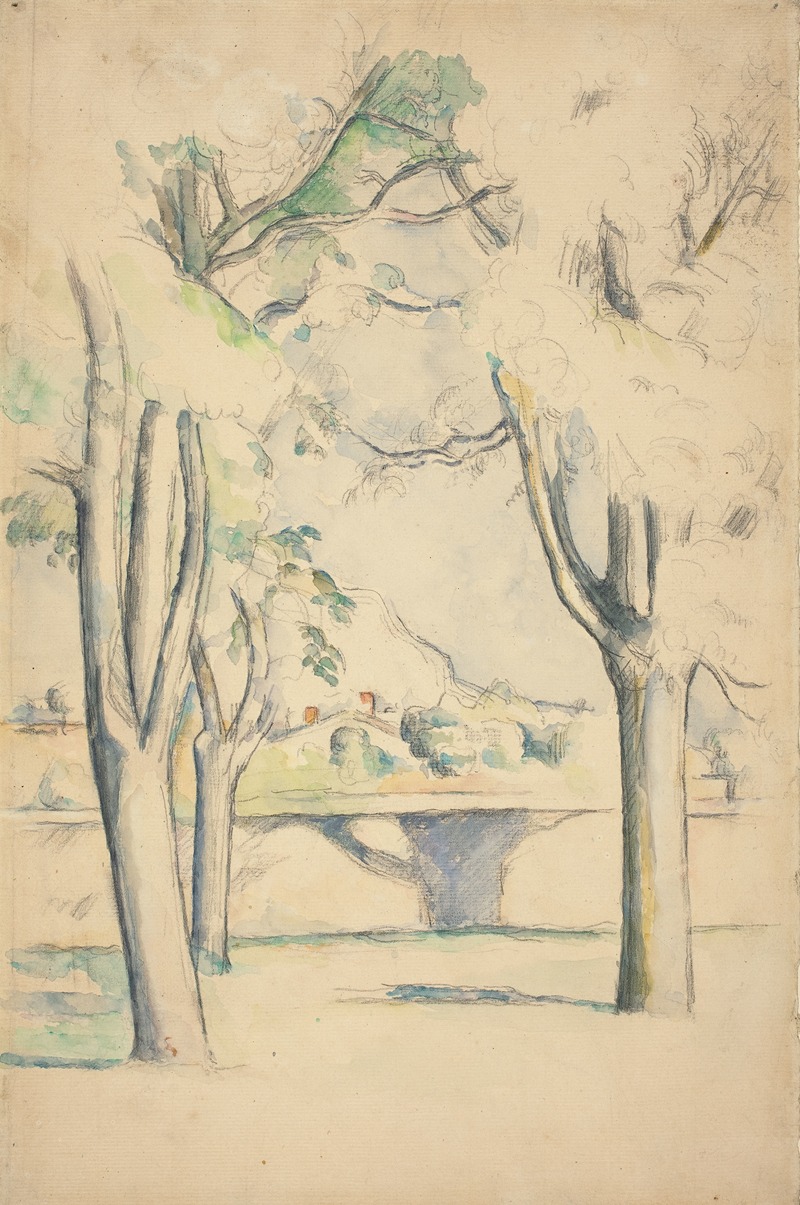
Mont Sainte-Victoire Seen beyond the Wall of the Jas de Bouffan
Paul Cézanne
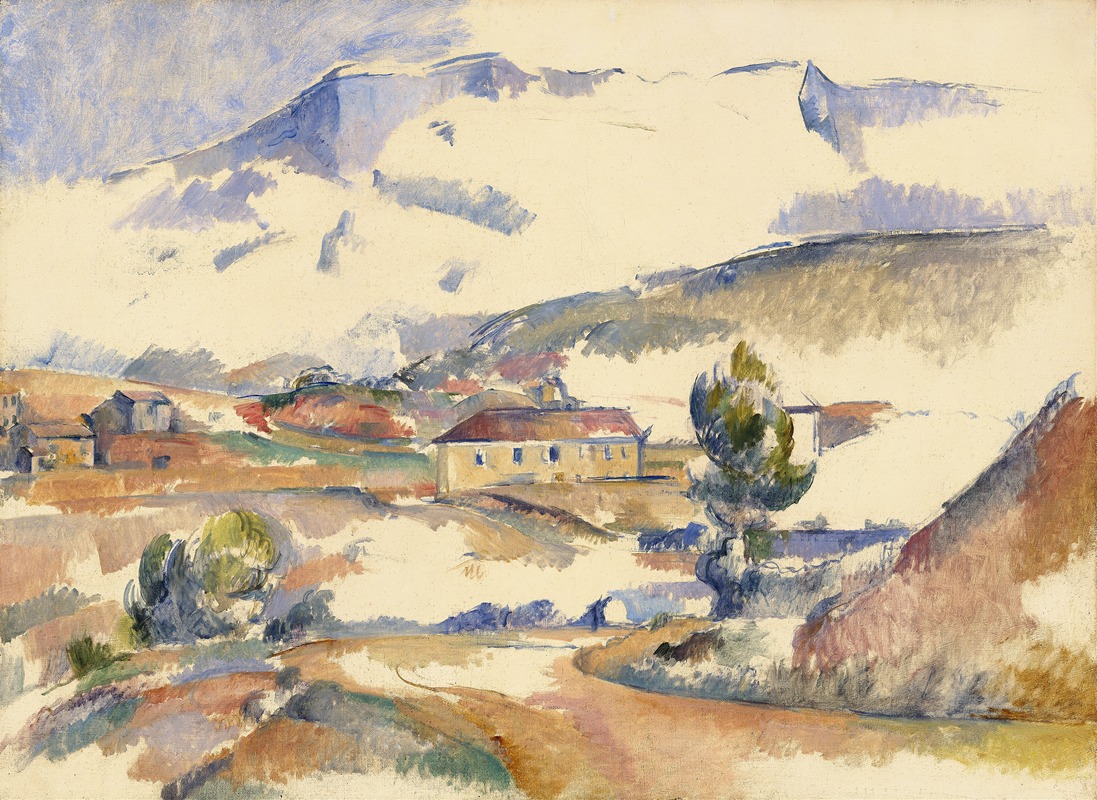
Montagne Sainte-Victoire,from near Gardanne
Paul Cézanne
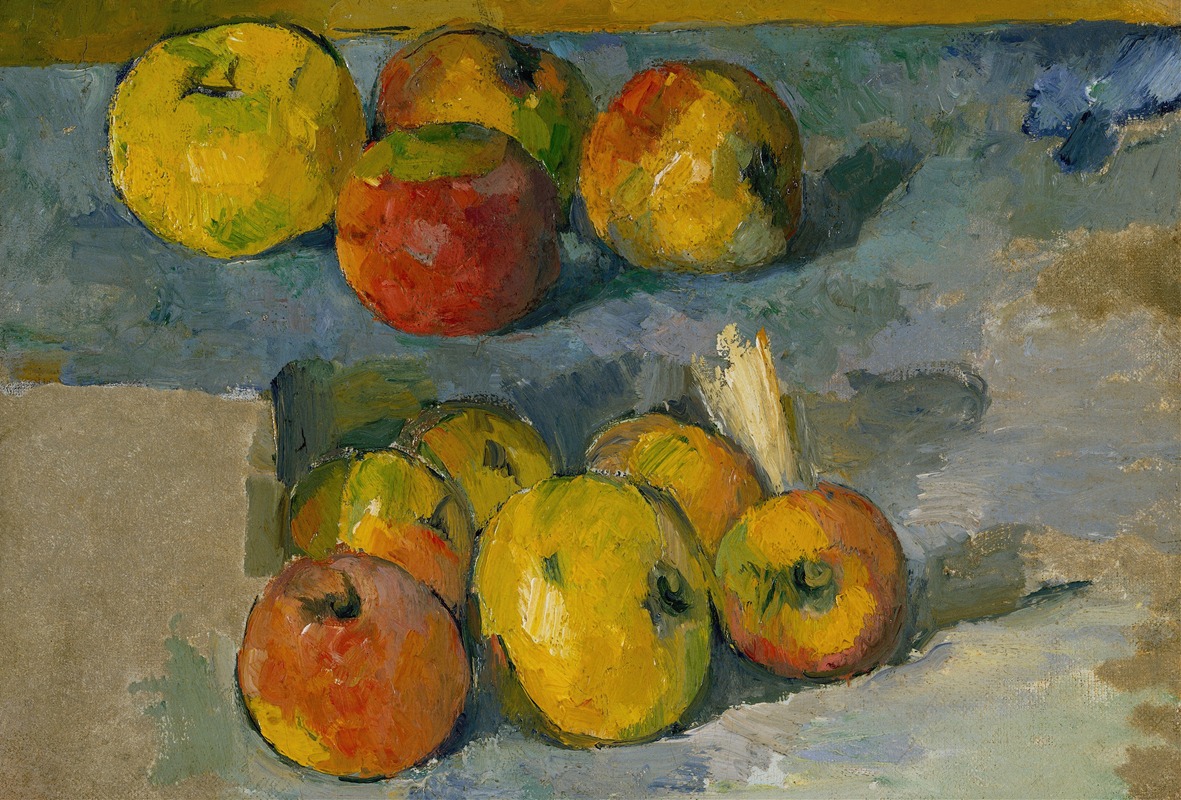
Apples
Paul Cézanne
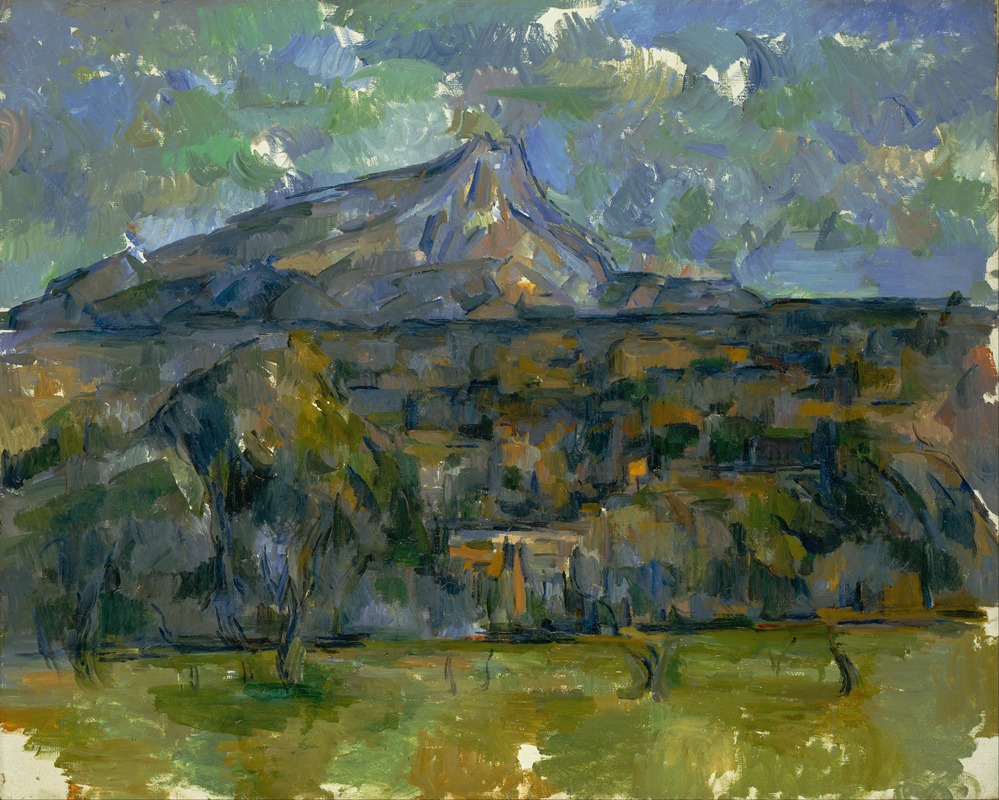
Mont Sainte-Victoire
Paul Cézanne
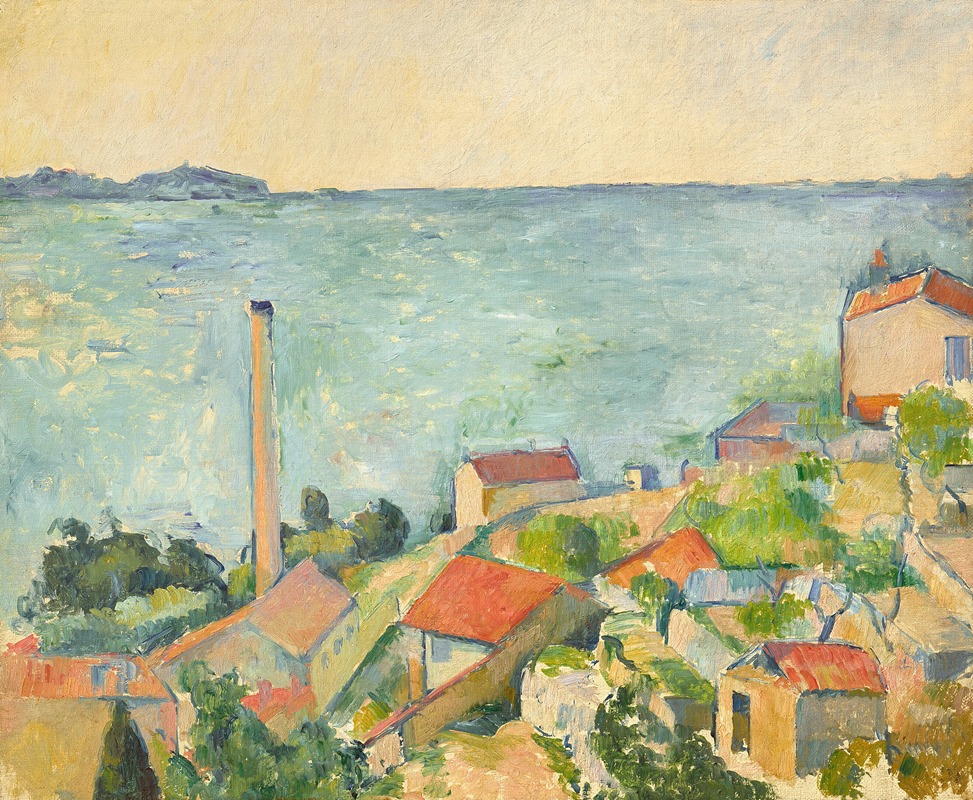
La mer à l’Estaque
Paul Cézanne
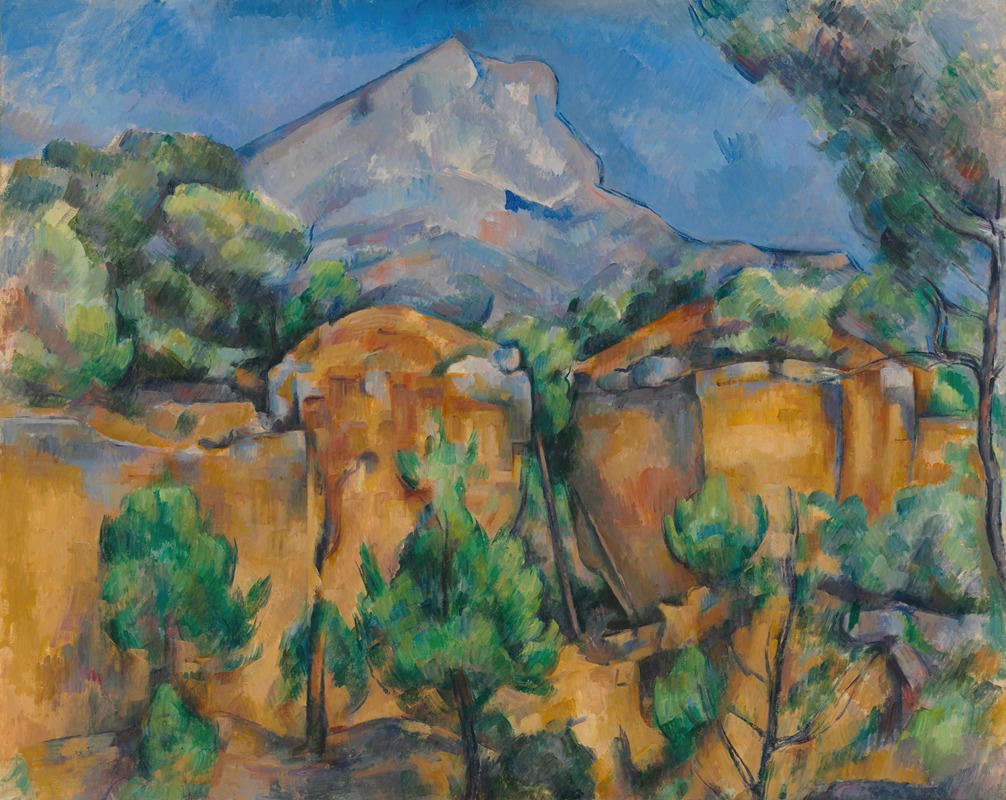
La Montagne Sainte-Victoire vue de la carrière Bibémus
Paul Cézanne
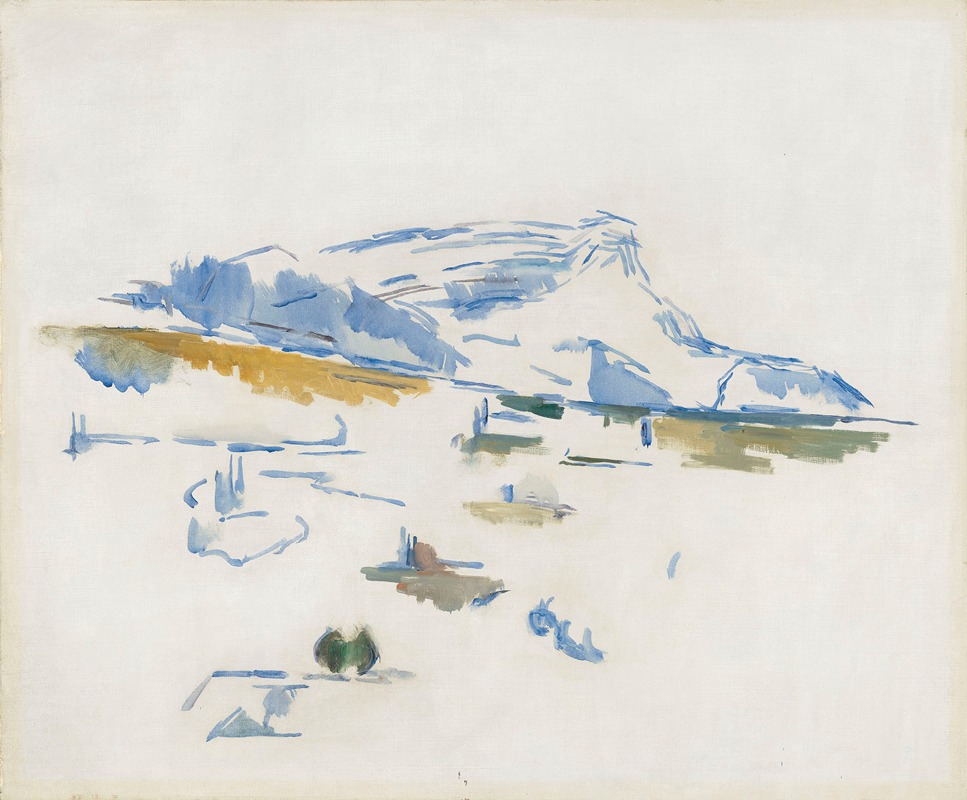
La Montagne Sainte-Victoire vue des Lauves
Paul Cézanne