Rostudel — History & Facts
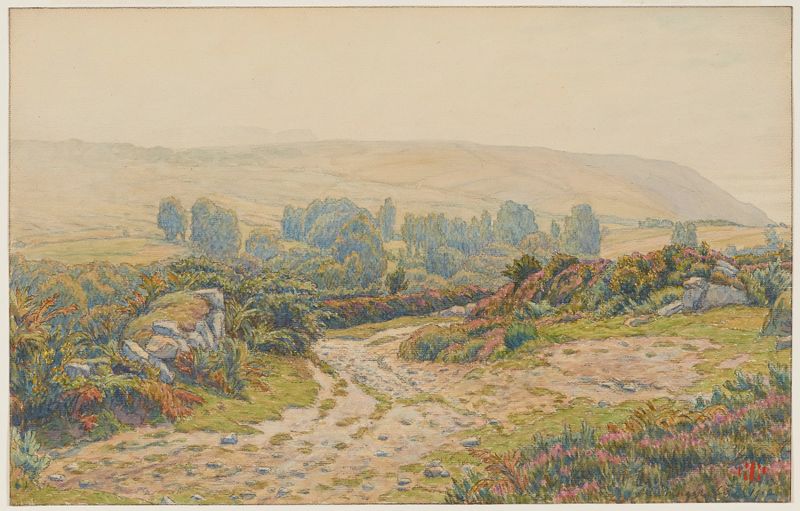
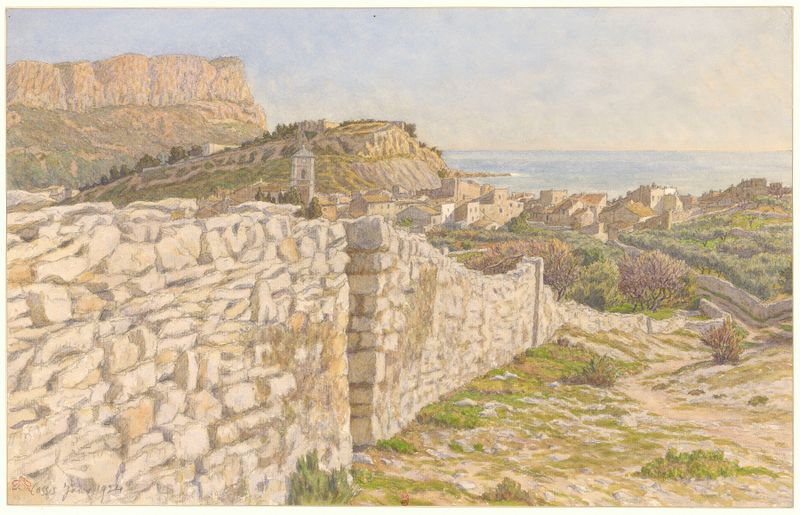
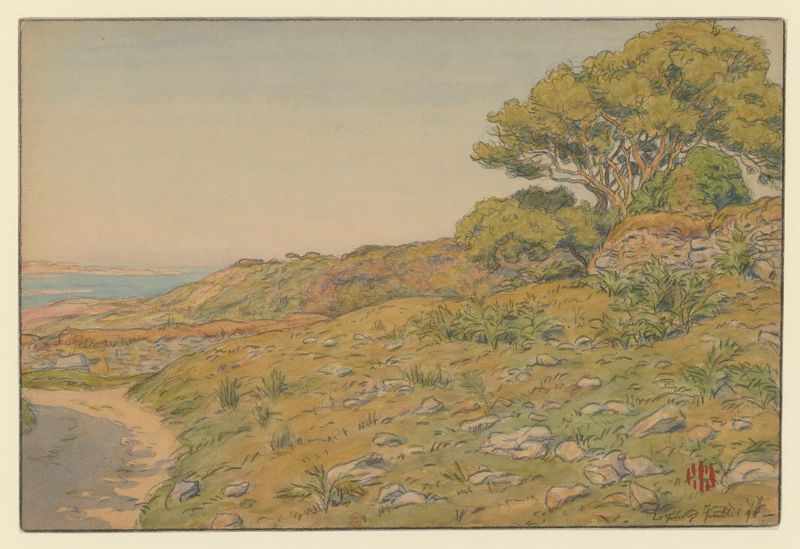
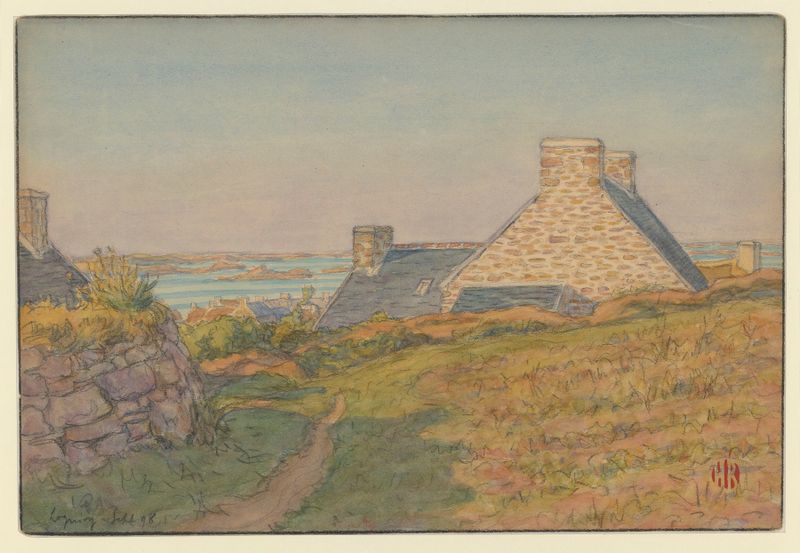
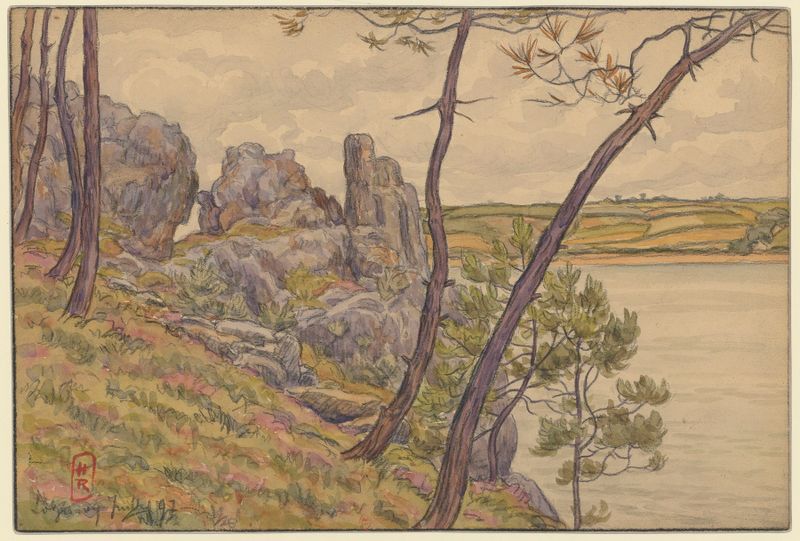
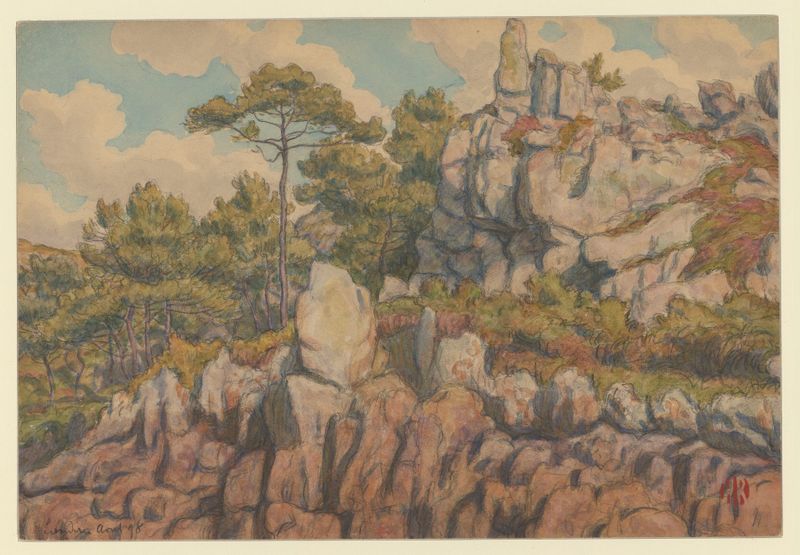
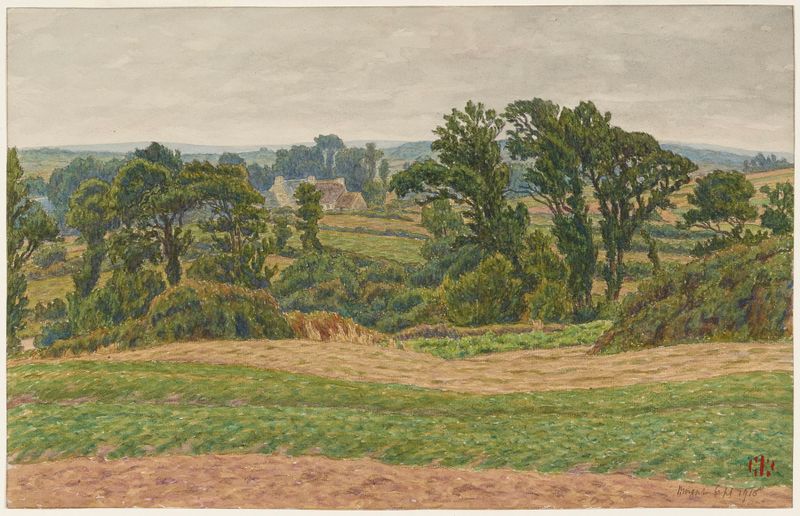
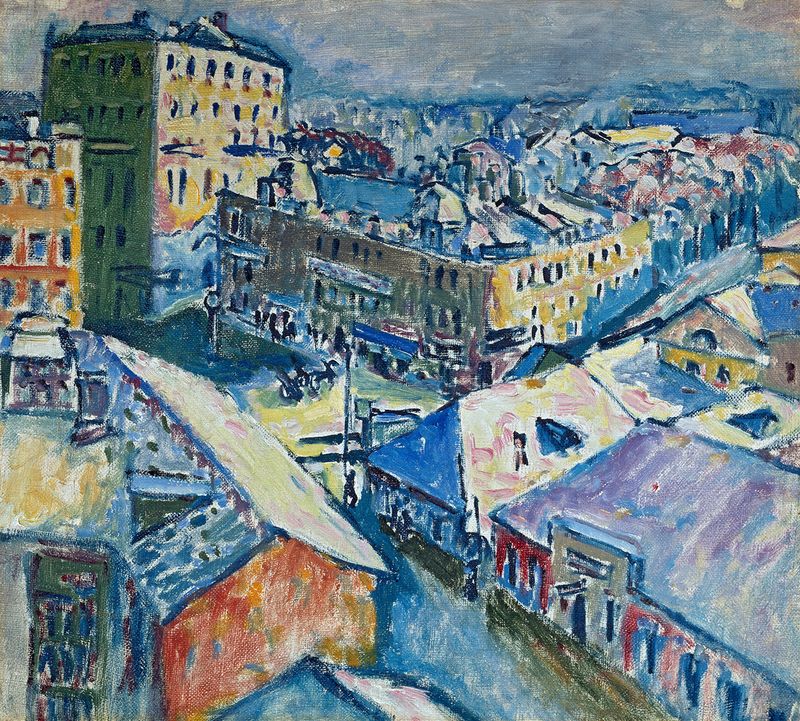
What if beauty was never meant to be finished? In Rostudel, shadows dance along the cusp of creation and decay, whispering secrets of perceived perfection yet to be realized. Look closely at the interplay of light and dark, where the rich, deep hues of indigo and umber invite you to wander through layers of texture. Focus on the shifting shadows on the surface; they evoke a sense of depth, drawing your gaze to the central motif, which appears both solid and ephemeral. Rivière’s application of color is deliberate, creating a dialogue between the darkness that envelops and the flickers of light that reveal, inviting the viewer into a world both serene and unsettling. Beneath this visual harmony lies a tension between completion and incompleteness.
The bold strokes suggest movement, hinting at life just beyond the canvas's edge, while the shadows capture something elusive, a beauty found only in the unfulfilled. This duality mirrors the artist's own explorations of nature and the transient moments that shape our experiences, urging us to reflect on the moments we often overlook. In 1910, Henri Rivière was deeply immersed in the avant-garde movements of Paris, where he found himself blending Impressionism with Symbolism. At this time, artistic conversations were rich with explorations of abstraction and emotional resonance, pushing the boundaries of traditional representation.
Rostudel stands as a testament to this period, a work that encapsulates the essence of an artist who sought to convey the profound mystery of existence through the interplay of light and shadow.