
Rothenburg — History & Facts
What if silence could speak through light? In Rothenburg, the very essence of stillness is captured, inviting contemplation and wonder in every brushstroke. Look to the center of the canvas where the village emerges, bathed in a gentle glow. Notice how the warm hues of ochre and rose dance under the soft light, lending the architecture an almost dreamlike quality. Each building, meticulously detailed, seems to whisper secrets of the past, while the tranquility of the scene draws your gaze outward to the expansive sky, brushed in delicate shades of blue and lavender. As you explore deeper, consider the contrast between the bustling cobblestone streets and the quiet facades of the homes.
This duality evokes a sense of harmony and nostalgia, as though time itself has paused, allowing the viewer to lose themselves in the illusion of a moment suspended. Hidden shadows in the alleys speak of untold stories, while the interplay of light and silhouette invites reflections on the nature of memory and place. Willem Adrianus Grondhout painted Rothenburg between 1888 and 1934, a transformative period in art characterized by the rise of modernism and a departure from traditional forms. Living in the Netherlands, he was influenced by the Impressionist movement, seeking to convey the beauty of everyday life with an evocative use of light.
At this time, Europe was experiencing significant social and political changes that shaped the artistic landscape, making his work a poignant reflection of both the tranquility and complexities present in his world.
More Artworks by Willem Adrianus Grondhout
Browse all →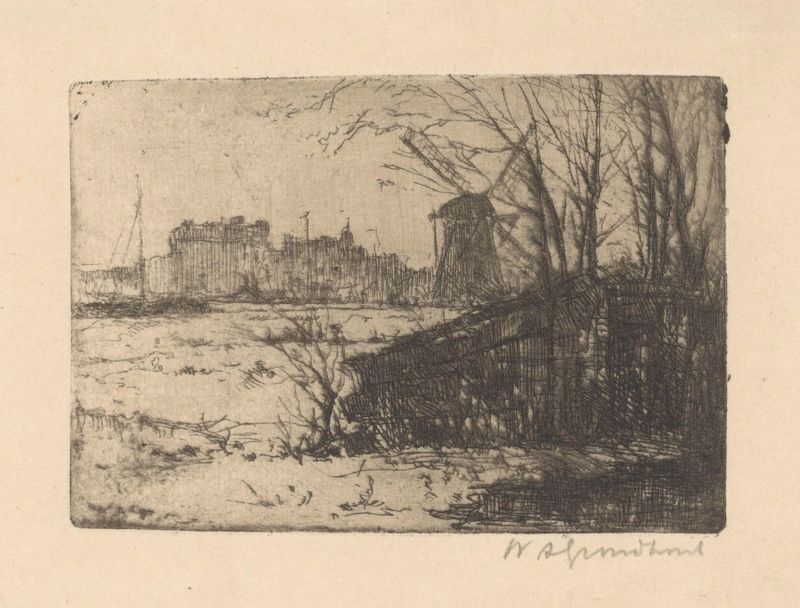
Landschap met molen in de Binckhorst in Den Haag
Willem Adrianus Grondhout
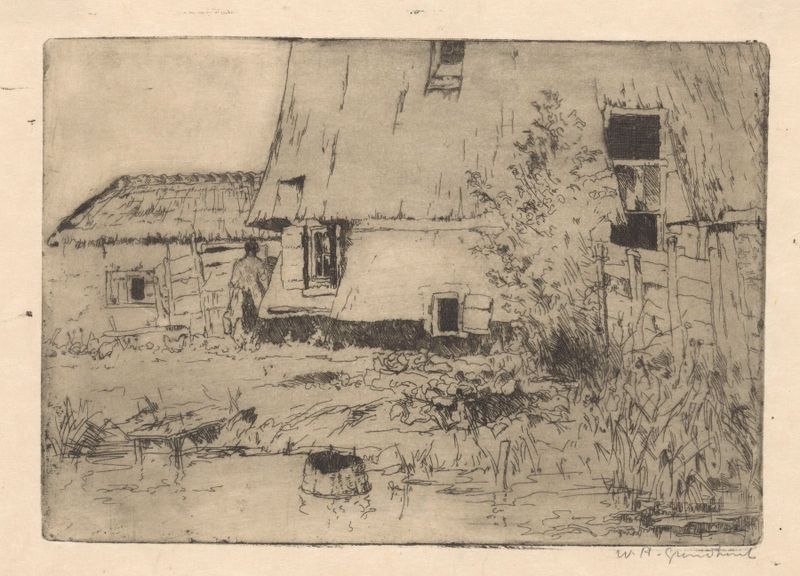
Voet van een molen in Voorburg
Willem Adrianus Grondhout
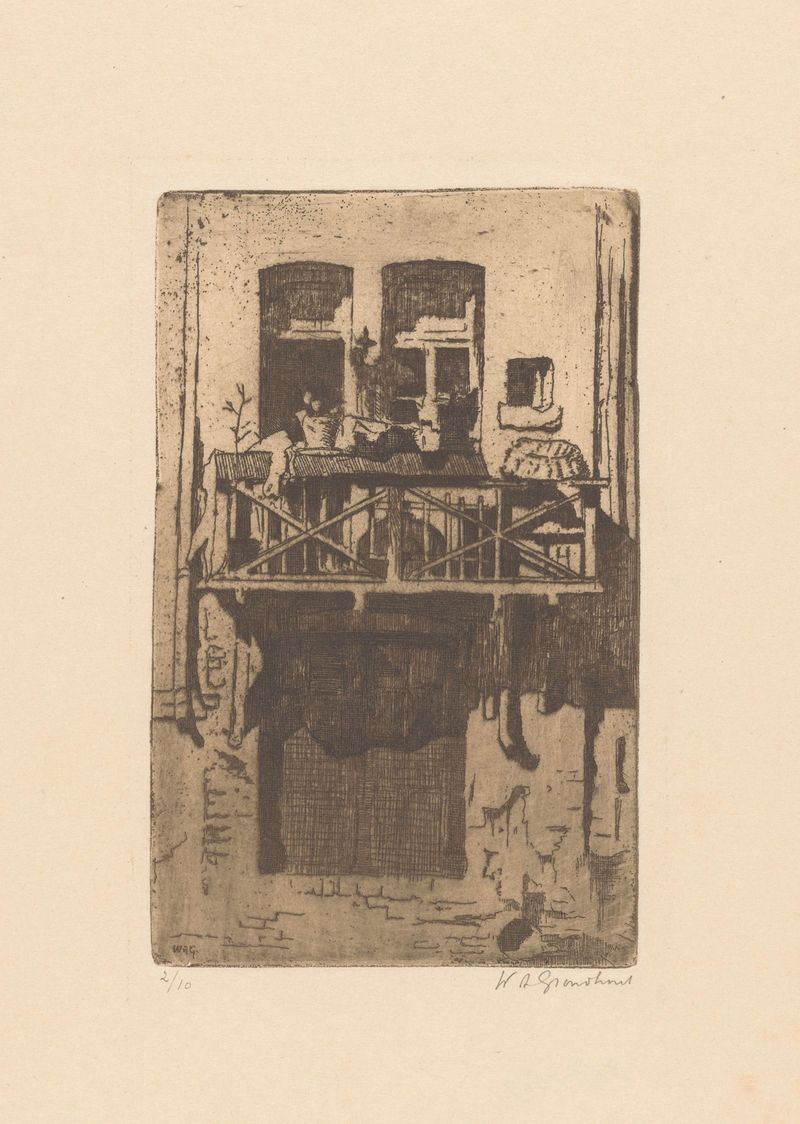
Balkon van een huis aan de Oudezijds Kolk in Amsterdam
Willem Adrianus Grondhout
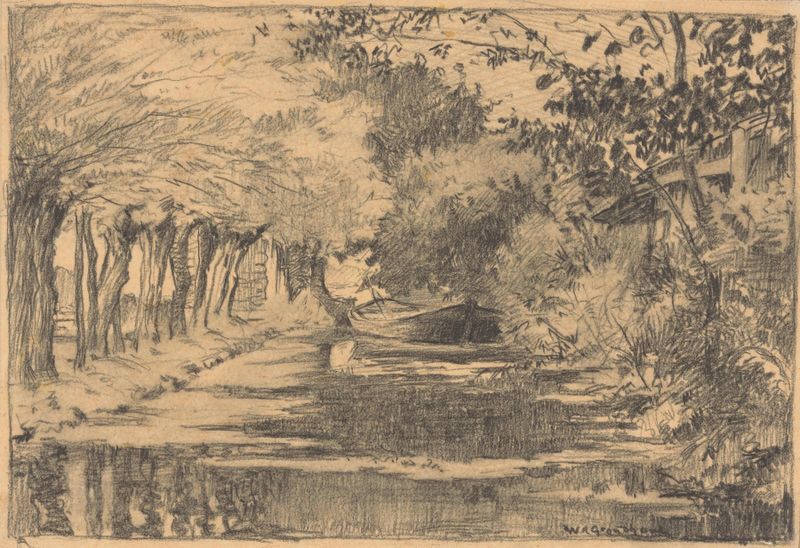
Broeksloot bij Voorburg
Willem Adrianus Grondhout
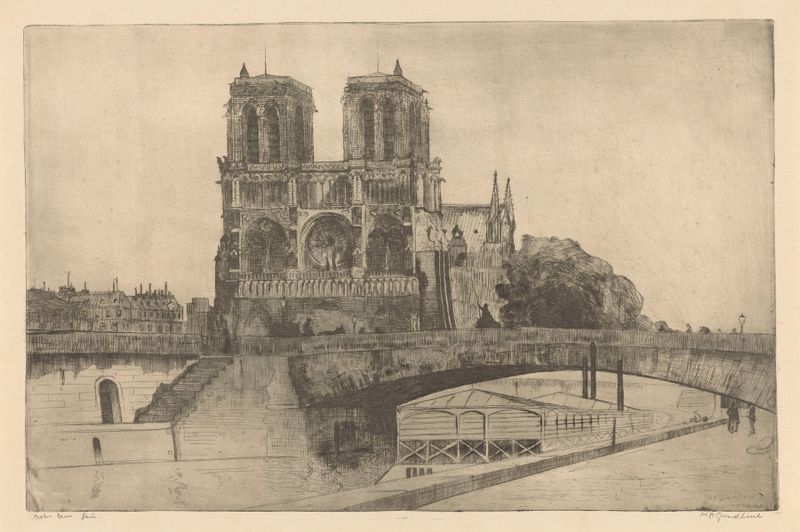
Notre-Dame, Paris
Willem Adrianus Grondhout
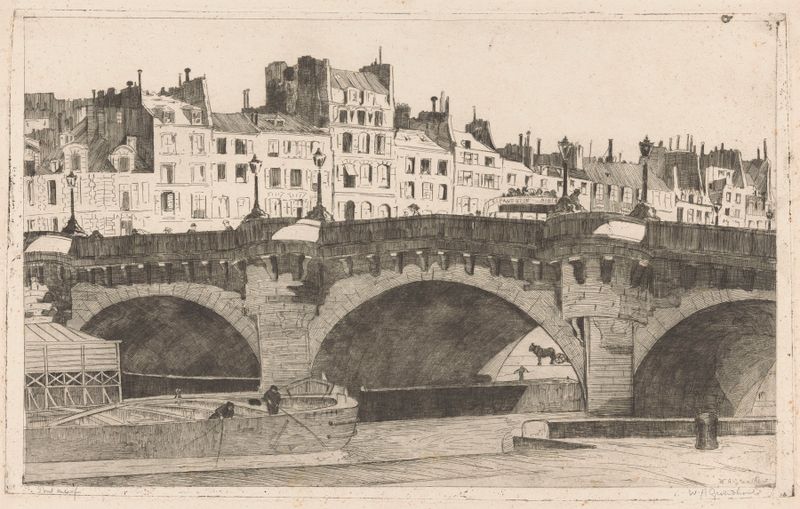
Pont Neuf
Willem Adrianus Grondhout
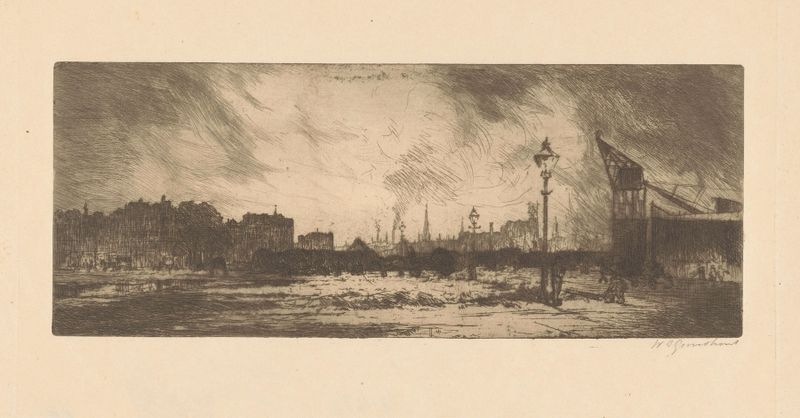
Havenkade met lantaarnpalen in Rotterdam
Willem Adrianus Grondhout
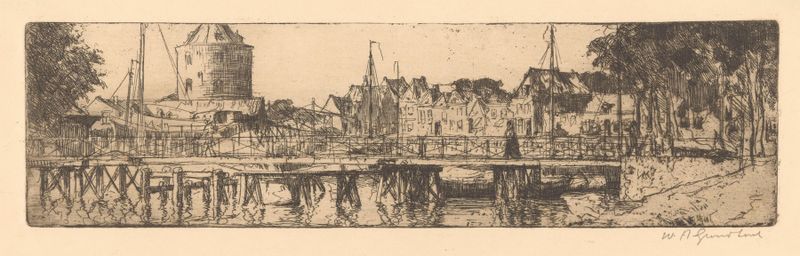
Enkhuizen
Willem Adrianus Grondhout
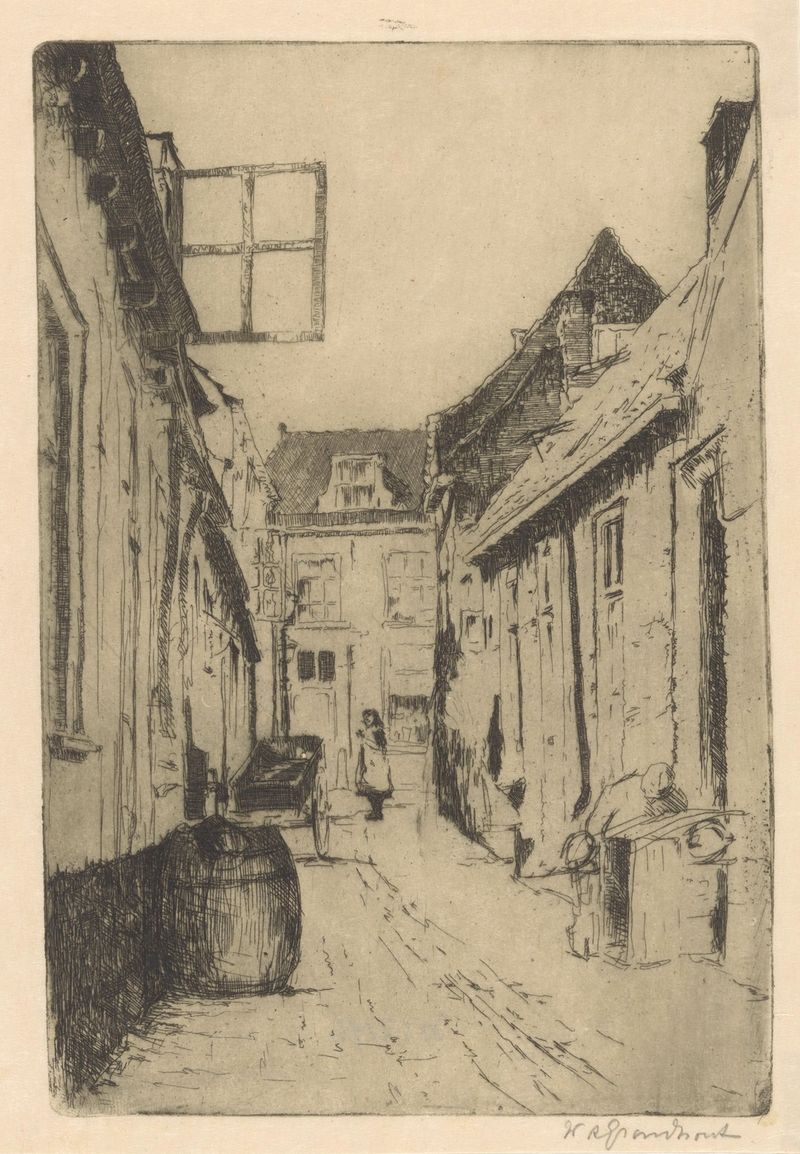
Straatje in Voorburg.
Willem Adrianus Grondhout
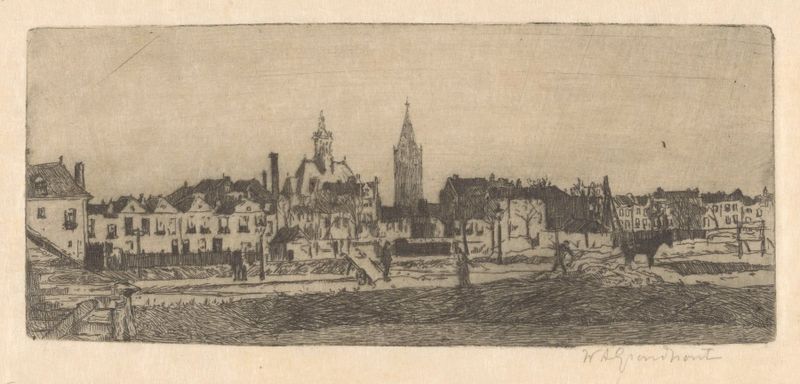
Delft
Willem Adrianus Grondhout





