
Rothenburg — History & Facts
This sentiment echoes through the vibrant swirls and dynamic forms of a painting that captures the spirit of a city alive with movement and memory. Look to the center where the lively architecture of Rothenburg springs forth, its buildings leaning and swaying as if caught in a gentle breeze. The artist’s palette bursts with rich hues of ochre and emerald, expertly layered to create a sense of depth and vitality. The brushstrokes themselves dance across the canvas, inviting the viewer to feel the pulse of the streets, the rhythm of life that thrums beneath the surface of the colors. As your gaze travels across the scene, notice how the vibrant movement contrasts with the stillness of the figures in the foreground.
Fragments of everyday life emerge — a couple lost in conversation, a solitary figure pausing to observe — each encapsulated in their own bubble of experience amidst the city’s vibrant chaos. This juxtaposition evokes a tension between the surrounding life and the personal moments, inviting the viewer to reflect on their own place within this tapestry of human existence. In 1921, the artist created this work at a time when Europe was grappling with the shadows of war and the dawn of new beginnings. Living in the wake of World War I, he sought to capture not only the physical beauty of Rothenburg but also its emotional resonance, reflecting a desire for renewal and connection in a changing world.
More Artworks by Willem Adrianus Grondhout
Browse all →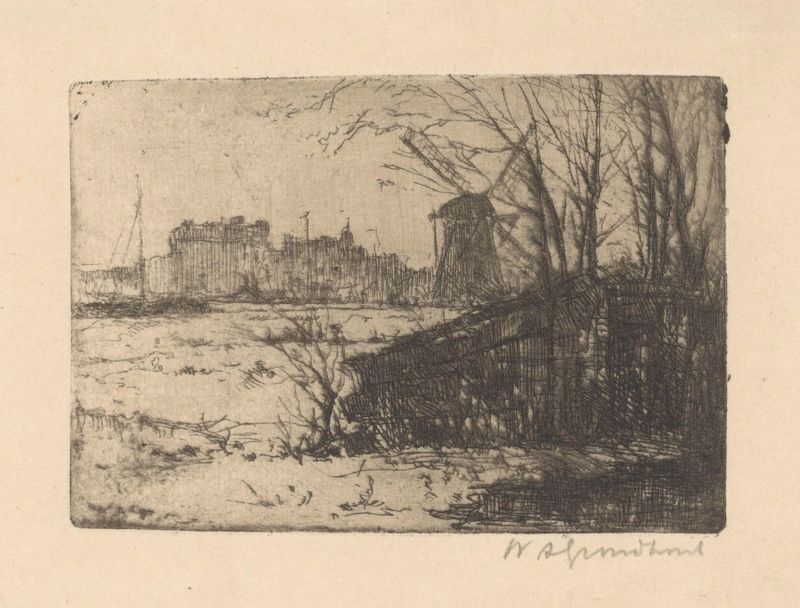
Landschap met molen in de Binckhorst in Den Haag
Willem Adrianus Grondhout
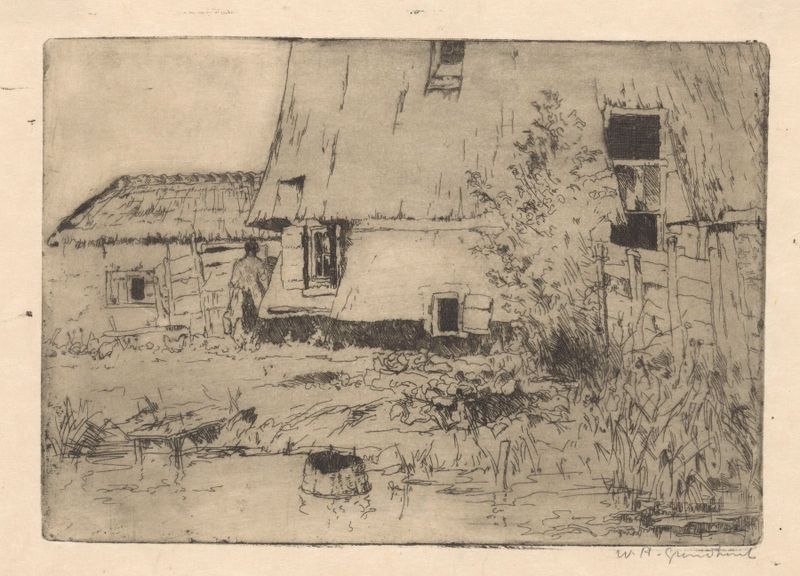
Voet van een molen in Voorburg
Willem Adrianus Grondhout
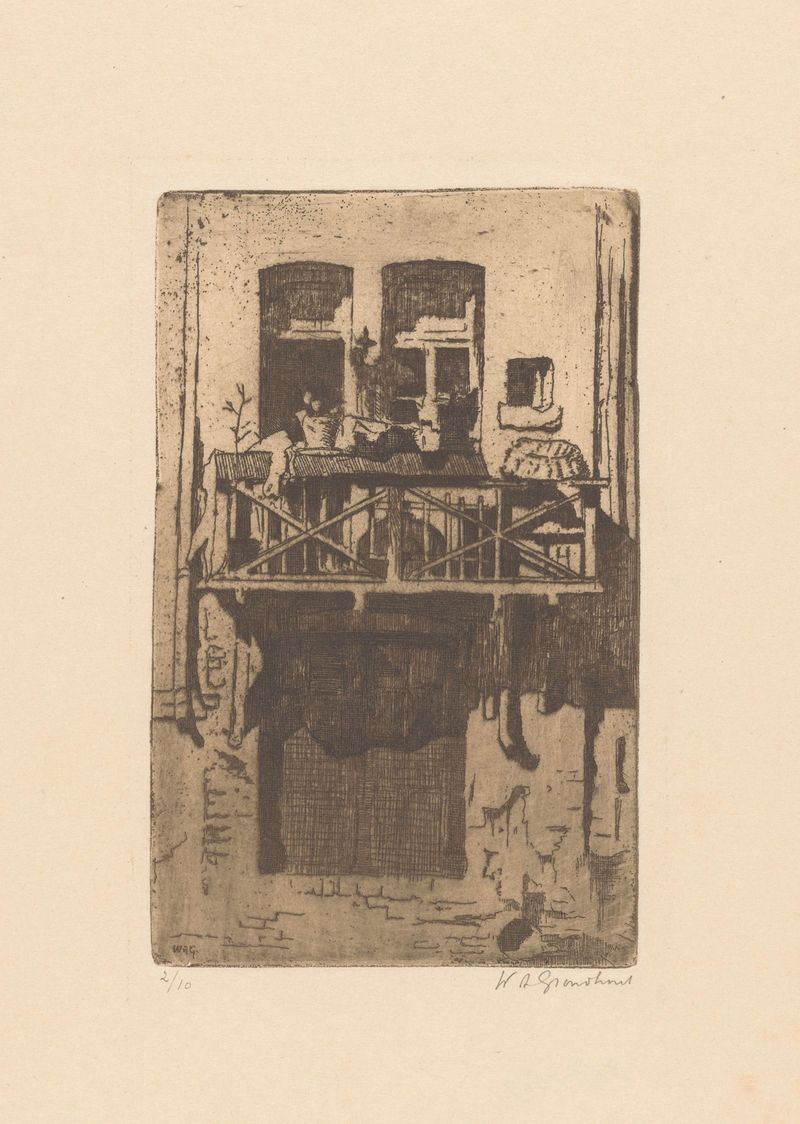
Balkon van een huis aan de Oudezijds Kolk in Amsterdam
Willem Adrianus Grondhout
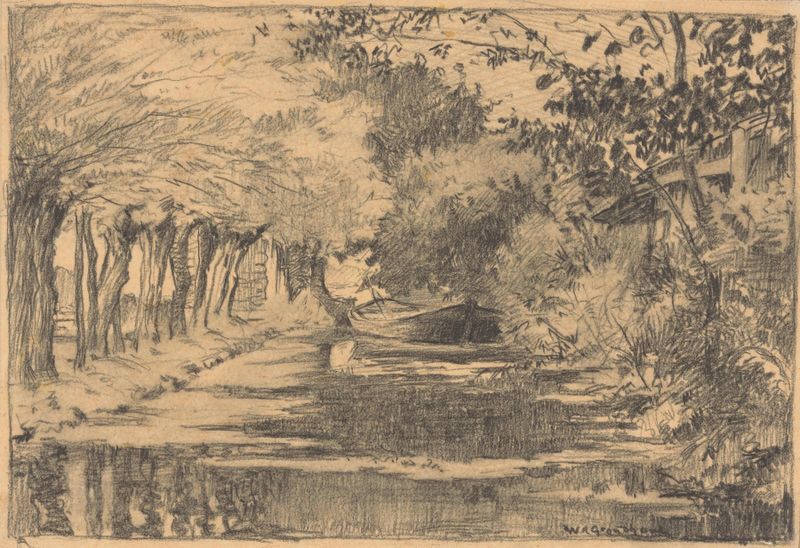
Broeksloot bij Voorburg
Willem Adrianus Grondhout
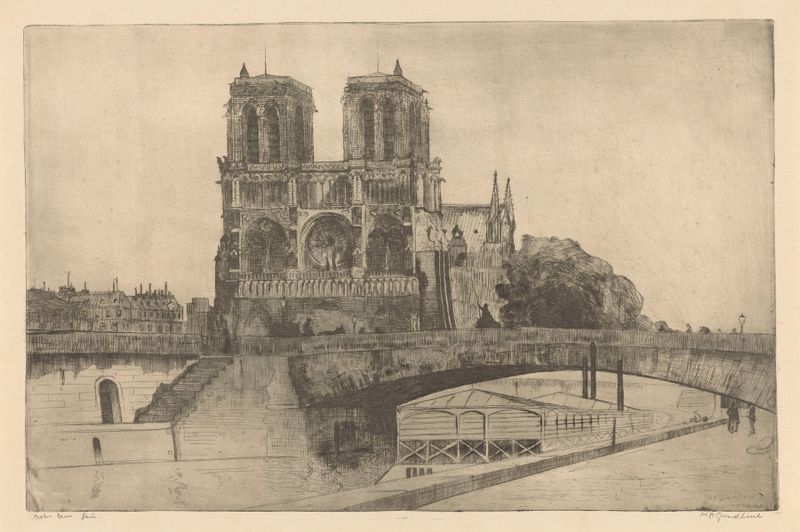
Notre-Dame, Paris
Willem Adrianus Grondhout
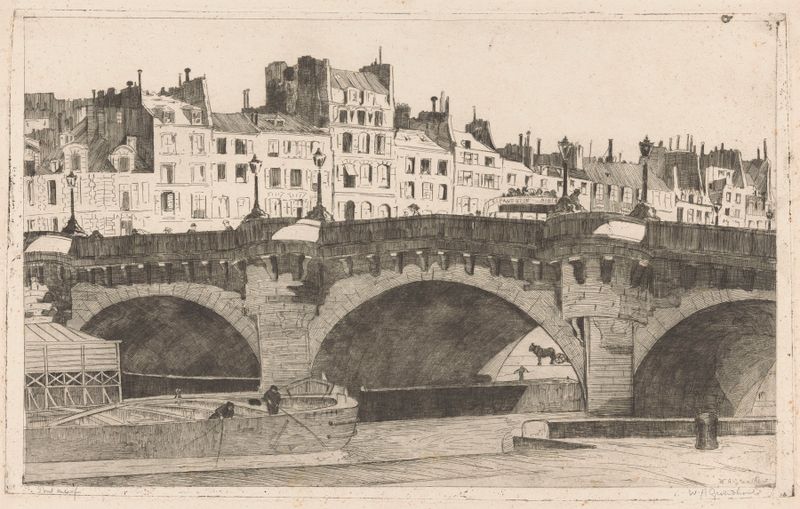
Pont Neuf
Willem Adrianus Grondhout
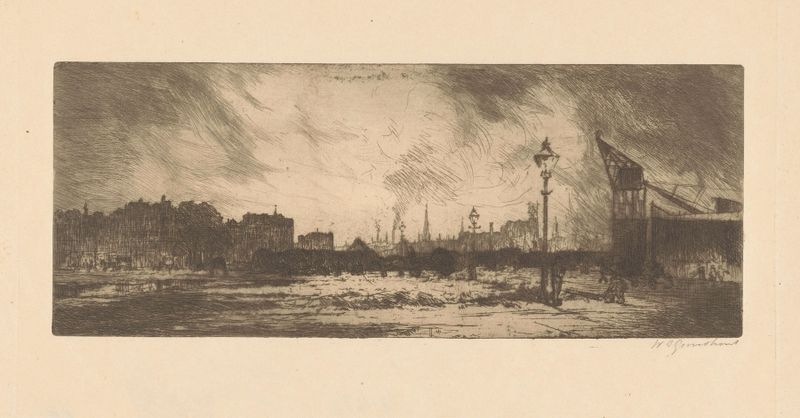
Havenkade met lantaarnpalen in Rotterdam
Willem Adrianus Grondhout
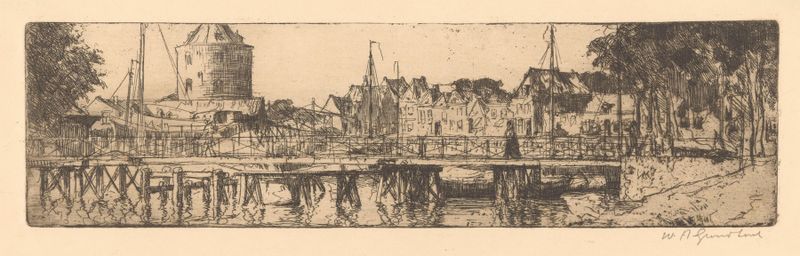
Enkhuizen
Willem Adrianus Grondhout
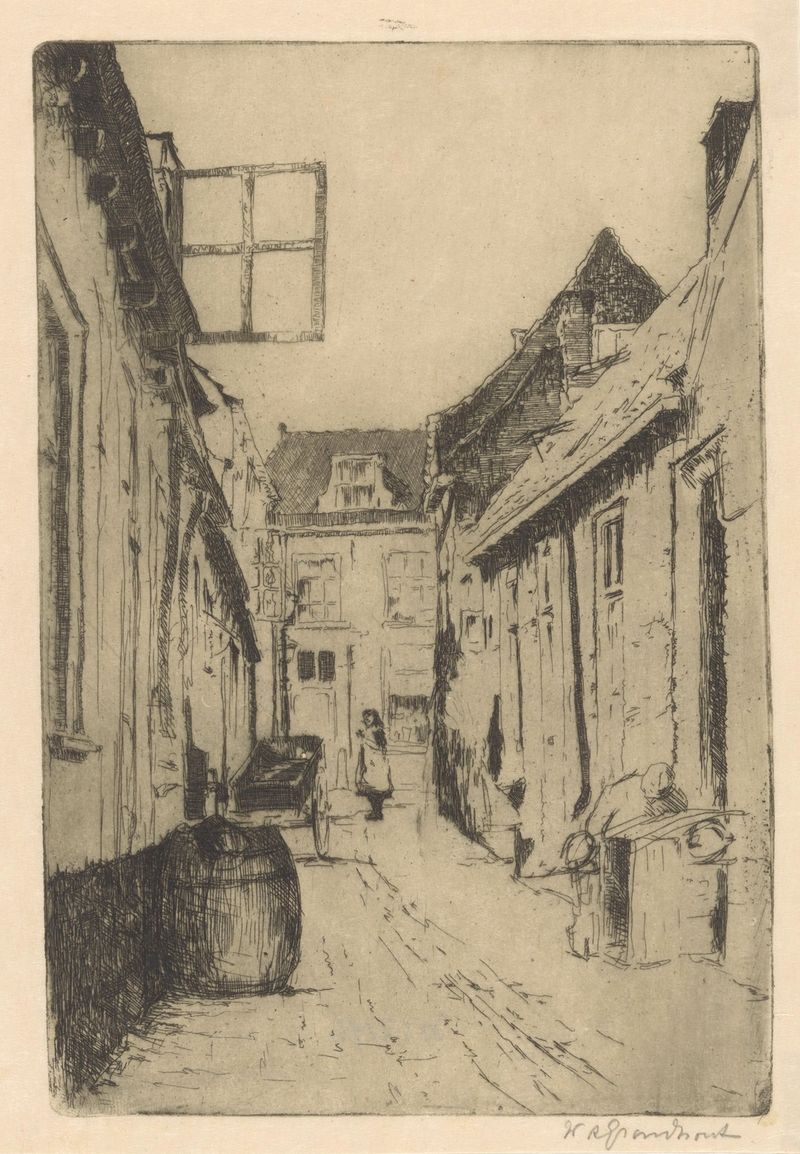
Straatje in Voorburg.
Willem Adrianus Grondhout
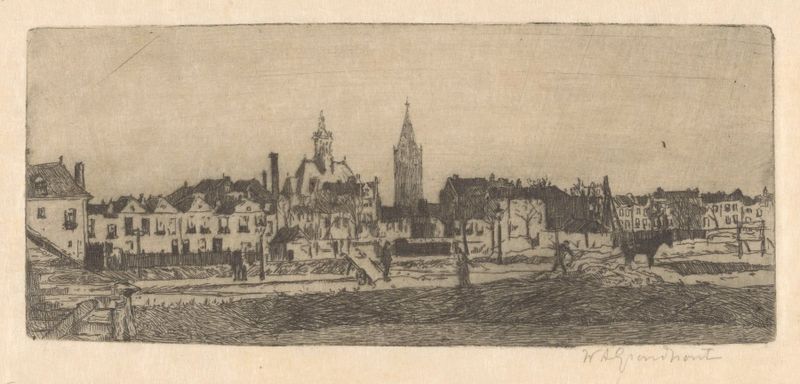
Delft
Willem Adrianus Grondhout
More Architecture Art
Browse all →
The statue of Liberty
Frédéric Auguste Bartholdi

View of Houses in Delft, Known as ‘The Little Street’
Johannes Vermeer

View of Houses in Delft, Known as ‘The Little Street’
Johannes Vermeer

The Cathedral in Rouen. The portal, Grey Weather
Claude Monet

The yellow house
Vincent van Gogh

The Church in Auvers-sur-Oise, View from the Chevet
Vincent van Gogh