
Rotonde de la Villette — History & Facts
Could a single brushstroke hold eternity? In Rotonde de la Villette, the essence of decay whispers through the vibrant colors and intricate details, evoking the bittersweet passage of time. Focus on the contrasting hues of rust and verdant green that dominate the composition, drawing the eye first to the aged façade of the rotunda, where nature intertwines with architecture. Notice how light penetrates the scene, casting dramatic shadows that highlight the crumbling textures. The artist's skilled brushwork invites the viewer into a delicate dance between vitality and decline, where every stroke seems to pulse with a life of its own. Delve deeper into the artwork's emotional layers; the juxtaposition of the grand structure against its deterioration speaks to the fragility of human endeavors.
The creeping foliage serves as a reminder of nature's relentless reclaiming, symbolizing both loss and the beauty inherent in change. This tension between man-made and organic is palpable, urging the viewer to reflect on the passage of time and the stories etched into the walls of memory and history. Ferdinand Boberg created Rotonde de la Villette in 1926, during a period when European art was grappling with the aftermath of World War I. As a member of the Swedish architectural scene, he was adapting to modernist influences while also holding on to traditional aesthetics.
This artwork encapsulates a moment of transition, where the echoes of the past resonate amid the ambitions of a new age, capturing the timeless dialogue between decay and regeneration.
More Artworks by Ferdinand Boberg
Browse all →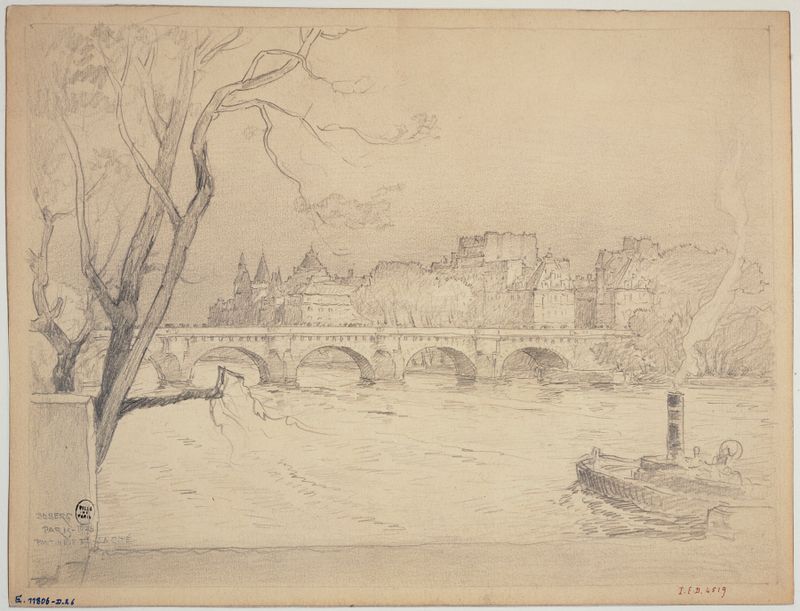
Le Pont-Neuf et la Cité
Ferdinand Boberg
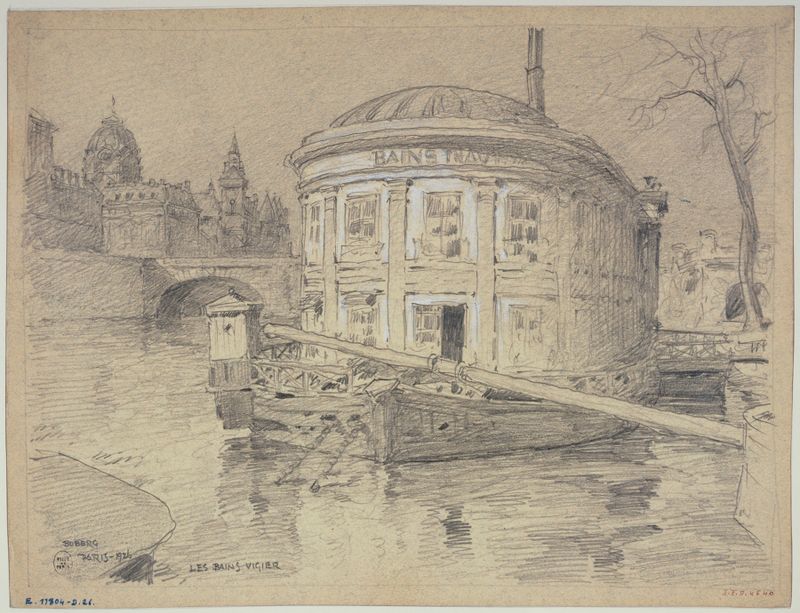
Les bains Vigier au Pont-Neuf
Ferdinand Boberg
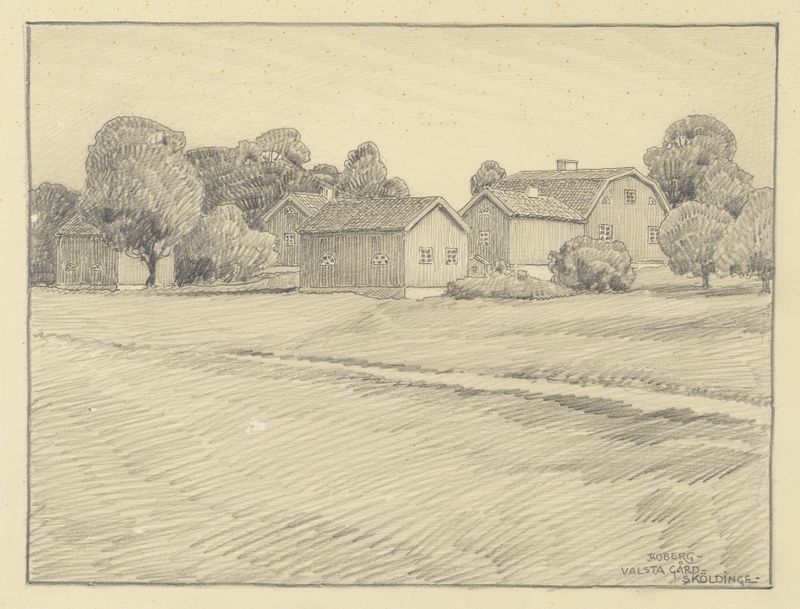
Valsta Gård
Ferdinand Boberg
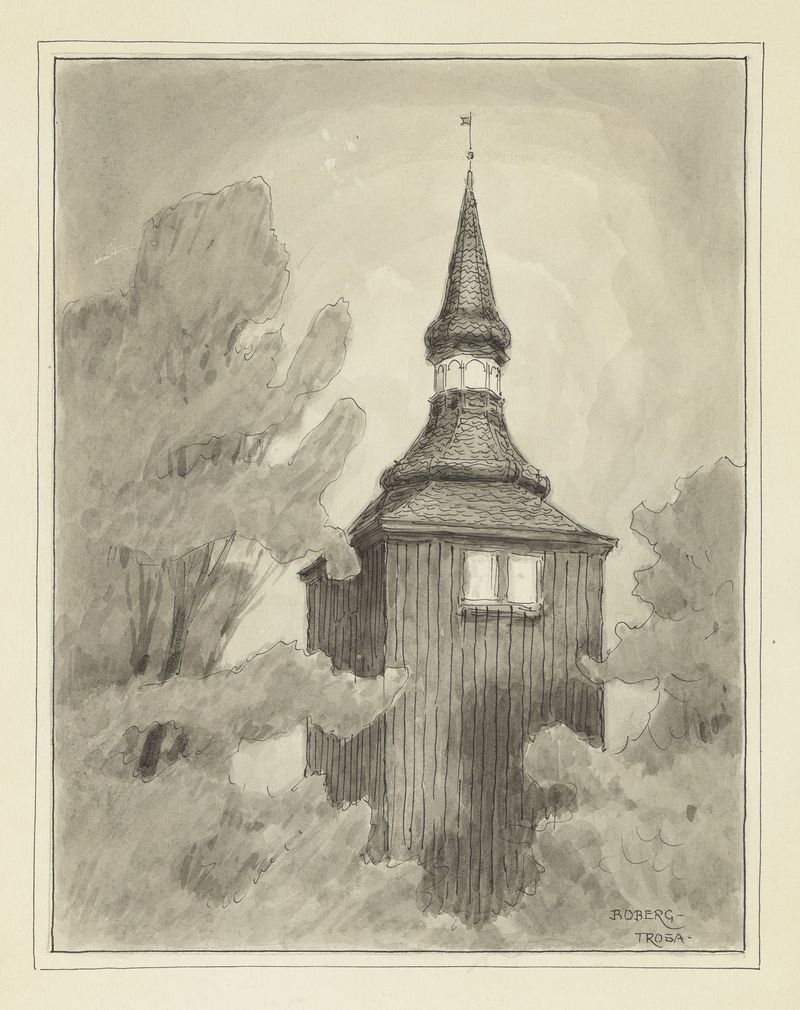
Trosa
Ferdinand Boberg
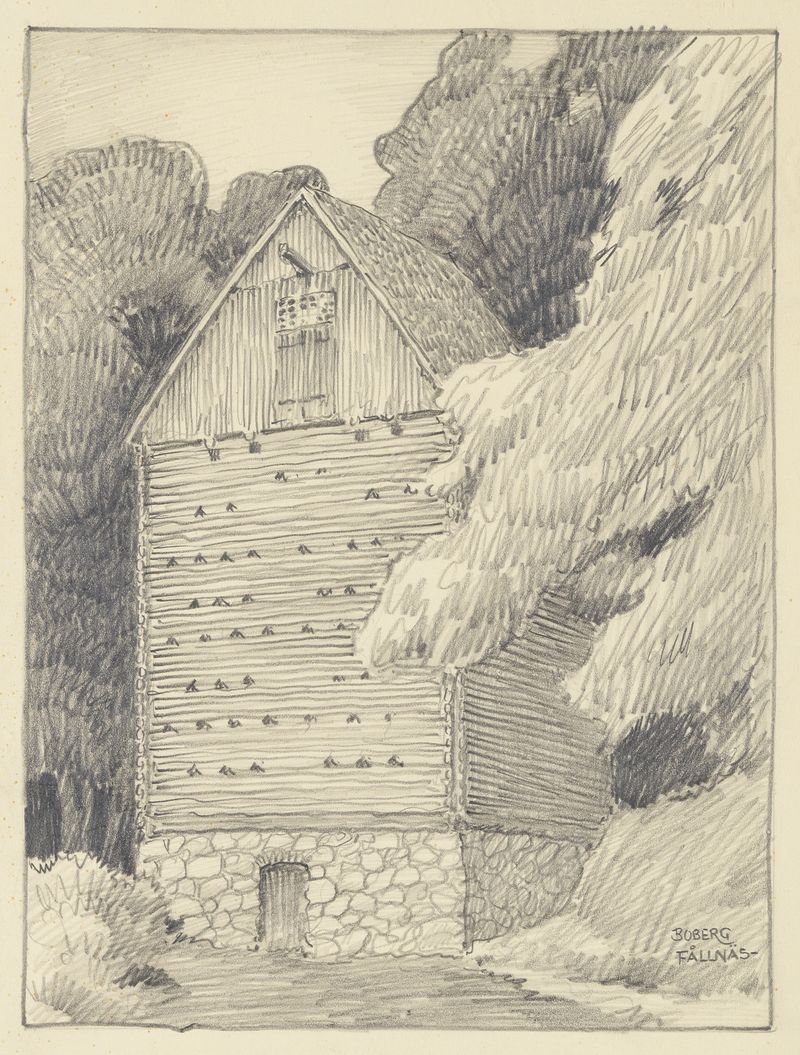
Fållnäs
Ferdinand Boberg
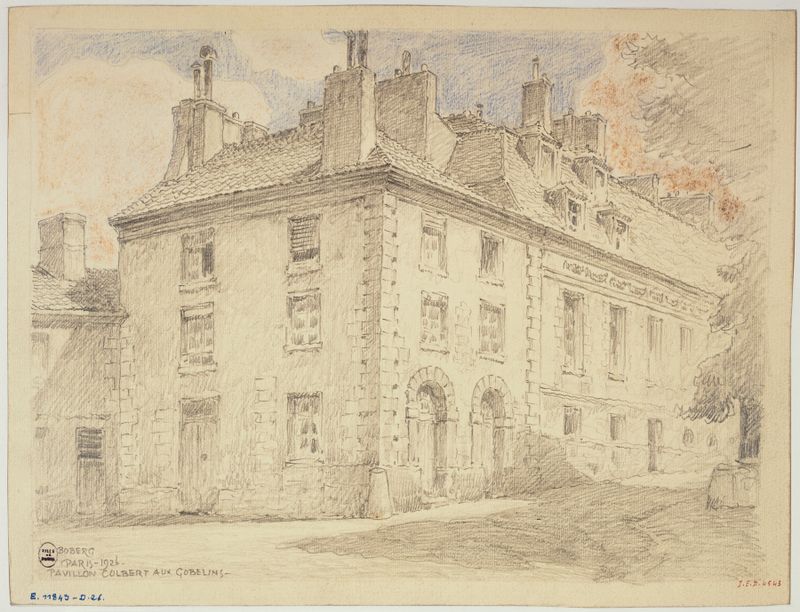
Le pavillon Colbert aux Gobelins
Ferdinand Boberg
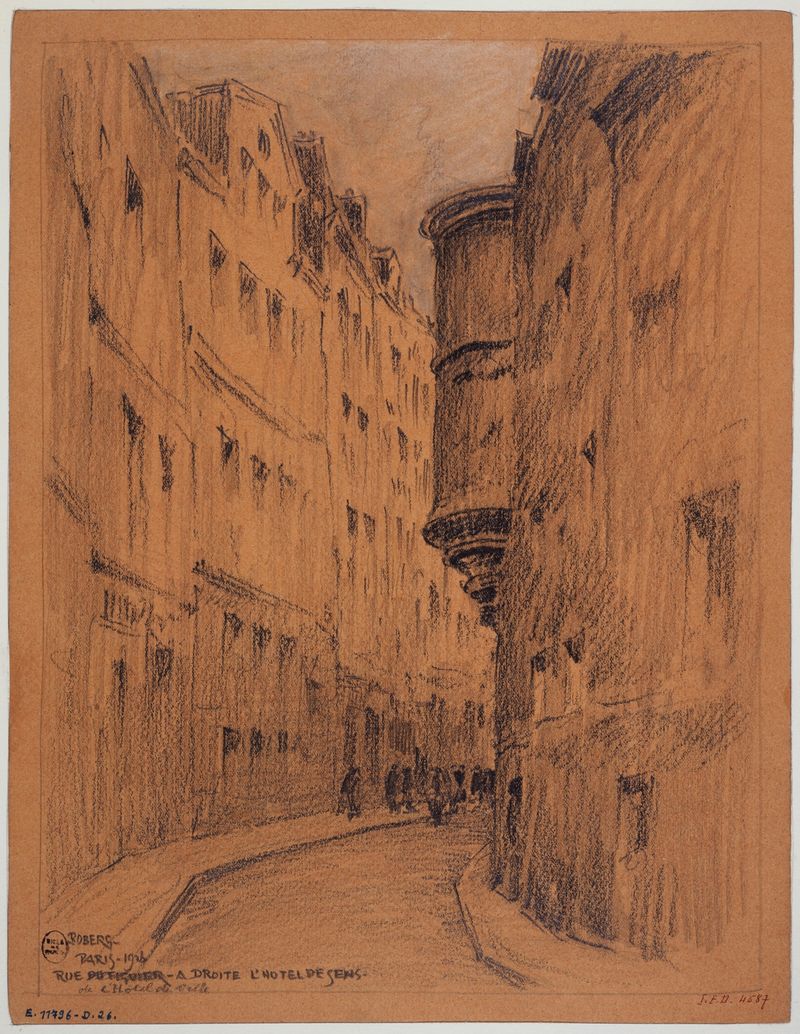
Rue de l’Hôtel de Ville; l’hôtel de Sens
Ferdinand Boberg
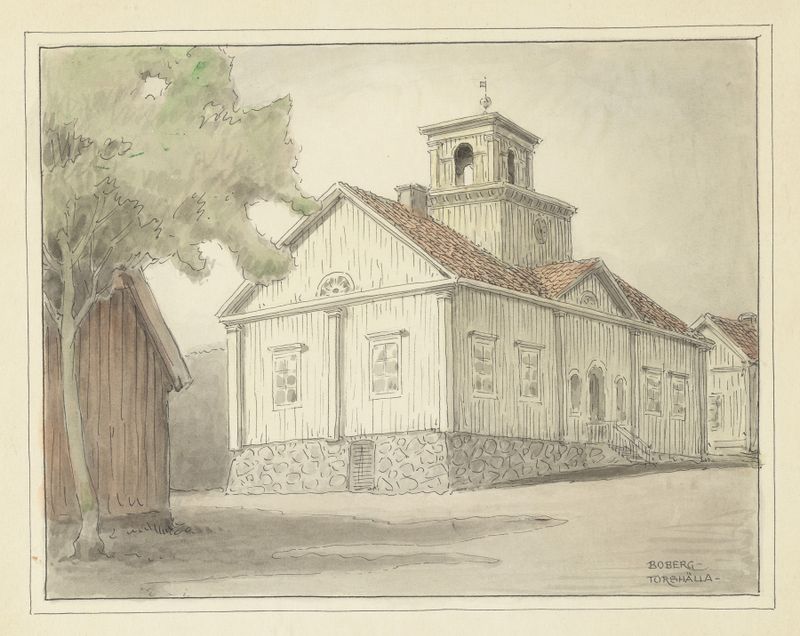
Torshälla
Ferdinand Boberg
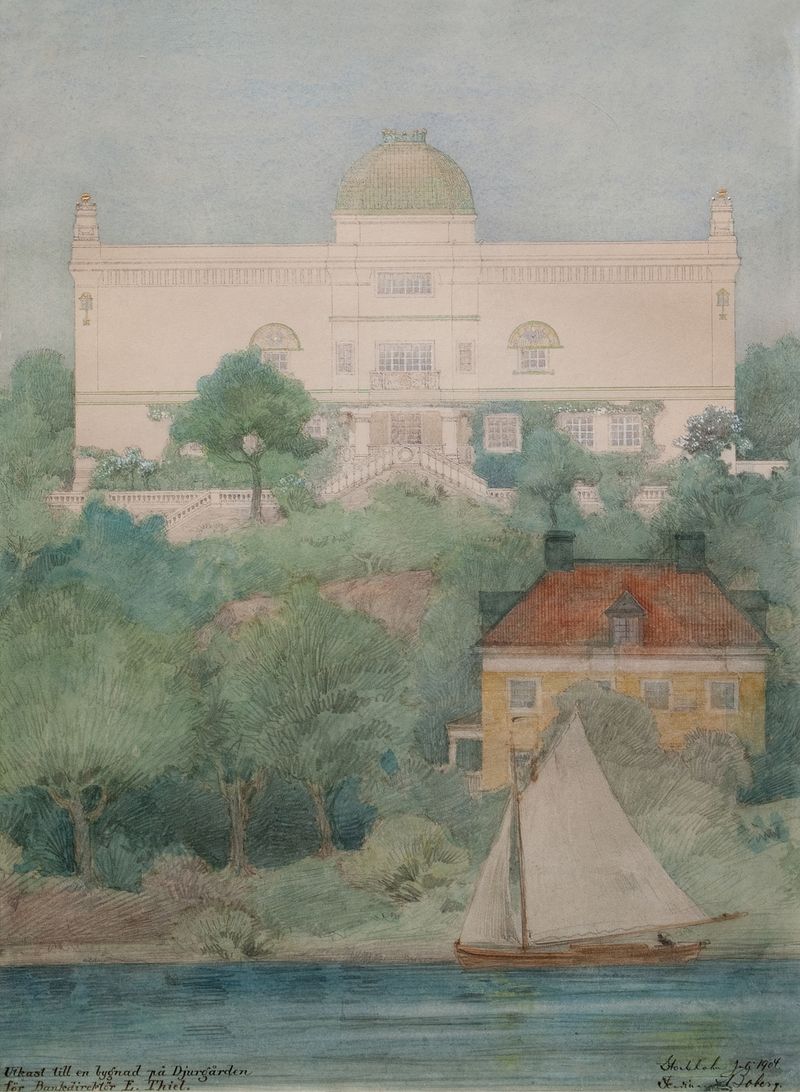
Sketch for a building for Thiel’s Gallery
Ferdinand Boberg
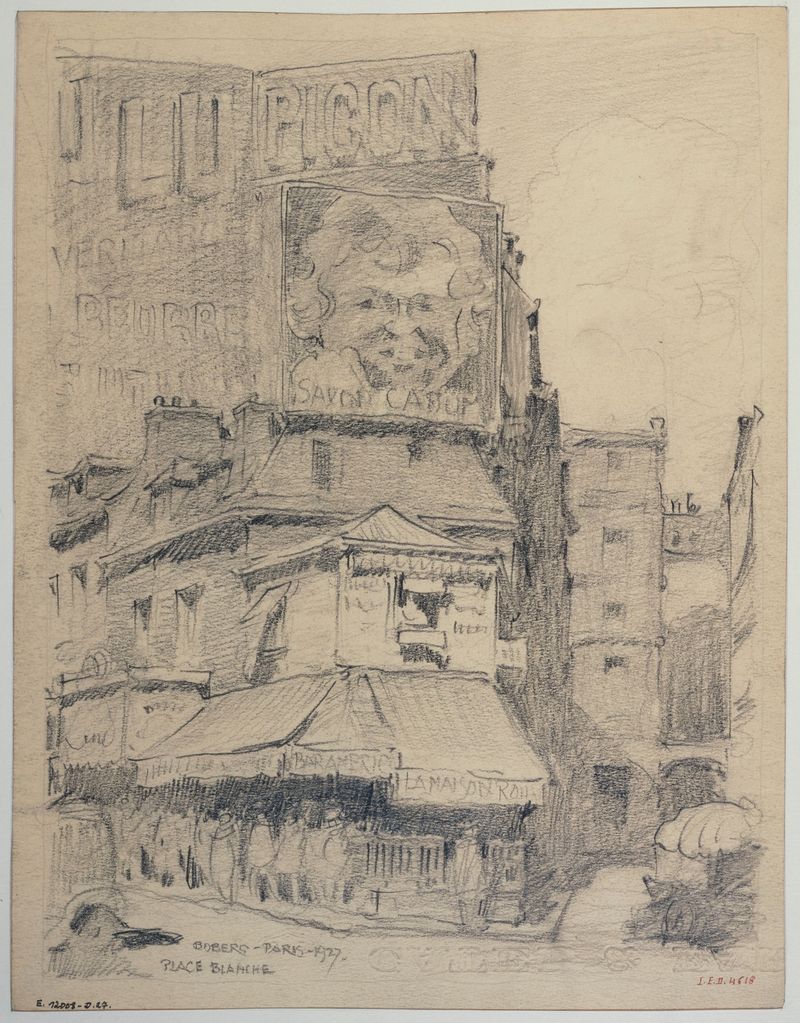
La place Blanche
Ferdinand Boberg
More Architecture Art
Browse all →
The statue of Liberty
Frédéric Auguste Bartholdi

View of Houses in Delft, Known as ‘The Little Street’
Johannes Vermeer

View of Houses in Delft, Known as ‘The Little Street’
Johannes Vermeer

The Cathedral in Rouen. The portal, Grey Weather
Claude Monet

The yellow house
Vincent van Gogh

The Church in Auvers-sur-Oise, View from the Chevet
Vincent van Gogh