
Rots en stad Scilla in de regio Calabrië gezien vanaf zee aan de noordkant — History & Facts
Did the painter know this moment would outlive them? In a world where loneliness often lingers beneath the surface, Rots en stad Scilla in de regio Calabrië gezien vanaf zee aan de noordkant captures an enduring solitude, inviting the viewer to contemplate the eternal connection between land and sea. Look closely at the horizon, where the azure waves kiss the rugged cliffs with a gentle embrace. The sunlight spills onto the landscape, casting delicate shadows that breathe life into the craggy rocks. Notice the interplay of colors — the deep blues of the ocean contrast sharply with the muted earth tones of the city, creating a visual dialogue between nature and humanity.
The composition, carefully balanced, directs your gaze toward the serene yet isolated town of Scilla, nestled against the dramatic backdrop of sloping hills. In this work, emotional tension arises from the juxtaposition of the bustling town and the vast, empty sea surrounding it. The smallness of the human presence in the grand landscape evokes a feeling of isolation, suggesting that despite the vibrancy of life, a profound sense of loneliness permeates. The viewer is left to ponder not only the beauty of the scene but also the fleeting nature of existence, as the shimmering light dances across the waves, whispering secrets to the shore. In 1778, while creating this piece, the artist was in Italy, immersed in the landscapes that would define much of his work.
Ducros was part of a movement that sought to elevate landscape painting, capturing both the sublime beauty of nature and the human experience within it. At this time, Italy was a nexus of artistic innovation, and Ducros was keenly aware of the evolving styles and ideas that would shape the future of art, marking his place within this transformative era.
More Artworks by Abraham-Louis-Rodolphe Ducros
Browse all →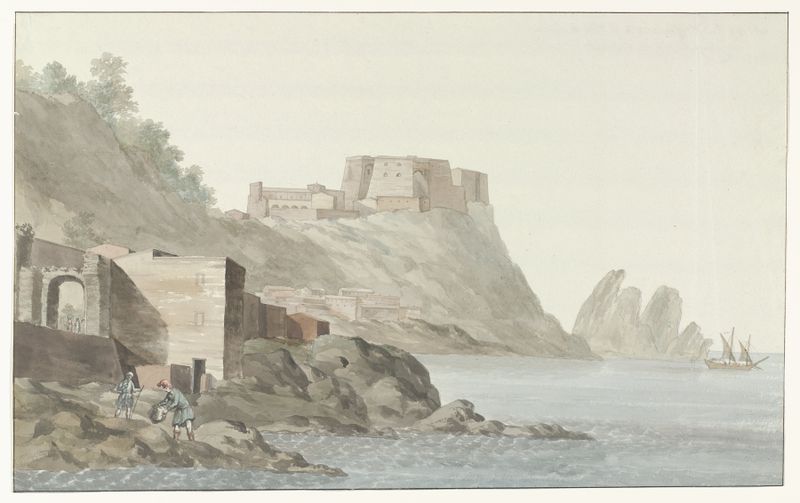
Rots en stad Scilla in de regio Calabrië aan de oostkust
Abraham-Louis-Rodolphe Ducros
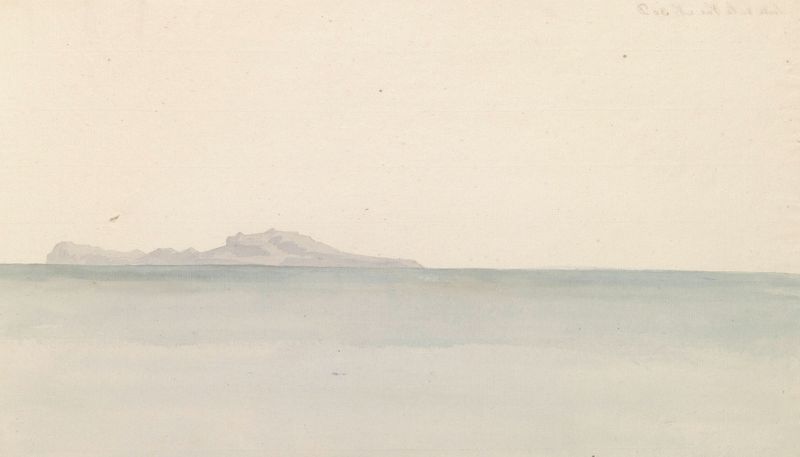
Gezicht op Golf van Napels vanaf kade bij kerk Santa Maria del Carmine
Abraham-Louis-Rodolphe Ducros
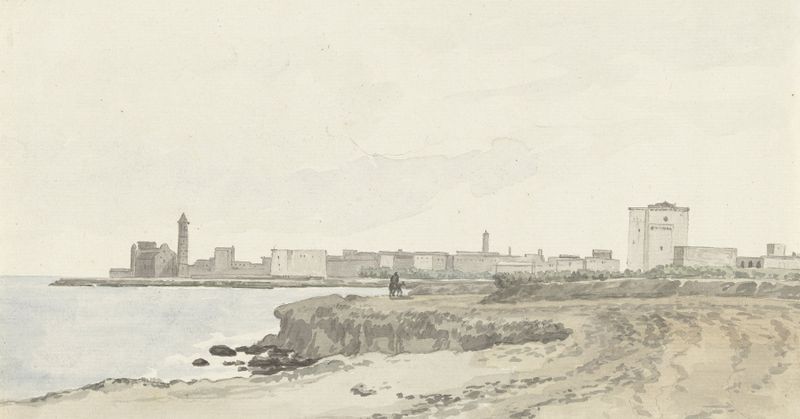
Gezicht op Trani gelegen aan de kust
Abraham-Louis-Rodolphe Ducros
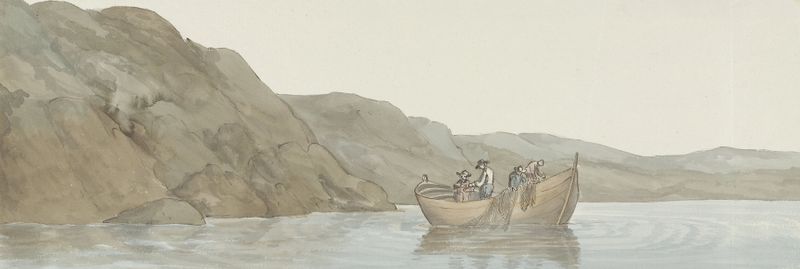
Gezicht op Kaap Paceco in Calabrië nabij de stad Scilla
Abraham-Louis-Rodolphe Ducros
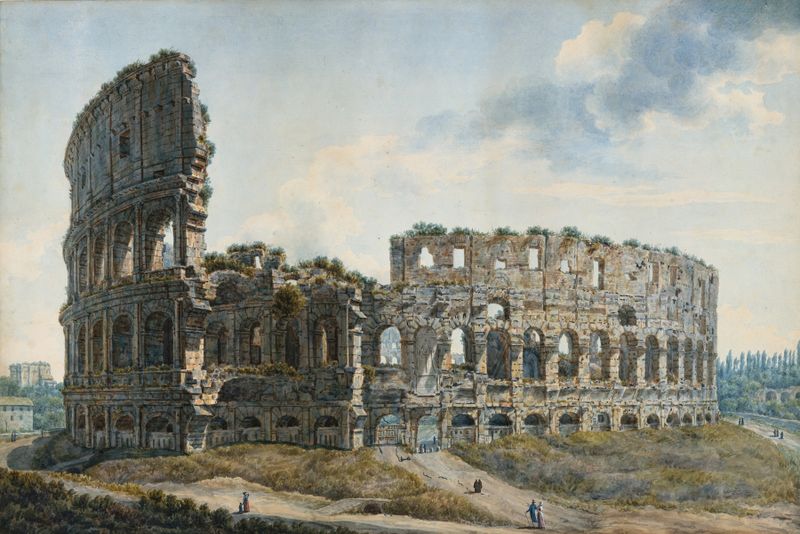
The Colosseum, Rome.
Abraham-Louis-Rodolphe Ducros
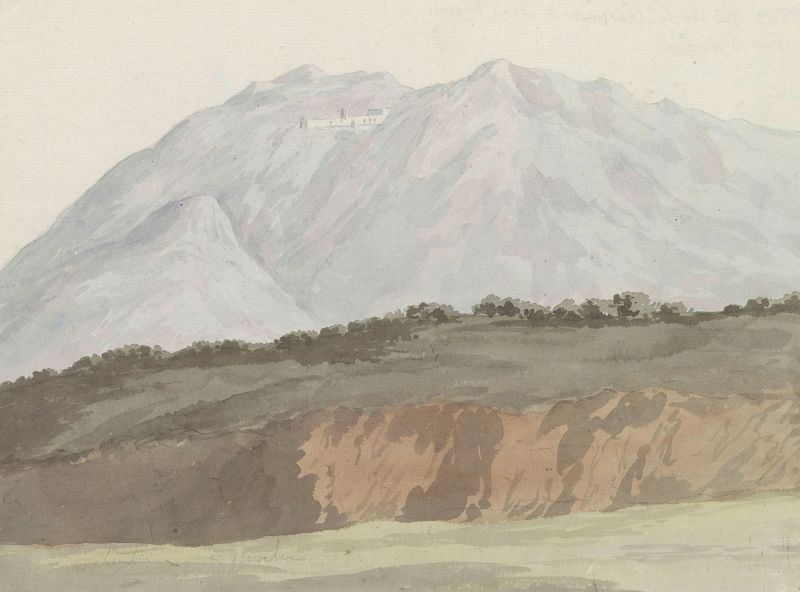
Gezicht op kartuizerklooster van Monte Vergine hoog gelegen boven Avellino
Abraham-Louis-Rodolphe Ducros
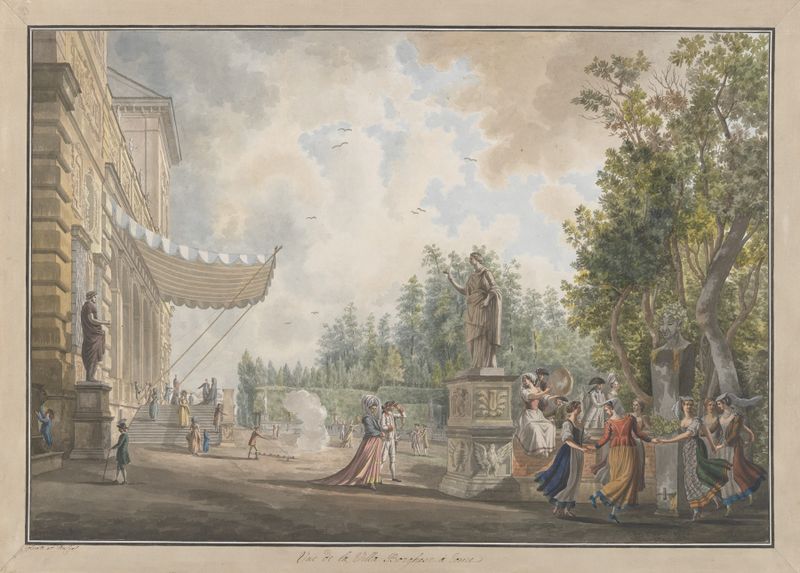
Villa Borghese
Abraham-Louis-Rodolphe Ducros
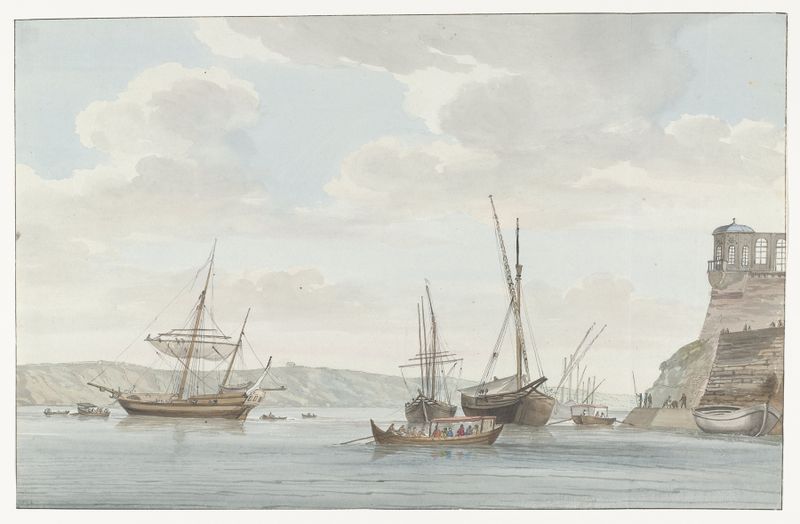
Tuinhuis van de Jardin du Grand Maître uittorend boven de haven met galei schepen op Malta
Abraham-Louis-Rodolphe Ducros
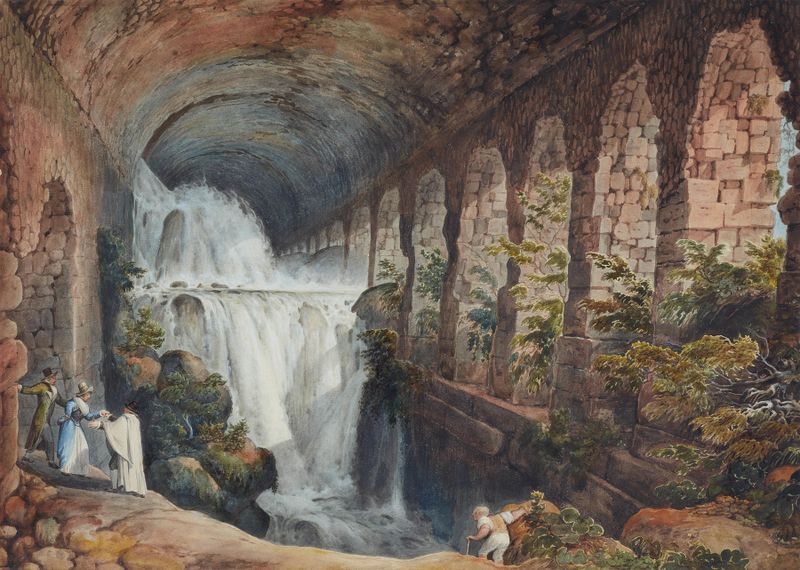
Aquädukt unter der Villa des Maecenas in Tivoli
Abraham-Louis-Rodolphe Ducros
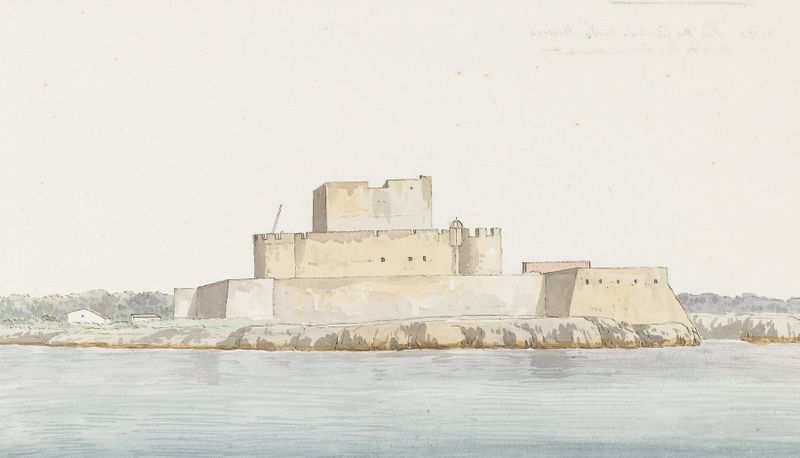
Gezicht op kasteel van San Mauro la Bruca vanaf zee bij aankomst
Abraham-Louis-Rodolphe Ducros





