
Rotterdam. — History & Facts
Could beauty survive in a century of chaos? This question lingers in the air, much like the haunting echoes of a city lost to time. Look closely at the intricate brushwork that unfolds the urban landscape before you. Your gaze is drawn first to the delicate interplay of light and shadow that dances across the facades of buildings. Notice how Grondhout employs a muted palette, where grays and blues intertwine, to evoke a sense of both nostalgia and melancholy.
Each stroke communicates the weight of history, as if the city itself whispers stories of resilience amid loss. Beneath the surface, there lies a tension between the vibrancy of life and the looming specter of oblivion. The soft, fading colors suggest a memory that is slowly erasing itself, while the stark lines of architecture stand firm, yet show signs of wear. Here, one can sense an emotional resonance—the juxtaposition of what once thrived against the fragility of existence.
It invites contemplation on the impermanence of beauty and the passage of time. Grondhout created this piece during a transformative period in the late 19th and early 20th centuries, a time when Rotterdam was undergoing significant development and change. Living through the turmoil of two World Wars and the shifting tides of modernism, he sought to capture the essence of the city he loved. This work reflects not only the physical landscape but also the artist's own grappling with the complexities of loss and survival in an ever-evolving world.
More Artworks by Willem Adrianus Grondhout
Browse all →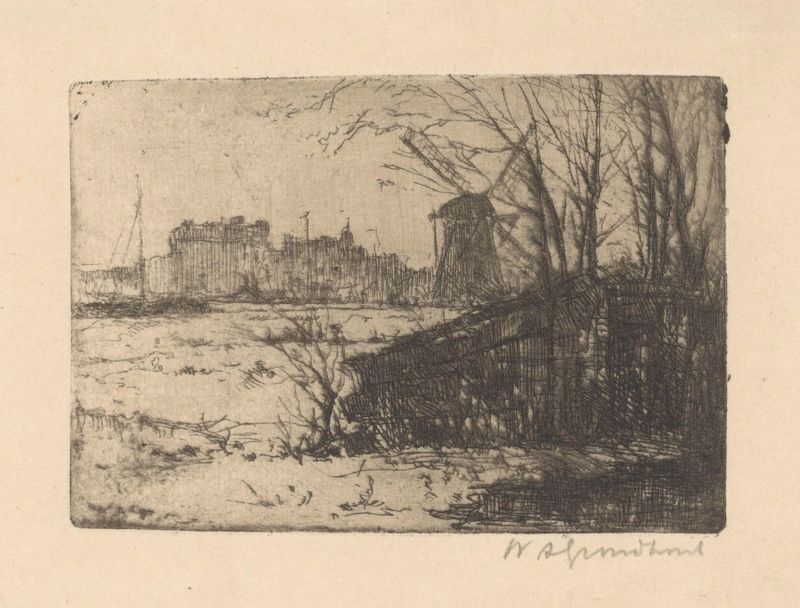
Landschap met molen in de Binckhorst in Den Haag
Willem Adrianus Grondhout
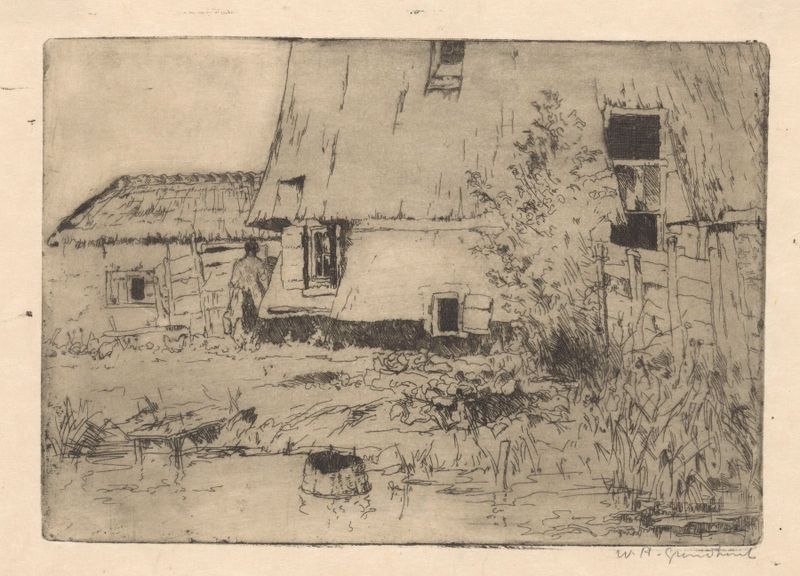
Voet van een molen in Voorburg
Willem Adrianus Grondhout
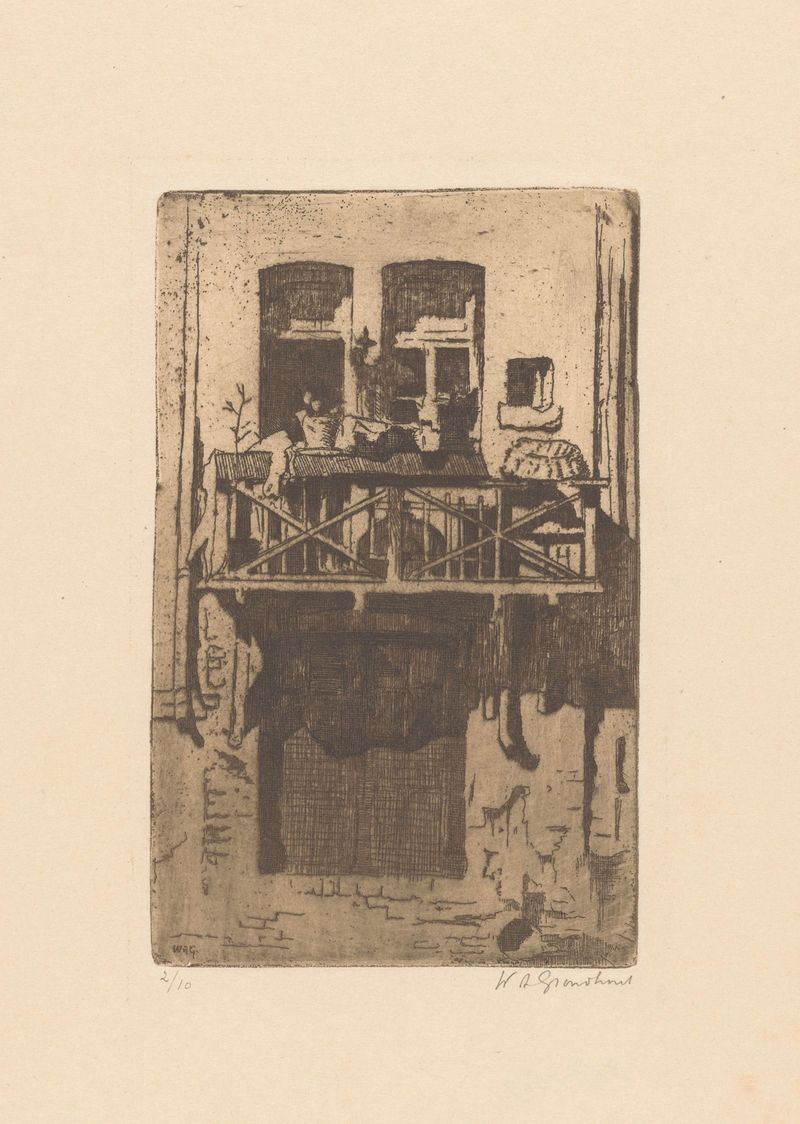
Balkon van een huis aan de Oudezijds Kolk in Amsterdam
Willem Adrianus Grondhout
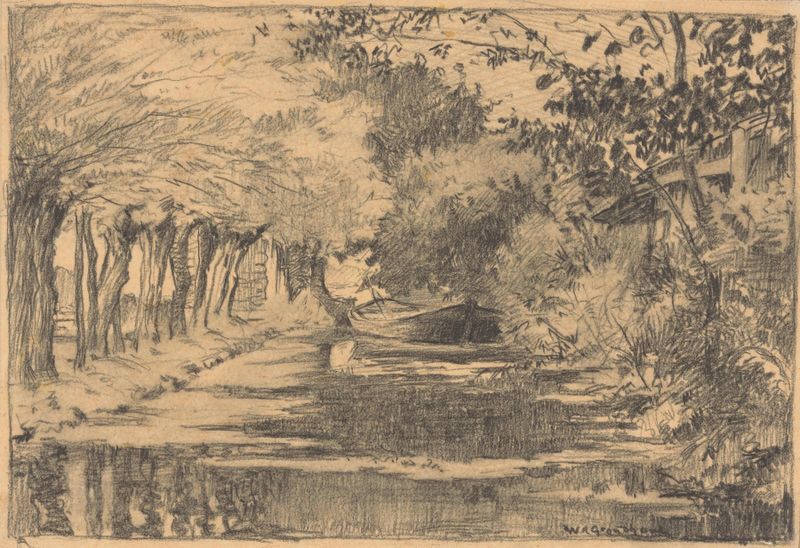
Broeksloot bij Voorburg
Willem Adrianus Grondhout
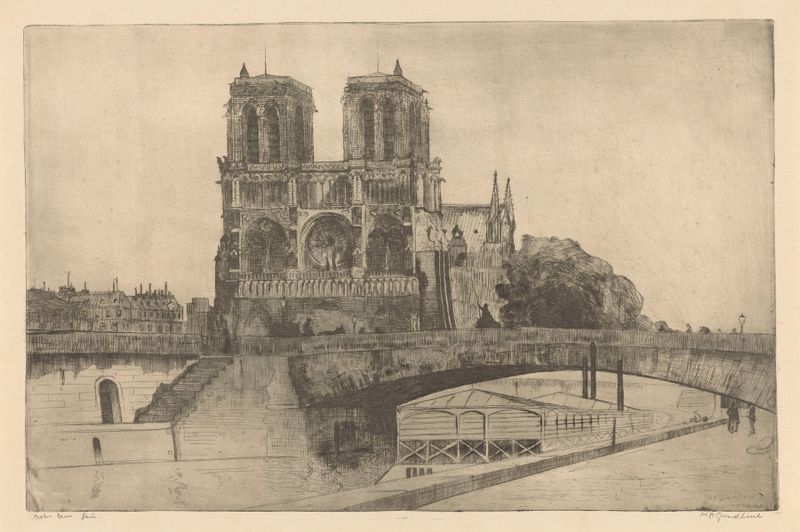
Notre-Dame, Paris
Willem Adrianus Grondhout
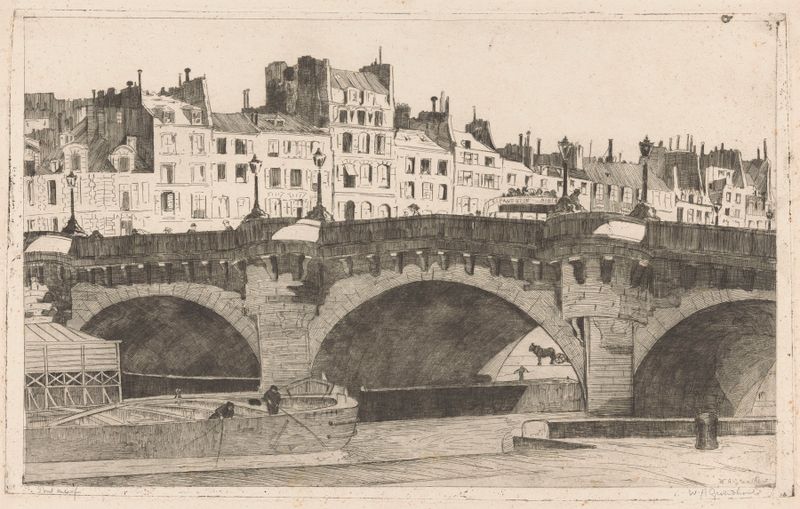
Pont Neuf
Willem Adrianus Grondhout
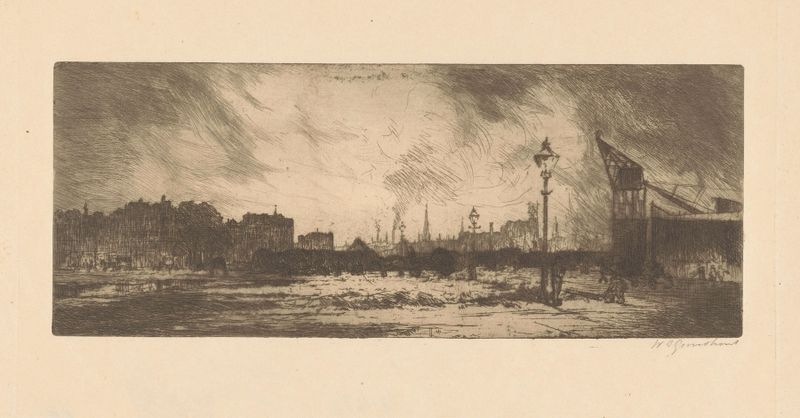
Havenkade met lantaarnpalen in Rotterdam
Willem Adrianus Grondhout
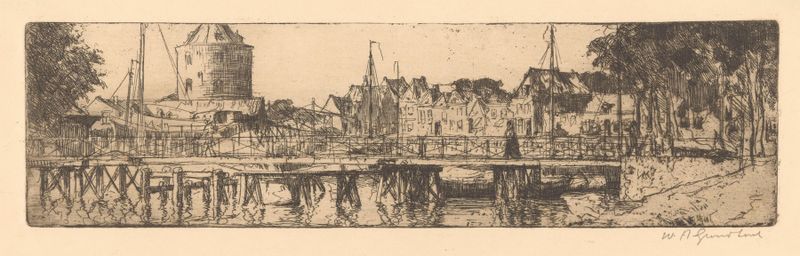
Enkhuizen
Willem Adrianus Grondhout
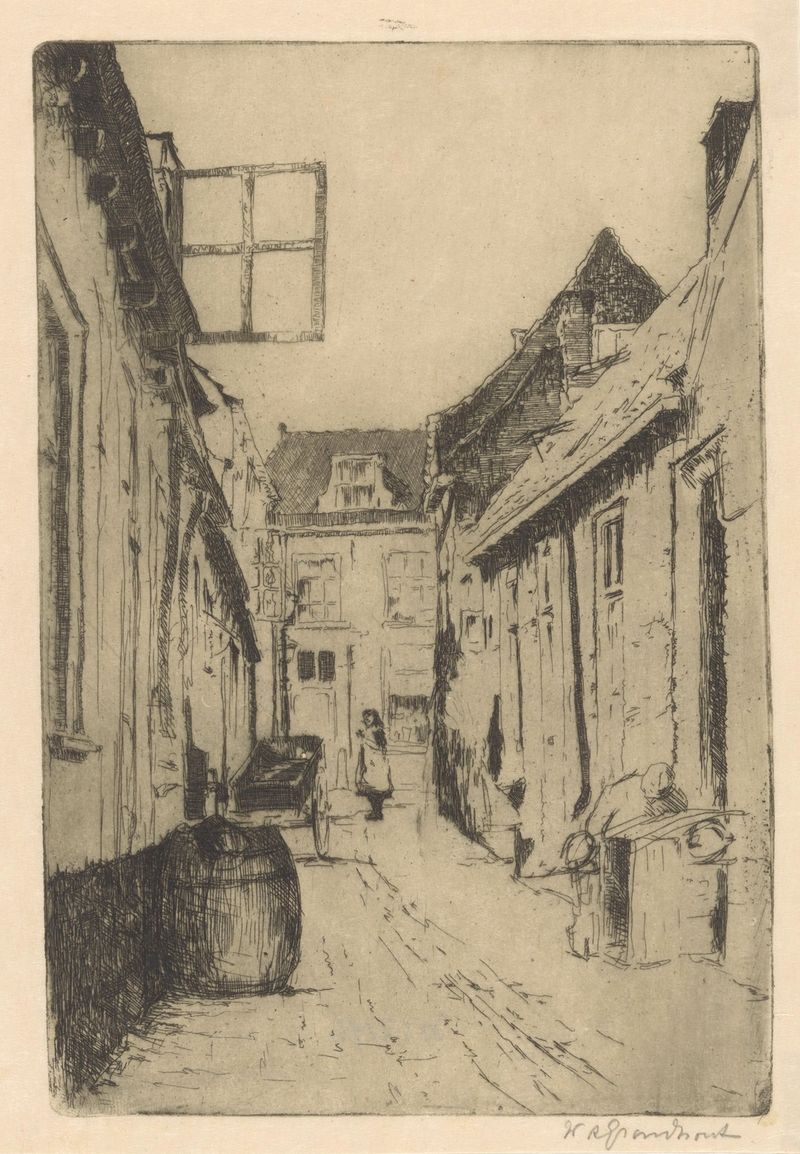
Straatje in Voorburg.
Willem Adrianus Grondhout
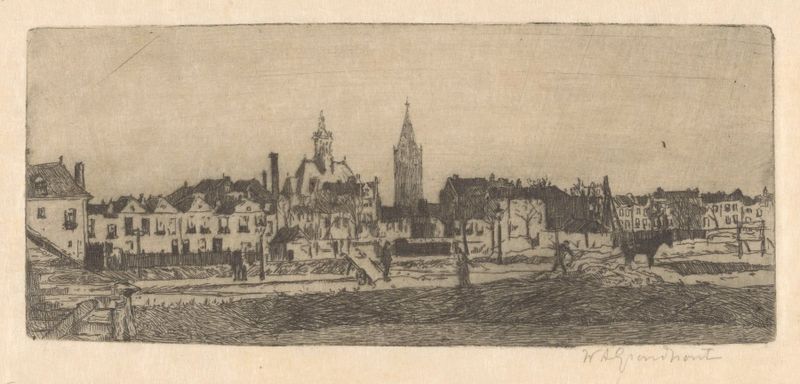
Delft
Willem Adrianus Grondhout





