
Rotterdam — History & Facts
Is this a mirror — or a memory? The reflection of a cityscape, both vibrant and melancholic, draws the viewer into a world where the past collides with the present, invoking feelings of betrayal and nostalgia. Look to the left at the bold strokes of cobalt blue that outline the buildings, cupping the scene in a protective embrace. Notice how the light spills into the alleys, casting long shadows that dance across the cobblestones, hinting at stories untold. The interplay of warm and cool tones creates a restless tension, evoking a sense of longing and loss, while the meticulous brushwork captures the essence of an urban environment caught between the allure of opportunity and the weight of history. Delve deeper into the intricate details: the solitary figure striding purposefully along the street, their face obscured, embodying the anonymous nature of urban life.
Are they leaving something behind or rushing toward an uncertain future? The juxtaposition of bustling streets with the stillness of the water reflects the duality of human experience, where moments of joy can quickly dissolve into sorrow. Willem Adrianus Grondhout painted Rotterdam during a period of significant change in the Netherlands, from 1888 to 1934. As the nation grappled with modernization and the effects of World War I, his work emerged amid a growing interest in capturing the spirit of urban life. This painting reflects not just a city, but the shifting identities of its inhabitants, caught in the throes of transformation and the bittersweet echoes of their past.
More Artworks by Willem Adrianus Grondhout
Browse all →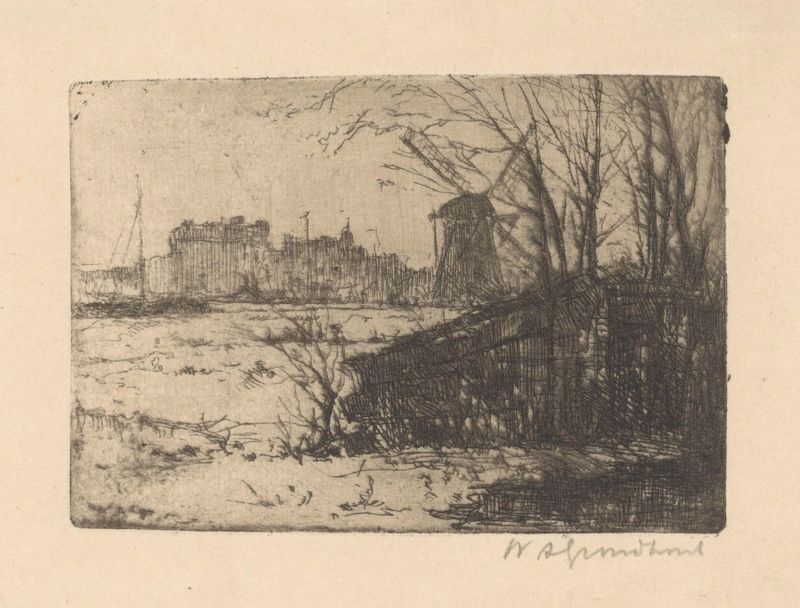
Landschap met molen in de Binckhorst in Den Haag
Willem Adrianus Grondhout
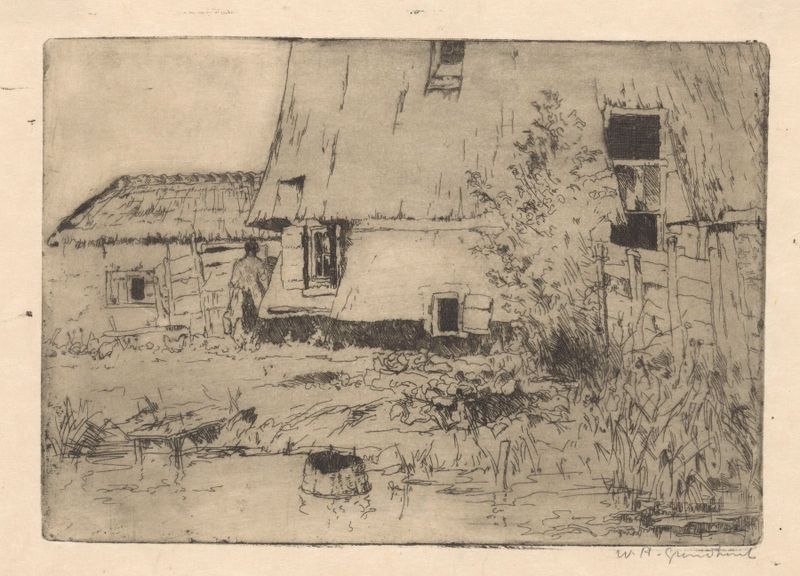
Voet van een molen in Voorburg
Willem Adrianus Grondhout
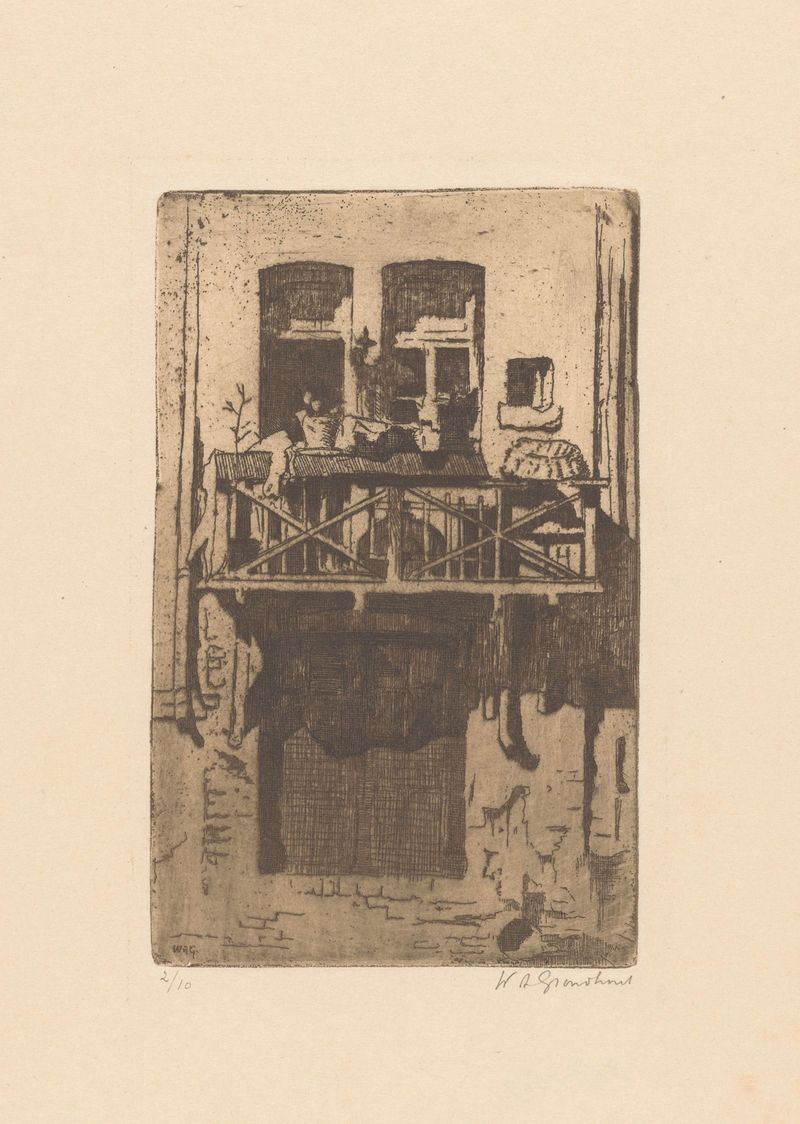
Balkon van een huis aan de Oudezijds Kolk in Amsterdam
Willem Adrianus Grondhout
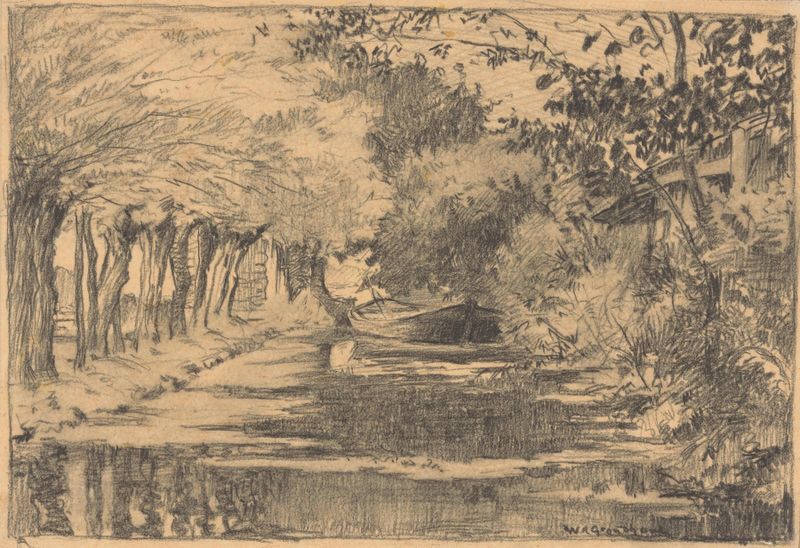
Broeksloot bij Voorburg
Willem Adrianus Grondhout
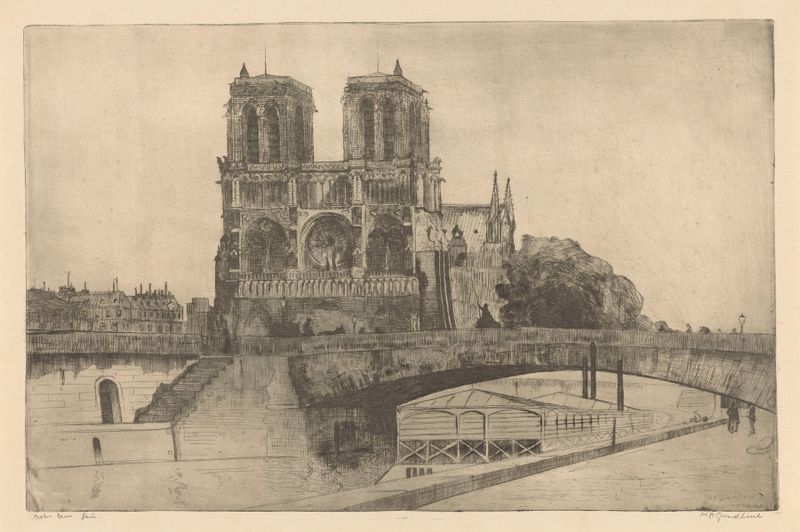
Notre-Dame, Paris
Willem Adrianus Grondhout
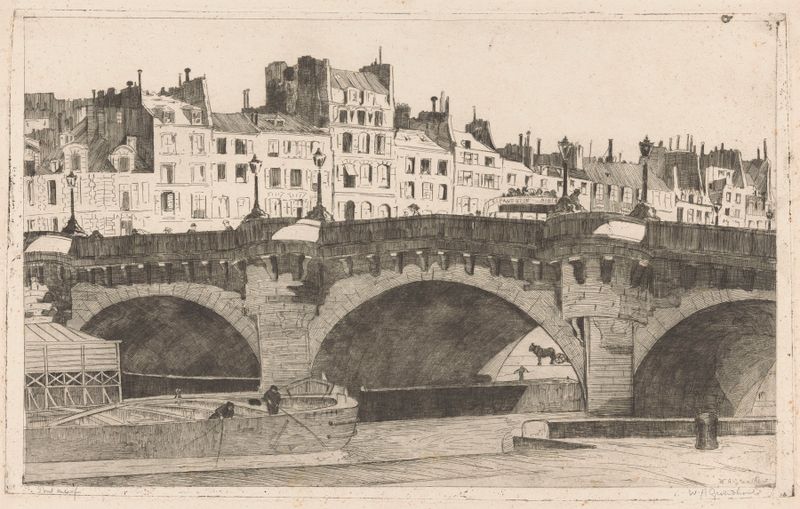
Pont Neuf
Willem Adrianus Grondhout
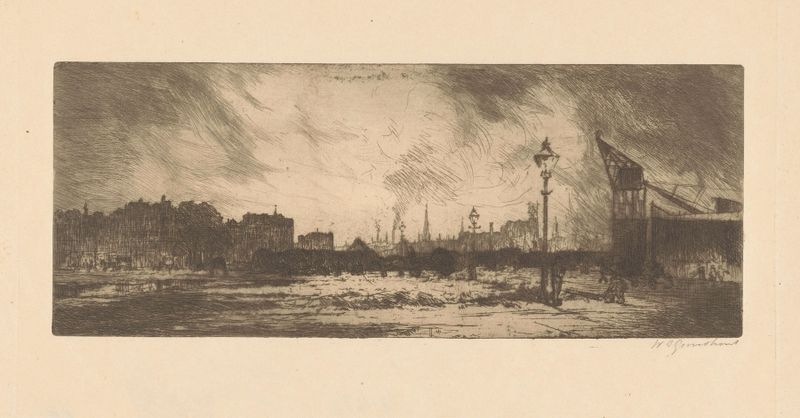
Havenkade met lantaarnpalen in Rotterdam
Willem Adrianus Grondhout
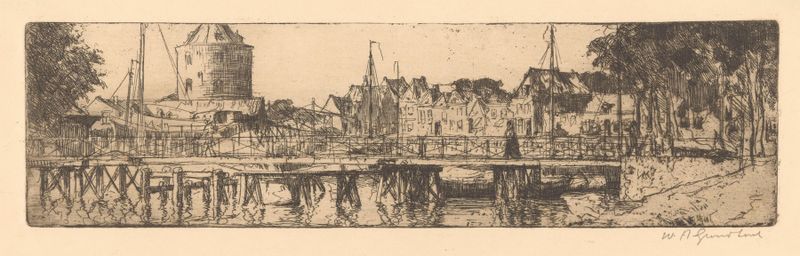
Enkhuizen
Willem Adrianus Grondhout
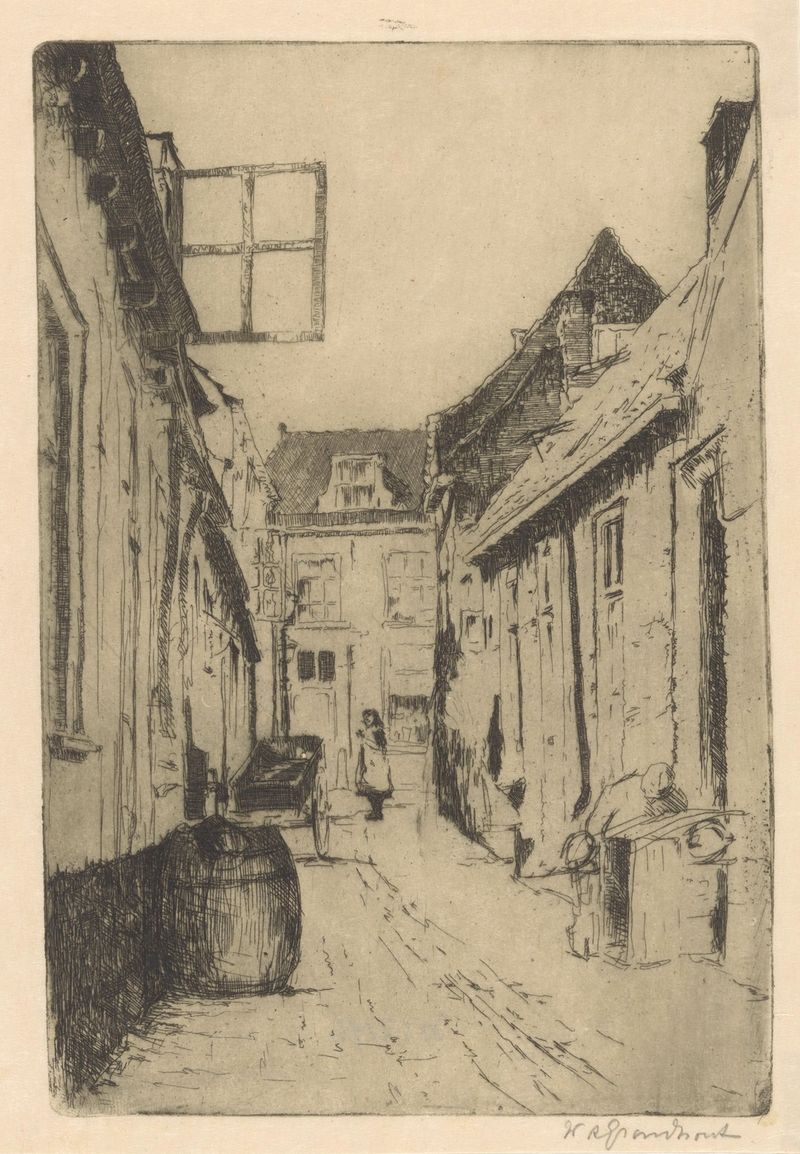
Straatje in Voorburg.
Willem Adrianus Grondhout
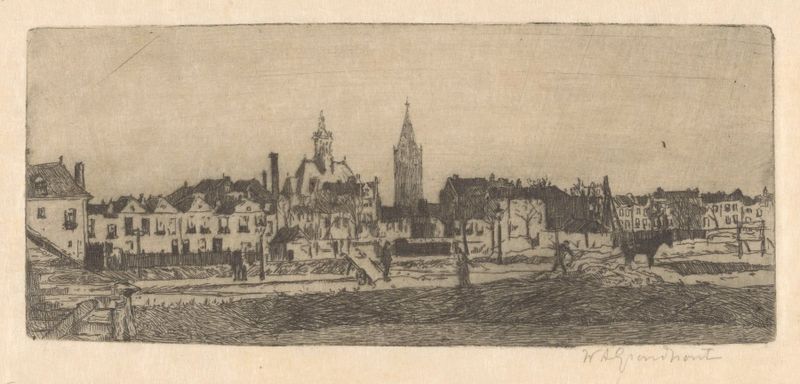
Delft
Willem Adrianus Grondhout





