
Rotterdam Ferry-Boat — History & Facts
Who listens when art speaks of silence? In the serene backdrop of Rotterdam Ferry-Boat, a haunting stillness envelops the canvas, inviting contemplation of absence and loss. Look to the left where the ferry boat, a vessel of transition, drifts delicately on the water’s surface. The soft, blurred strokes convey a sense of motion and yet, paradoxically, the immobility of the figures on board. Notice how the light shimmers through the mist, creating an ethereal quality that blurs the line between reality and memory.
The muted palette of blues and grays evokes a poignant, melancholic atmosphere, emphasizing the solitude that clings to the scene. The painting holds within it a tension between the vibrancy of life and the haunting specter of departure. The figures aboard the ferry, though represented with minimal detail, are imbued with a palpable sense of longing — perhaps for a place left behind or a future uncertain. The hazy horizon suggests an invitation to voyage yet symbolizes the weight of what has been lost, urging viewers to contemplate the narratives of transience and separation that reside in each brushstroke. In 1833, Turner painted Rotterdam Ferry-Boat amidst a period marked by personal upheaval and changing tides in the art world.
Straddling the line between Romanticism and Impressionism, his explorations of light and atmosphere reflected both his inner turmoil and the broader societal shifts of the Industrial Revolution. This work encapsulated his evolving vision, as he sought to convey not just landscapes but emotional landscapes — a legacy that would resonate far beyond his lifetime.
More Artworks by Joseph Mallord William Turner
Browse all →
Dort or Dordrecht- The Dort Packet-Boat from Rotterdam Becalmed
Joseph Mallord William Turner
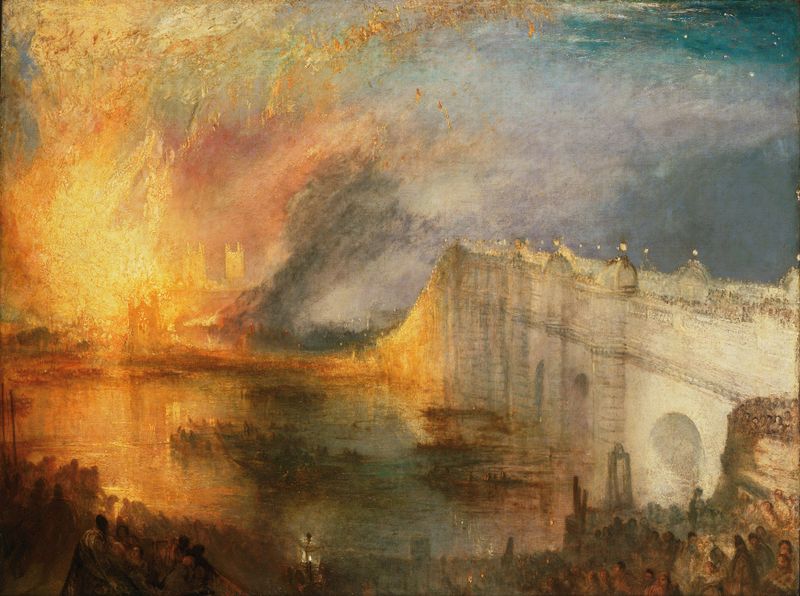
The Burning of the Houses of Lords and Commons, October 16, 1834
Joseph Mallord William Turner
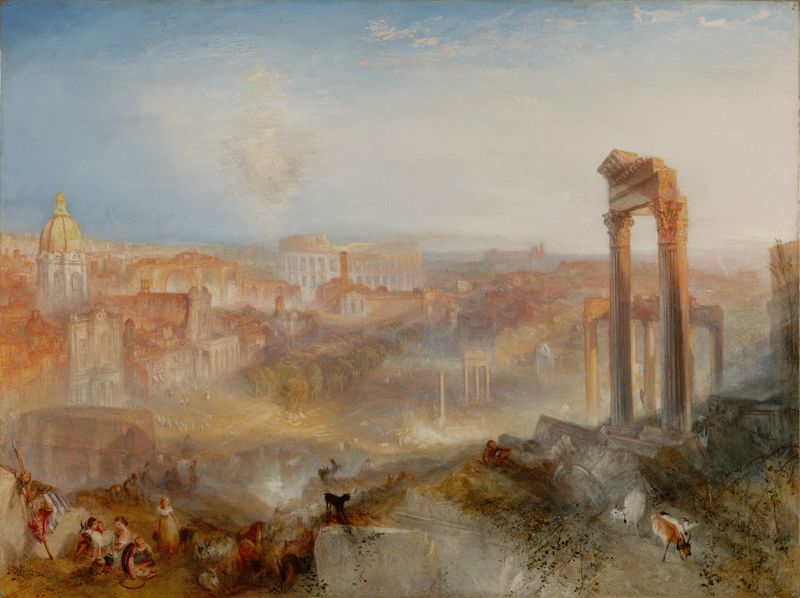
Modern Rome – Campo Vaccino
Joseph Mallord William Turner
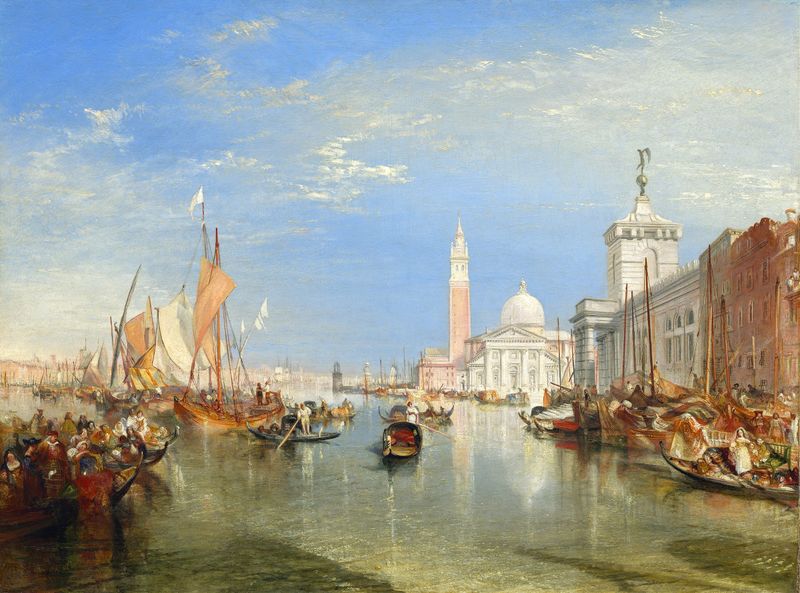
Venice – The Dogana and San Giorgio Maggiore
Joseph Mallord William Turner

The Burning of the Houses of Lords and Commons, 16 October 1834
Joseph Mallord William Turner
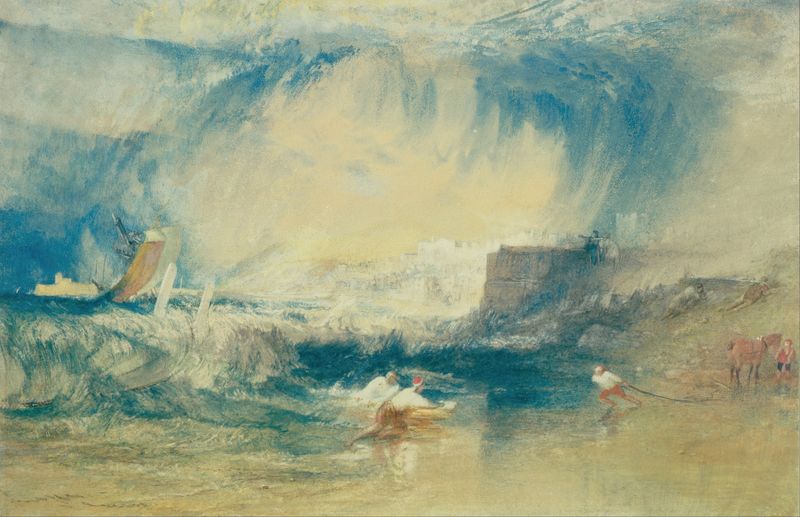
Lyme Regis, Dorsetshire, England
Joseph Mallord William Turner
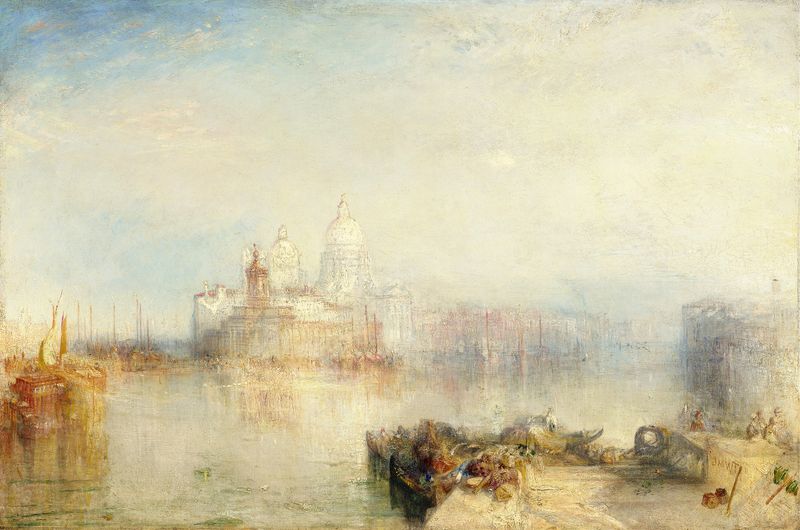
The Dogana and Santa Maria della Salute, Venice
Joseph Mallord William Turner
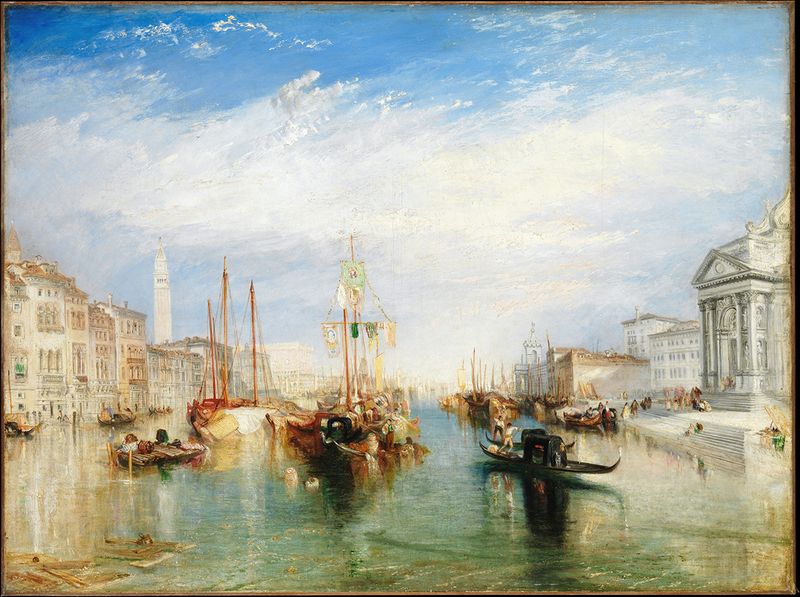
Venice, from the Porch of Madonna della Salute
Joseph Mallord William Turner
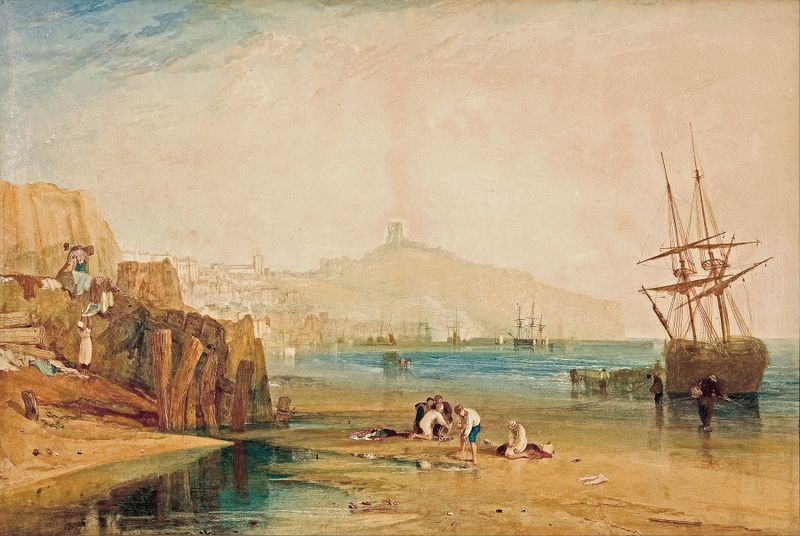
Scarborough town and castle; morning; boys catching crabs
Joseph Mallord William Turner
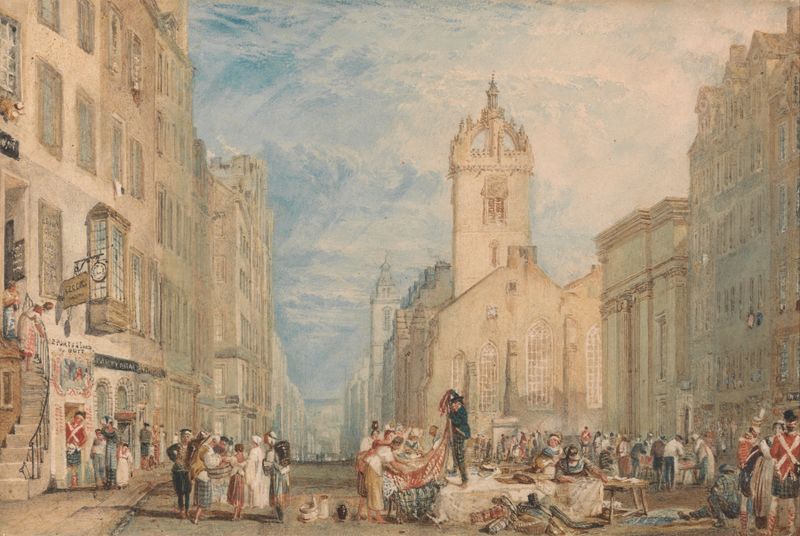
High Street, Edinburgh
Joseph Mallord William Turner




