
Rue Blainville — History & Facts
Is this a mirror — or a memory? In Rue Blainville, F. Séguin invites us to traverse the delicate line between the two, capturing the essence of a moment that feels both reverberantly present and hauntingly distant. Focus first on the left side of the canvas, where soft hues of lavender and muted greens establish a serene backdrop. The pathway stretches out, lined with trees that arch gracefully overhead, their dappled shadows playing across the cobblestone street.
Notice how the light filters through the leaves, guiding your gaze toward a distant figure, a lone person walking with a hint of purpose, yet cloaked in anonymity. This juxtaposition of vibrant colors against the muted backdrop creates a harmonious balance, inviting contemplation of both the journey and the solitude that accompanies it. As you immerse yourself in the painting, small details emerge: the texture of the cobblestones, the wisps of breeze suggested by the slight tilt of the figure's coat, and the way the light captures the scene in gentle strokes. These elements evoke a sense of nostalgia, weaving a narrative of introspection and remembrance.
The balance of light and shadow suggests the duality of existence—between the vibrancy of life and the quiet stillness of reflection, urging viewers to consider their own memories and the paths they traverse. Created in 1895, this work reflects F. Séguin’s exploration of urban landscapes during a period of transition in art. Living in Paris at the time, he was part of a vibrant art scene that embraced Impressionism and Post-Impressionism.
The city was buzzing with new ideas and expressions, and Séguin's mastery of capturing light and emotion in his work signified a meaningful contribution to the evolving narrative of modern art.
More Artworks by F. Séguin
Browse all →
Rue Brantôme. (anciennement rue des Petits Champs donnant rue Saint Martin et rue Beaubourg)
F. Séguin
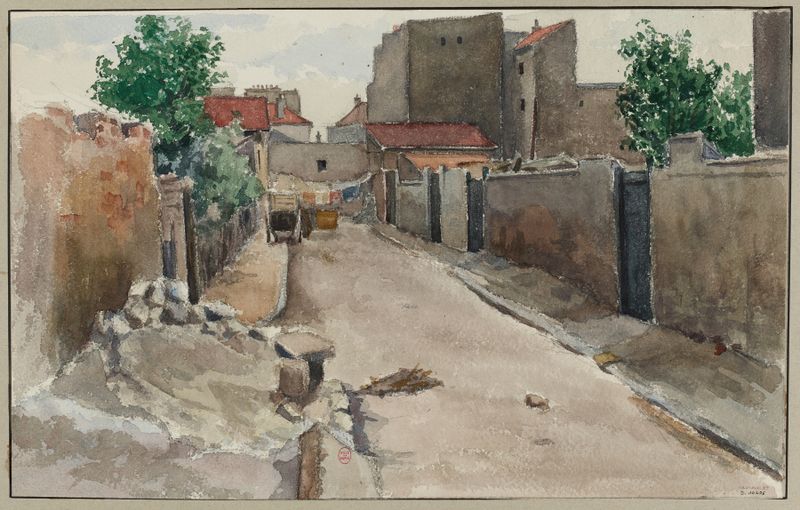
La rue de Chambéry, prise de la rue de Nice la Frontière
F. Séguin
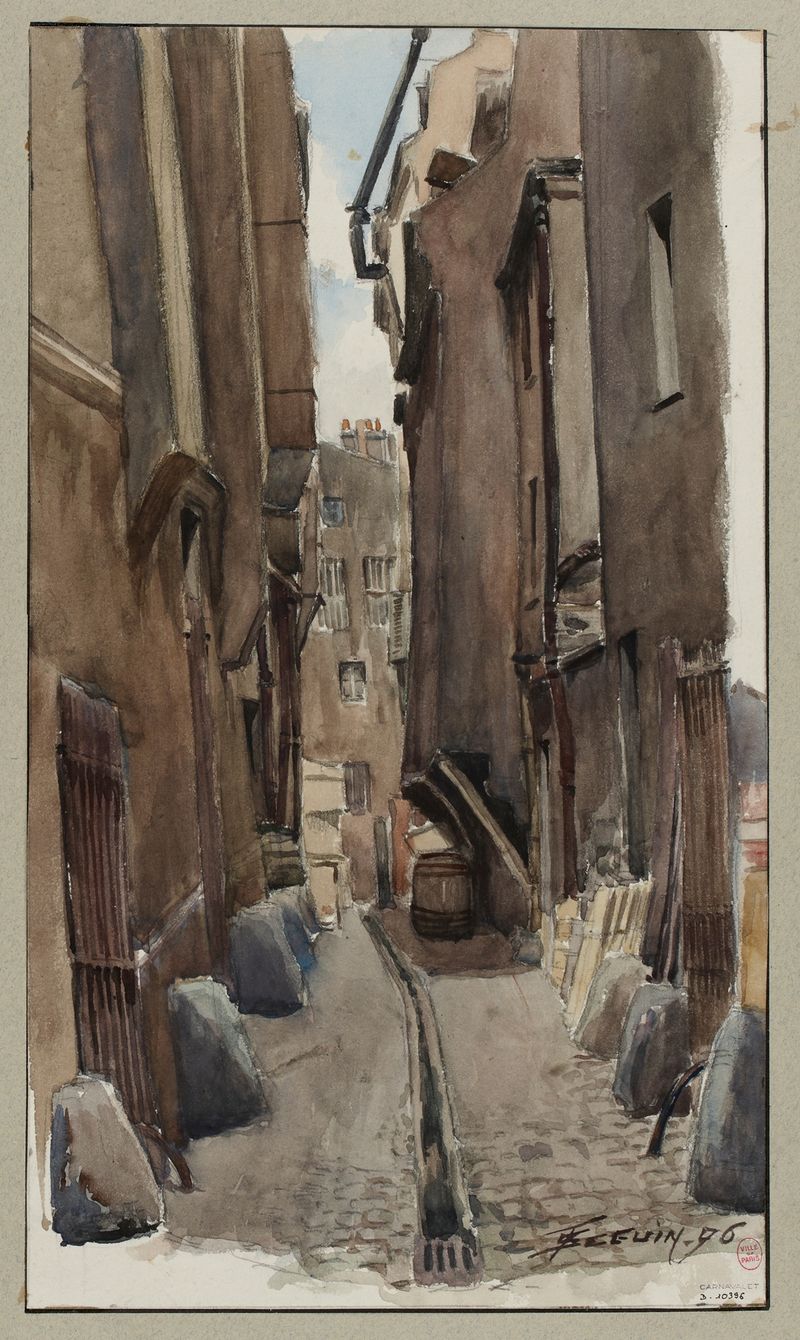
Le Cul de sac du Bœuf, (rue Saint Merri)
F. Séguin

Rue Descartes
F. Séguin
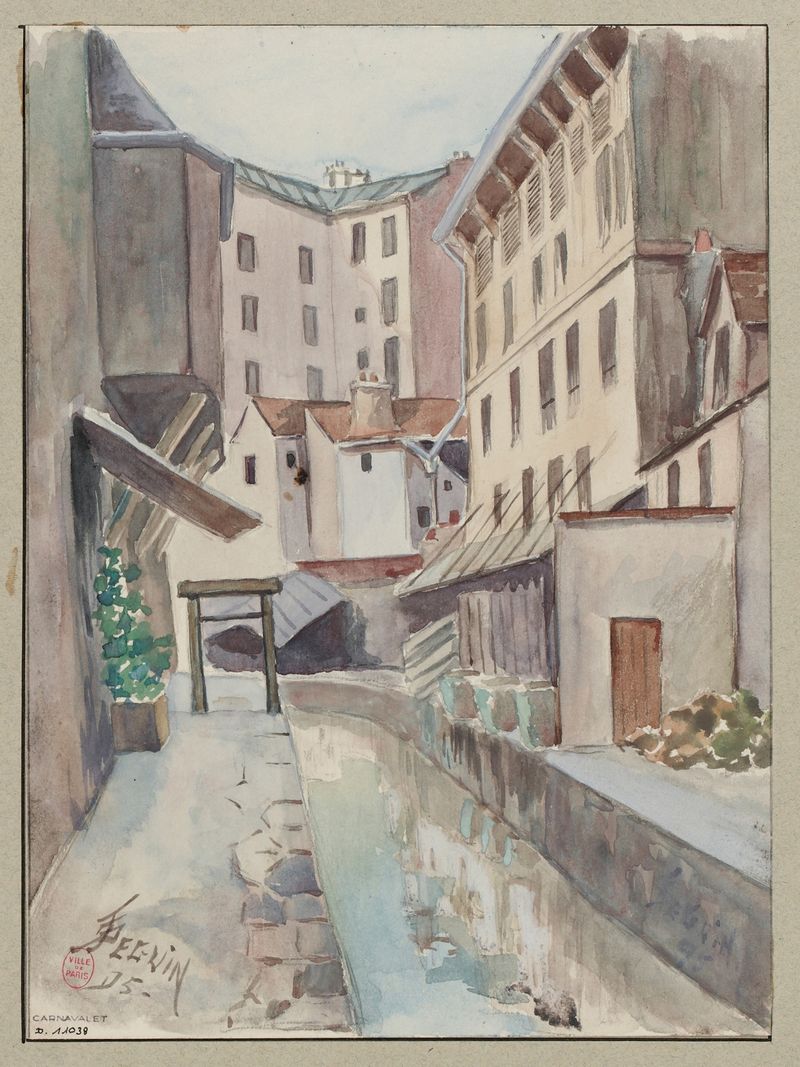
Le bord de la Bièvre à l’avenue des Gobelins
F. Séguin

Villa des Otages mur où furent fusillés les 52 derniers otages de la Commune, rue Haxo
F. Séguin
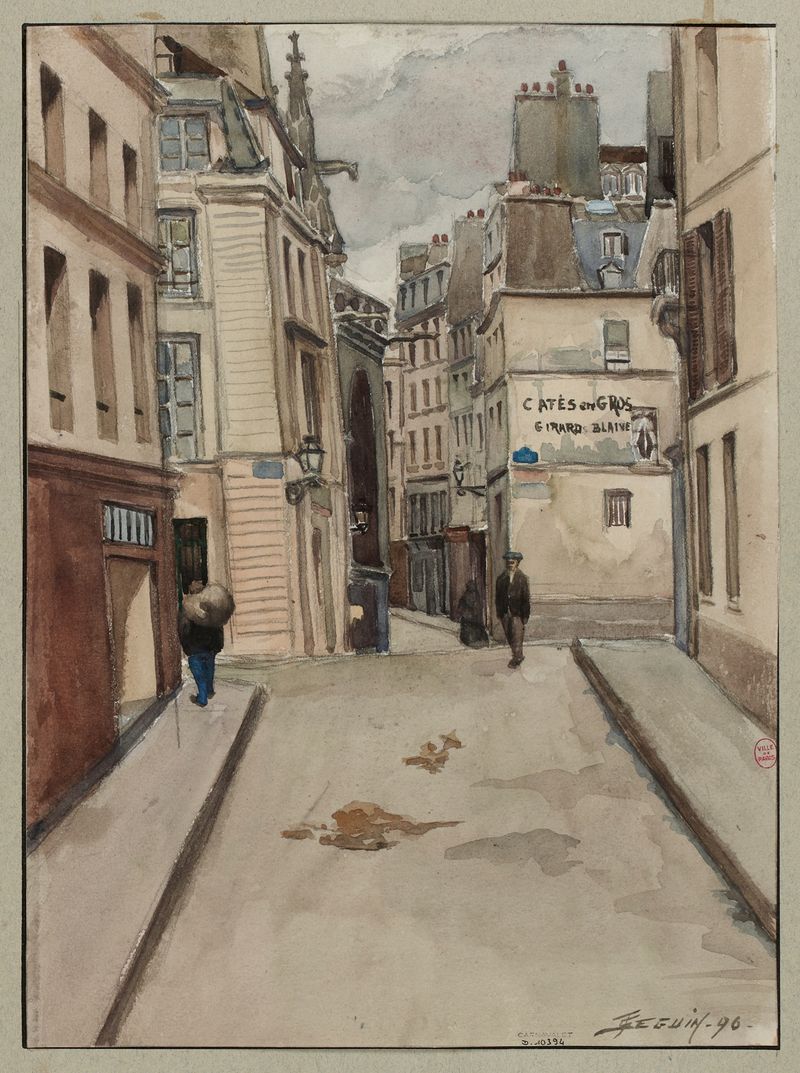
Rue du Cloître Saint Mérry, de la rue du Renard à la rue Saint Martin
F. Séguin
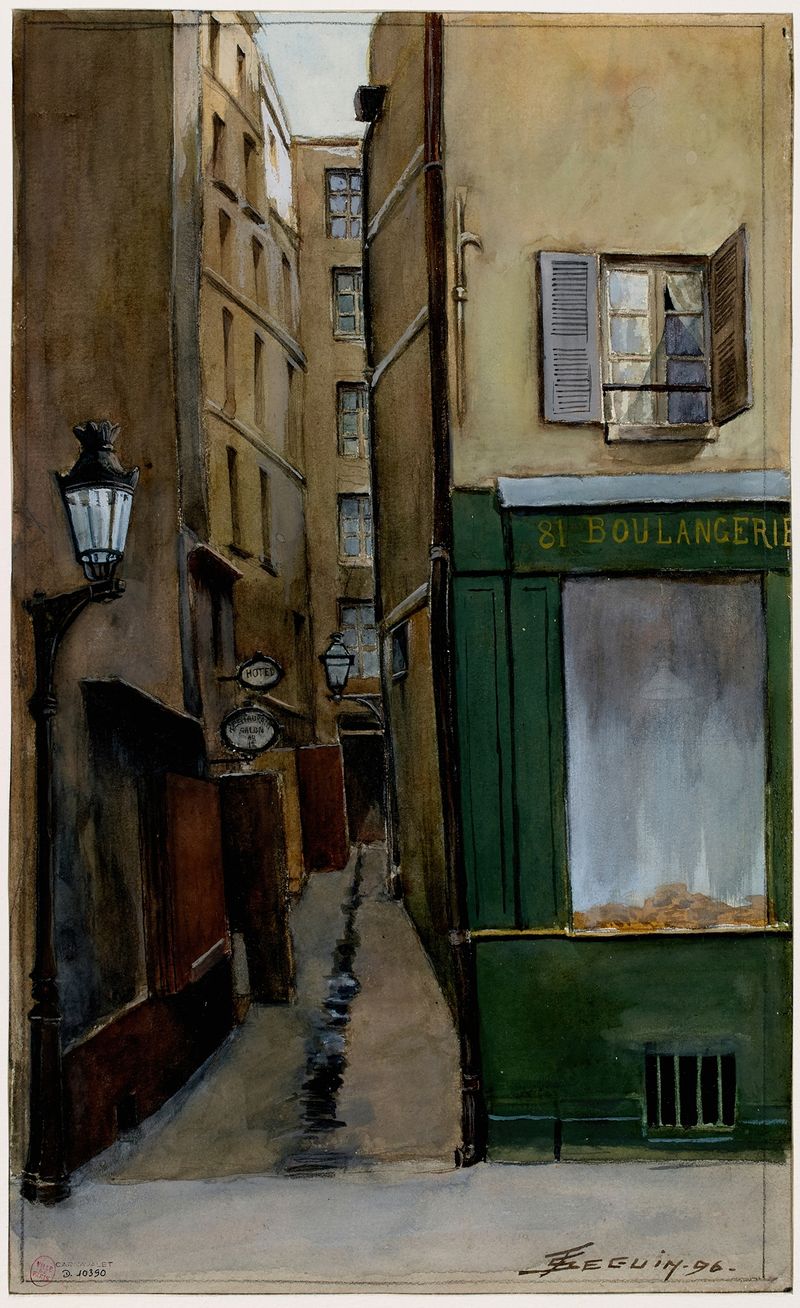
Cul de sac du Fiacre, 81 rue Saint Martin
F. Séguin
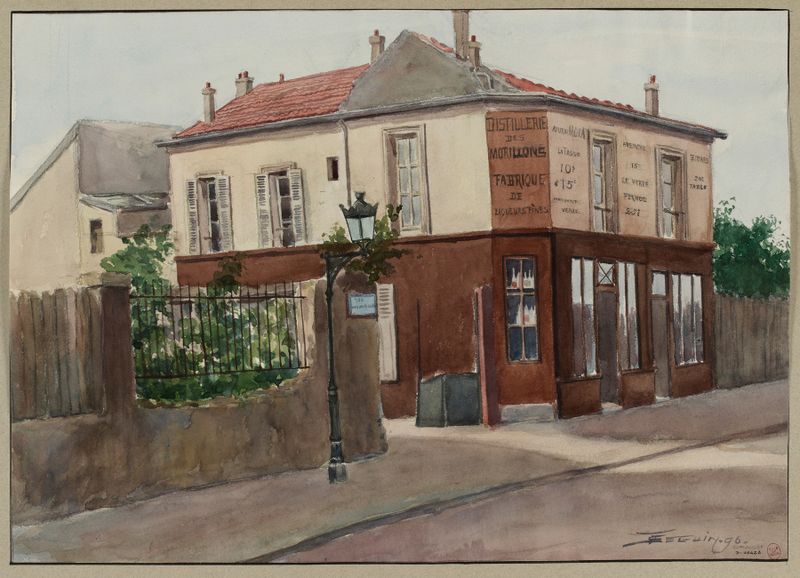
Angle de l’impasse Carlier et au 24 rue des Morillons, Vaugirard
F. Séguin
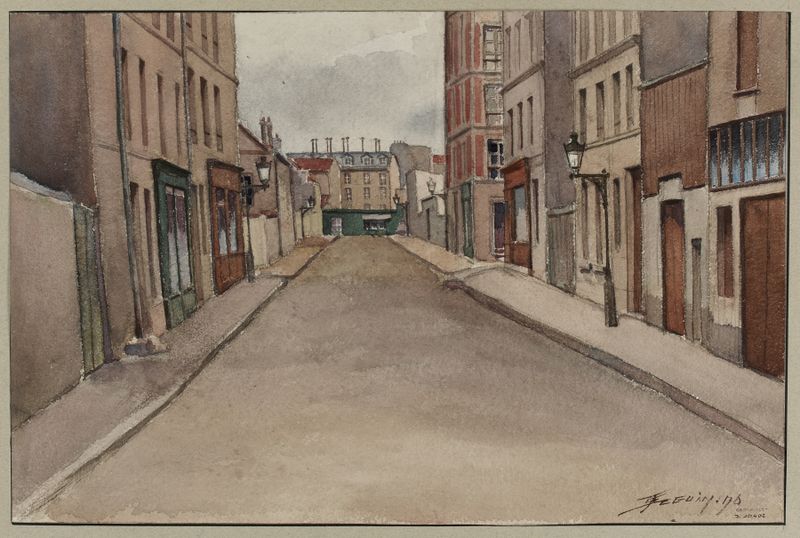
Rue Franquet
F. Séguin





