Rue à Bormes — History & Facts
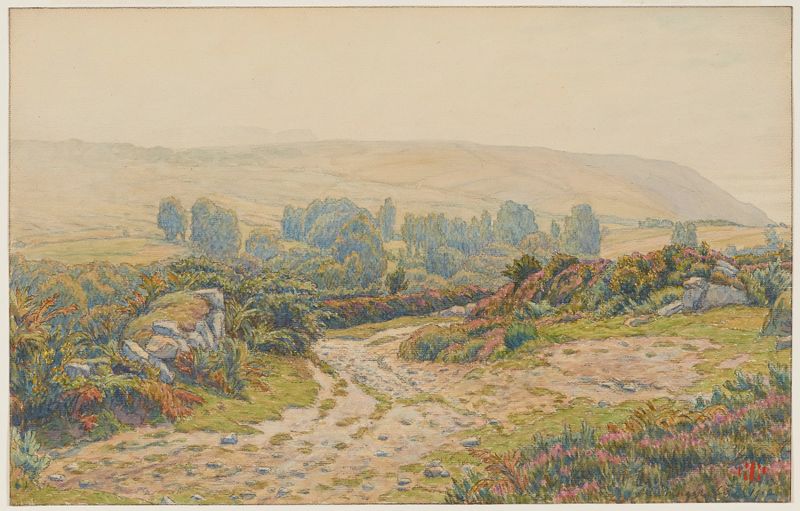
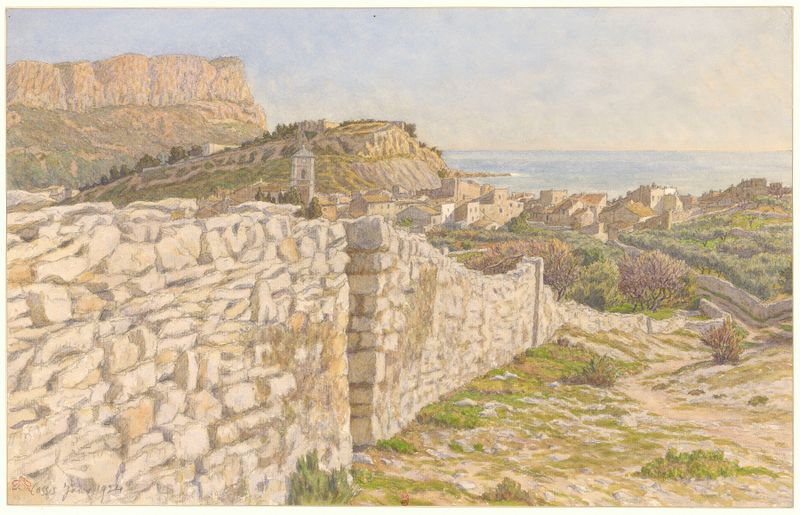
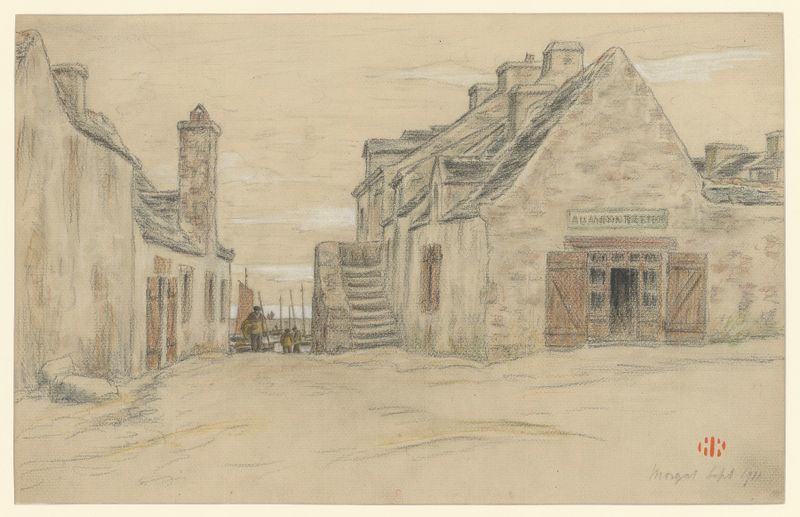
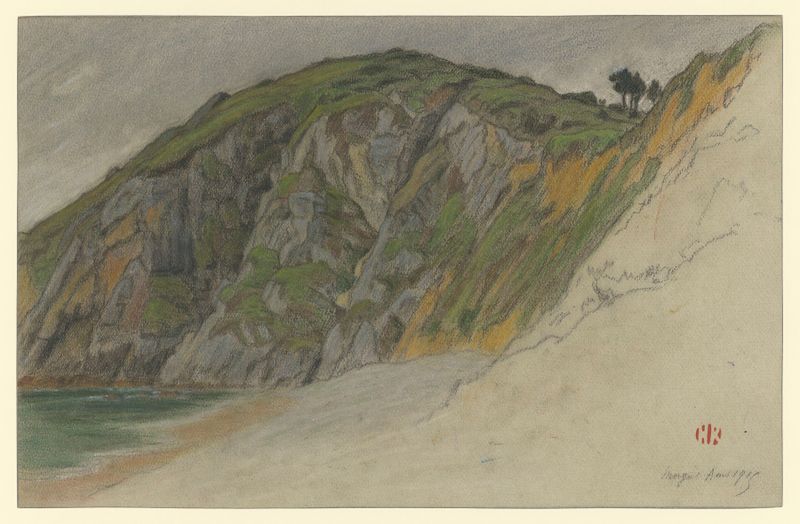
In Rue à Bormes, the delicate interplay of light and shadow whispers of a simpler time, yet hints at an underlying decay. In the quiet streets of Bormes, where cobblestones meet crumbling walls, beauty and neglect dance together in a poignant embrace, urging the viewer to look deeper. Focus on the serene curve of the pathway, leading the eye toward the distant horizon. Notice how the warm ochres and soft blues coalesce, creating a dreamlike atmosphere that simultaneously feels inviting and melancholic.
The brushstrokes are fluent yet deliberate, embodying a sense of nostalgia. The play of light filtering through the leaves above casts dappled patterns on the ground, evoking a fleeting moment suspended in time. Beneath the enchanting facade, a contrast emerges between vibrancy and decay. The crumbling textures of the wall speak of history and the impermanence of beauty, while the vibrant greens and blues signify life’s persistence in the face of neglect.
This duality invites contemplation on the nature of existence: the interdependence of beauty and decay, and how moments of joy often arise from life's transient and fragile moments. Henri Rivière painted Rue à Bormes in 1925, during a period marked by his exploration of Impressionism and a growing fascination with the landscapes of southern France. At this time, he was seeking solace from the chaos of modern life, finding inspiration in the simplicity of rural scenes. His works from this era reflect a turning inward, capturing the beauty of fleeting moments while subtly acknowledging the passage of time.