
Rue Brancion — History & Facts
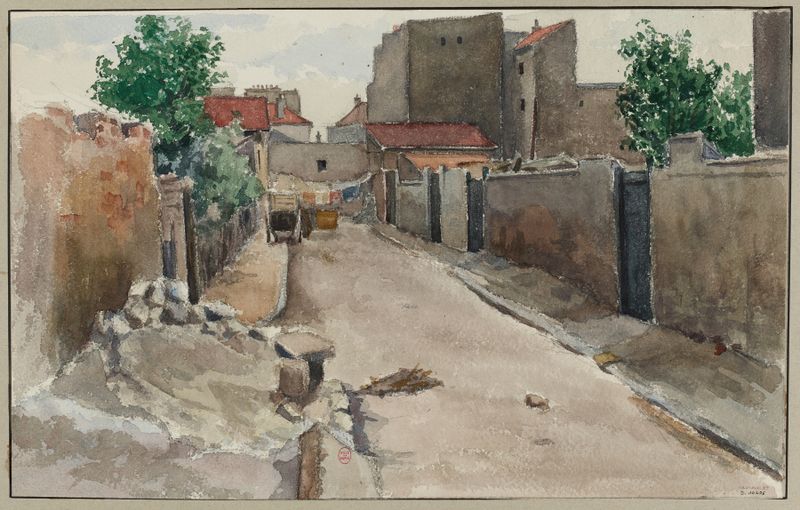
What secret hides in the quiet of the canvas? In the stillness of Rue Brancion, a world unfolds that speaks not just of place, but of profound loneliness. Look to the left, where the cobblestone path meanders into the distance beneath a muted sky. The soft hues of gray and ochre envelop the scene, casting an air of melancholy that seems to linger like a ghost. Notice the way the light filters through the trees, dappling the ground with fleeting moments of brightness, hinting at a lightness that contrasts with the heavy stillness of the surroundings.
The solitary figure walking away draws your eye, their posture suggesting both resolution and retreat. Tension resides in the interplay of shadow and light, embodying the universal experience of solitude. The empty streets resonate with an echo of unspoken stories, while the distant rooftops loom like watchful guardians, indifferent to the figure's journey. Each brushstroke weaves a narrative of isolation, yet there is also an invitation to reflect on the beauty found in stillness — a poignant reminder of the delicate balance between presence and absence. In 1896, F.
Séguin was deeply engaged with the Impressionist movement, painting in Paris where the bustling life of the city began to radically change. This period marked a rising prominence of urban themes in art, as artists sought to capture the nuances of modern life. The painter's exploration of quiet moments amid the chaos reveals a personal quest for connection in an increasingly isolating world.
More Artworks by F. Séguin
Browse all →
Rue Brantôme. (anciennement rue des Petits Champs donnant rue Saint Martin et rue Beaubourg)
F. Séguin
La rue de Chambéry, prise de la rue de Nice la Frontière
F. Séguin
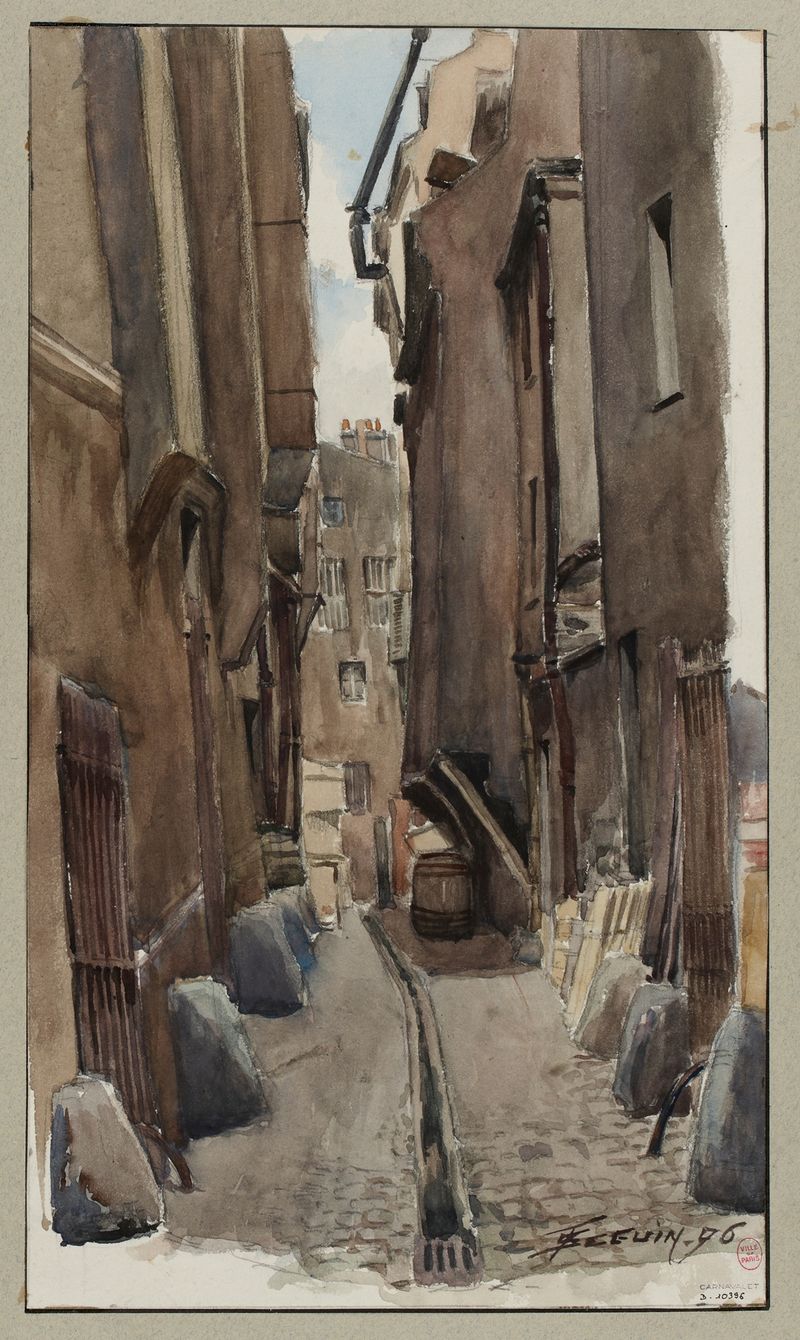
Le Cul de sac du Bœuf, (rue Saint Merri)
F. Séguin

Rue Descartes
F. Séguin
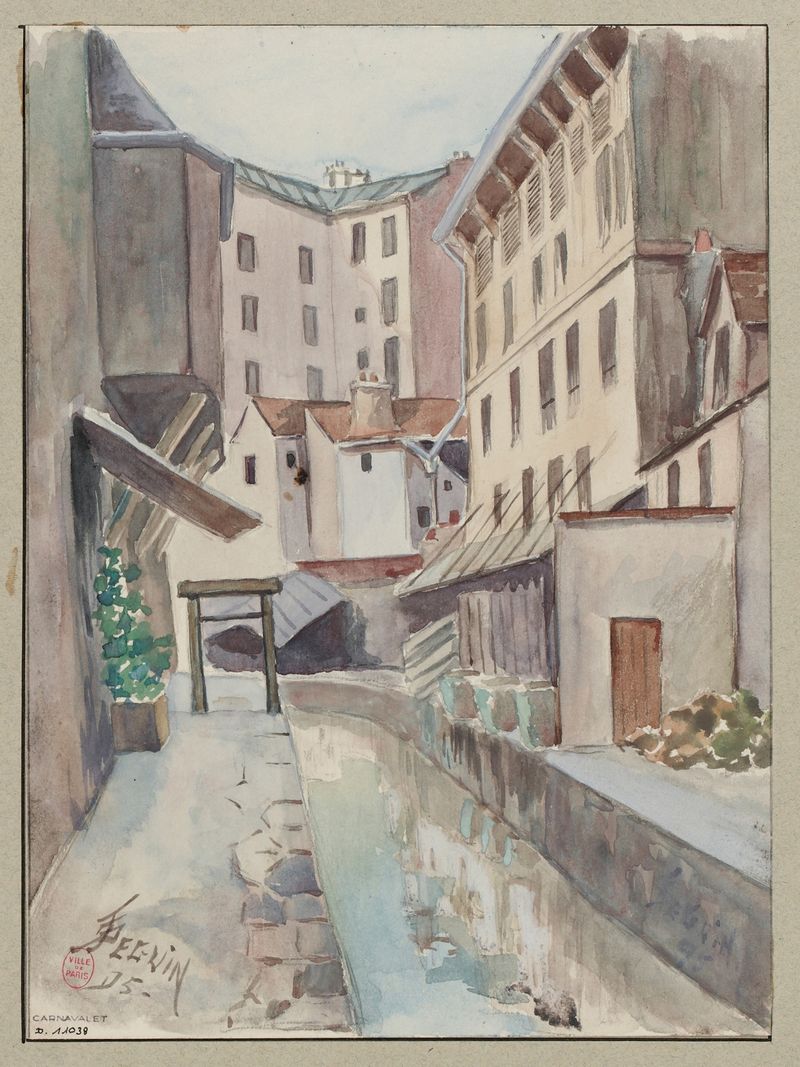
Le bord de la Bièvre à l’avenue des Gobelins
F. Séguin

Villa des Otages mur où furent fusillés les 52 derniers otages de la Commune, rue Haxo
F. Séguin
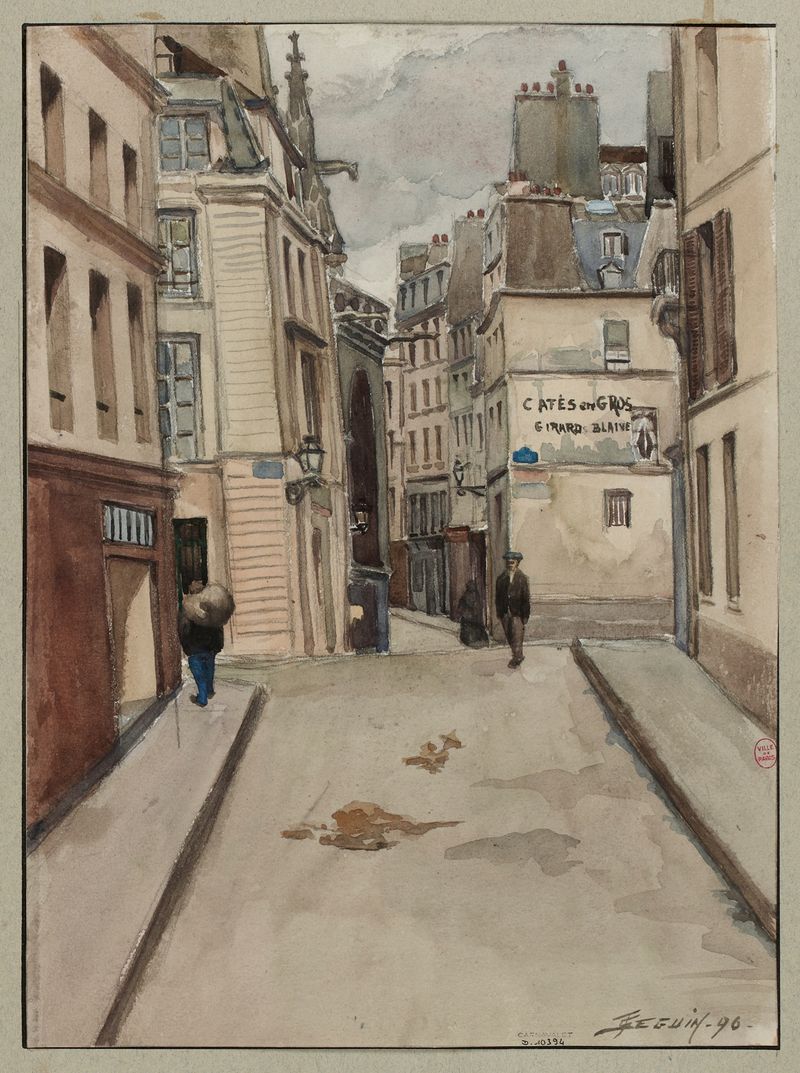
Rue du Cloître Saint Mérry, de la rue du Renard à la rue Saint Martin
F. Séguin
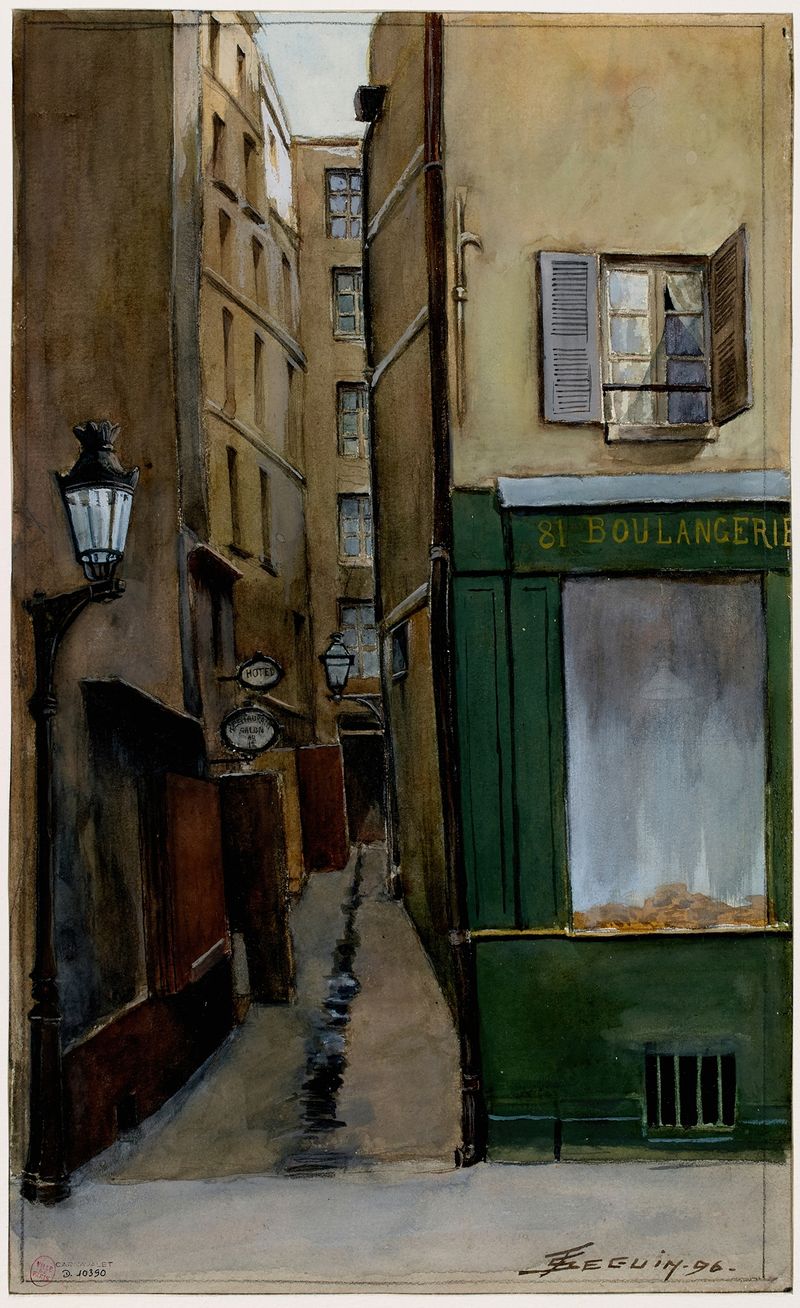
Cul de sac du Fiacre, 81 rue Saint Martin
F. Séguin
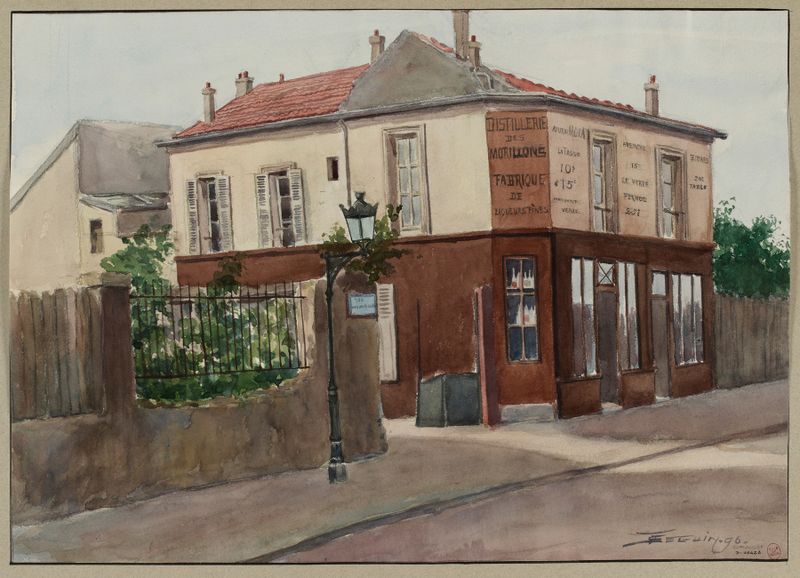
Angle de l’impasse Carlier et au 24 rue des Morillons, Vaugirard
F. Séguin
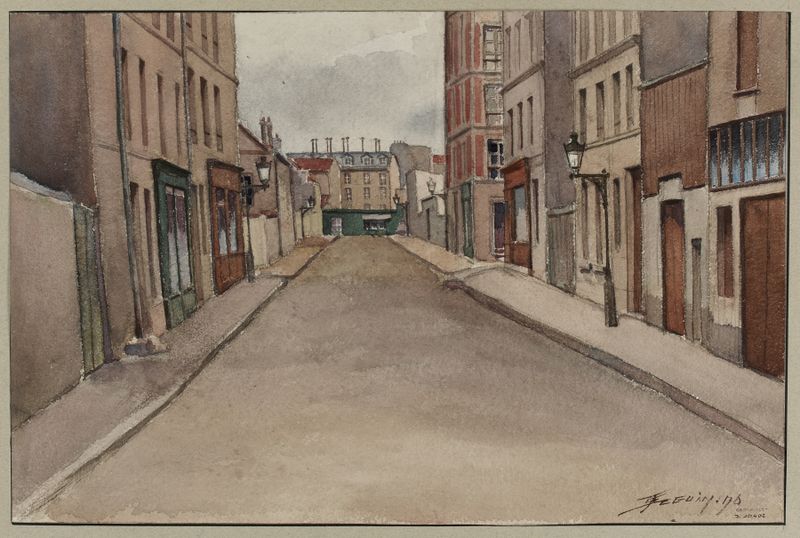
Rue Franquet
F. Séguin





