
Rue Chanzy et rue Saint-Bernard — History & Facts
What if beauty was never meant to be finished? In the quiet embrace of 1927, a city murmurs both past and future, suspended in a moment that transcends time itself. Focus your gaze on the sweeping lines of the architecture that rise and curve across the canvas. The buildings, rendered in a palette of muted earth tones and delicate pastels, create a harmonious dialogue with the sky, which shimmers in soft shades of blue and white. Notice how the light dances across the facades, illuminating intricate details that beckon exploration: ornate balconies, subtle shadows, and the gentle textures of the cobblestones below.
Each brushstroke invites you deeper into this urban scene, where stillness meets the pulse of life. Upon closer inspection, a sense of contrast emerges—between the sharp lines of modernity and the soft, almost ethereal quality of the light. This interplay suggests a tension between the tangible and the ephemeral; the structures stand resolute, while the atmosphere hints at the fleeting nature of existence. The way the sunlight bathes the streets evokes a sense of nostalgia, inviting reflections on the passage of time, while the distant figures hint at the stories left unsaid, caught in the stillness of the moment. Ferdinand Boberg created Rue Chanzy et rue Saint-Bernard during a time of significant change in Paris, a city at the forefront of art and innovation.
The late 1920s were marked by a blending of modernism and traditional styles, a reflection of both the social transformations post-World War I and the rise of new artistic movements. In this context, Boberg's work represents not only a visual exploration of the urban landscape but also an intimate dialogue with the ever-evolving nature of beauty and existence.
More Artworks by Ferdinand Boberg
Browse all →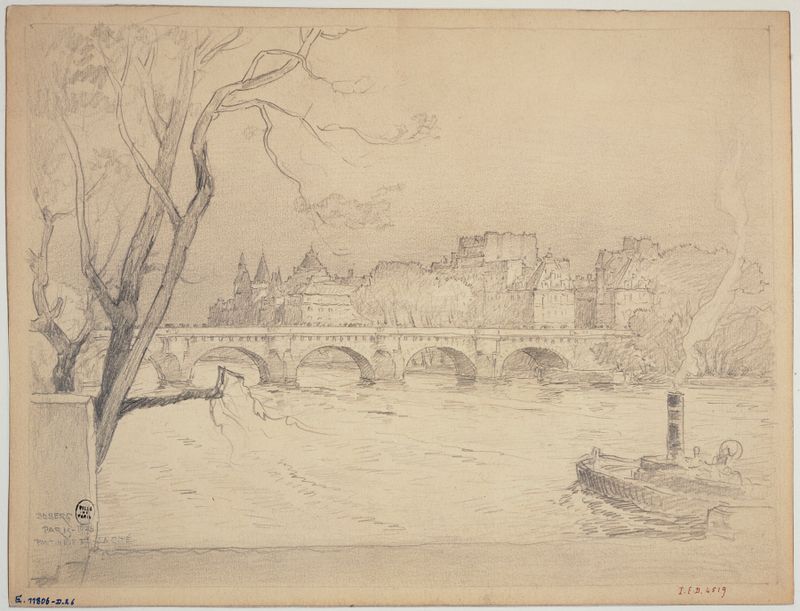
Le Pont-Neuf et la Cité
Ferdinand Boberg
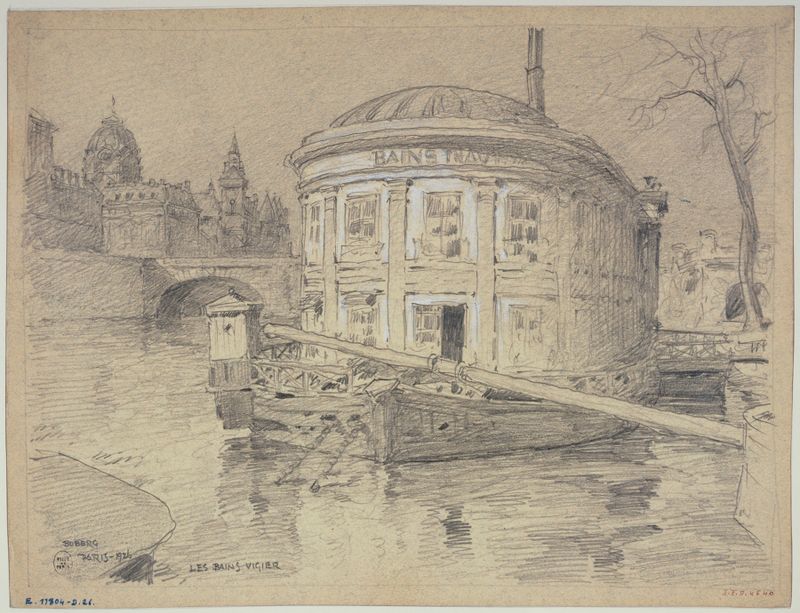
Les bains Vigier au Pont-Neuf
Ferdinand Boberg
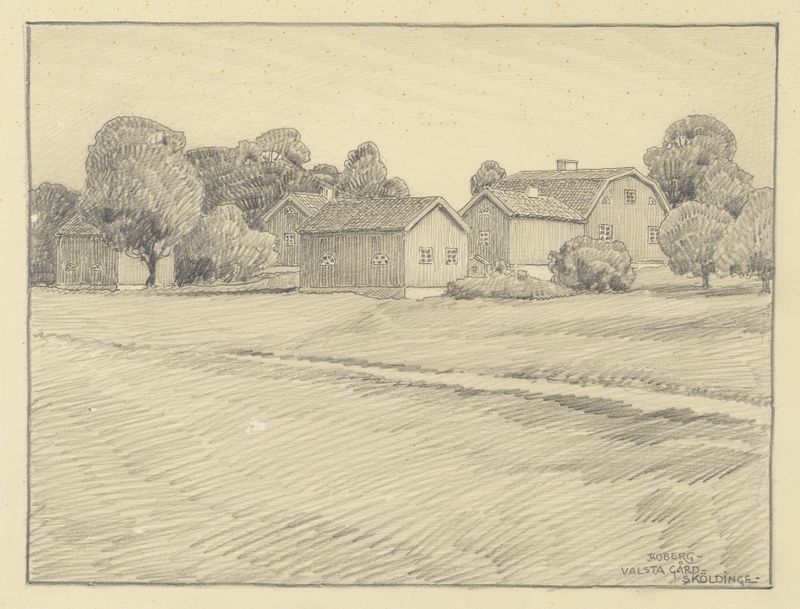
Valsta Gård
Ferdinand Boberg
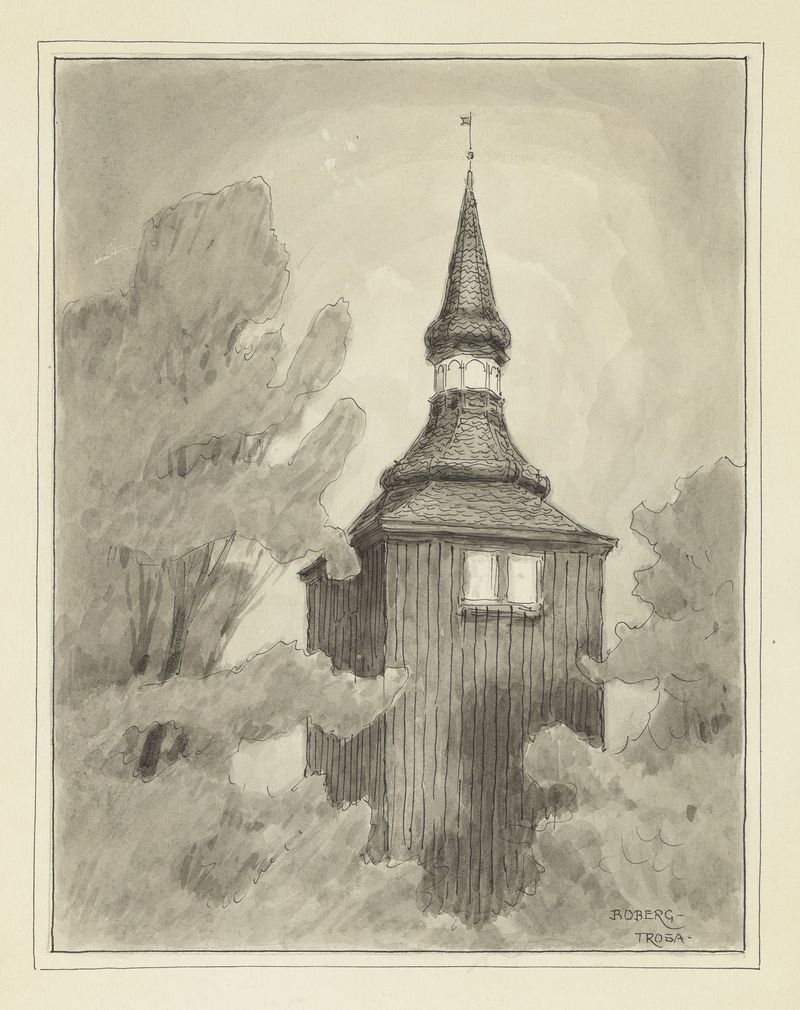
Trosa
Ferdinand Boberg
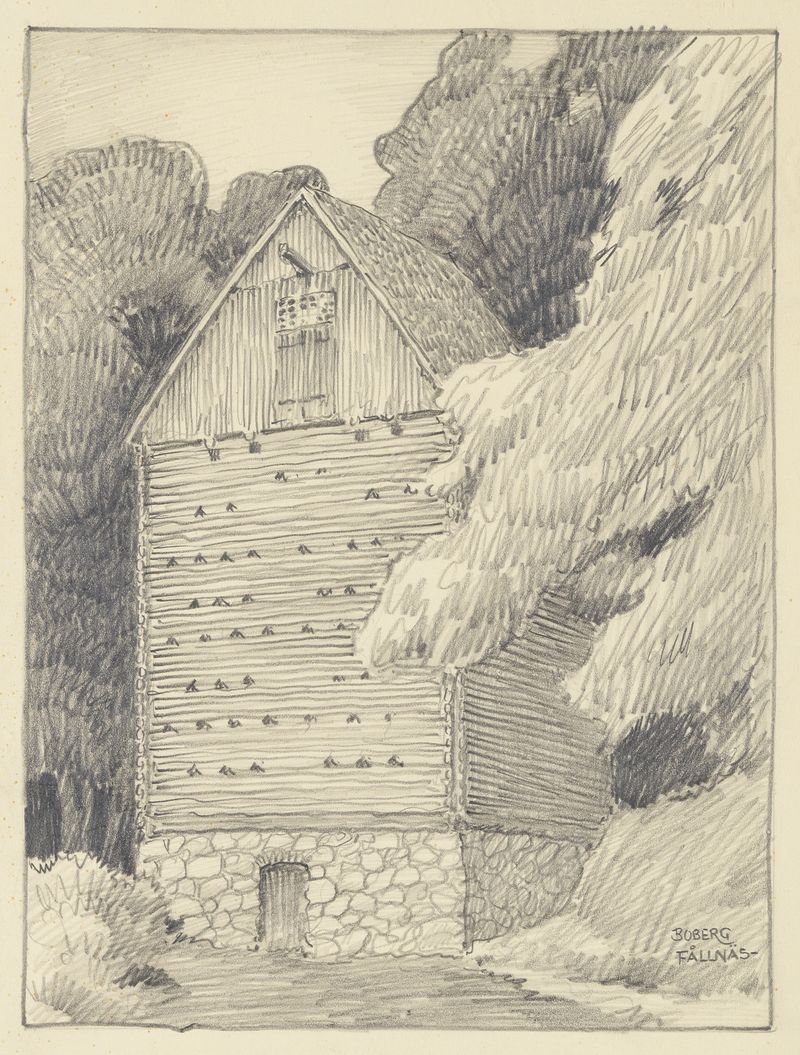
Fållnäs
Ferdinand Boberg
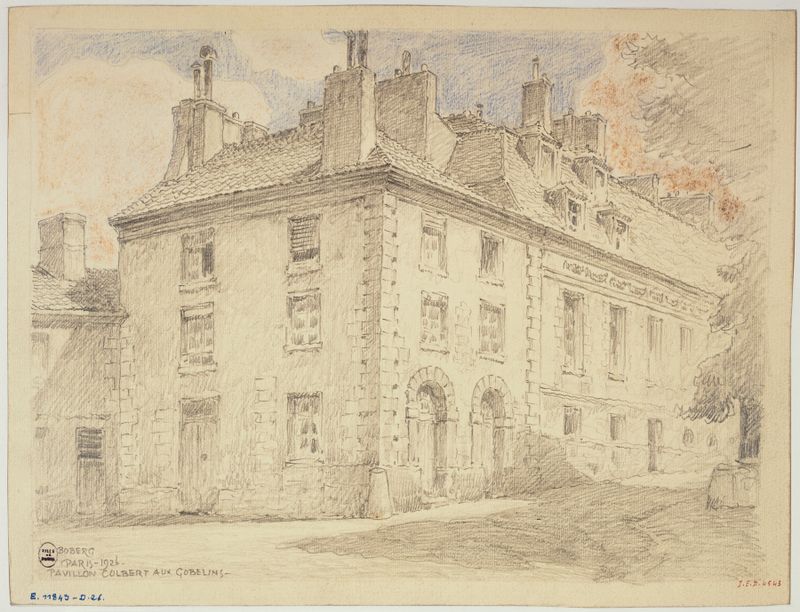
Le pavillon Colbert aux Gobelins
Ferdinand Boberg
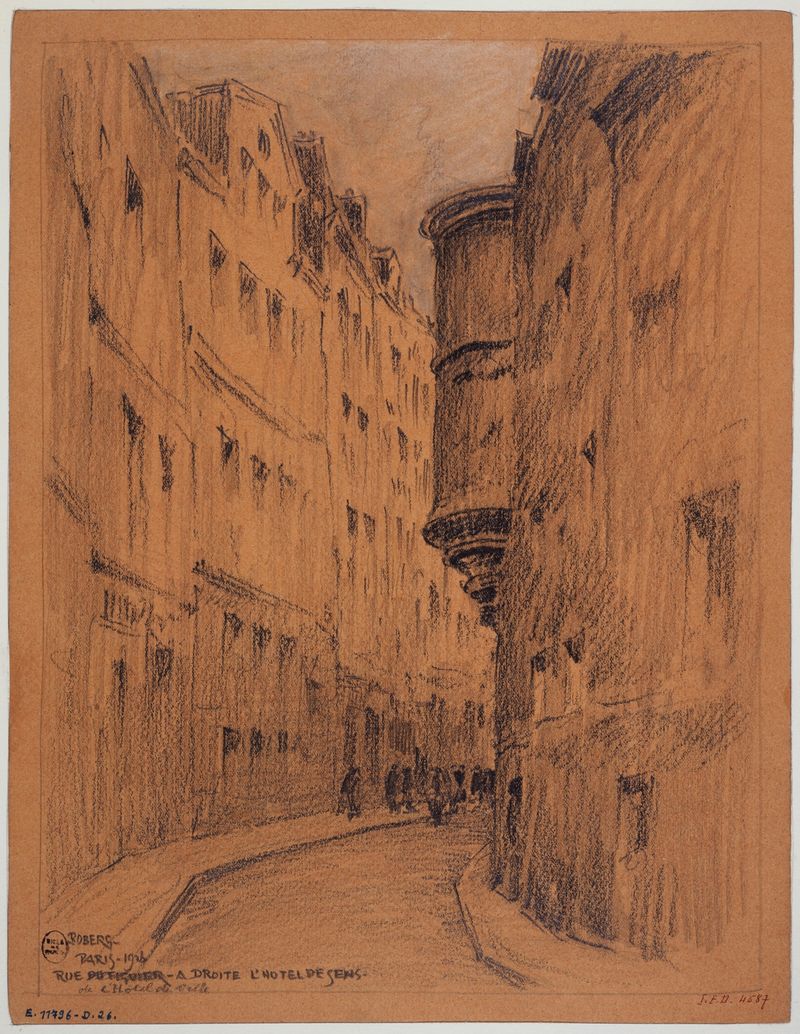
Rue de l’Hôtel de Ville; l’hôtel de Sens
Ferdinand Boberg
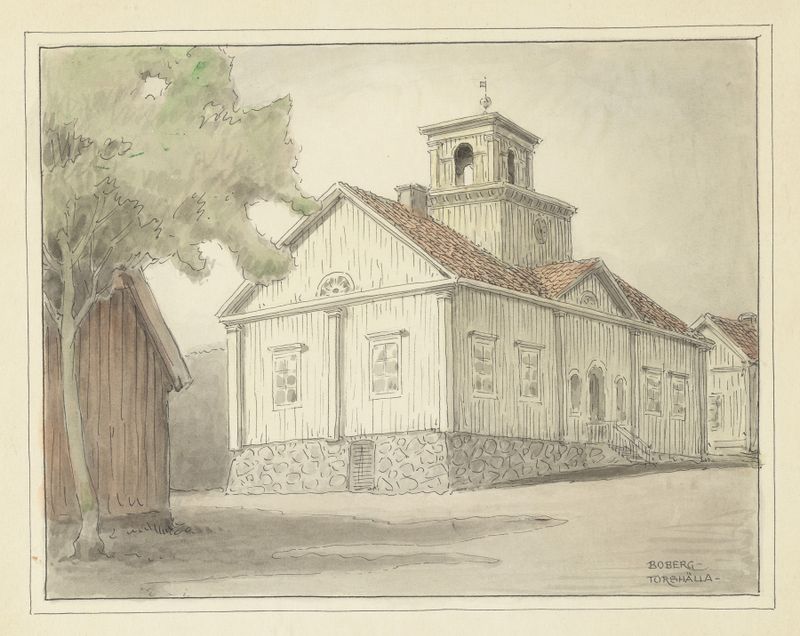
Torshälla
Ferdinand Boberg
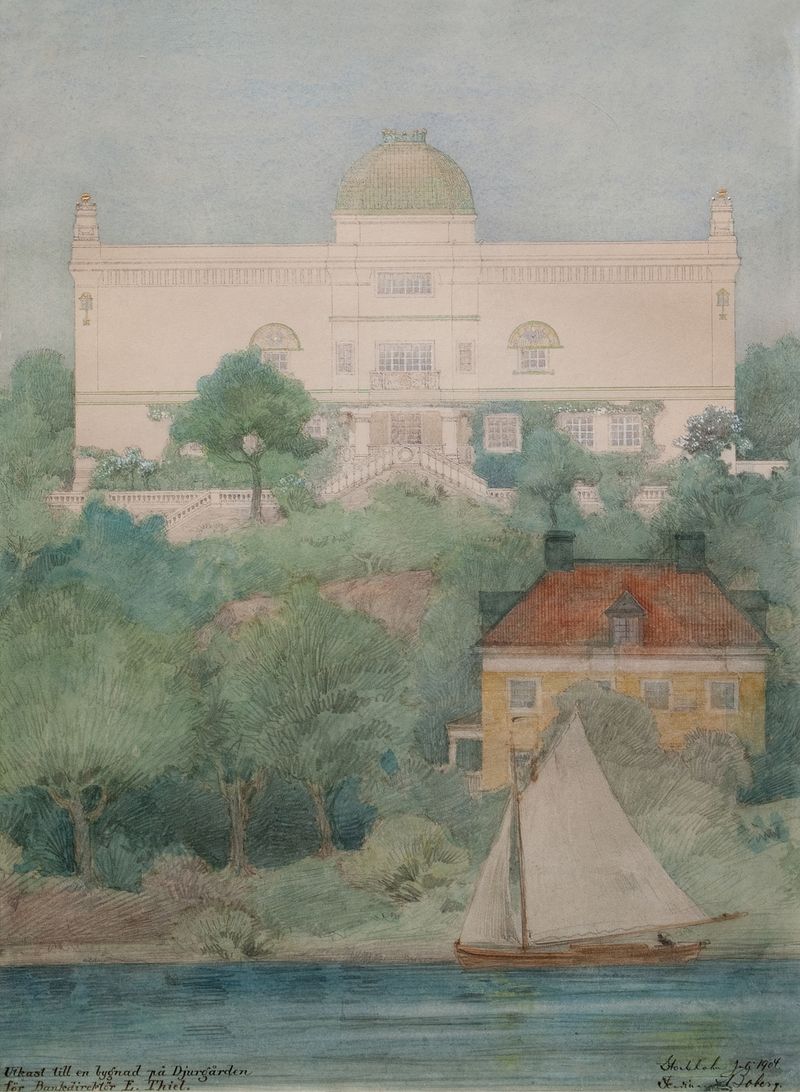
Sketch for a building for Thiel’s Gallery
Ferdinand Boberg
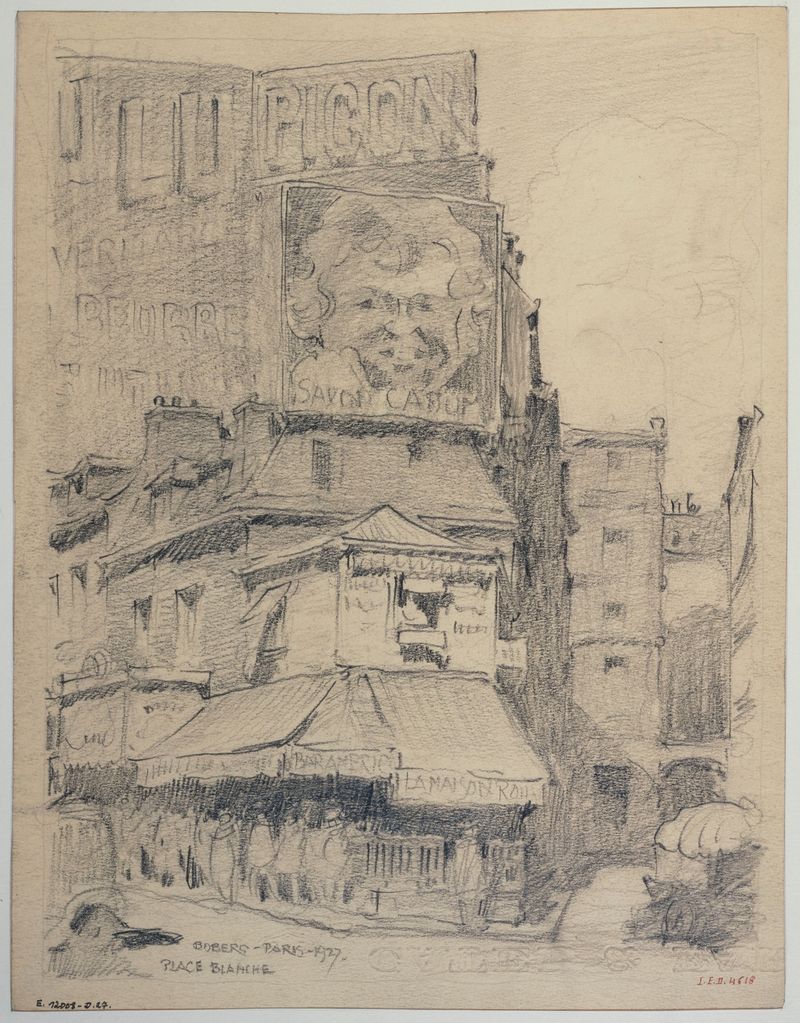
La place Blanche
Ferdinand Boberg





