
Rue Cortot, à Montmartre — History & Facts
This reflection resonates deeply within the delicate confines of an urban landscape, where beauty intertwines with longing and obsession. Focus on the vibrant hues that illuminate the cobblestone streets in Rue Cortot, à Montmartre. The painting invites you to gaze at the warm, golden glow that spills from the windows, casting a soft light on the buildings' facades. Notice how the intricate details of the architecture pull you in — the angular rooftops and whimsical balconies beckon, as if each element carries a story of its own.
The colors, masterfully blended, evoke a sense of nostalgia, creating a dreamlike quality that draws you deeper into this enchanting moment. Yet, beneath the surface of this picturesque scene lies an emotional complexity. The gentle brushstrokes suggest a fervent yearning, an obsession with beauty that often masks an underlying solitude. The winding street, while inviting, seems to lead to nowhere, hinting at the futility of chasing ephemeral joys.
This tension between allure and despair permeates the atmosphere, transforming a simple street into a metaphor for the elusive nature of happiness. In 1926, Ferdinand Boberg painted this work amidst the vibrant artistic scene of Montmartre, a neighborhood pulsating with creative energy. At this time, he found himself navigating the evolving landscape of modern art, influenced by both the charm of his surroundings and the profound emotional undercurrents of life in the city. Boberg's ability to capture the essence of a moment reflects his dedication to exploring the intersection of beauty and obsession.
More Artworks by Ferdinand Boberg
Browse all →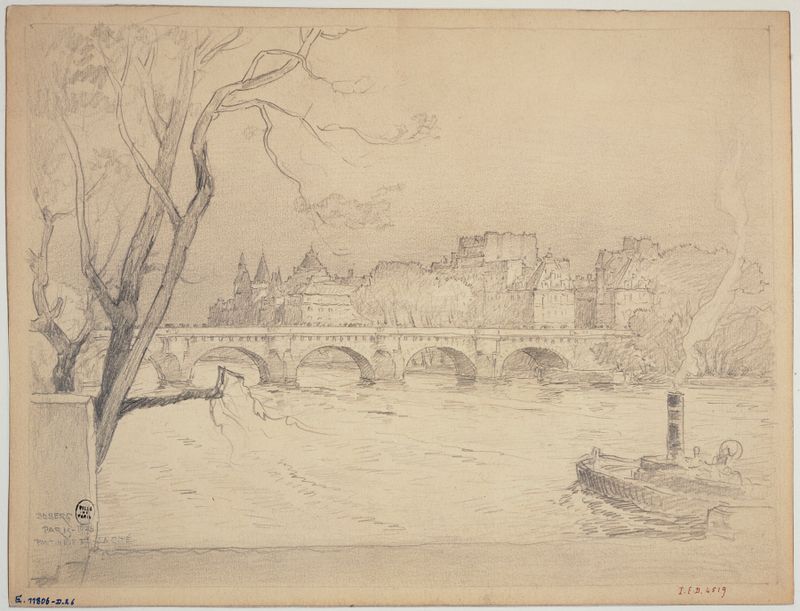
Le Pont-Neuf et la Cité
Ferdinand Boberg
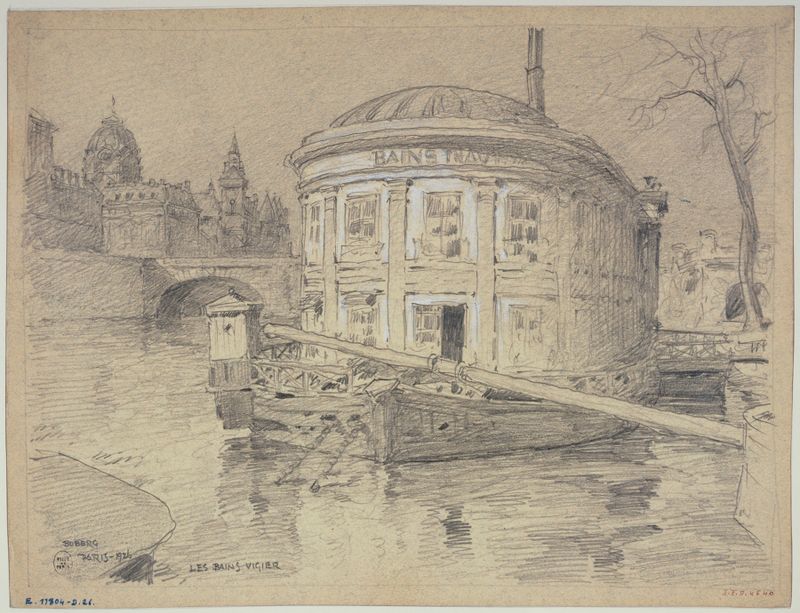
Les bains Vigier au Pont-Neuf
Ferdinand Boberg
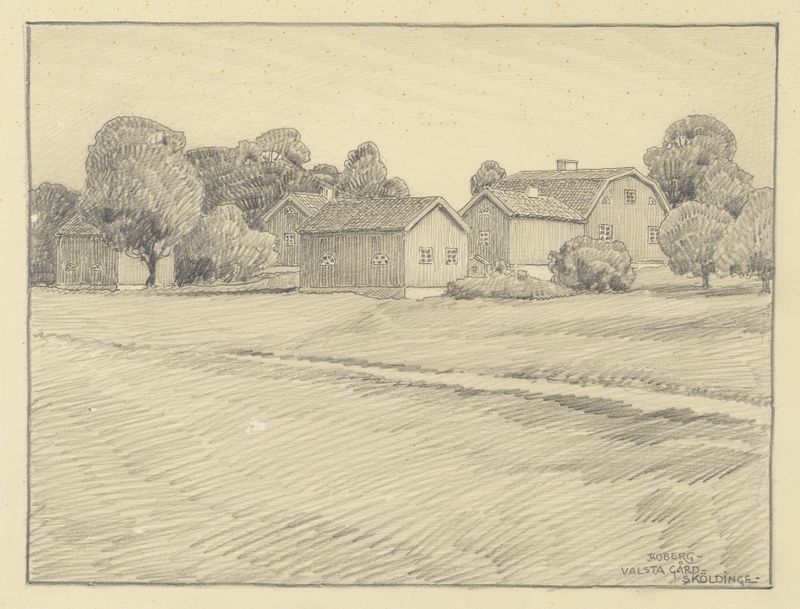
Valsta Gård
Ferdinand Boberg
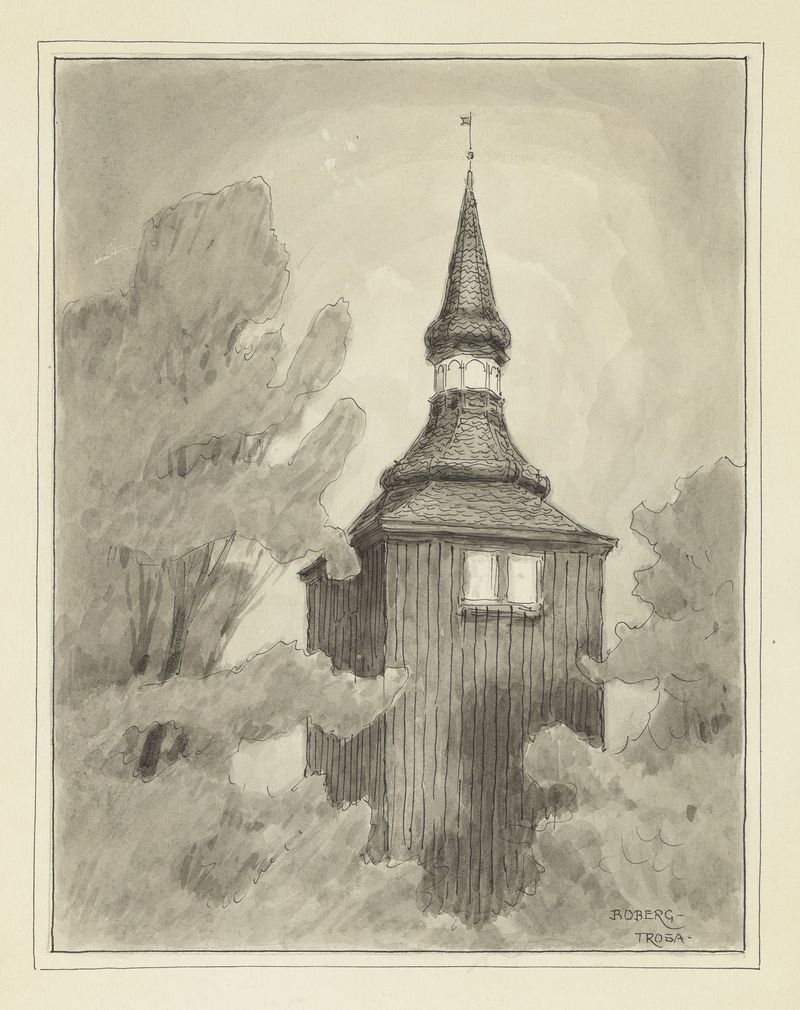
Trosa
Ferdinand Boberg
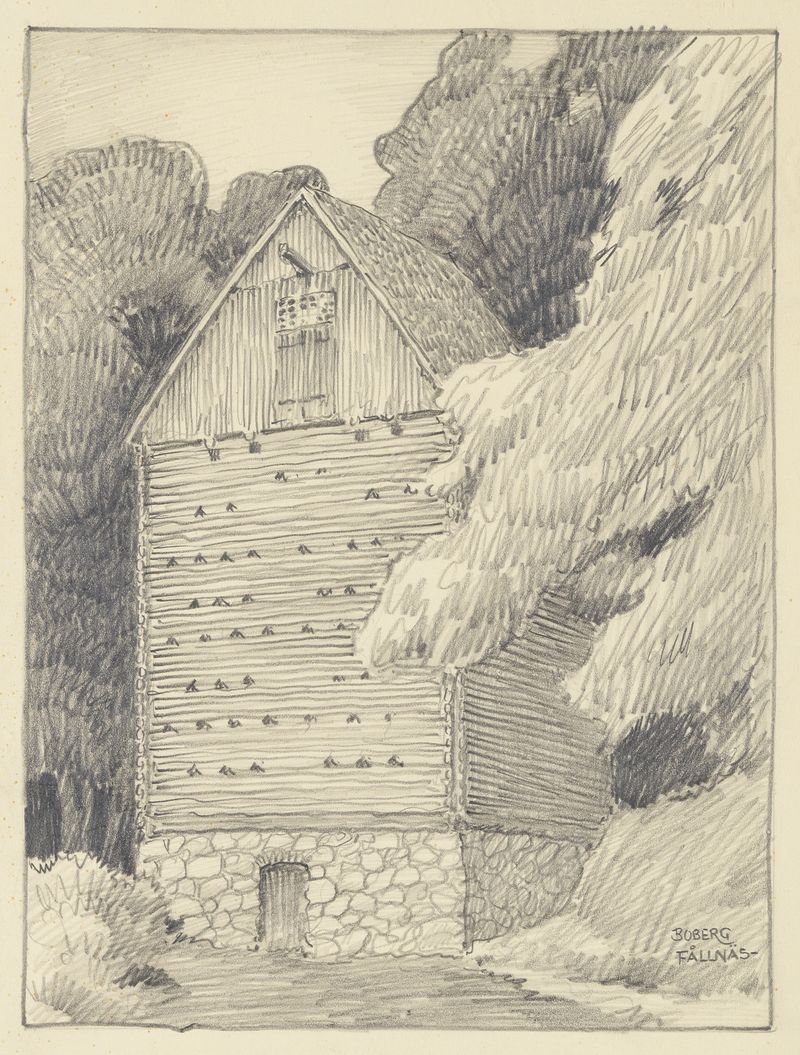
Fållnäs
Ferdinand Boberg
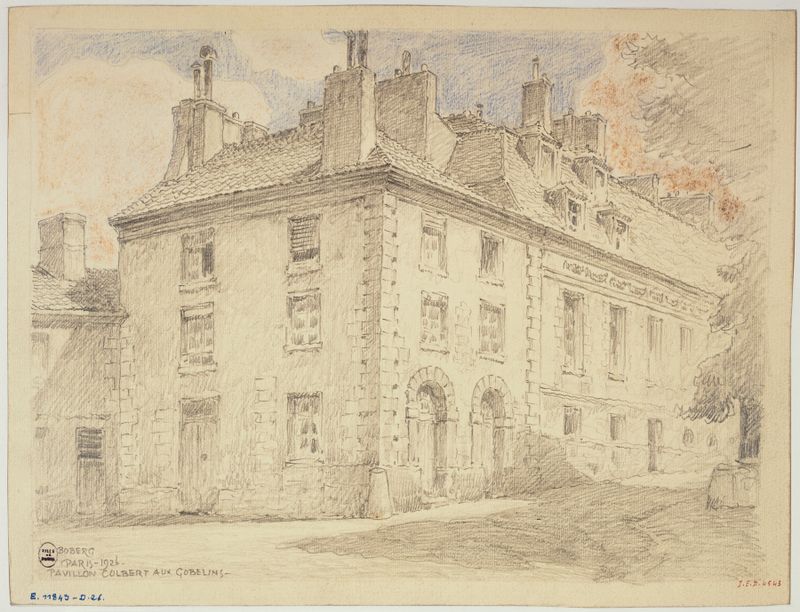
Le pavillon Colbert aux Gobelins
Ferdinand Boberg
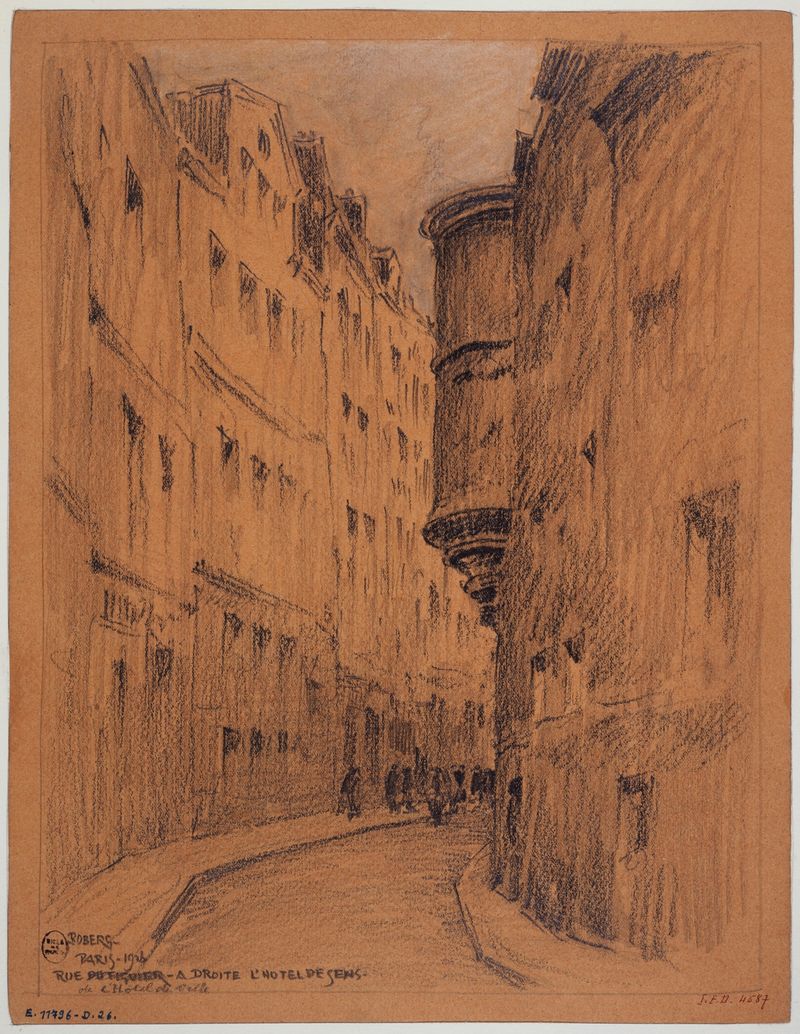
Rue de l’Hôtel de Ville; l’hôtel de Sens
Ferdinand Boberg
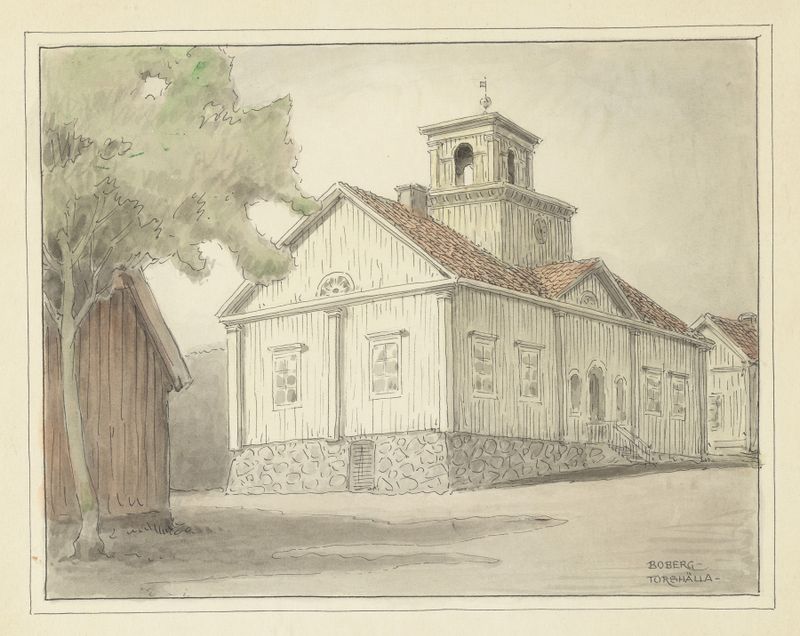
Torshälla
Ferdinand Boberg
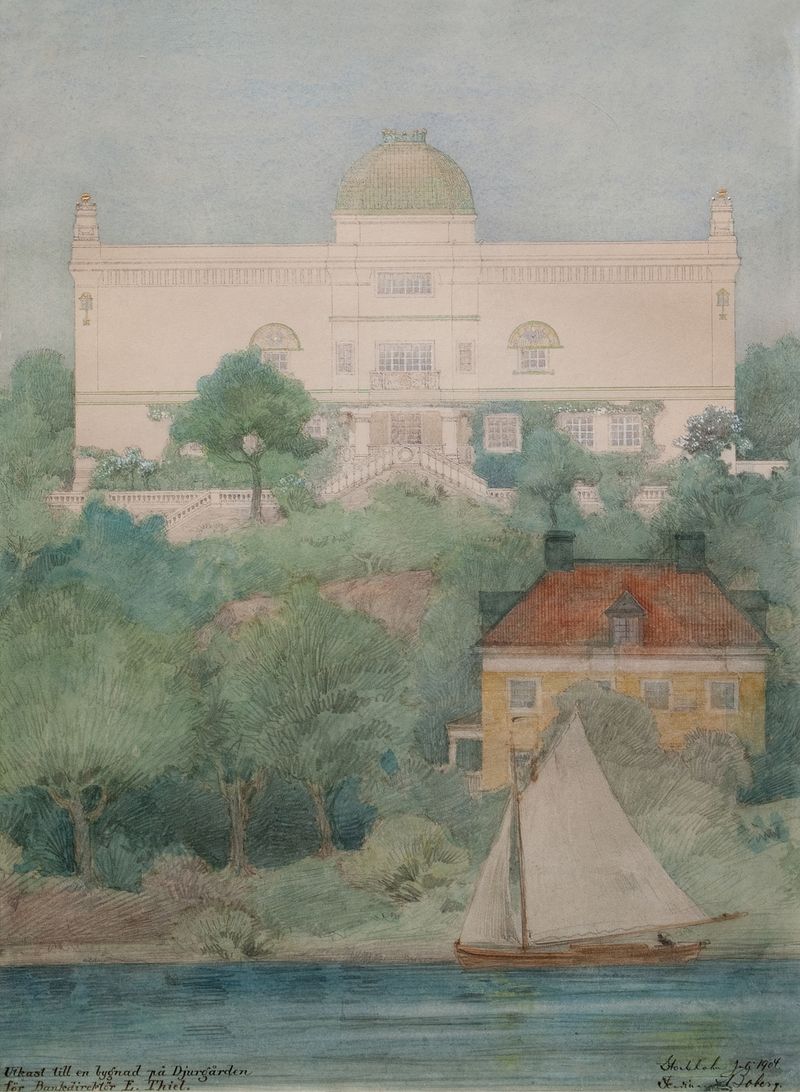
Sketch for a building for Thiel’s Gallery
Ferdinand Boberg
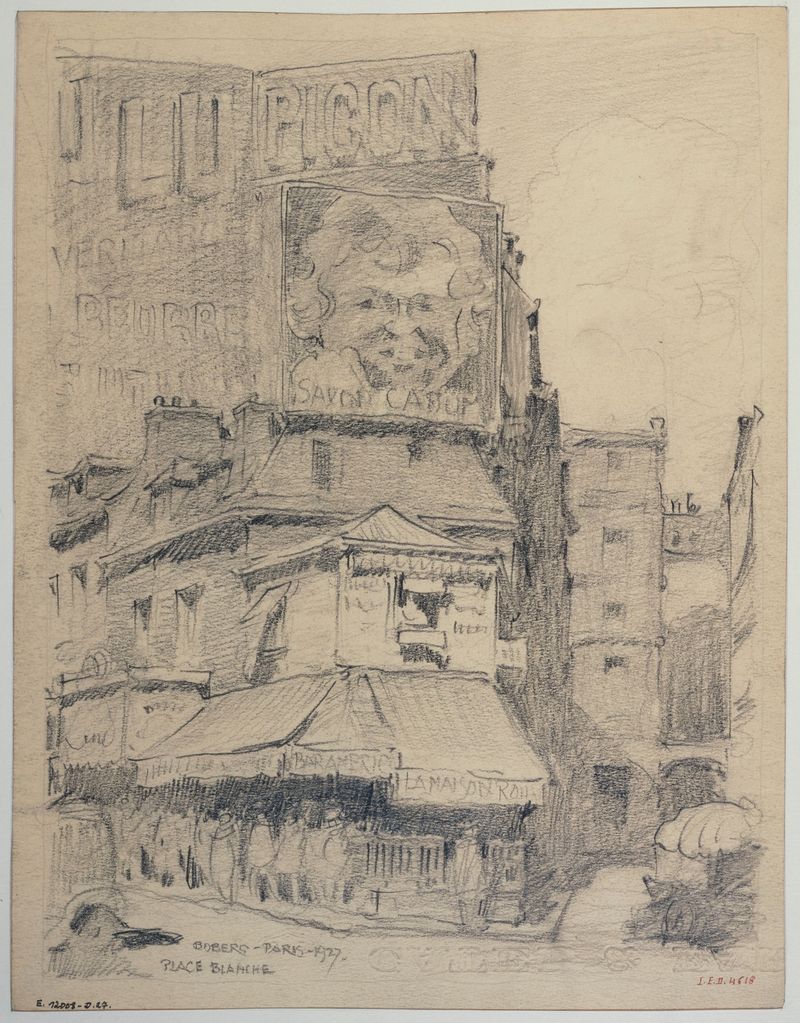
La place Blanche
Ferdinand Boberg





