
Rue de Jouy en face de la rue Tiron — History & Facts
Is this a mirror — or a memory? The delicate haze that envelops the scene blurs the lines between reality and reflection, inviting us to ponder the fragility of our perceptions. Look to the left at the soft, muted colors, where pastel buildings rise like gentle whispers against the sky. Notice how the light dances playfully, illuminating the cobblestone path below, while shadows deepen in the corners, creating an intimate yet transient atmosphere. The composition is masterful, employing an impressionistic style that captures not just a place, but the essence of fleeting moments in a bustling urban landscape. Delve deeper into the work’s emotional undercurrents as the juxtaposition of light and shadow reveals a sense of wistfulness.
Each brushstroke conveys a quiet longing, reflecting the artist’s desire to capture the ephemeral beauty of life. The delicate interplay between the buildings suggests both solidity and vulnerability, evoking a sense of nostalgia that resonates with the viewer’s own memories, perhaps of places loved and lost. In 1926, Ferdinand Boberg painted this piece during a time of significant artistic change, as Europe grappled with the aftermath of the First World War. Living in Paris, he was influenced by both the vibrant modernism surrounding him and the lingering shadows of past conflicts.
This tension between the new and the remembered resonates throughout Rue de Jouy en face de la rue Tiron, embodying Boberg's quest to reconcile memory with the present.
More Artworks by Ferdinand Boberg
Browse all →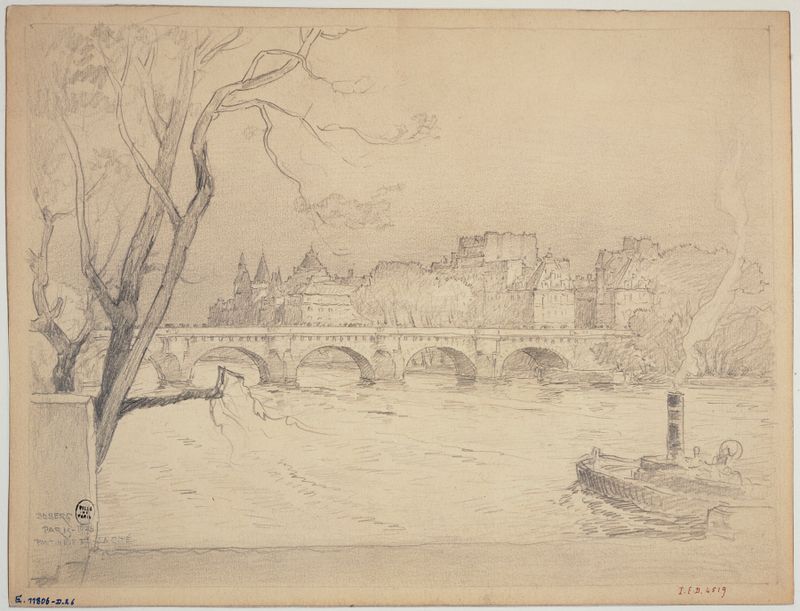
Le Pont-Neuf et la Cité
Ferdinand Boberg
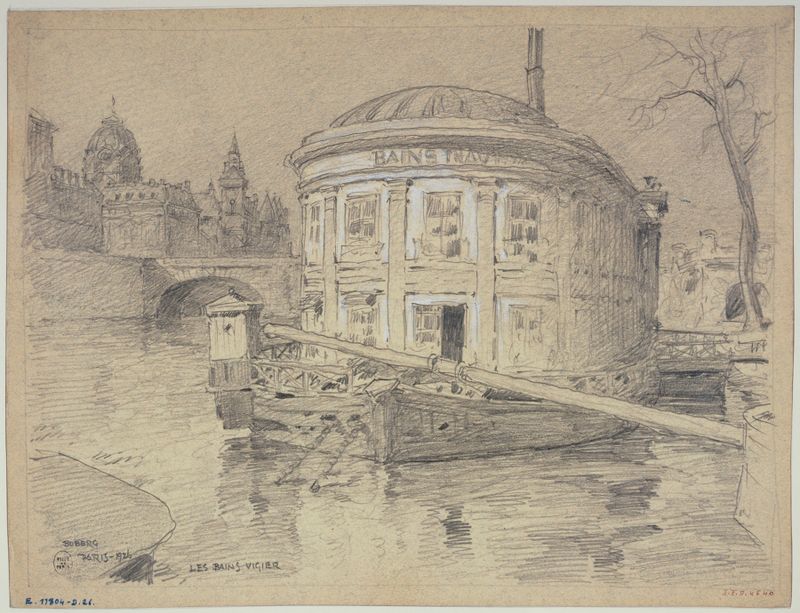
Les bains Vigier au Pont-Neuf
Ferdinand Boberg
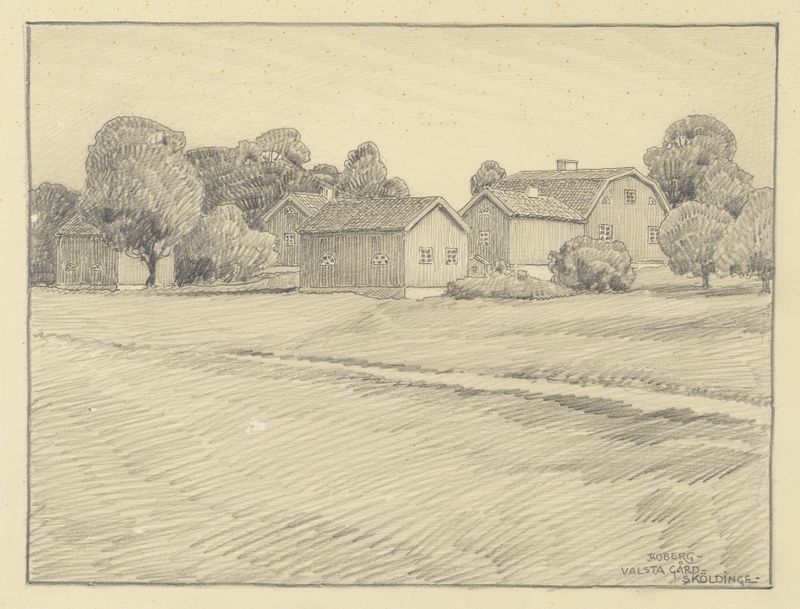
Valsta Gård
Ferdinand Boberg
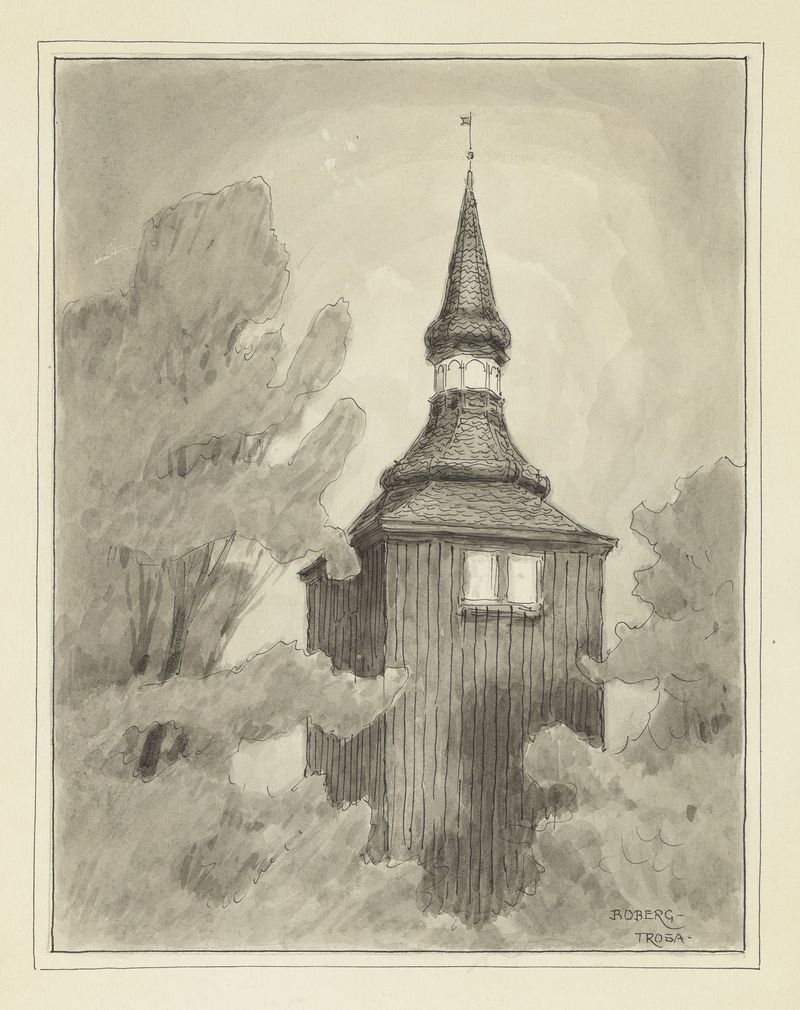
Trosa
Ferdinand Boberg
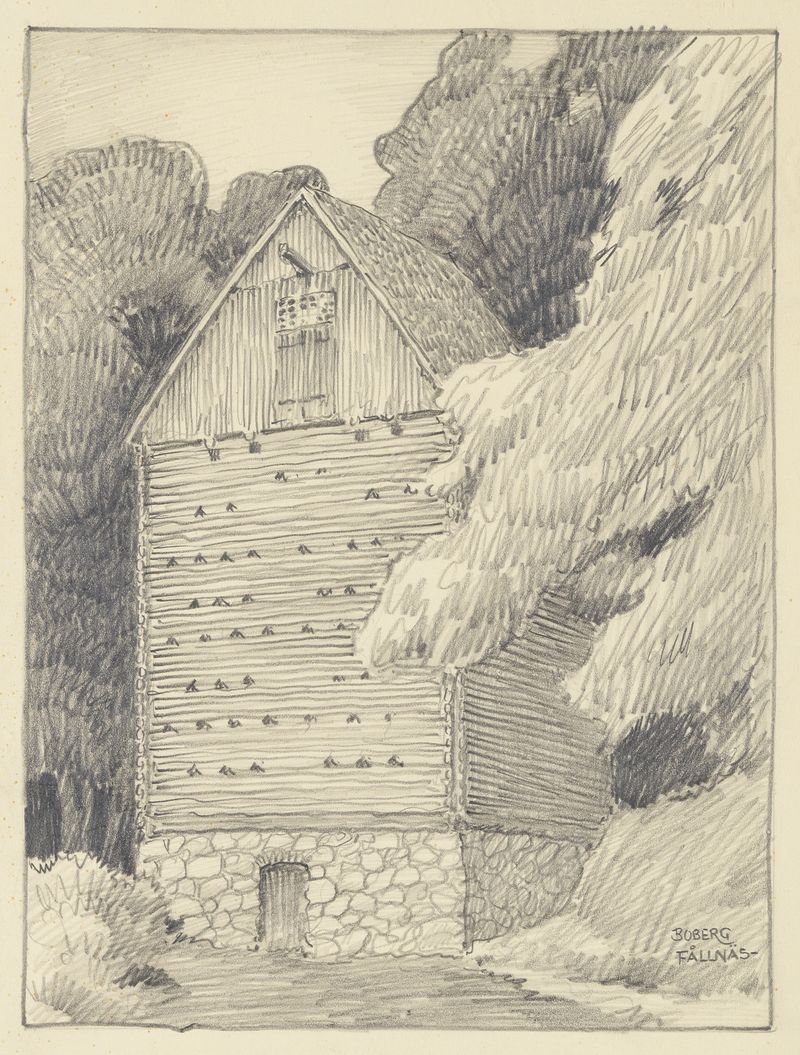
Fållnäs
Ferdinand Boberg
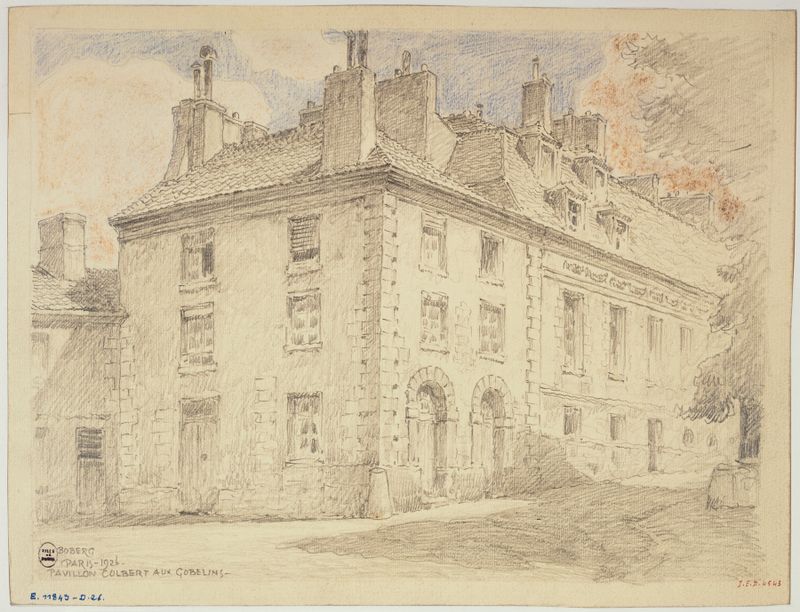
Le pavillon Colbert aux Gobelins
Ferdinand Boberg
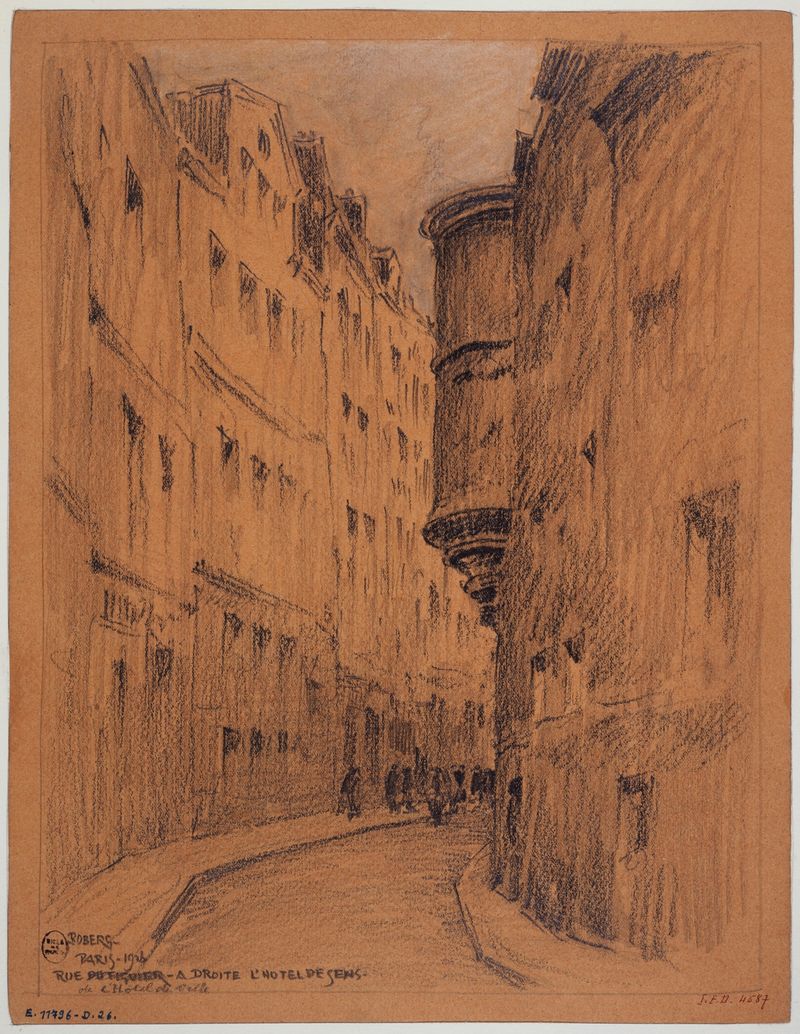
Rue de l’Hôtel de Ville; l’hôtel de Sens
Ferdinand Boberg
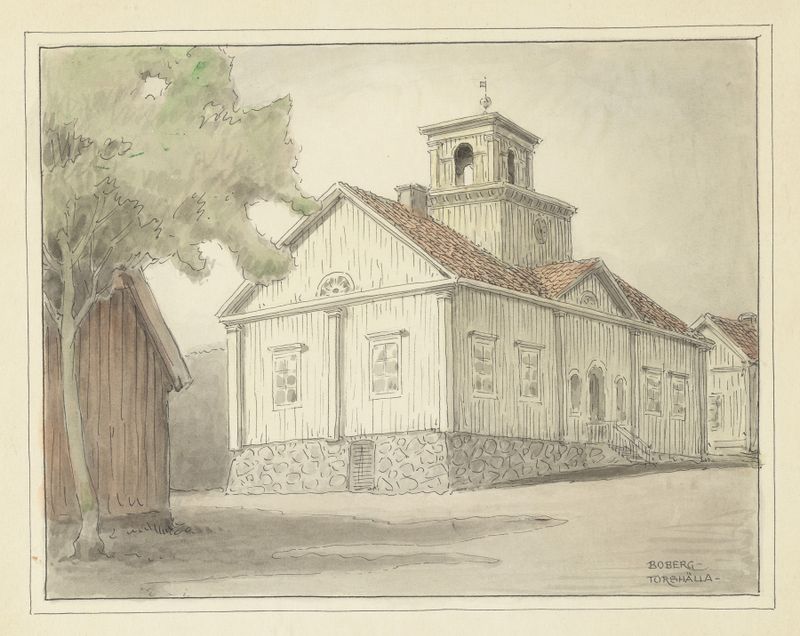
Torshälla
Ferdinand Boberg
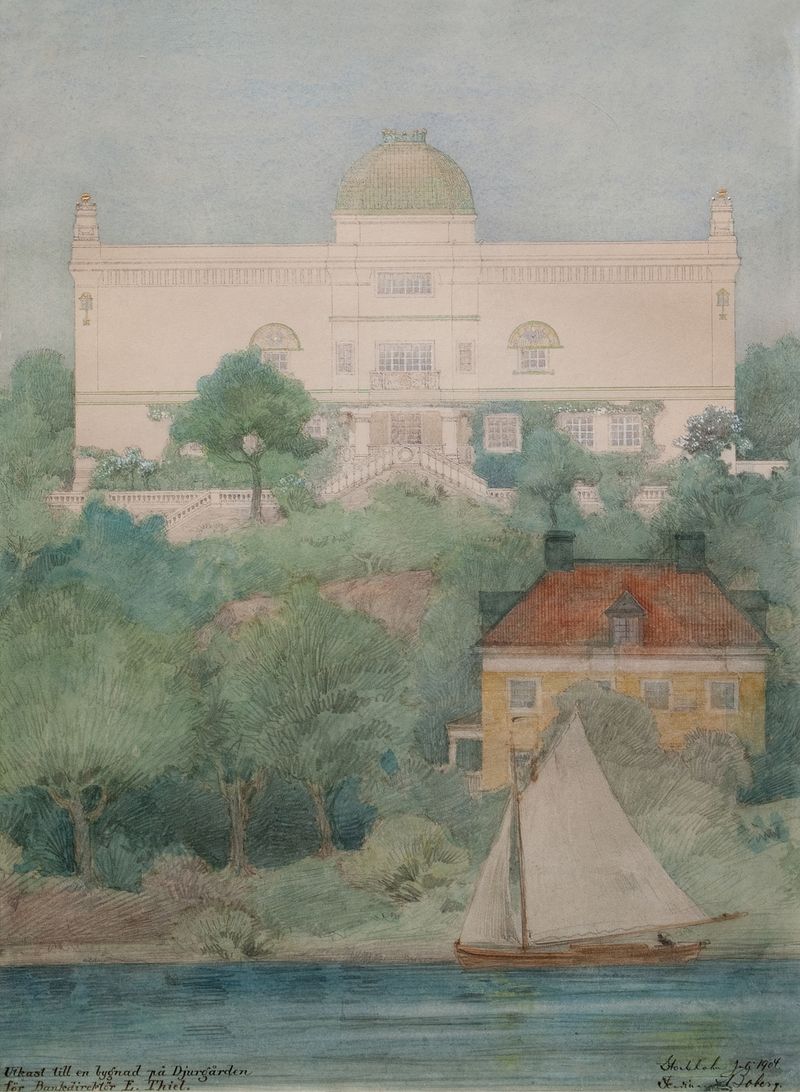
Sketch for a building for Thiel’s Gallery
Ferdinand Boberg
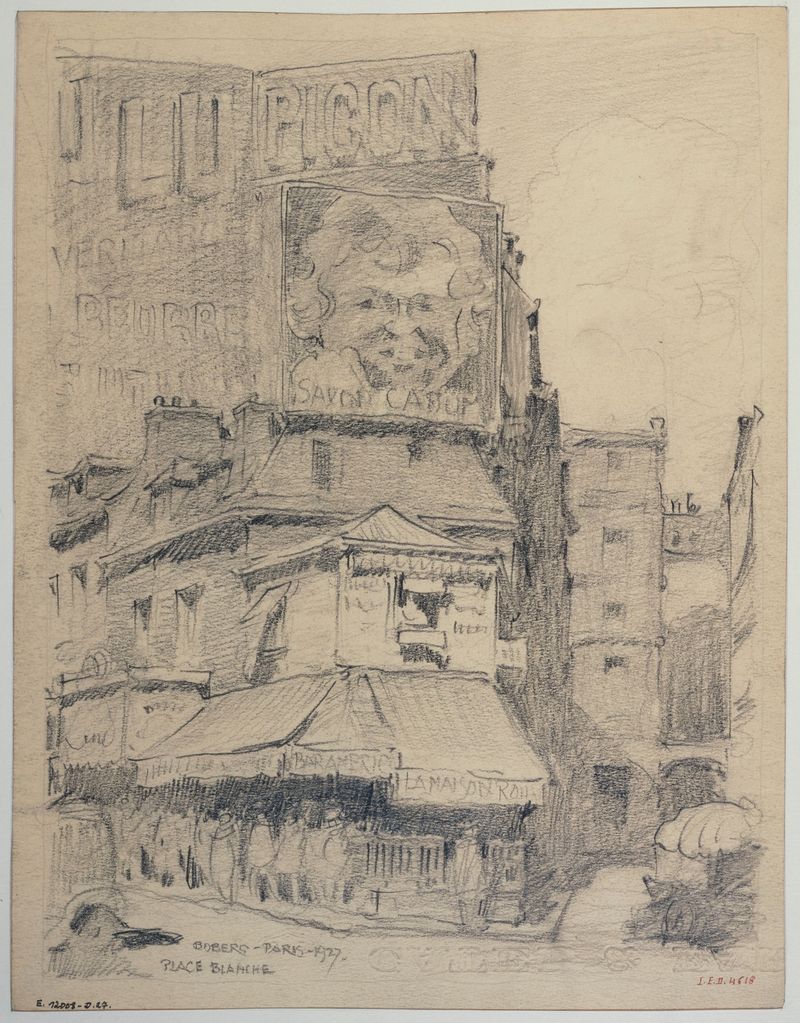
La place Blanche
Ferdinand Boberg





