
Rue de la Bonne — History & Facts
Can beauty exist without sorrow? In Rue de la Bonne, an ethereal light bathes a serene Parisian street, inviting contemplation of the divine amidst the mundane. Focus on the gentle arch of the buildings that frame the scene, drawing your gaze along the cobblestone path. Notice the subtle interplay of warm, golden hues and soft shadows that create a tranquil atmosphere. The delicate brushstrokes breathe life into every detail, from the swaying trees to the textured façades, culminating in a harmonious composition that feels both intimate and expansive. As you explore further, consider the contrasting elements present in the scene.
The vibrant hues evoke a sense of joy, yet the deserted street hints at isolation, perhaps reflecting the quiet loneliness that often accompanies beauty. The trees, lush and vibrant, simultaneously symbolize life and the ephemeral nature of existence, reminding the viewer of the bittersweet duality found in the human experience. Ferdinand Boberg painted Rue de la Bonne in 1926 during a period marked by significant artistic innovation and change in Europe. Living in Paris, he was deeply influenced by the shifting cultural landscape and the emerging modernist movements.
This painting embodies his pursuit of capturing the delicate balance between beauty and melancholy, echoing the sentiments of an artist navigating a world rich with both inspiration and complexity.
More Artworks by Ferdinand Boberg
Browse all →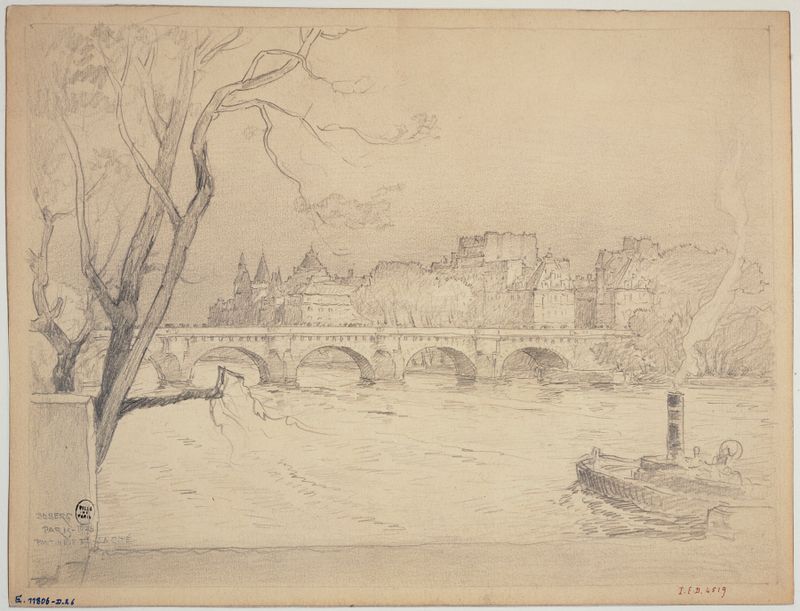
Le Pont-Neuf et la Cité
Ferdinand Boberg
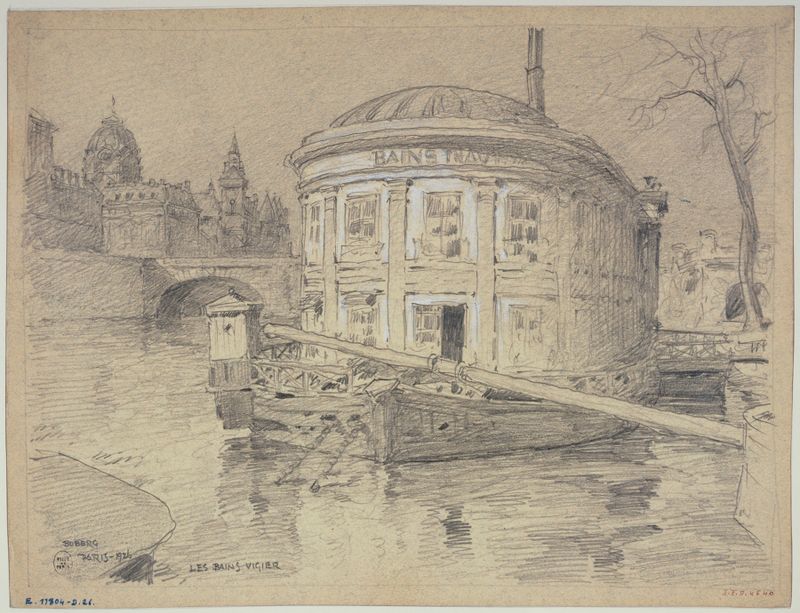
Les bains Vigier au Pont-Neuf
Ferdinand Boberg
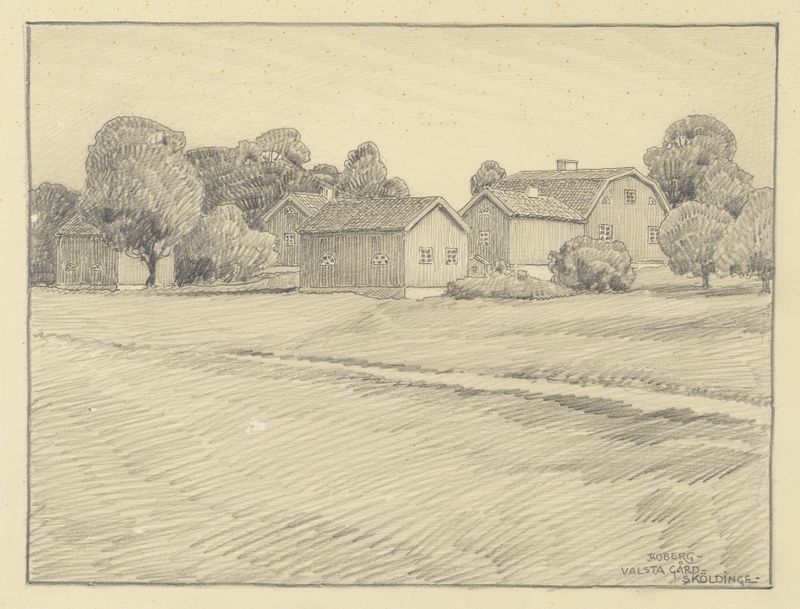
Valsta Gård
Ferdinand Boberg
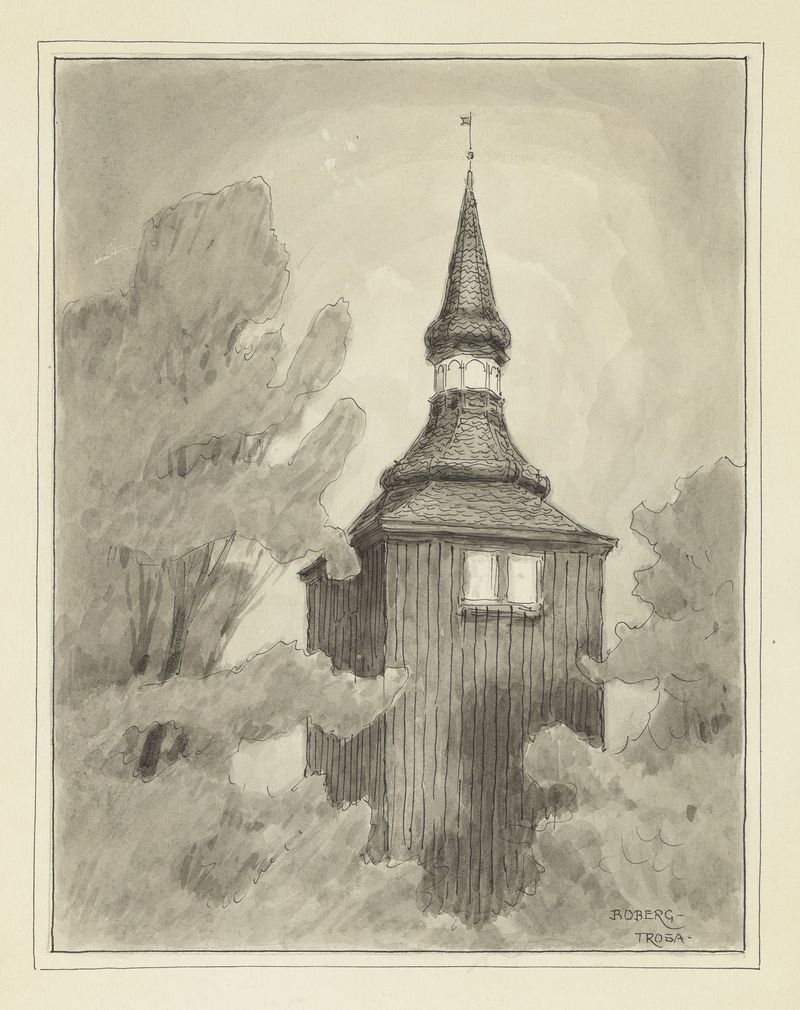
Trosa
Ferdinand Boberg
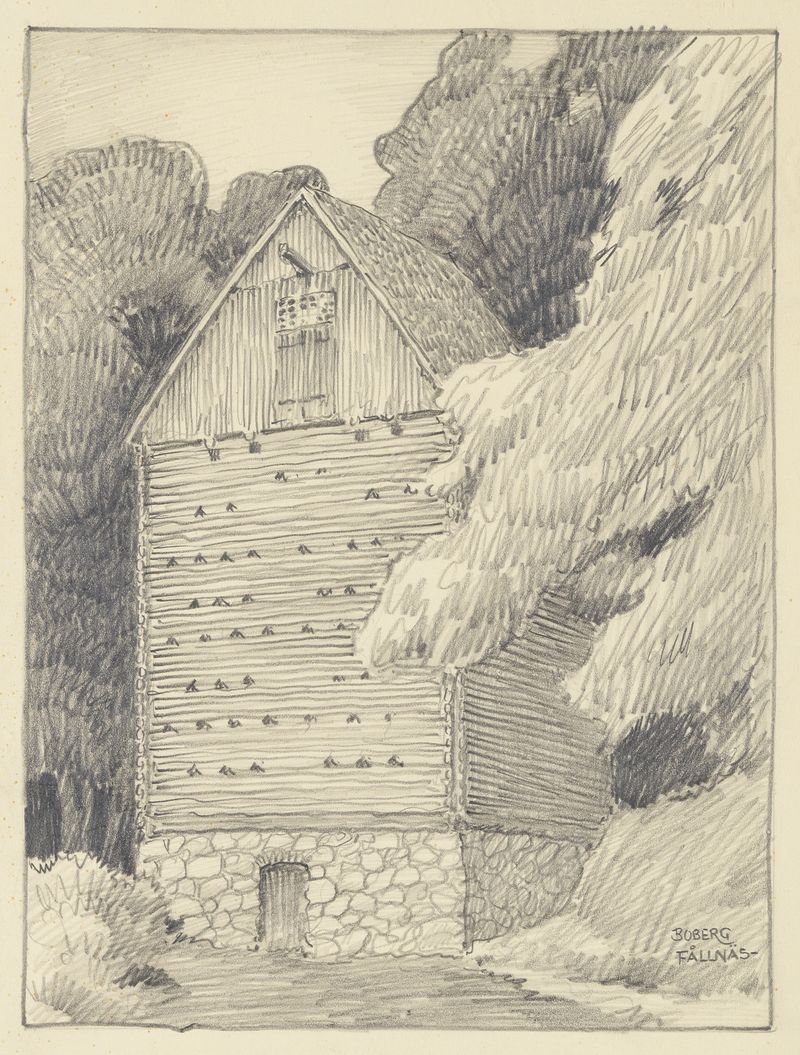
Fållnäs
Ferdinand Boberg
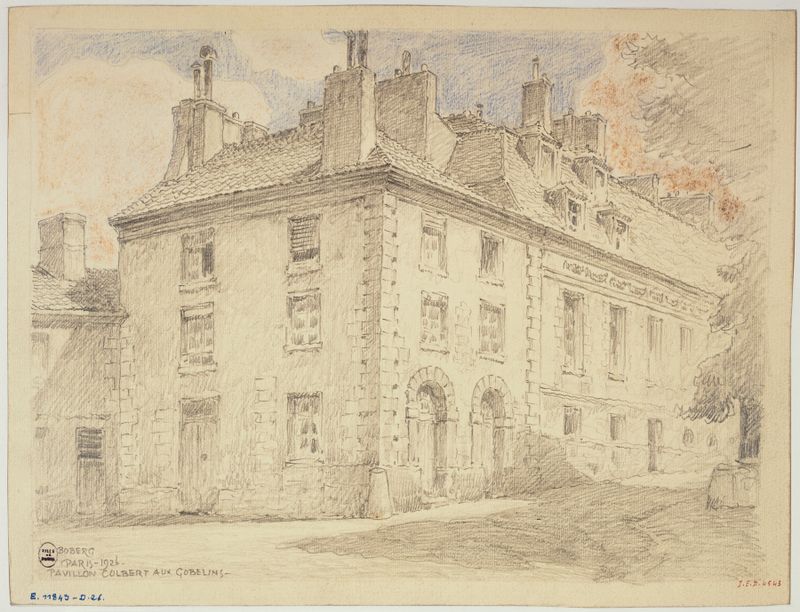
Le pavillon Colbert aux Gobelins
Ferdinand Boberg
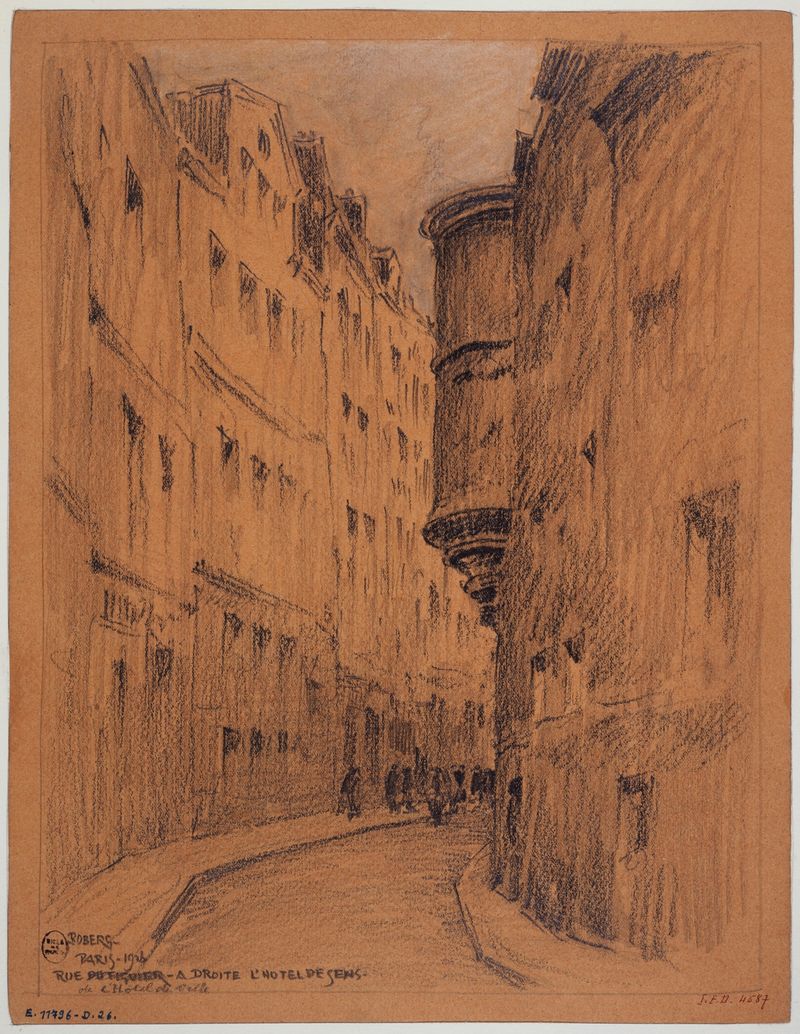
Rue de l’Hôtel de Ville; l’hôtel de Sens
Ferdinand Boberg
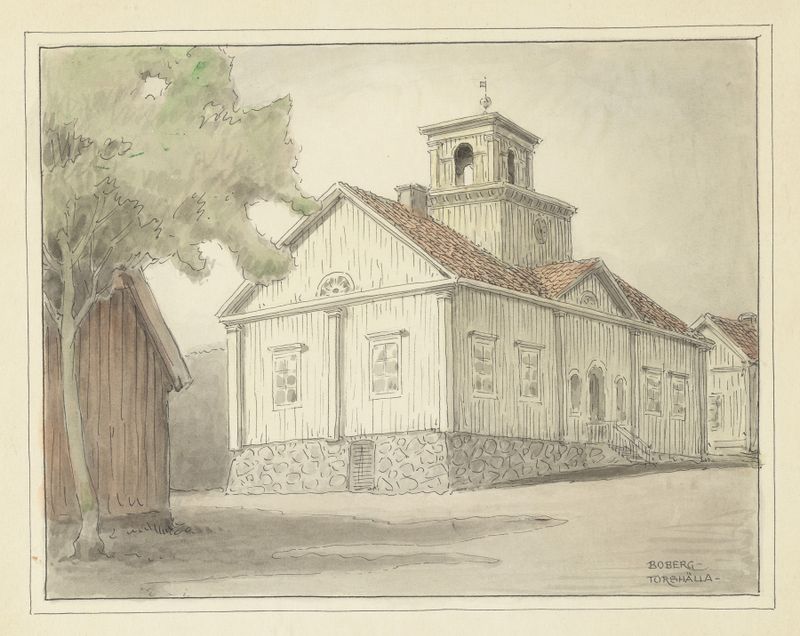
Torshälla
Ferdinand Boberg
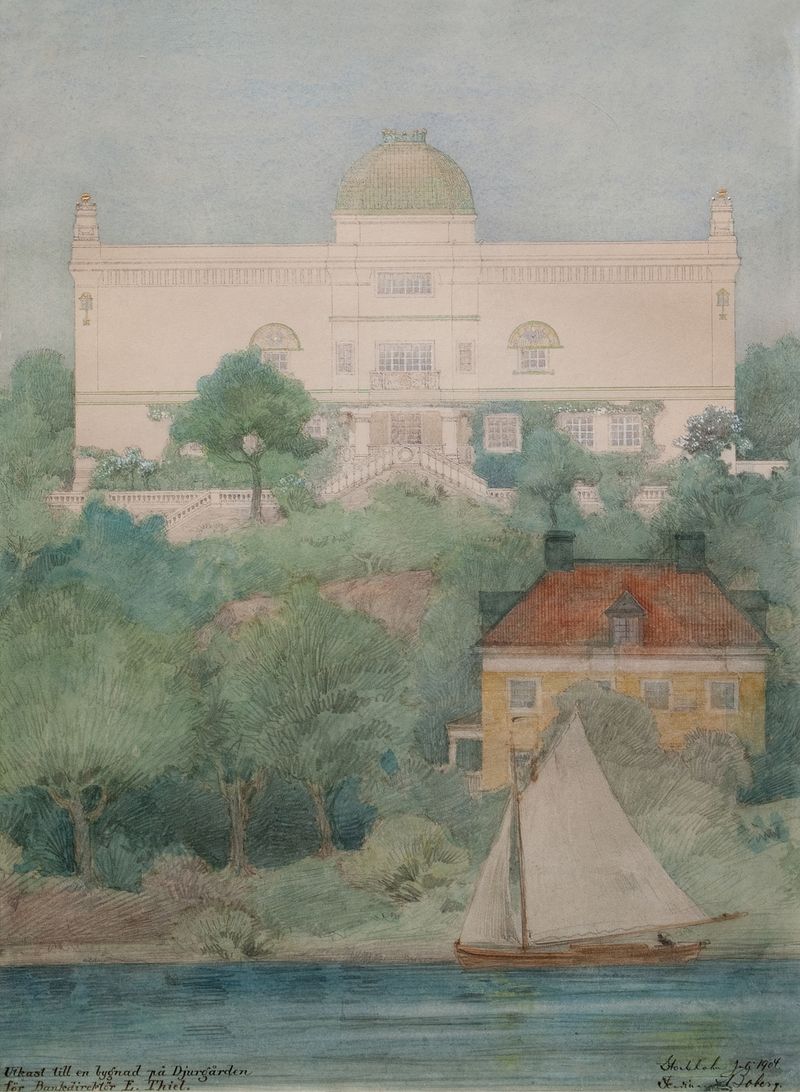
Sketch for a building for Thiel’s Gallery
Ferdinand Boberg
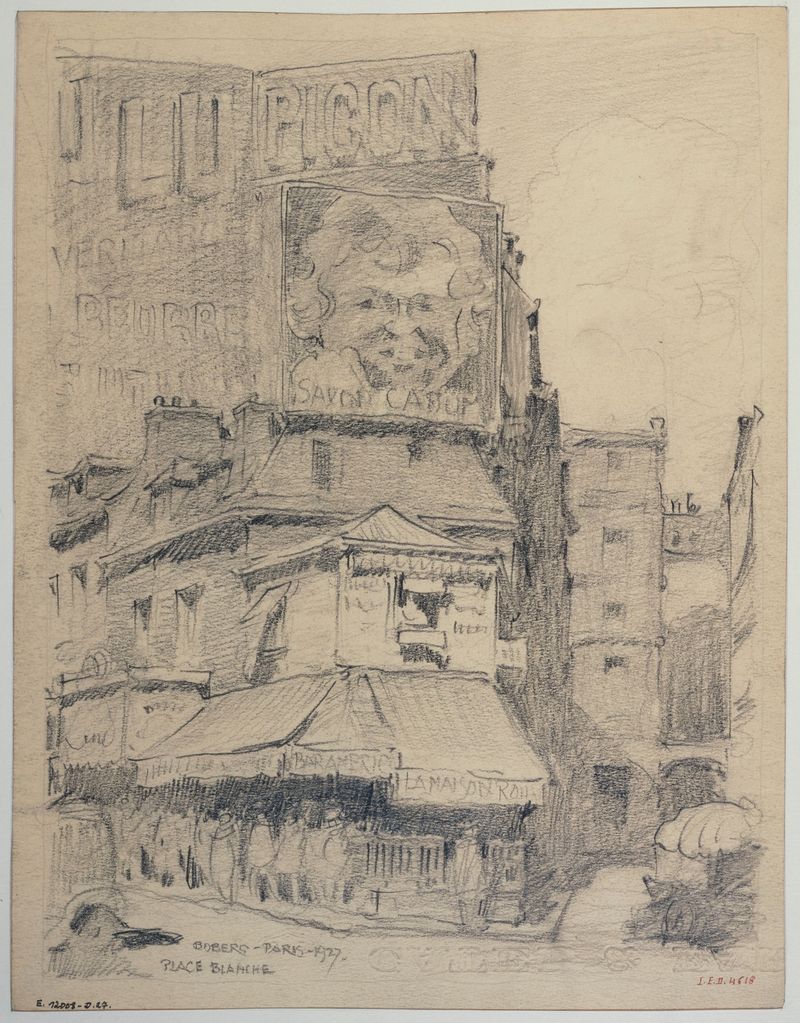
La place Blanche
Ferdinand Boberg
More Architecture Art
Browse all →
The statue of Liberty
Frédéric Auguste Bartholdi

View of Houses in Delft, Known as ‘The Little Street’
Johannes Vermeer

View of Houses in Delft, Known as ‘The Little Street’
Johannes Vermeer

The Cathedral in Rouen. The portal, Grey Weather
Claude Monet

The yellow house
Vincent van Gogh

The Church in Auvers-sur-Oise, View from the Chevet
Vincent van Gogh