
Rue de l’Abreuvoir — History & Facts
Who listens when art speaks of silence? In the stillness of Rue de l’Abreuvoir, longing reverberates through the quiet streets, inviting viewers into an intimate embrace with solitude. Look to the left at the soft brushstrokes that form the buildings, their muted hues blending harmoniously with the cobblestones below. Notice how the light, filtered through canopies of trees, casts gentle shadows upon the scene, creating a delicate interplay between illumination and obscurity. The composition draws the eye inward, towards the beckoning doorways that seem to whisper stories from the past, while distant figures linger, each immersed in their own world. Beneath the surface of this serene setting lies an emotional tension between presence and absence.
The empty street speaks of solitude, highlighting the longing for connection that often resides in the quiet moments of life. The subtle play of colors, warm against cool, reveals a yearning for warmth and companionship amidst the isolation of urban existence. Each element, from the bending branches to the distant figures, amplifies this sense of nostalgia, making the viewer ponder their own feelings of solitude. Ferdinand Boberg created Rue de l’Abreuvoir in 1925 during a period marked by artistic exploration and a shift towards modernism.
Living in a world recovering from the aftermath of the Great War, his work reflected both the beauty and melancholy of the human experience. As he navigated the changing landscape of art, Boberg infused his scenes with a profound sense of introspection and emotional depth, capturing the essence of fleeting moments in a rapidly evolving society.
More Artworks by Ferdinand Boberg
Browse all →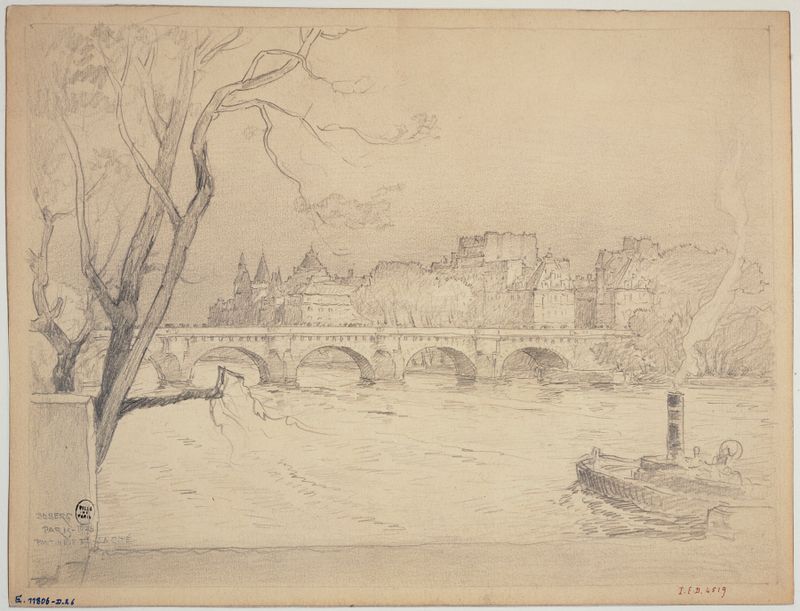
Le Pont-Neuf et la Cité
Ferdinand Boberg
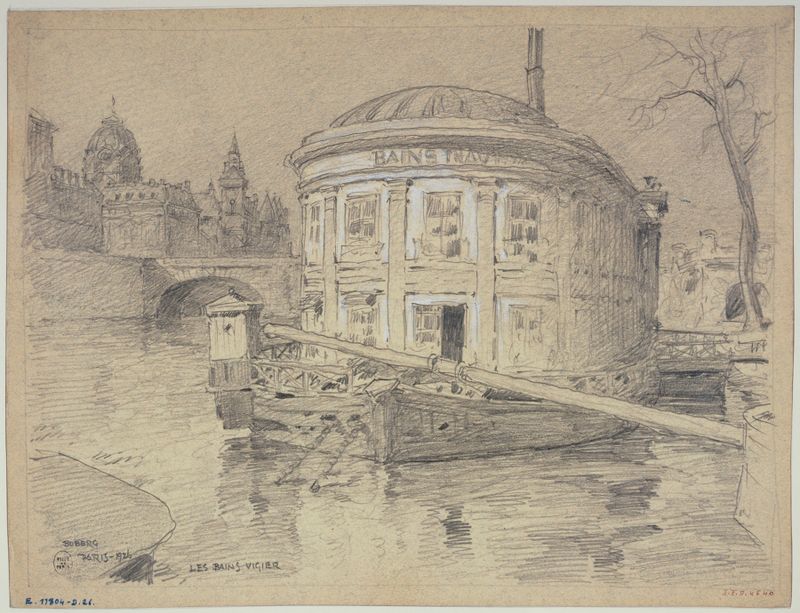
Les bains Vigier au Pont-Neuf
Ferdinand Boberg
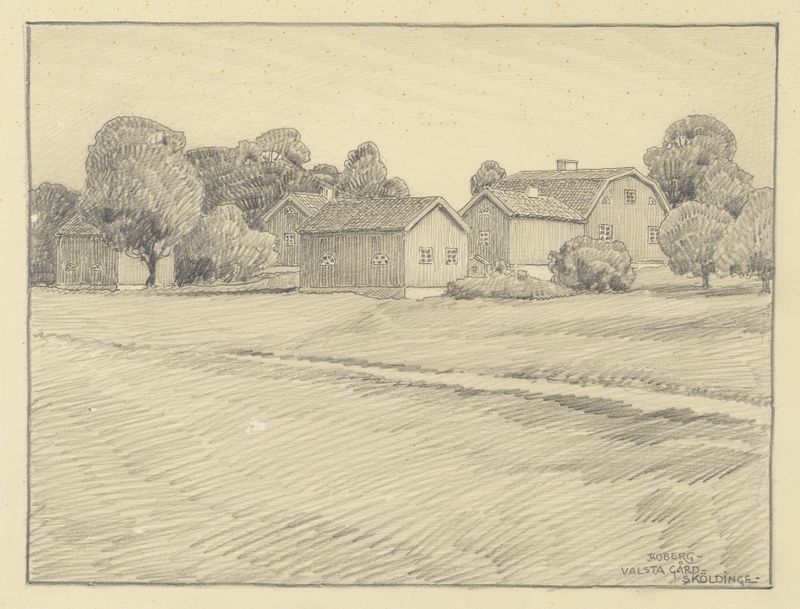
Valsta Gård
Ferdinand Boberg
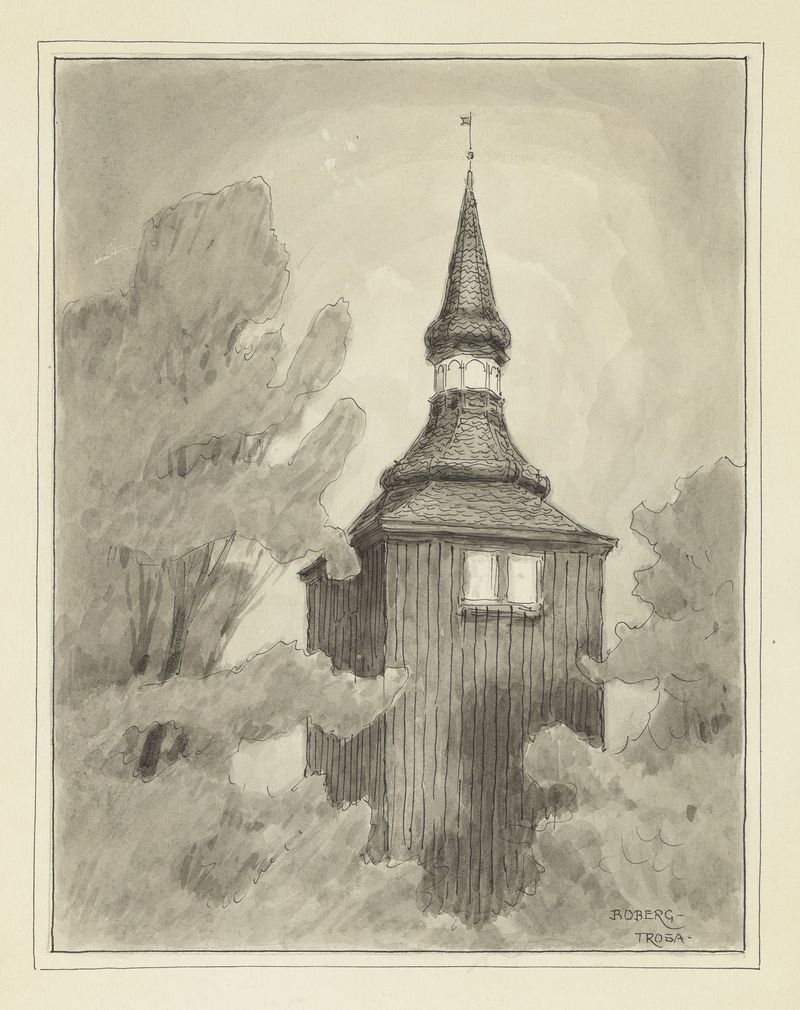
Trosa
Ferdinand Boberg
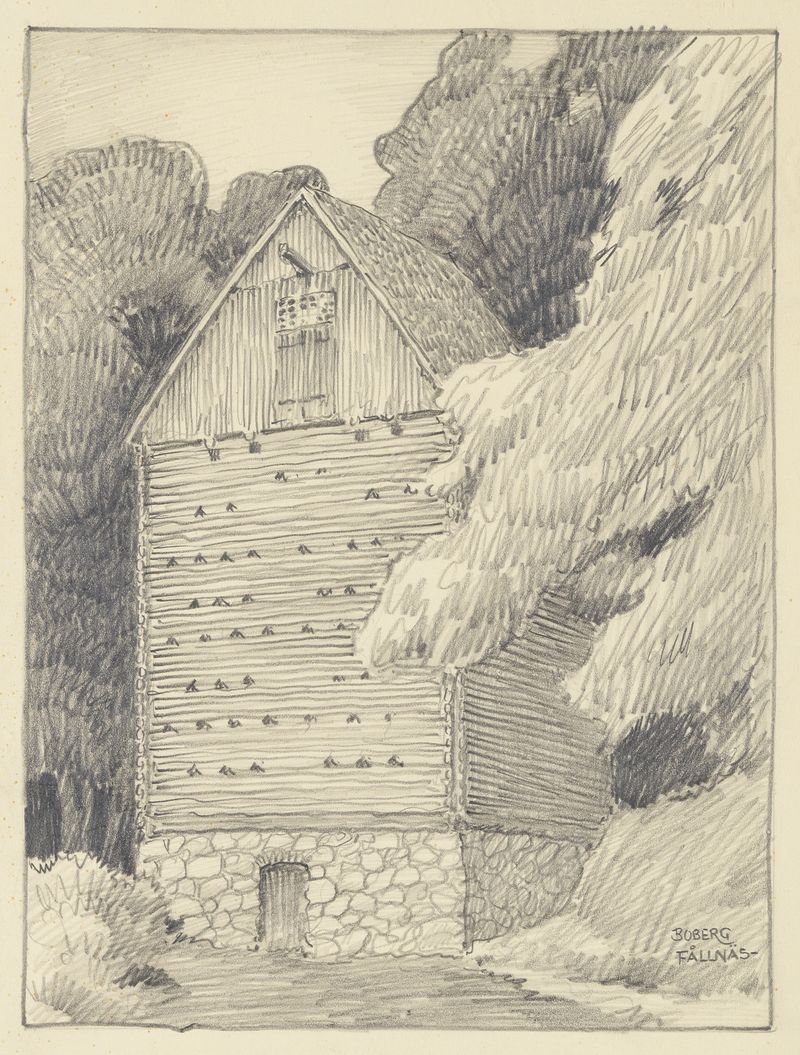
Fållnäs
Ferdinand Boberg
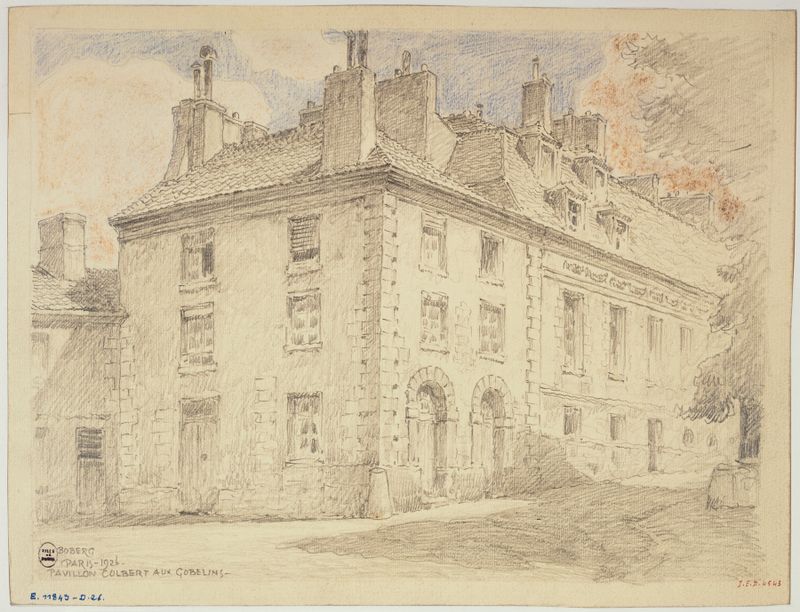
Le pavillon Colbert aux Gobelins
Ferdinand Boberg
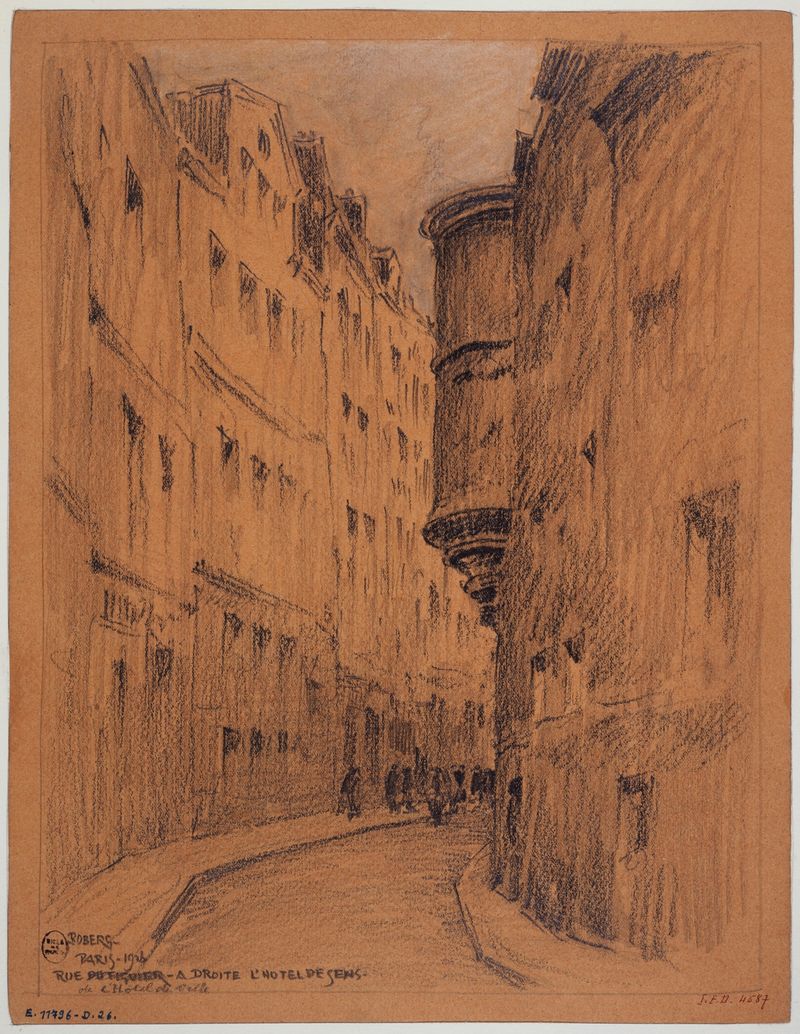
Rue de l’Hôtel de Ville; l’hôtel de Sens
Ferdinand Boberg
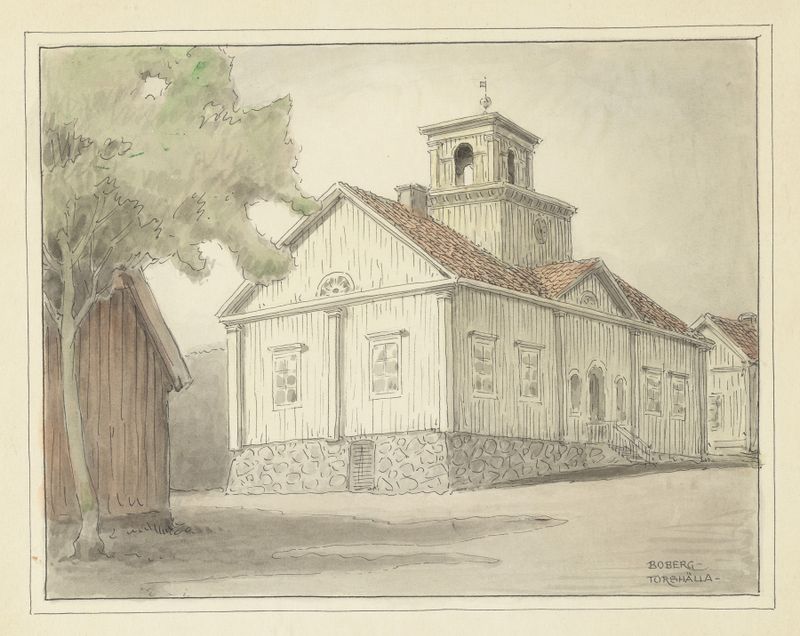
Torshälla
Ferdinand Boberg
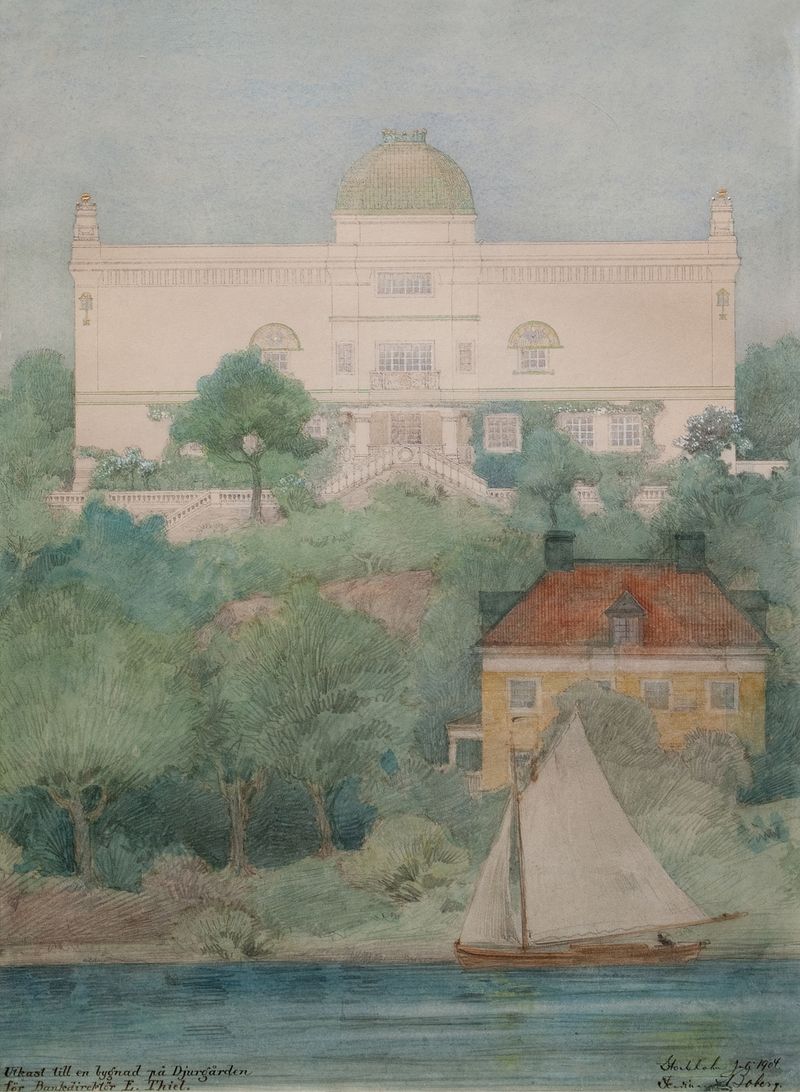
Sketch for a building for Thiel’s Gallery
Ferdinand Boberg
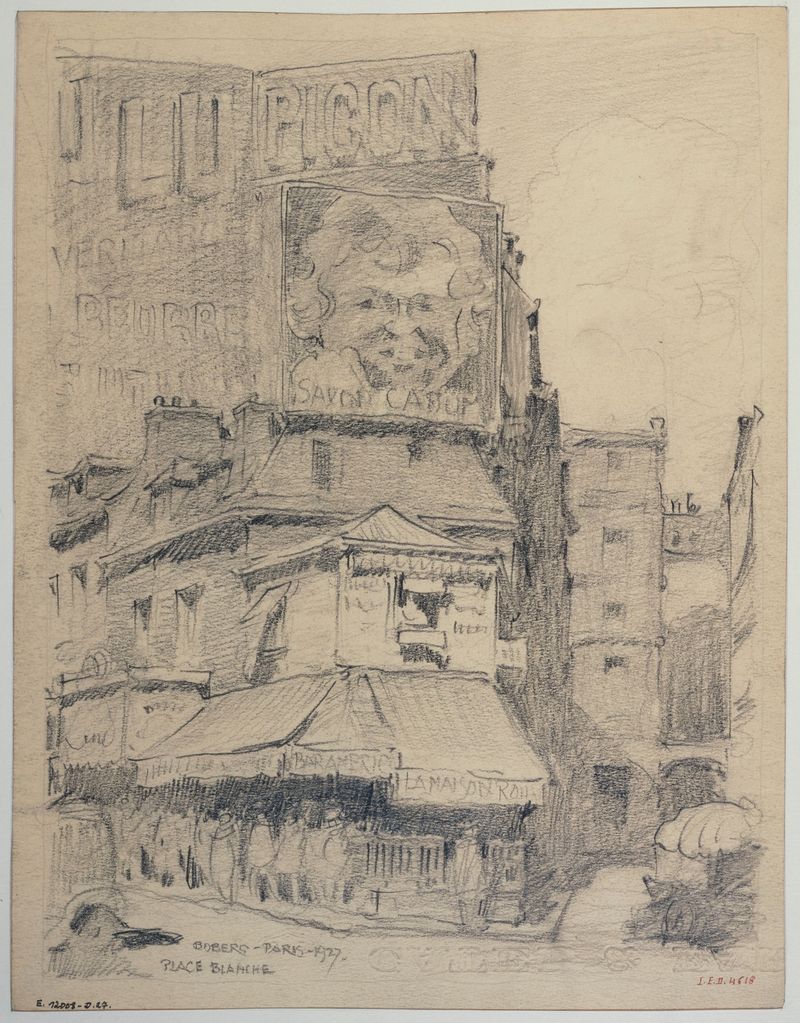
La place Blanche
Ferdinand Boberg





