
Rue de l’Abreuvoir et la rue des Saules — History & Facts
What if silence could speak through light? In the stillness of this scene, a whisper of melancholy pervades the air, inviting deep reflection. Look to the left where soft, muted colors blend seamlessly to depict the quaint streets of a Paris neighborhood. The gentle hues of blue and ochre cradle the buildings, while dappled sunlight filters through the branches of trees, creating a dance of shadows on the cobblestones. Notice how the composition draws your eye toward the distant alley, evoking a sense of longing — the curving path hints at stories untold, inviting us to wander deeper into the scene. The emotional tension lies in the juxtaposition of life and stillness.
The absence of figures suggests a world paused, as if these streets hold secrets waiting to be discovered or evanescent memories lingering in the air. The way the light plays across the scene imbues it with a sense of nostalgia, reminding us of fleeting moments in time. Each brushstroke captures the essence of tranquility tinged with a subtle sorrow, mirroring the complexities of human experience. In 1926, Ferdinand Boberg painted this piece during a transformative period in Parisian art, as modernism was on the rise.
Embracing a fresh vision that blurred the lines between representational and abstract art, he explored the emotional landscapes of urban life. The city, alive with change, offered a backdrop that resonated with both hope and loss, infusing his work with a profound sense of place and identity.
More Artworks by Ferdinand Boberg
Browse all →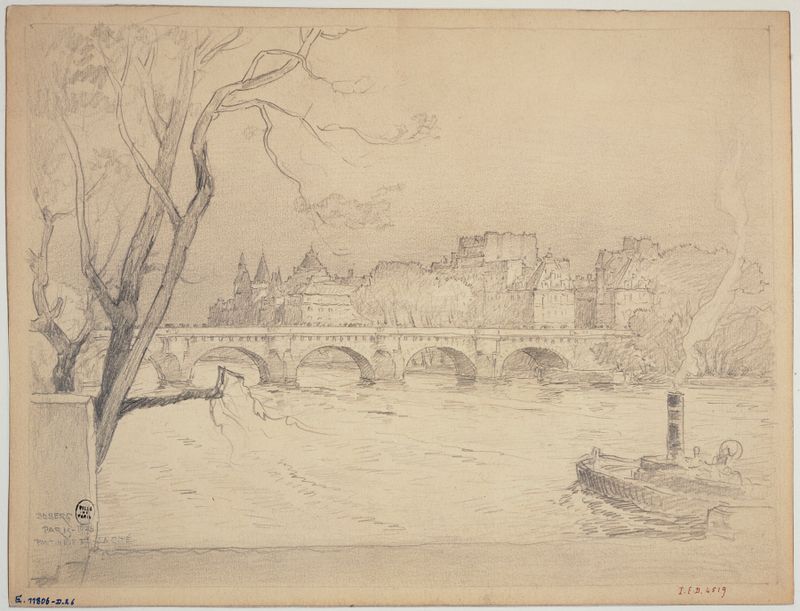
Le Pont-Neuf et la Cité
Ferdinand Boberg
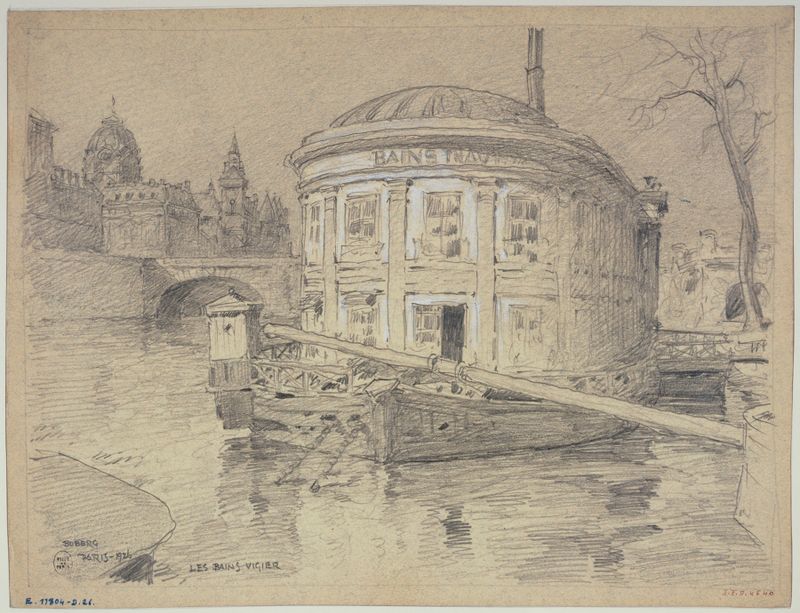
Les bains Vigier au Pont-Neuf
Ferdinand Boberg
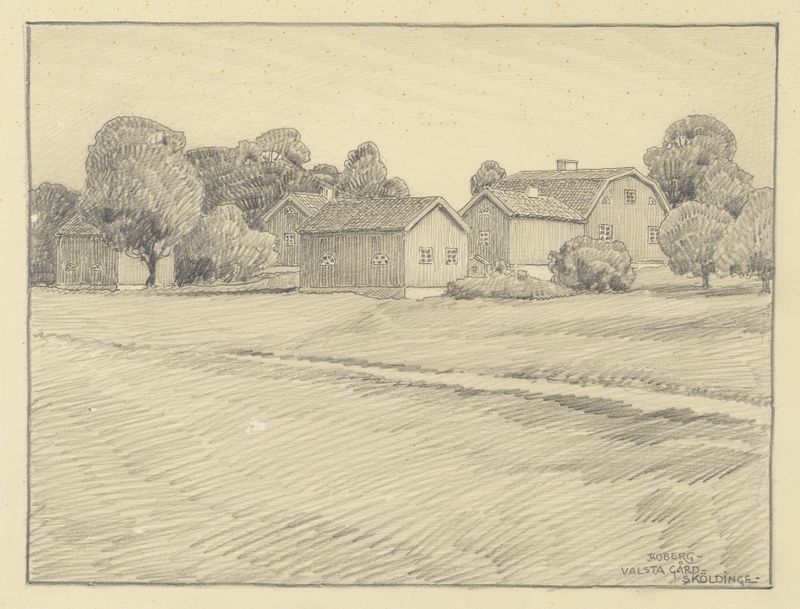
Valsta Gård
Ferdinand Boberg
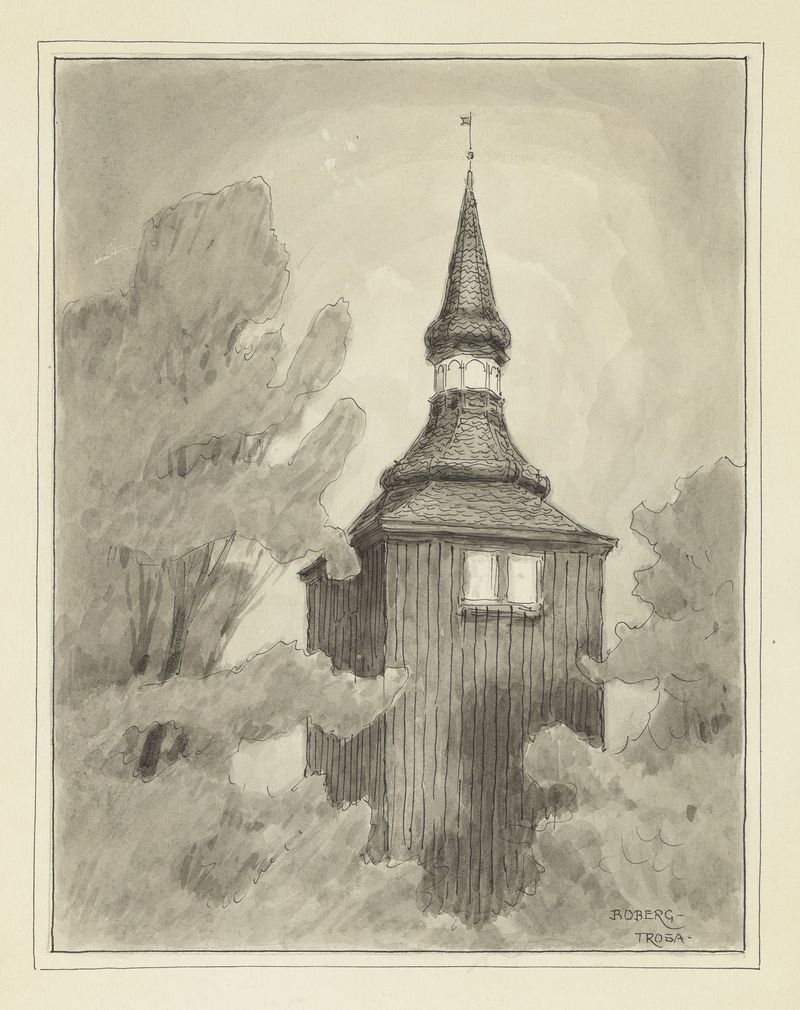
Trosa
Ferdinand Boberg
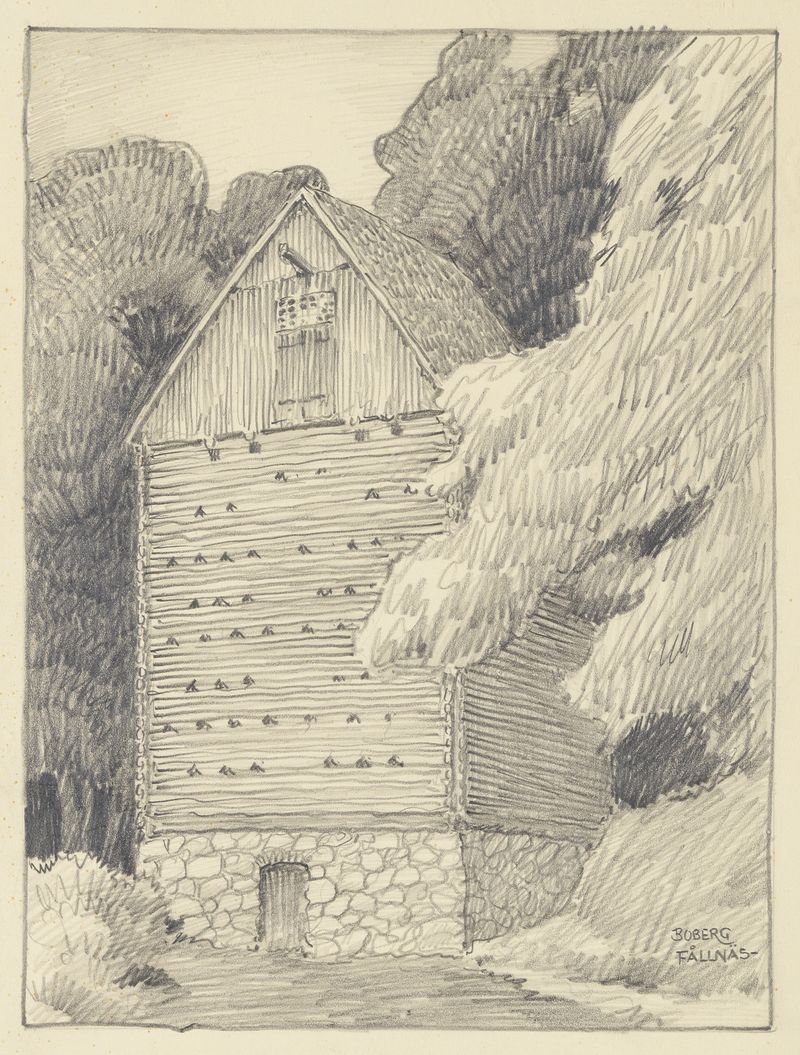
Fållnäs
Ferdinand Boberg
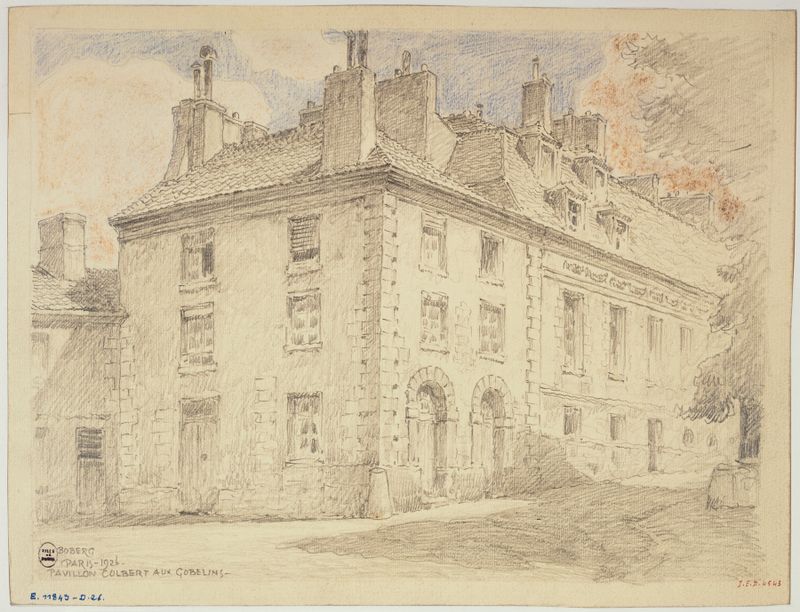
Le pavillon Colbert aux Gobelins
Ferdinand Boberg
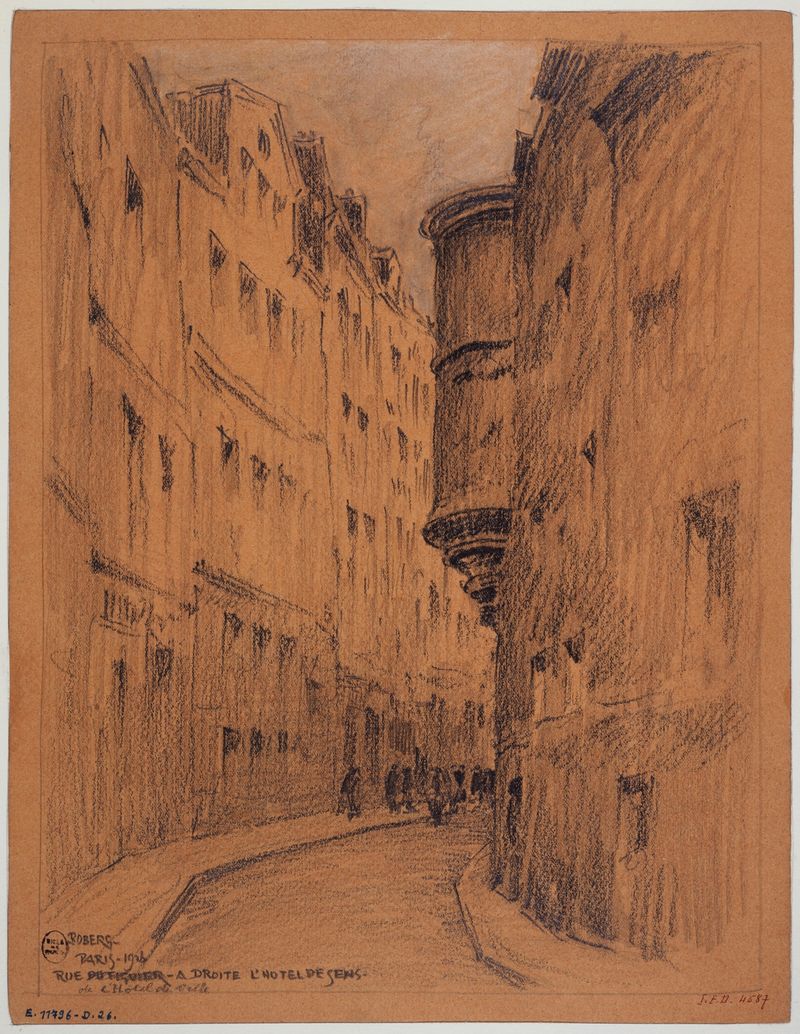
Rue de l’Hôtel de Ville; l’hôtel de Sens
Ferdinand Boberg
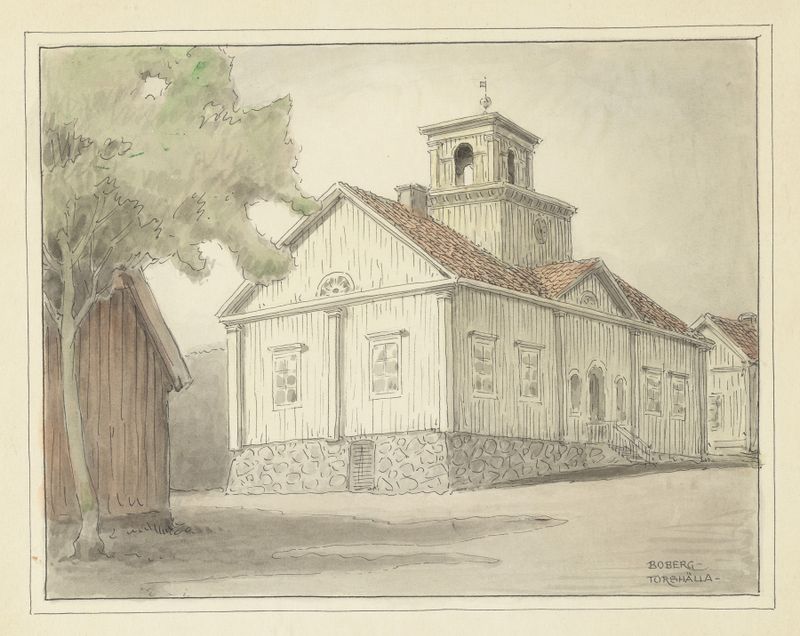
Torshälla
Ferdinand Boberg
Sketch for a building for Thiel’s Gallery
Ferdinand Boberg
La place Blanche
Ferdinand Boberg





