
Rue de l’Epée de Bois — History & Facts
It is in the delicate balance of hues that emotions unfold, revealing the layers of a moment. Rue de l’Epée de Bois invites the viewer into a vibrant conversation with its palette, where each stroke resonates with unspoken narratives. Look to the left, where a sun-drenched street unfurls beneath an arching canopy of warm yellows and soft ochres. Notice how the light dances across the cobblestones, casting intricate shadows that breathe life into the scene.
The figures, though modestly depicted, draw attention with their vivid attire, contrasting sharply against the tranquil backdrop of muted buildings. Every color selection seems deliberate, enhancing the viewer's sense of place and time. The composition speaks of contrasts: the liveliness of the pedestrians set against the stillness of the architecture, a representation of human connection amidst the steadfastness of life. The bright splashes of color not only define the characters but also symbolize the vibrancy of everyday existence, hinting at stories that linger in the air.
The painting captures a moment of calm yet infused with a sense of anticipation, as if something significant is about to unfold in the quiet of the street. In 1895, F. Séguin painted this work during a period of artistic exploration in Paris, where Impressionism was evolving into more defined movements. At this time, the artist was part of a community that embraced modernity and sought to capture the essence of contemporary life.
The bustling streets of Paris were alive with change, and Séguin’s choice to highlight the vibrancy of color reflects both the optimism and complexity of urban existence during this transformative era.
More Artworks by F. Séguin
Browse all →
Rue Brantôme. (anciennement rue des Petits Champs donnant rue Saint Martin et rue Beaubourg)
F. Séguin
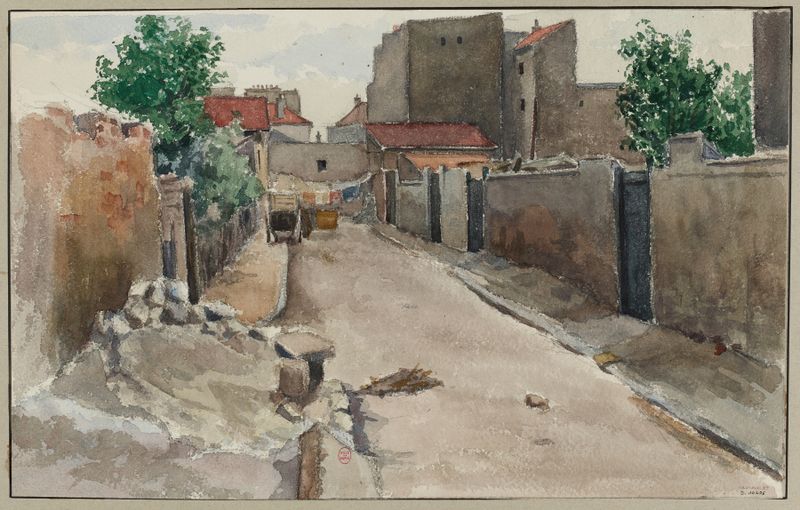
La rue de Chambéry, prise de la rue de Nice la Frontière
F. Séguin
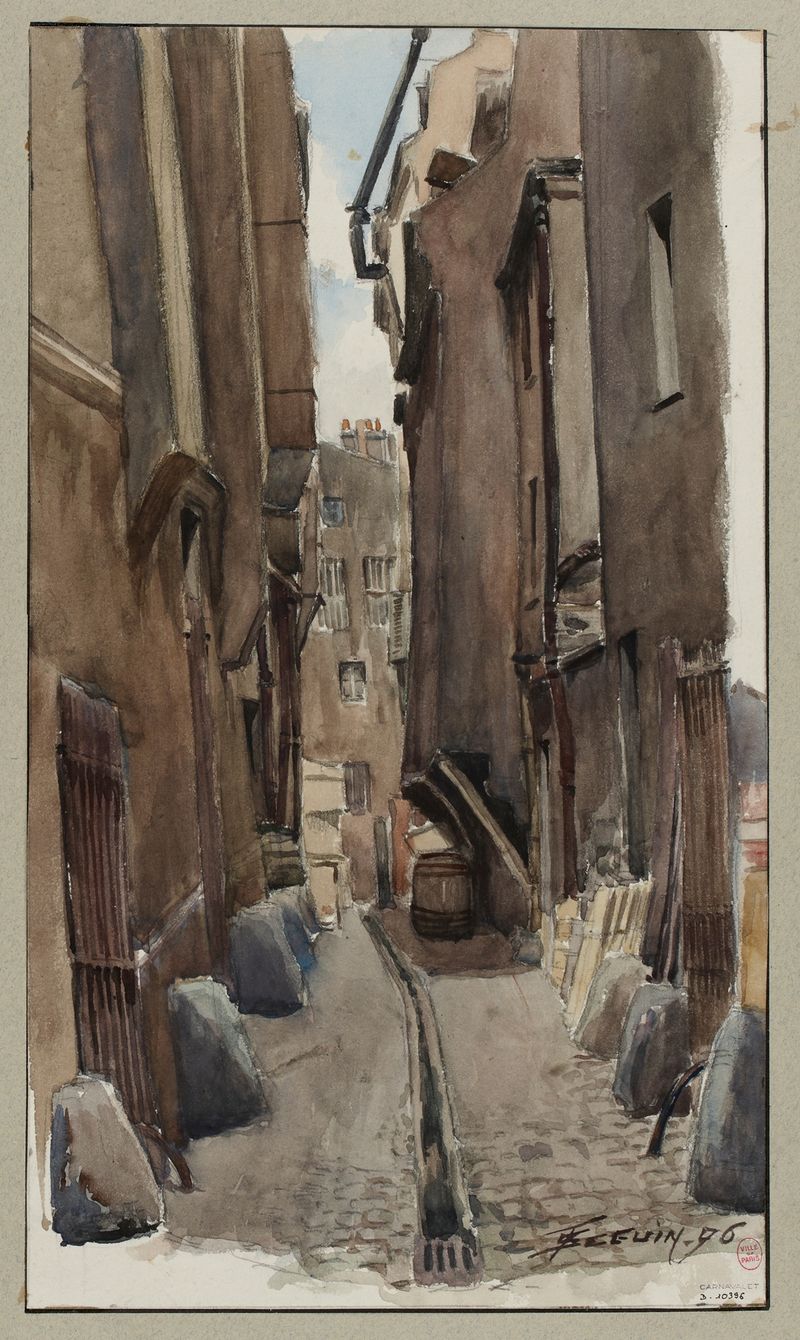
Le Cul de sac du Bœuf, (rue Saint Merri)
F. Séguin

Rue Descartes
F. Séguin
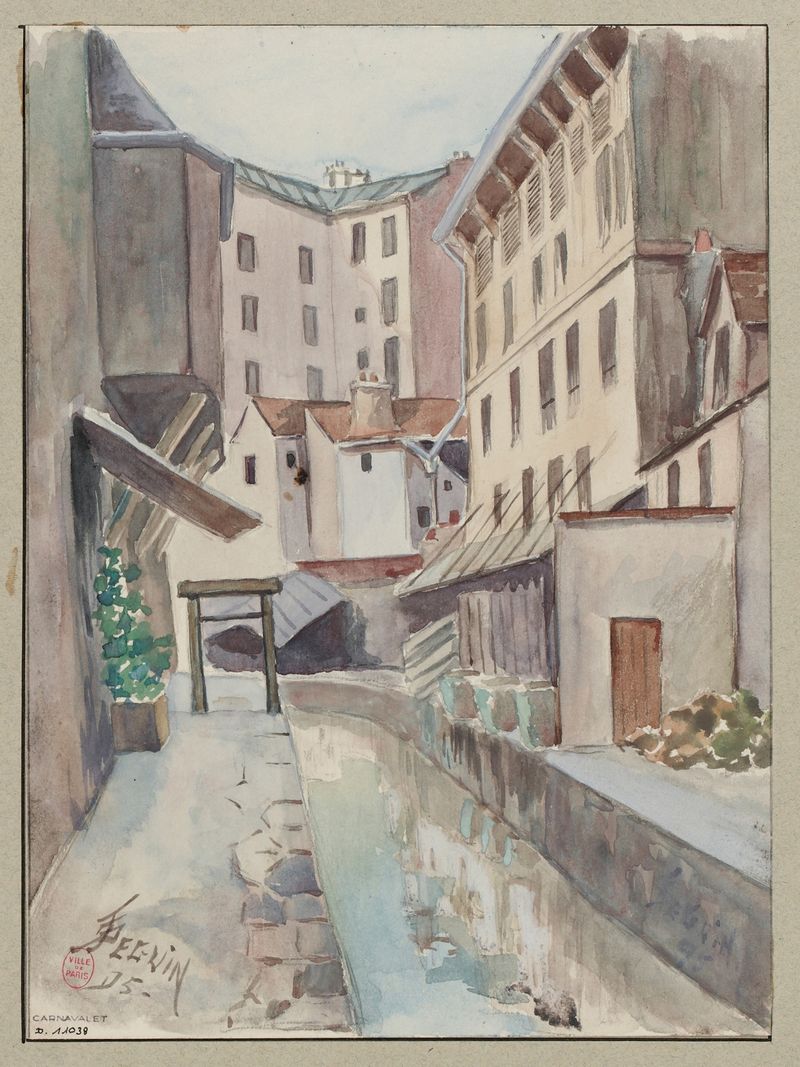
Le bord de la Bièvre à l’avenue des Gobelins
F. Séguin

Villa des Otages mur où furent fusillés les 52 derniers otages de la Commune, rue Haxo
F. Séguin
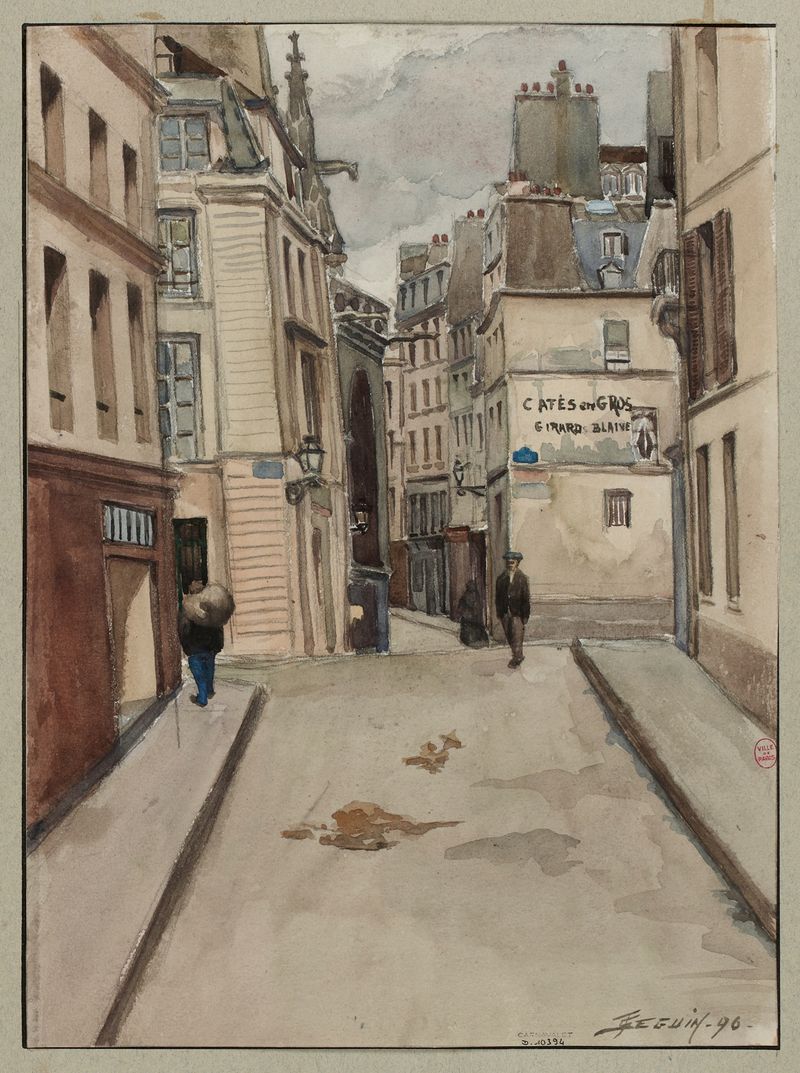
Rue du Cloître Saint Mérry, de la rue du Renard à la rue Saint Martin
F. Séguin
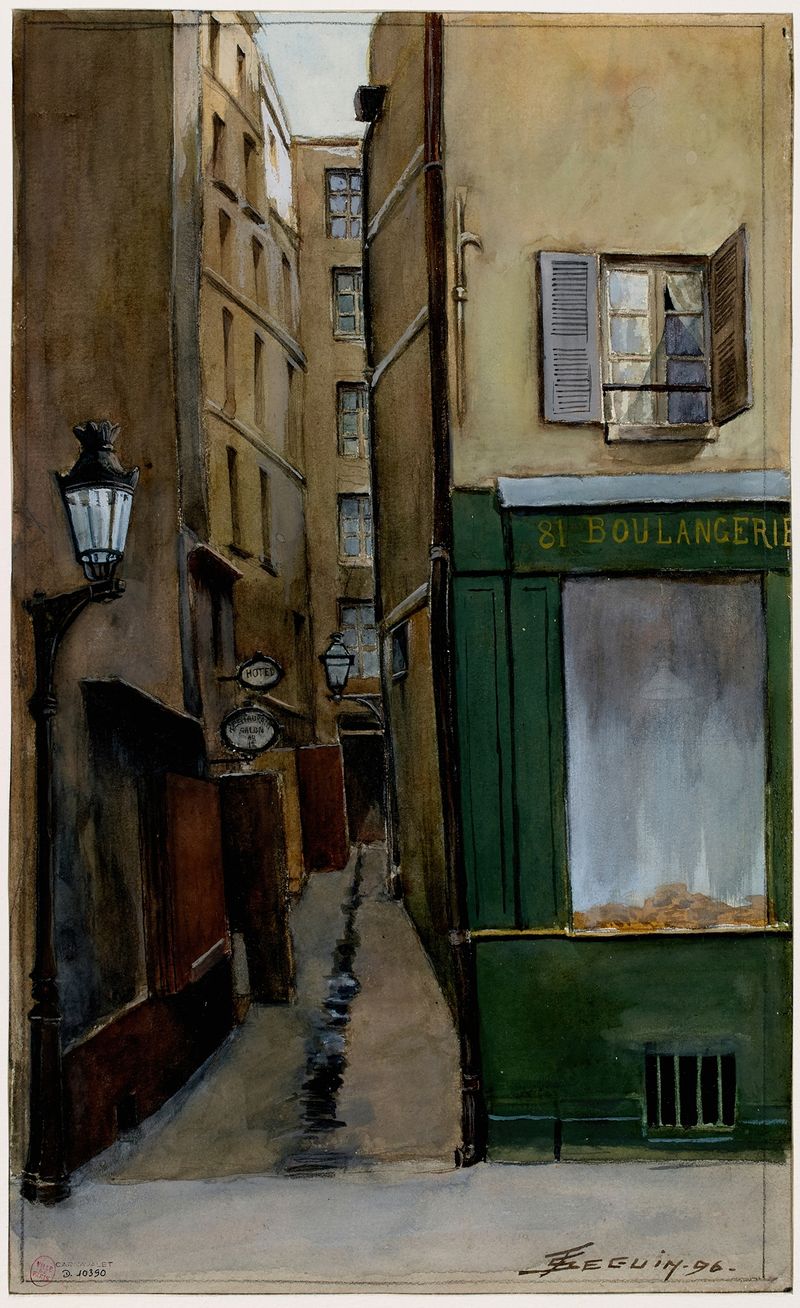
Cul de sac du Fiacre, 81 rue Saint Martin
F. Séguin
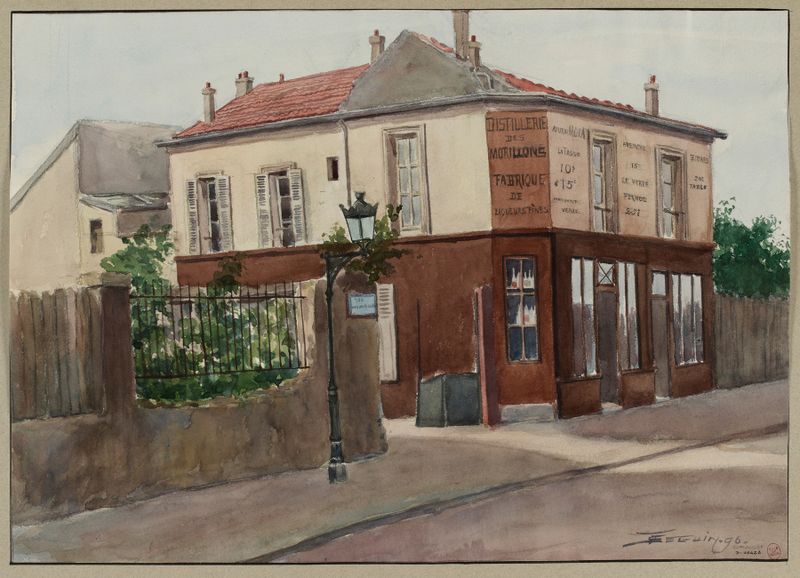
Angle de l’impasse Carlier et au 24 rue des Morillons, Vaugirard
F. Séguin
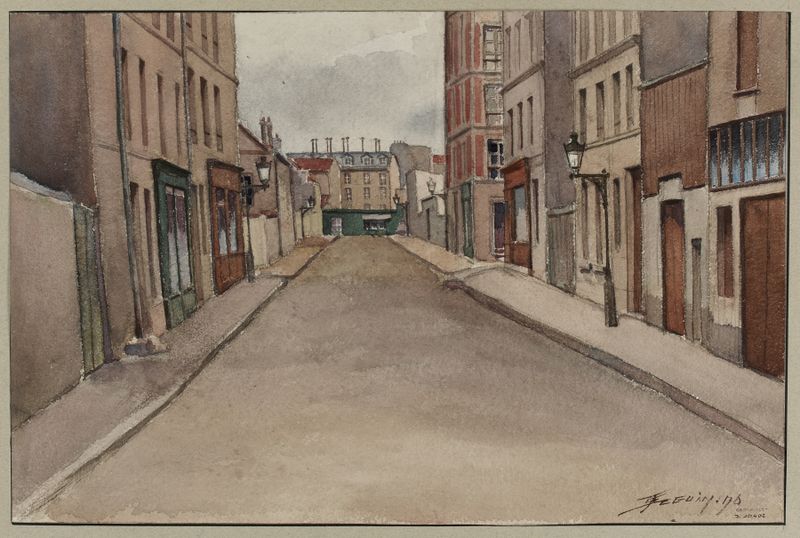
Rue Franquet
F. Séguin





