
Rue de l’Hôte de Ville derrière l’Hôtel de Sens, prise de la rue des Nonnains d’Hyères — History & Facts
This sentiment lingers in the air, evoking the tension between desire and despair that often defines our obsessions. In a world framed by longing, art becomes a sacred space where our passions can dance, however fleetingly. Focus first on the intricate interplay of light and shadow that dances across the cobblestone street, leading the eye toward the stately Hôtel de Sens. Notice how the pale, muted tones of the architecture contrast sharply with the rich, earthy hues of the foreground, revealing the artist’s mastery of perspective and color.
The soft brush strokes create a gentle blur, as if time itself momentarily collapses, inviting us deeper into this intimate scene. Within this tranquil setting lies an undercurrent of tension—a sense of nostalgia that clings to the viewer like a whisper. The solitary figure, positioned near the street's edge, evokes a profound sense of isolation, an embodiment of obsession for a moment lost in time. The winding alleyway seems to beckon, hinting at unseen stories while representing the duality of beauty: both alluring and haunting, drawing us in while reminding us of the fragility of our desires. F.
Séguin painted this work in 1897 during a time of great artistic transition in France. The Impressionist movement was in full bloom, influencing many artists, including Séguin, who sought to capture the essence of light and atmosphere. This period marked a growing fascination with urban landscapes, responding to the rapid modernization of Parisian life, and reflects the artist's desire to immortalize fleeting moments of beauty amidst the chaos of change.
More Artworks by F. Séguin
Browse all →
Rue Brantôme. (anciennement rue des Petits Champs donnant rue Saint Martin et rue Beaubourg)
F. Séguin
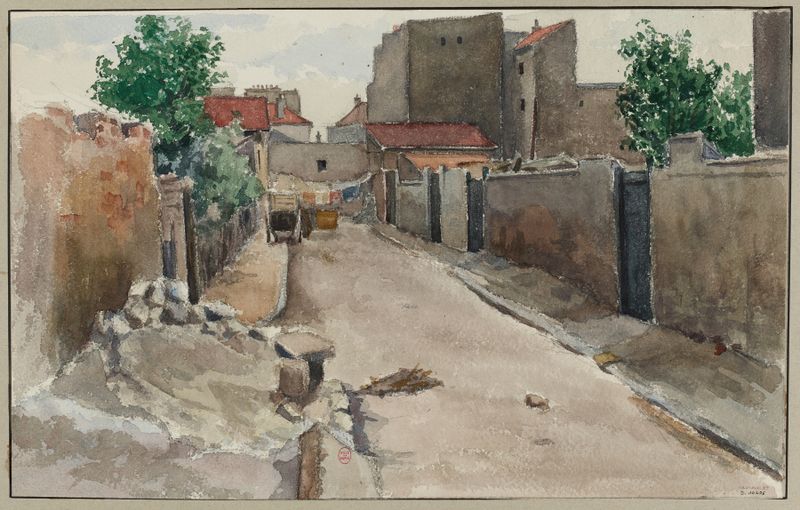
La rue de Chambéry, prise de la rue de Nice la Frontière
F. Séguin
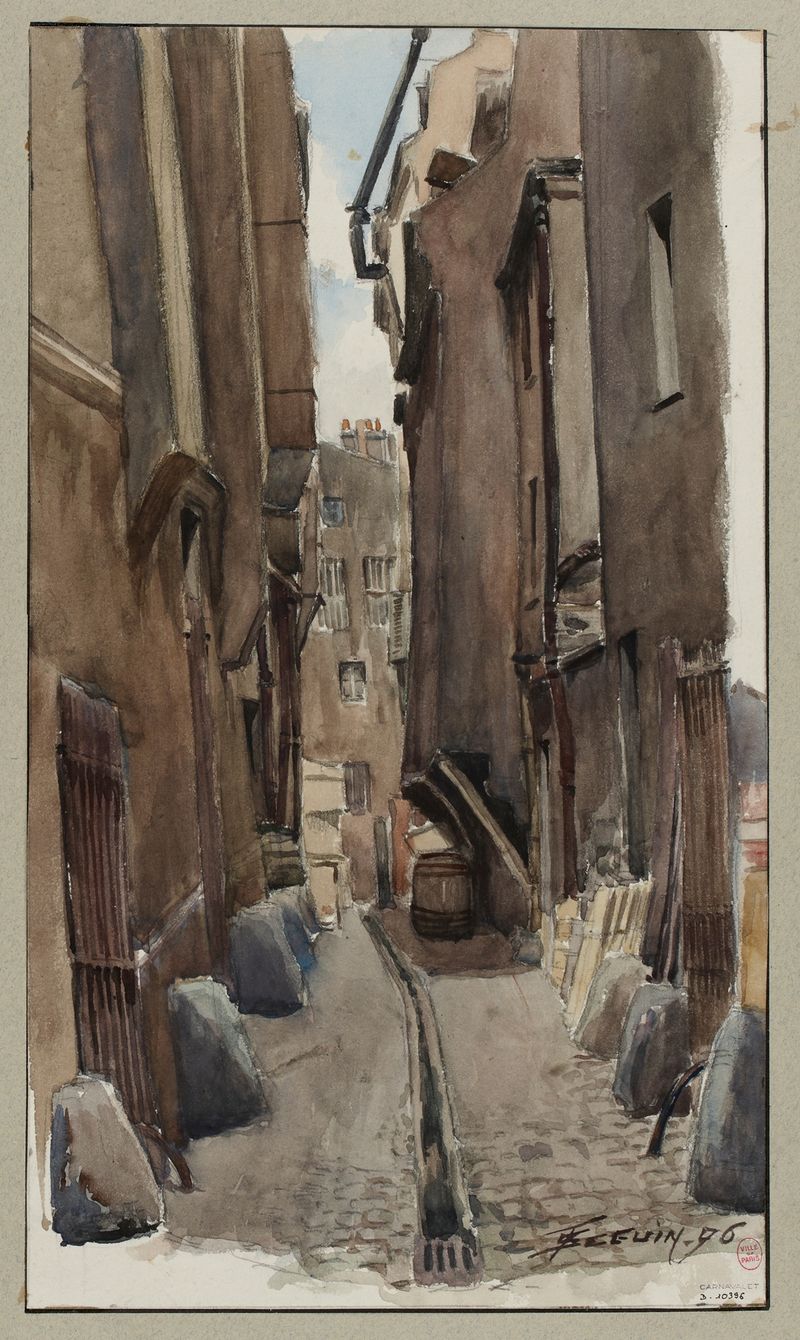
Le Cul de sac du Bœuf, (rue Saint Merri)
F. Séguin

Rue Descartes
F. Séguin
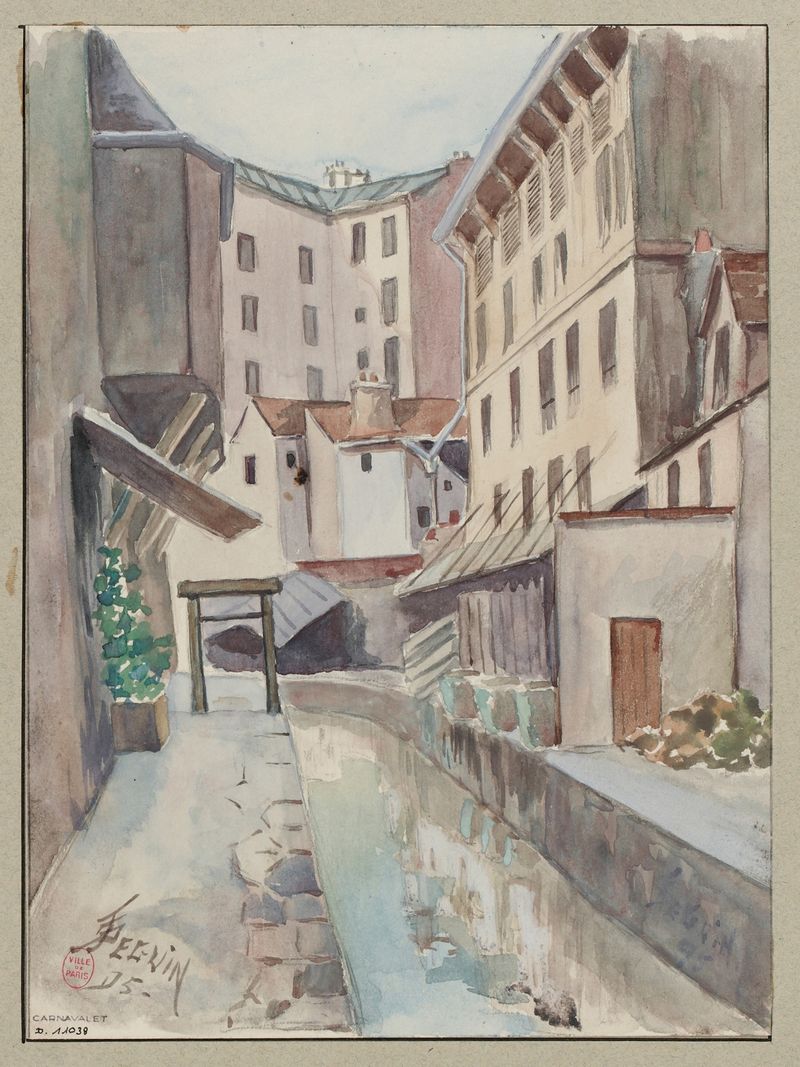
Le bord de la Bièvre à l’avenue des Gobelins
F. Séguin

Villa des Otages mur où furent fusillés les 52 derniers otages de la Commune, rue Haxo
F. Séguin
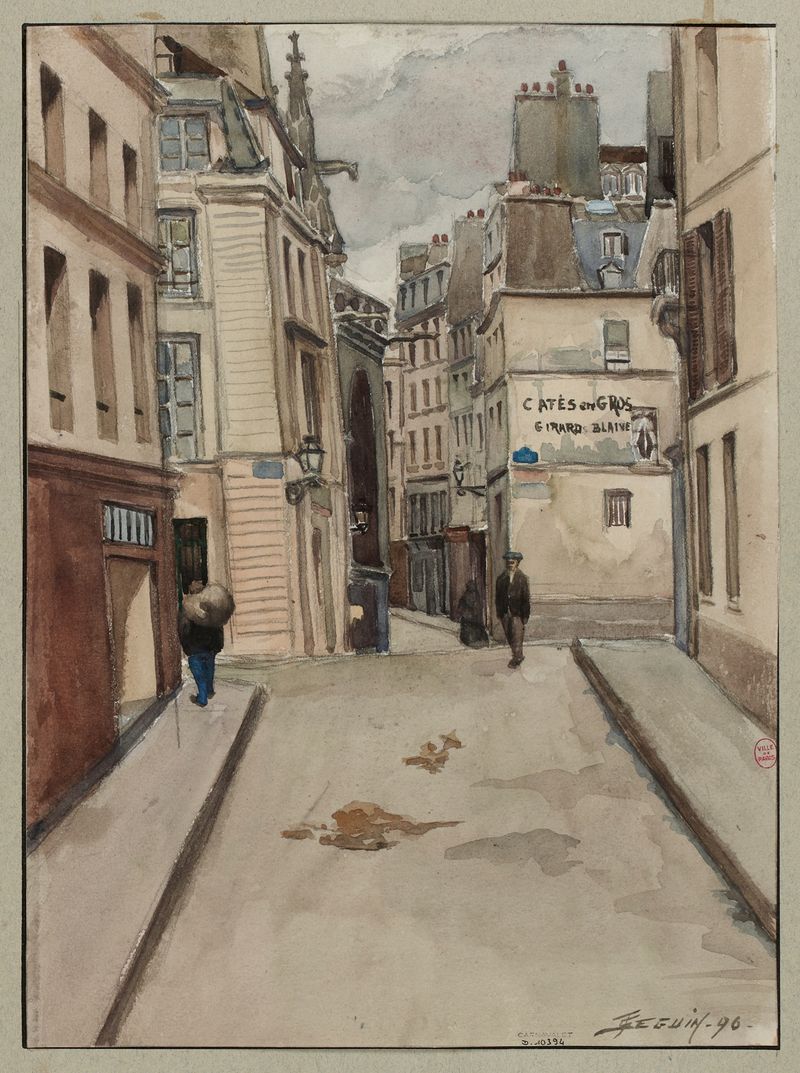
Rue du Cloître Saint Mérry, de la rue du Renard à la rue Saint Martin
F. Séguin
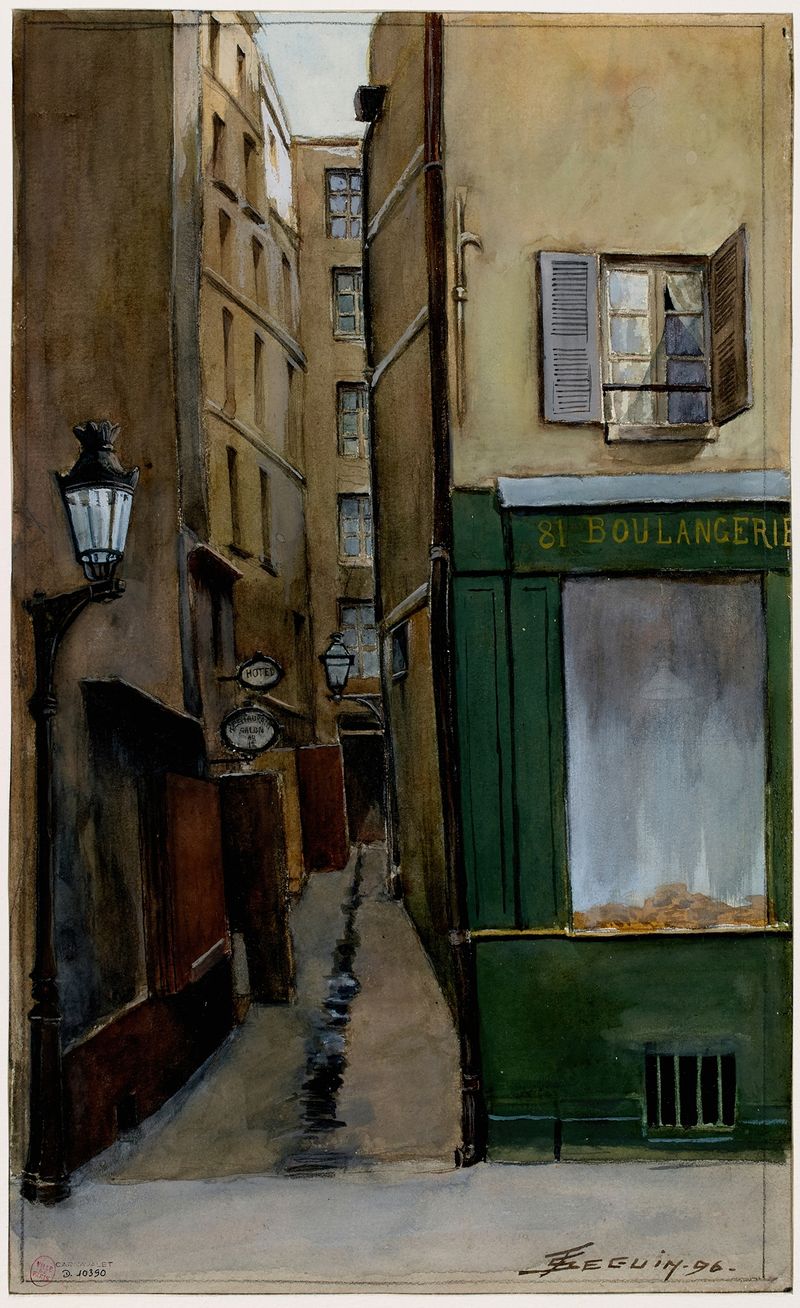
Cul de sac du Fiacre, 81 rue Saint Martin
F. Séguin
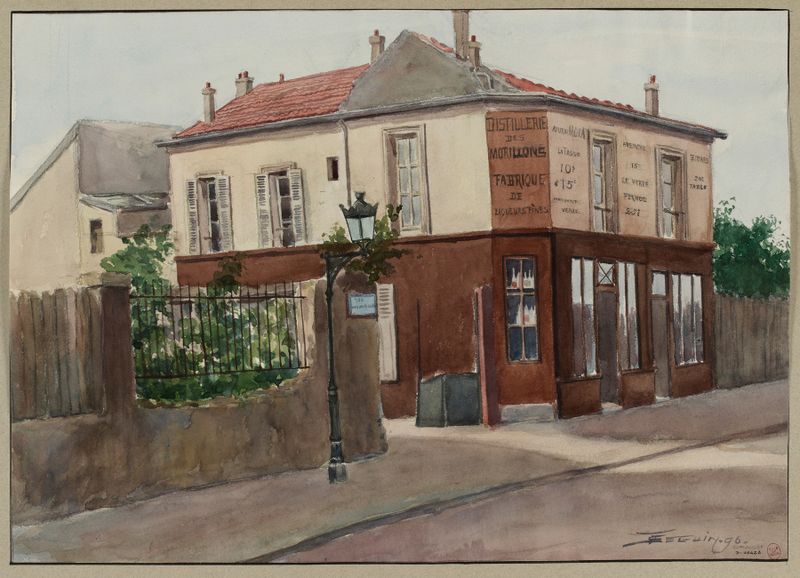
Angle de l’impasse Carlier et au 24 rue des Morillons, Vaugirard
F. Séguin
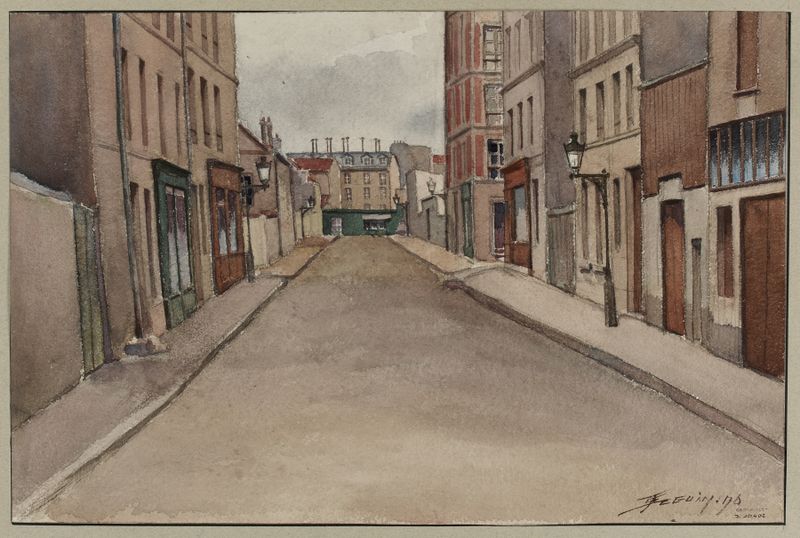
Rue Franquet
F. Séguin





