
Rue De Village — History & Facts
Can beauty exist without sorrow? In Rue de Village, a serene village street unfolds, bathed in a gentle light that beckons the viewer into its tranquil embrace. Here, the soft interplay of colors invites contemplation, revealing both the simplicity of rural life and its underlying complexities. Look to the left at the quaint stone cottages, their warm hues glowing under the afternoon sun. Notice how the artist expertly captures the dappled light filtering through the trees, painting shadows that dance across the cobblestones.
The carefully composed perspective draws the eye down the winding street, where hints of life—clothes hanging outside, a few villagers in the distance—speak of daily rituals nestled in the stillness of this picturesque setting. Yet, there lies a palpable tension within the idyllic scene. The vibrant colors, while inviting, also evoke a sense of nostalgia, suggesting a longing for moments lost. The absence of figures up close contrasts with the lively atmosphere, hinting at stories left untold.
This juxtaposition between beauty and absence creates a transcendent experience, allowing the viewer to reflect on the fleeting nature of happiness and the weight of unexpressed emotions. Montézin created this piece during a time when Impressionism was evolving, likely in the early 20th century, amidst the shifting dynamics of post-war France. As he painted in his homeland, the world around him was undergoing rapid change, yet he chose to encapsulate a moment of peace and observation. In Rue de Village, he captures not just a village but an ethereal emotional landscape, inviting us to ponder our own relationships with beauty, memory, and the passage of time.
More Artworks by Pierre-Eugène Montézin
Browse all →
Chaumières aux fenêtres et volets tourquoises
Pierre-Eugène Montézin

Quai à Saint-Mammes
Pierre-Eugène Montézin
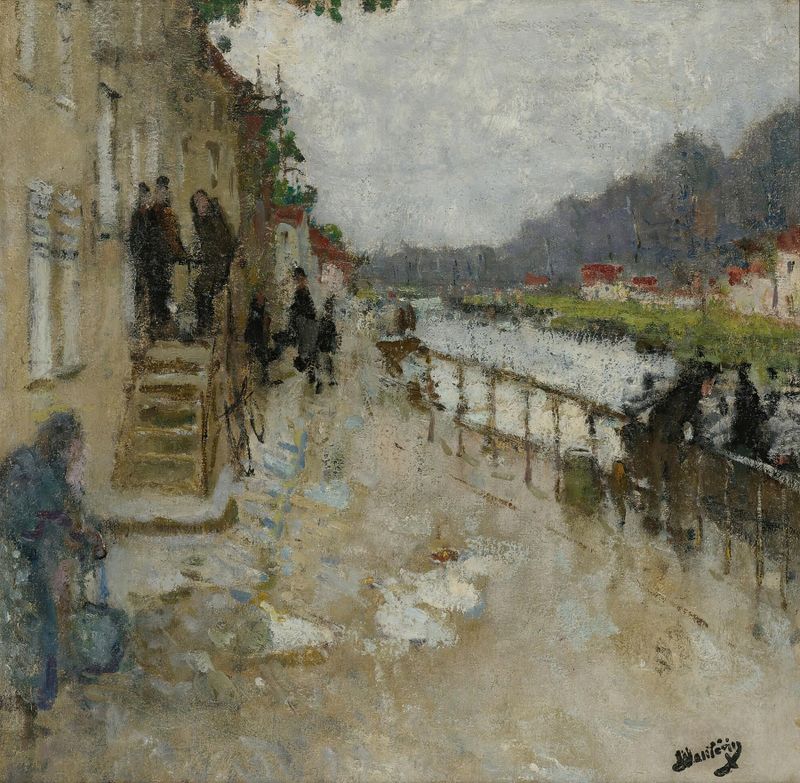
Bord De Canal À Saint-Mammès
Pierre-Eugène Montézin
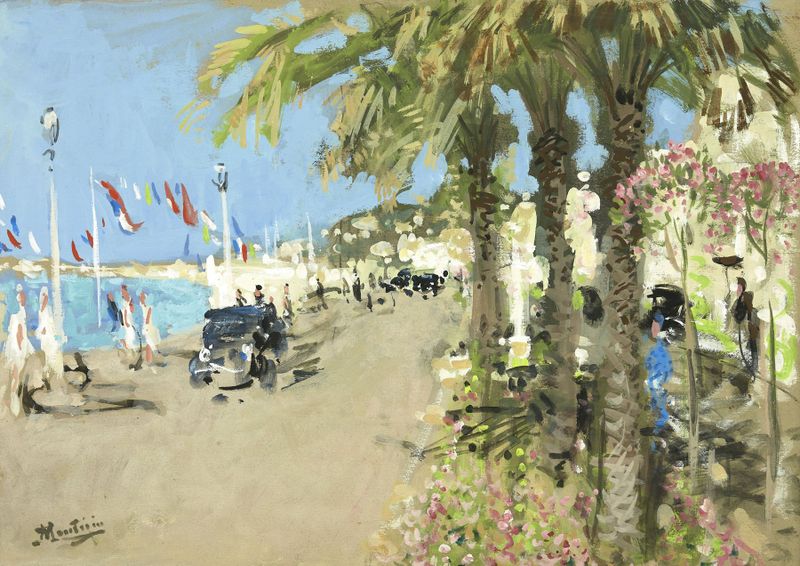
La promenade des Anglais, Nice
Pierre-Eugène Montézin
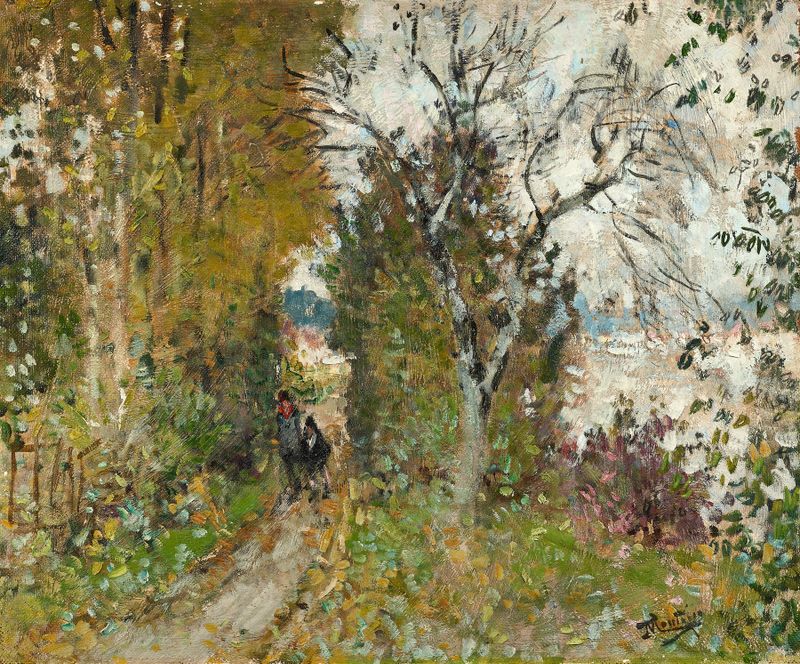
Promenade au bord de l’eau
Pierre-Eugène Montézin

Verger en fleurs
Pierre-Eugène Montézin

Misy Sur Yonne
Pierre-Eugène Montézin
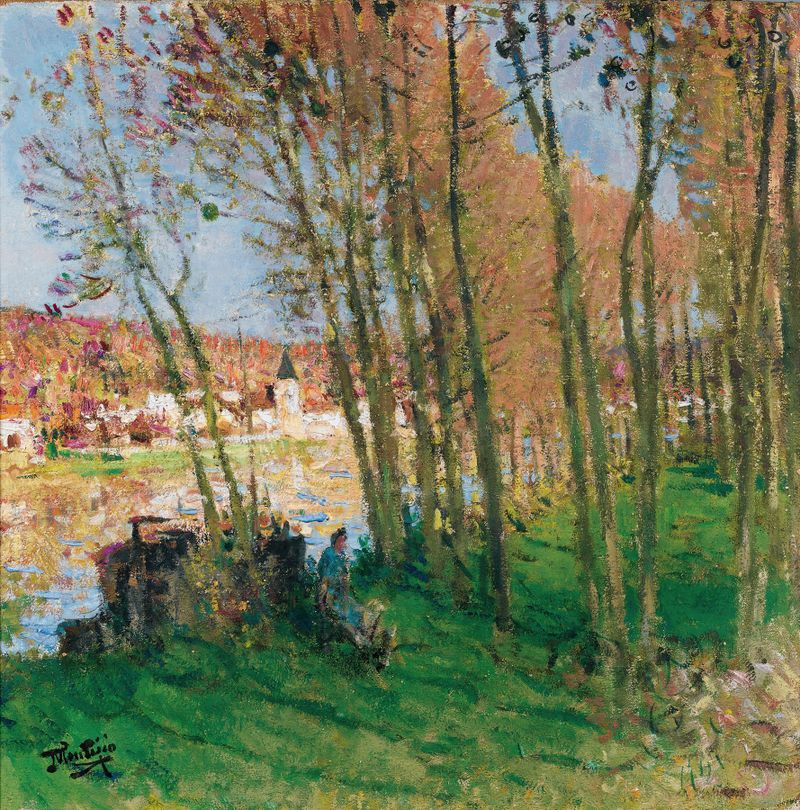
Bord De L’eau
Pierre-Eugène Montézin

La Seine à St. Monance
Pierre-Eugène Montézin

L’entrée Du Village
Pierre-Eugène Montézin





