
Rue des deux-ecus du Nº30 au 34 — History & Facts
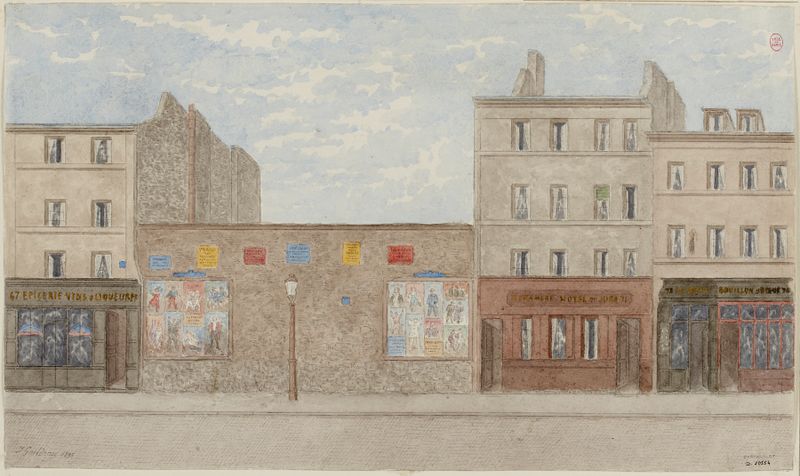
In a world where betrayal lurks behind every corner, art becomes our refuge and our mirror, revealing the poignant complexities of human emotion. Look closely at the vivid strokes of color as they dance across the canvas, drawing your gaze to the lively street scene. Notice how the deep shadows play against the warm hues of the buildings, creating a contrast that pulls you into the heart of the bustling Rue des deux-ecus. The figures, caught mid-gesture, convey stories of connection and distance, their expressions a mix of joy and underlying tension that hints at unspoken conflicts. Amidst the vibrancy, one can sense a palpable unease—a subtle betrayal woven into the fabric of daily life.
The allure of the marketplace contrasts with the solitude of a woman glimpsed in the corner, her eyes reflecting longing and perhaps regret, underscoring the dualities of affection and distrust. Each passerby seems to embody their own narrative, interlinked yet isolated, evoking a powerful commentary on the fragility of human relationships. Though the exact date is uncertain, Rue des deux-ecus du Nº30 au 34 emerged during a transformative period for Jules Gaildrau. Working in France during the late 19th century, he was influenced by the Impressionist movement, seeking to capture the essence of modern life.
His exploration of urban scenes revealed the complexities of society, mirroring both the vibrancy and the tensions present in everyday interactions, a theme that remains relevant today.
More Artworks by Jules Gaildrau
Browse all →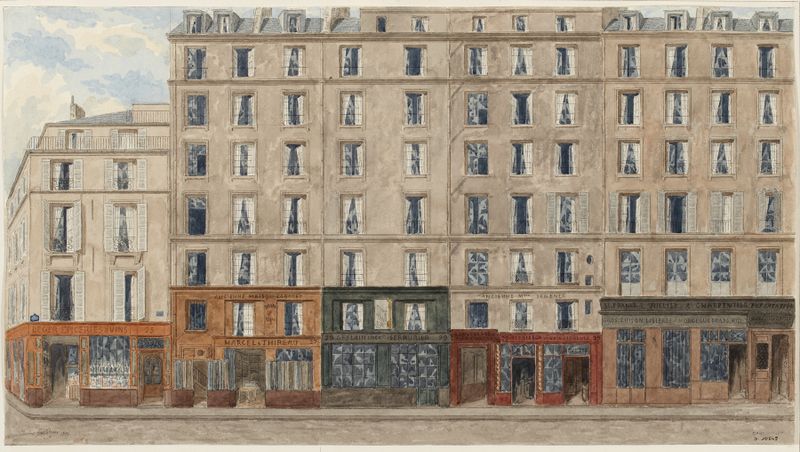
Rue des Deux-Ecus Nº25 à 31 (actuelle rue Berger), 1er arrondissement
Jules Gaildrau
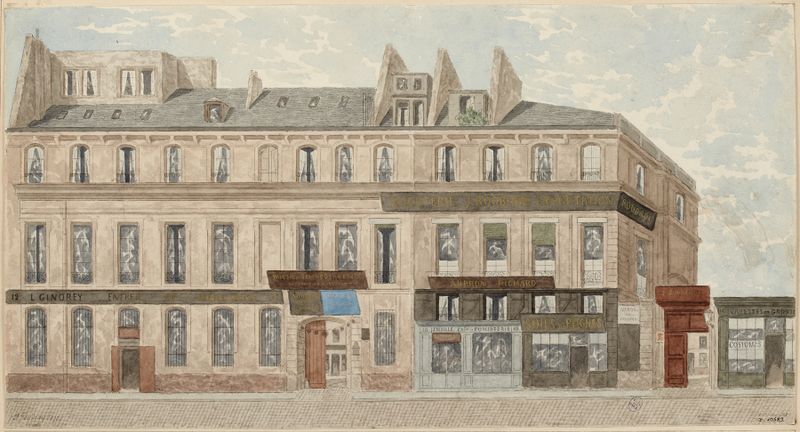
Rue Thévenot nº10 et 12 (actuelle rue Réaumur), 3ème arrondissement
Jules Gaildrau
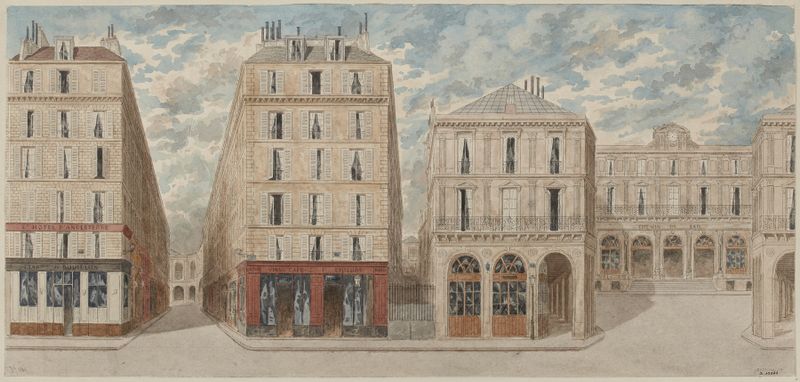
Numéros 112 à 118 de la rue Saint-Lazare, 8ème arrondissement
Jules Gaildrau
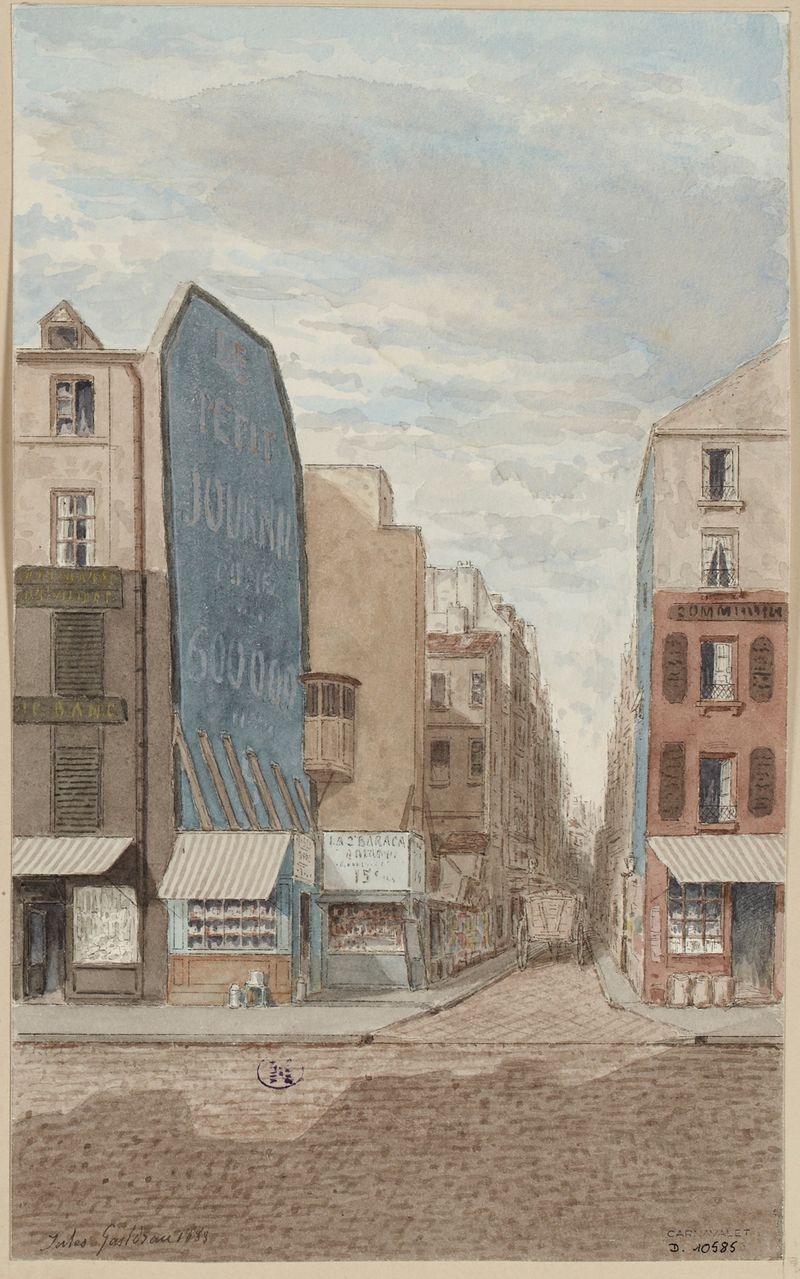
Entrée de la rue des Filles-Dieu (actuelle rue d’Alexandrie depuis 1897), vue de la rue Saint-Denis, 2ème arrondissement
Jules Gaildrau
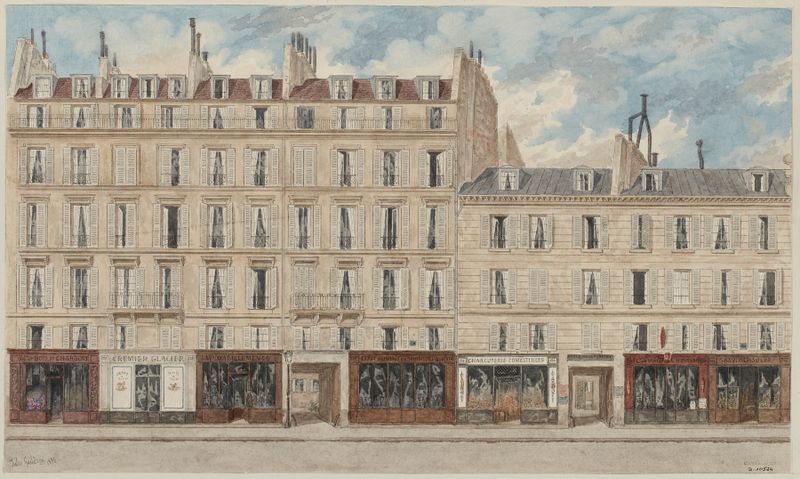
Numéros 126 et 128 de la rue Saint-Lazare, 8ème arrondissement
Jules Gaildrau
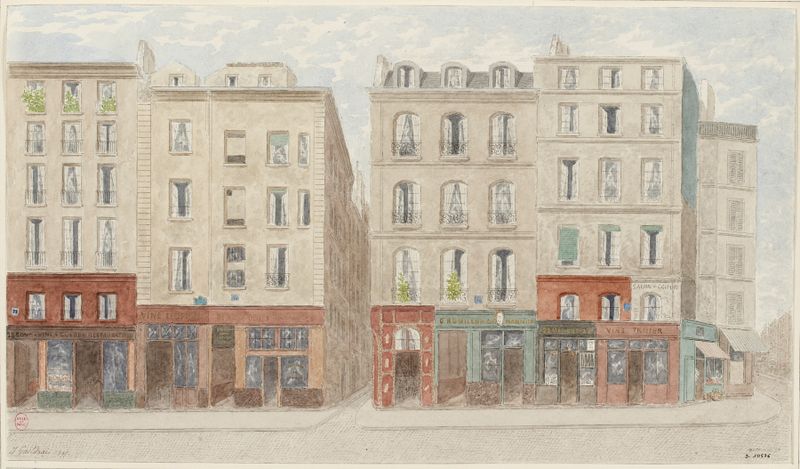
Rue Beaubourg Nº22 à 28, 3ème arrondissement
Jules Gaildrau
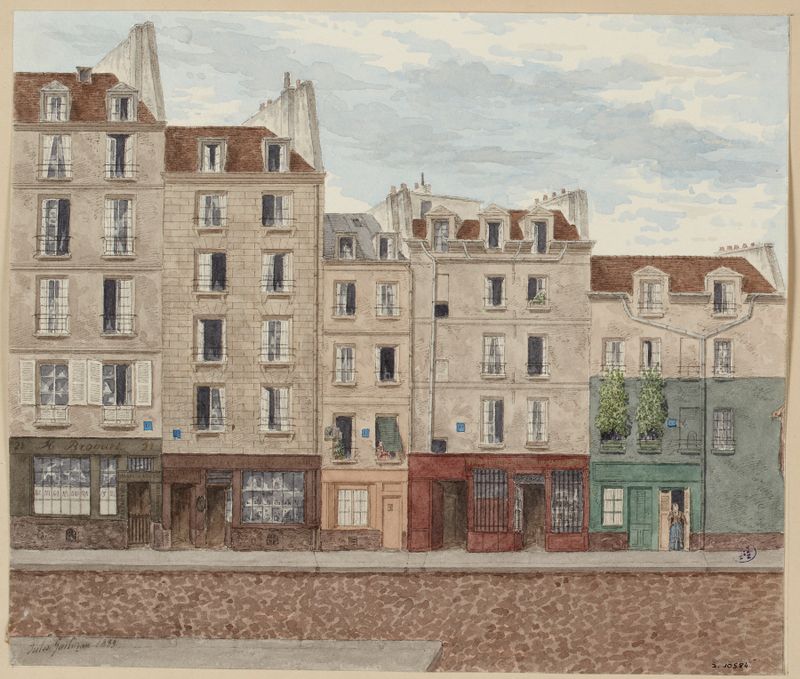
Rue des Filles-Dieu Nº21 à 29 (actuelle rue d’Alexandrie depuis 1897), 2ème arrondissement
Jules Gaildrau
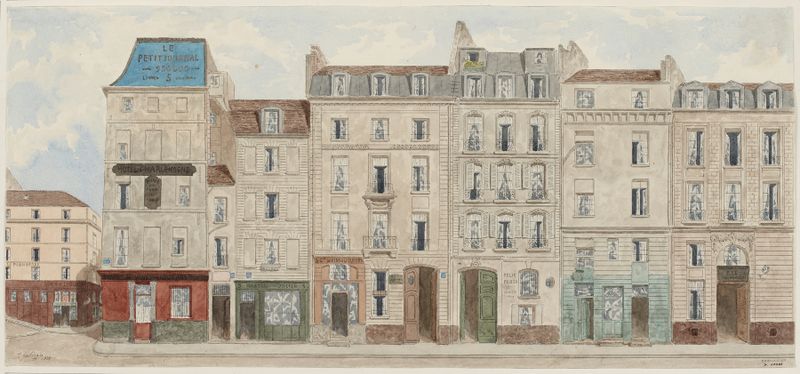
Rue du Fouarre Nº1 à 11, 5ème arrondissement
Jules Gaildrau
Rue Vaneau Nº67 à 73, 7ème arrondissement
Jules Gaildrau
Rue Beaubourg Nº16 à 20, 4ème arrondissement
Jules Gaildrau





