
Rue des Etuves Saint Martin,donnant rue Beaubourg et rue Saint Martin — History & Facts
Could beauty survive in a century of chaos? The question lingers as we gaze upon the intricate layers of urban life captured in this piece, where time seems to flow endlessly, much like the streets that weave through the bustling heart of Paris. Look to the left where the soft glow of twilight casts a golden hue over the cobblestone expanse. Notice how the artist masterfully contrasts warm earth tones with cooler shadows, creating a vibrant yet serene atmosphere. The bustling figures, emerging from doorways and mingling on the street, are expertly rendered, inviting the viewer to step into their world.
Each brushstroke meticulously details the architecture, drawing the eye along the winding passages that offer both familiarity and discovery. Delve deeper into the scene, and you will feel the pulse of the city — a blend of modernity and nostalgia. The juxtaposition of the lively pedestrians against the stoic buildings reflects an emotional tension between progress and preservation. Hidden among the swirling colors are whispers of stories untold, capturing fleeting moments that evoke a sense of longing for the past amidst the relentless march of time. In 1896, F.
Séguin was immersed in the vibrant Parisian art scene, a period marked by a shift towards Impressionism and a burgeoning urban identity. Located in the heart of this transformative city, the artist sought to encapsulate the essence of everyday life, reflecting both its beauty and its transient nature. As industrialization altered the landscape, his work emerged as a testament to the delicate balance between change and the enduring charm of city life.
More Artworks by F. Séguin
Browse all →
Rue Brantôme. (anciennement rue des Petits Champs donnant rue Saint Martin et rue Beaubourg)
F. Séguin
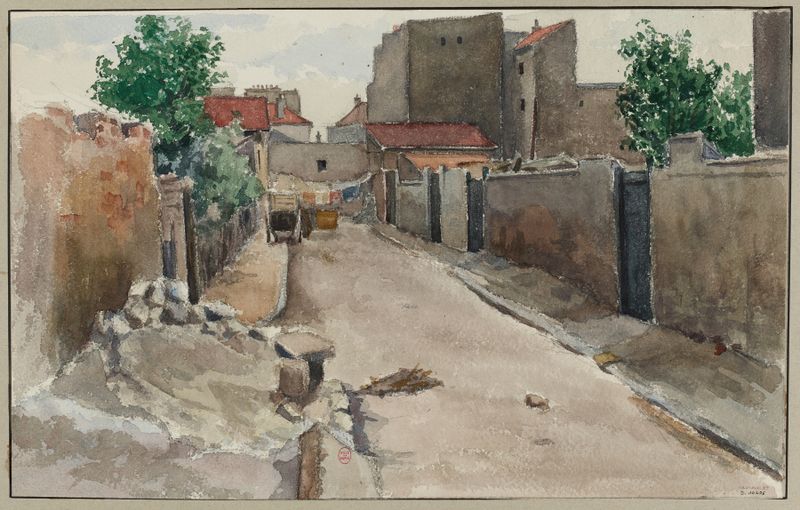
La rue de Chambéry, prise de la rue de Nice la Frontière
F. Séguin
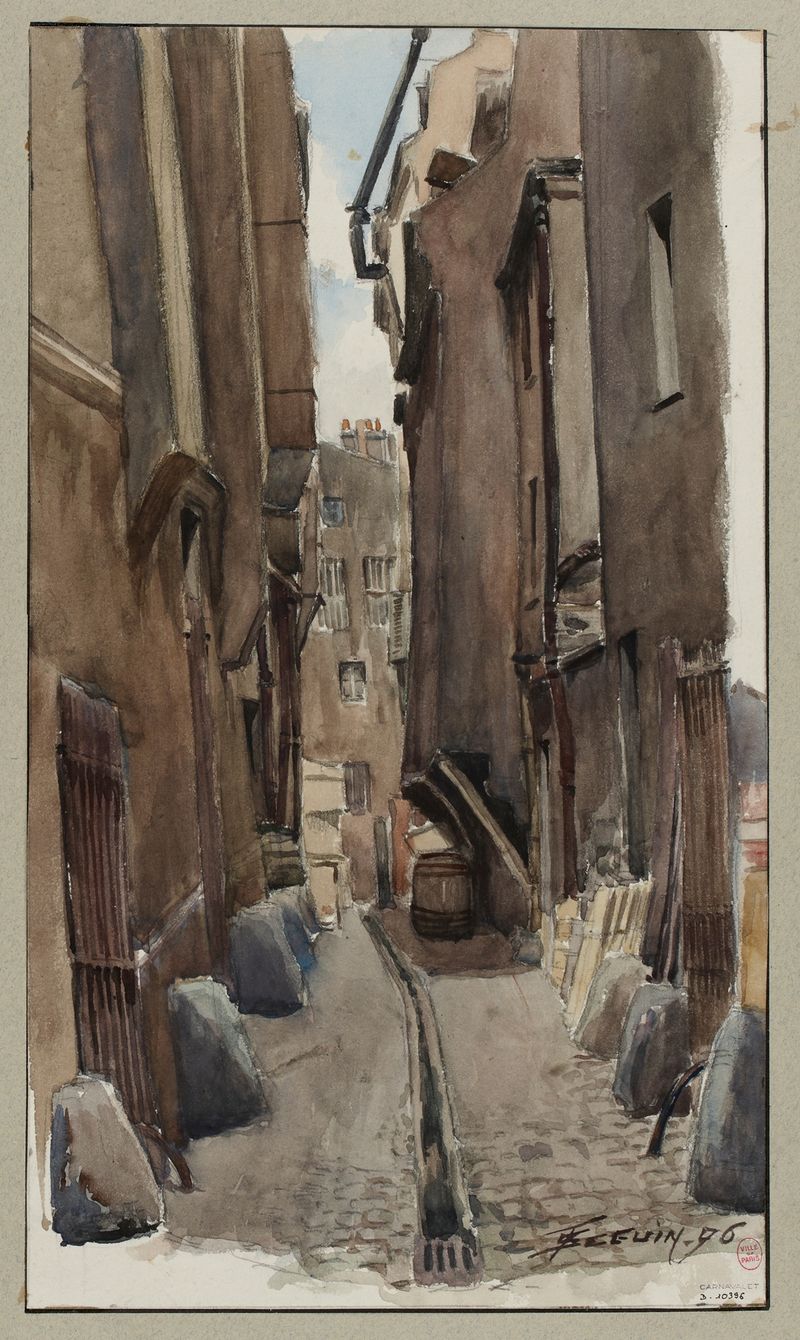
Le Cul de sac du Bœuf, (rue Saint Merri)
F. Séguin

Rue Descartes
F. Séguin
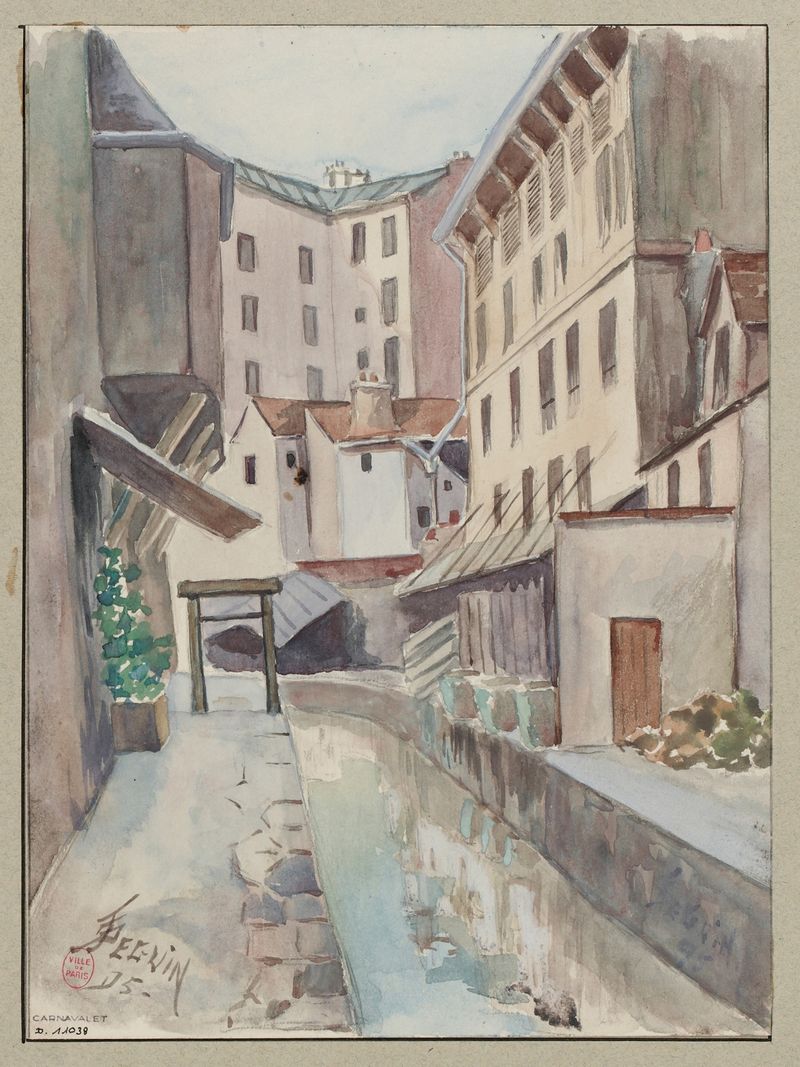
Le bord de la Bièvre à l’avenue des Gobelins
F. Séguin

Villa des Otages mur où furent fusillés les 52 derniers otages de la Commune, rue Haxo
F. Séguin
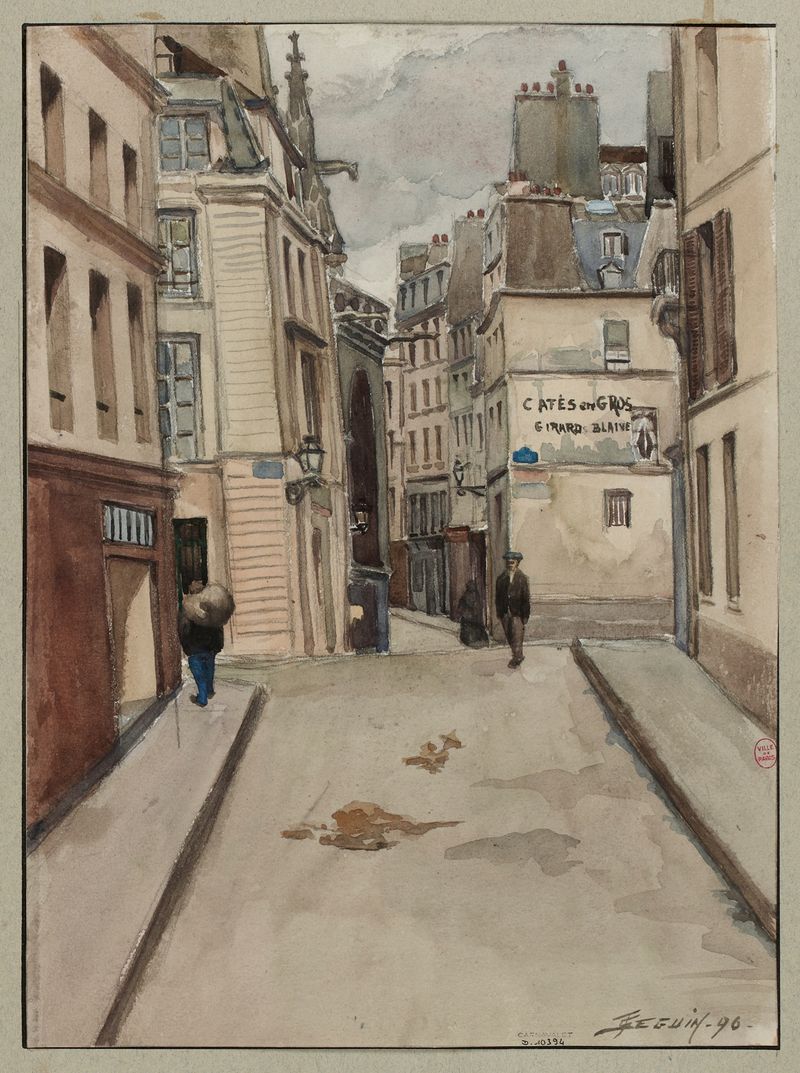
Rue du Cloître Saint Mérry, de la rue du Renard à la rue Saint Martin
F. Séguin
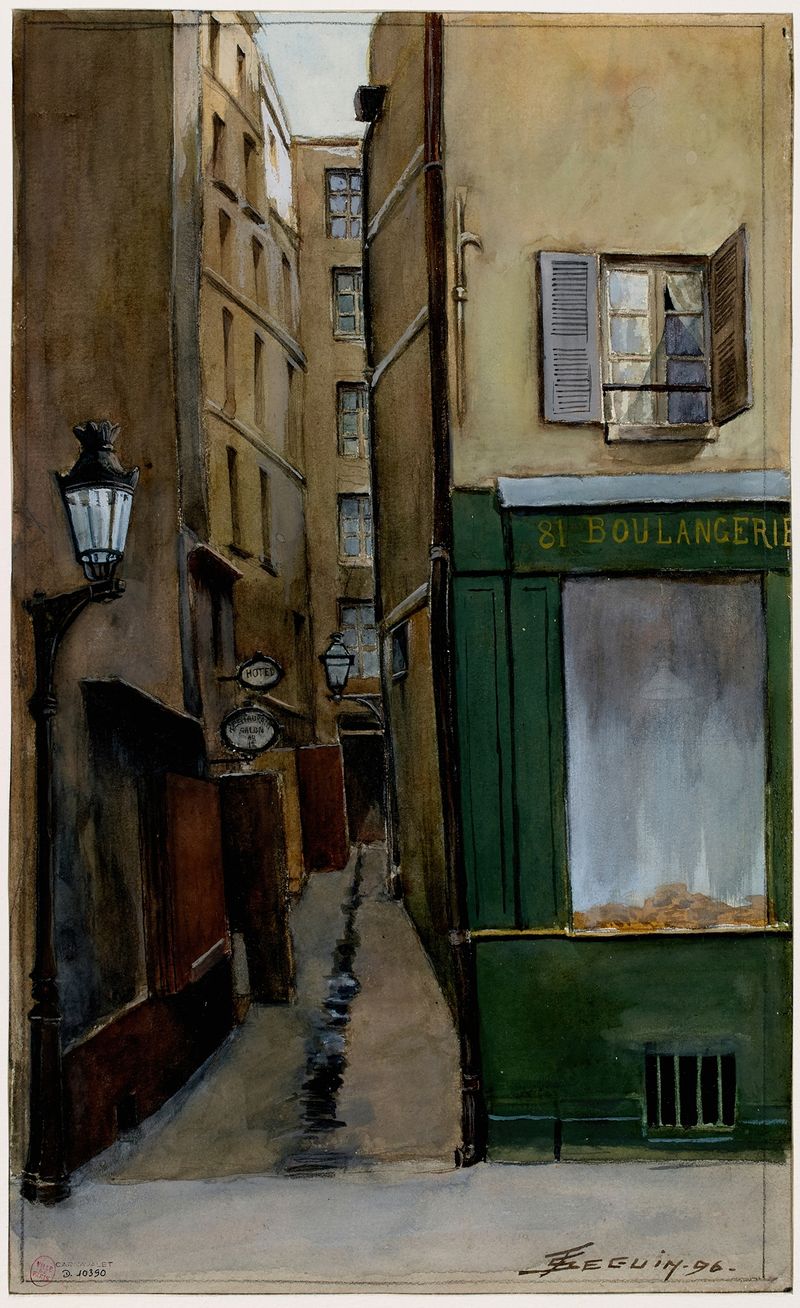
Cul de sac du Fiacre, 81 rue Saint Martin
F. Séguin
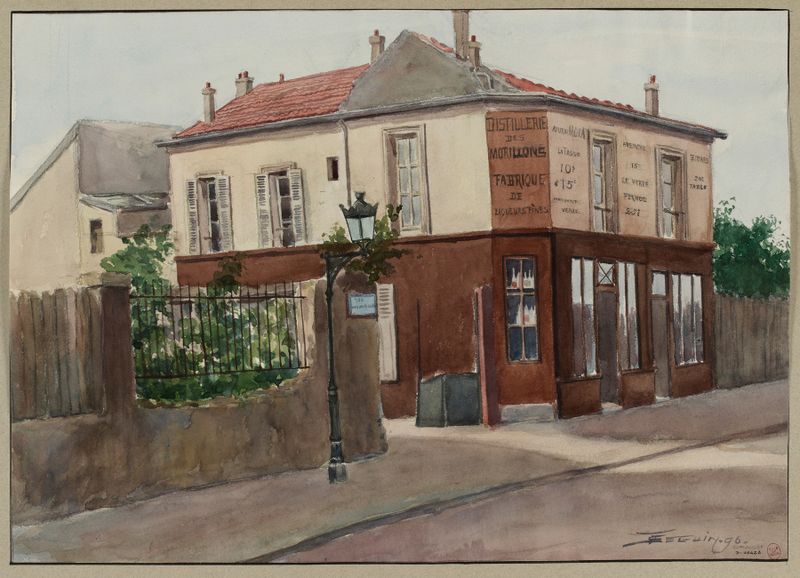
Angle de l’impasse Carlier et au 24 rue des Morillons, Vaugirard
F. Séguin
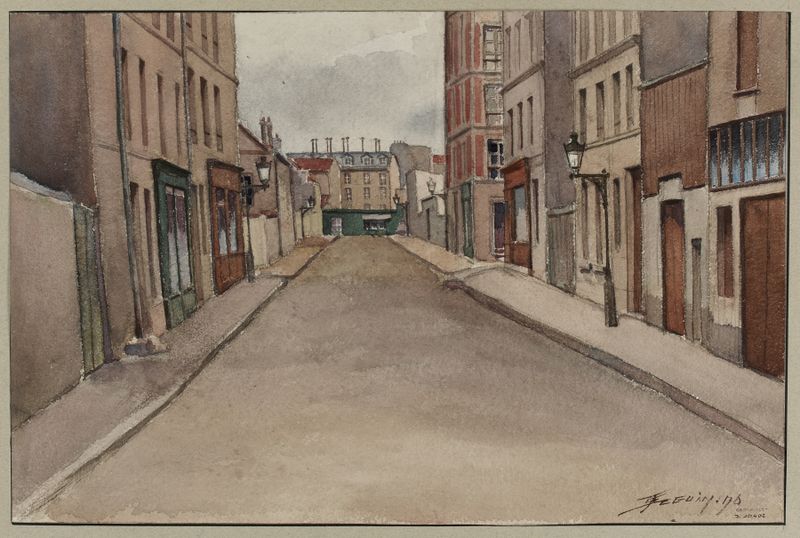
Rue Franquet
F. Séguin





