
Rue des Morillons. — History & Facts
Where does light end, and longing begin? In the quiet embrace of twilight, the past often lingers like the fading warmth of a summer day, evoking a sense of nostalgia that transcends time. Focus on the gentle hues that wash over the street in Rue des Morillons. The soft pastels blend into one another, creating an atmospheric glow that hints at the approaching dusk. Notice how the delicate brushstrokes capture the interplay of light and shadow, particularly around the quaint facades of the buildings, as if they are whispering secrets of days gone by.
The cobblestone path leads the eye forward, inviting the viewer to step into this intimate Parisian scene. As you explore further, subtle contrasts emerge—the warmth of the glowing windows against the cool twilight sky suggests a dichotomy of isolation and company, a celebration of life within the walls, while the empty street evokes feelings of solitude. The presence of a solitary lamppost stands as a guardian of memories, illuminating the space with a soft glow that emphasizes the emotional weight of the moment, inviting contemplation. Here, time feels suspended, and the viewer is drawn into a world where every corner holds a memory. F.
Séguin painted this piece in 1896 in Paris, a time when Impressionism was evolving, and artists were beginning to explore themes of urban life. Amidst a bustling city grappling with modernization, he captured the essence of nostalgia through quiet street scenes, reflecting both the charm and the transience of daily existence. This work is a testament to his ability to convey emotion through the gentle yet profound interplay of light and color.
More Artworks by F. Séguin
Browse all →
Rue Brantôme. (anciennement rue des Petits Champs donnant rue Saint Martin et rue Beaubourg)
F. Séguin
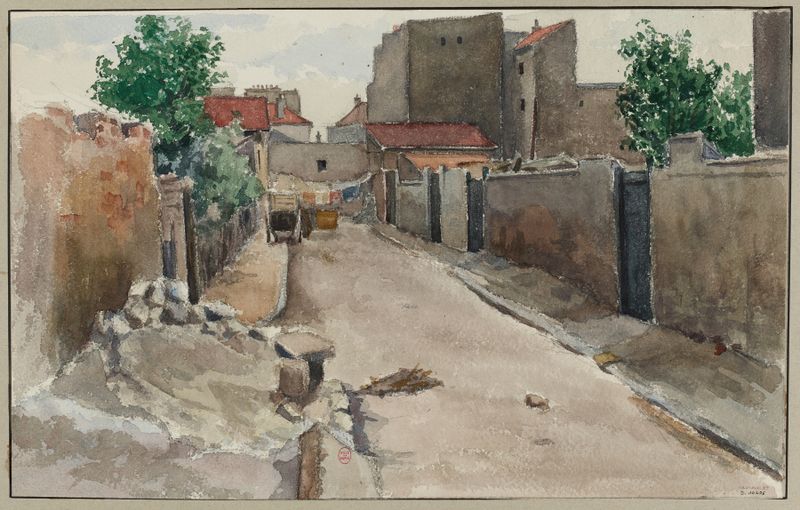
La rue de Chambéry, prise de la rue de Nice la Frontière
F. Séguin
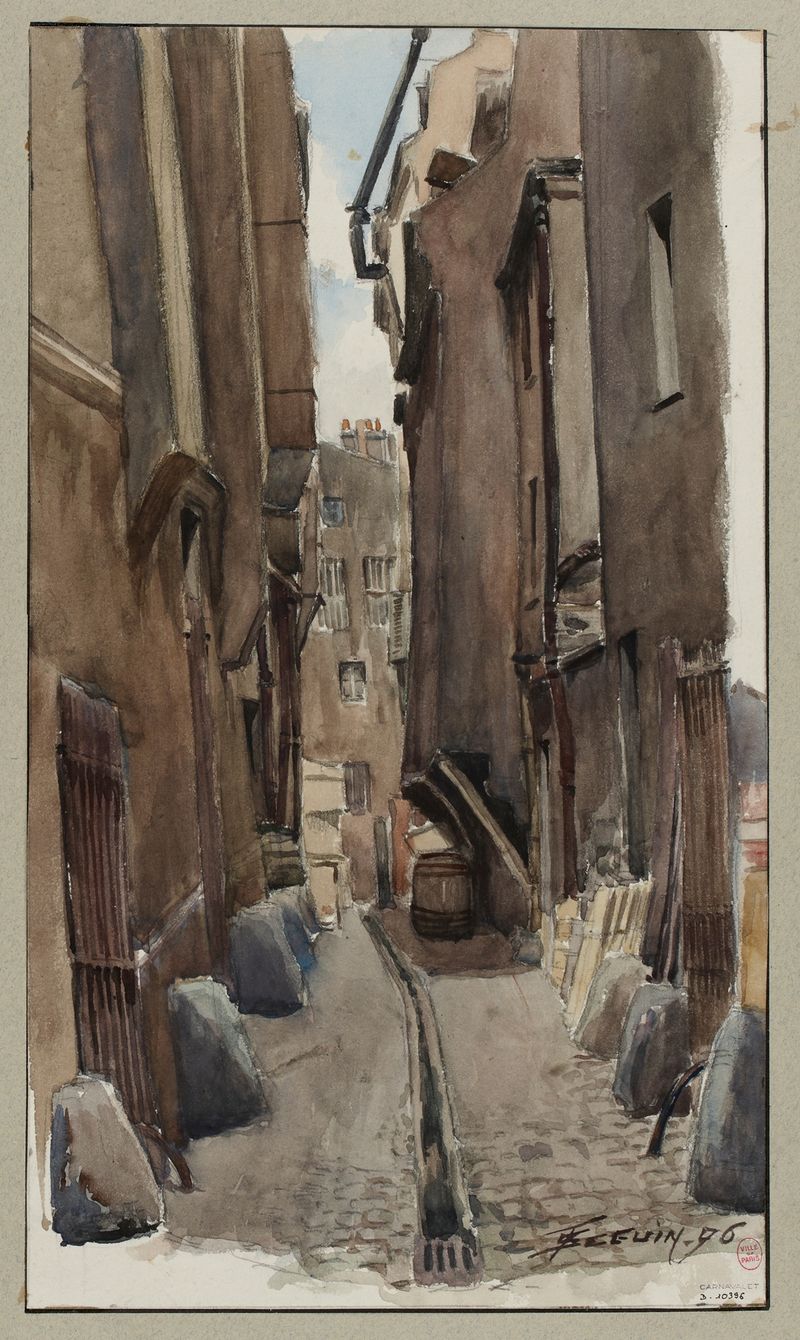
Le Cul de sac du Bœuf, (rue Saint Merri)
F. Séguin

Rue Descartes
F. Séguin
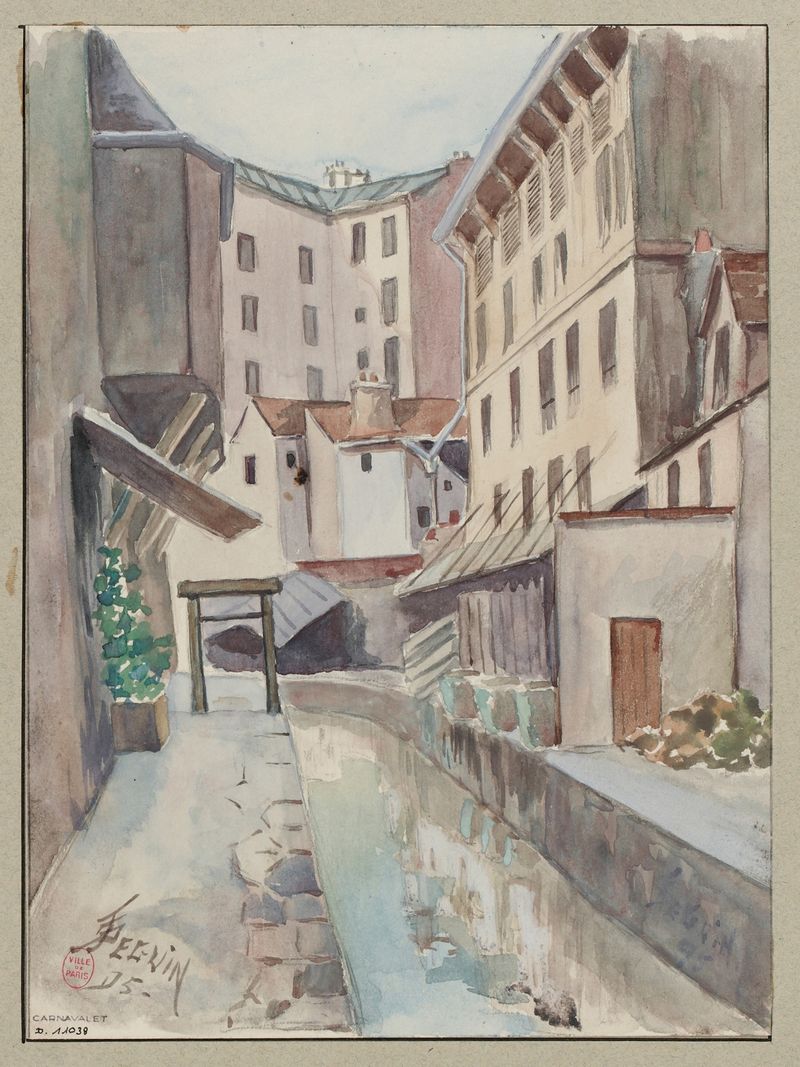
Le bord de la Bièvre à l’avenue des Gobelins
F. Séguin

Villa des Otages mur où furent fusillés les 52 derniers otages de la Commune, rue Haxo
F. Séguin
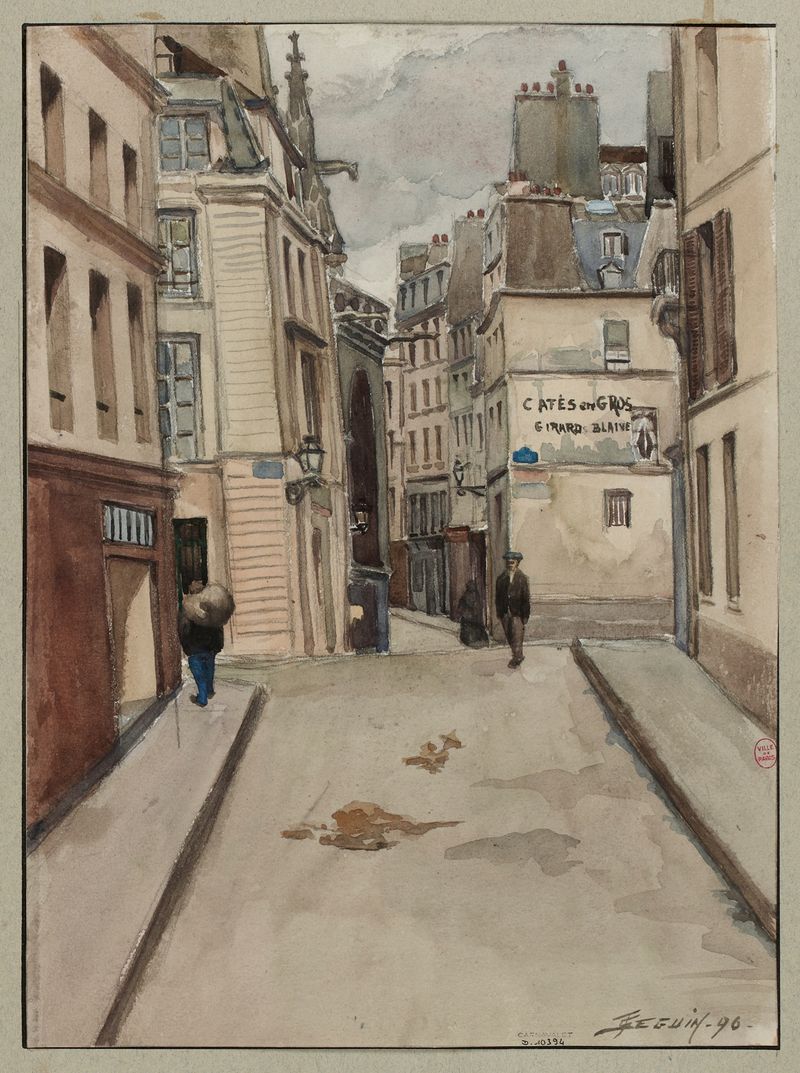
Rue du Cloître Saint Mérry, de la rue du Renard à la rue Saint Martin
F. Séguin
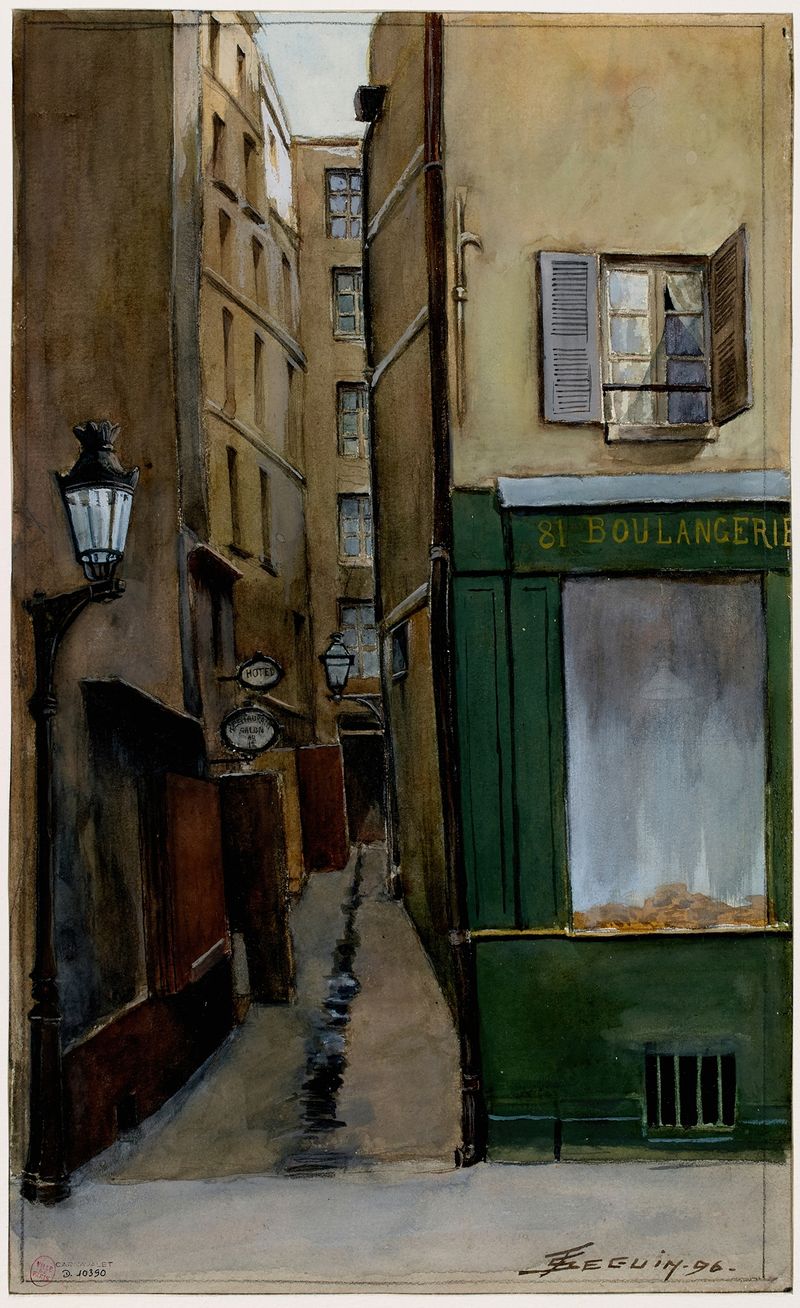
Cul de sac du Fiacre, 81 rue Saint Martin
F. Séguin
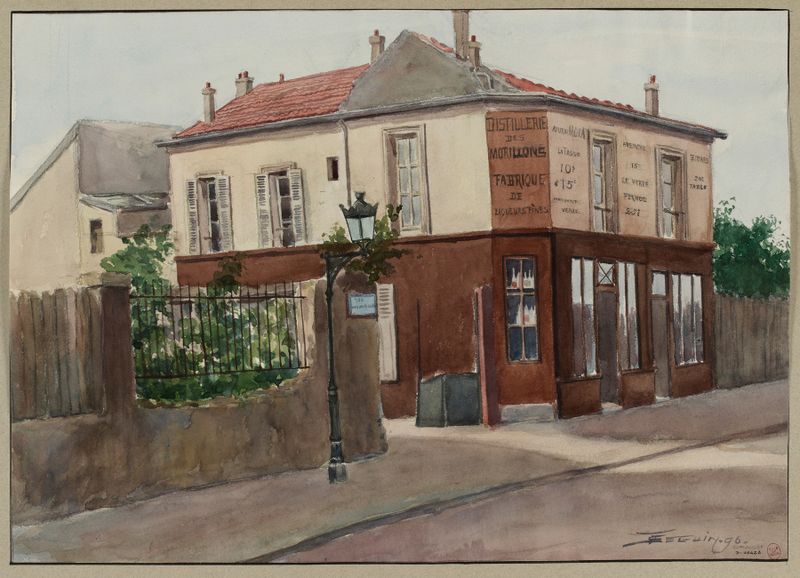
Angle de l’impasse Carlier et au 24 rue des Morillons, Vaugirard
F. Séguin
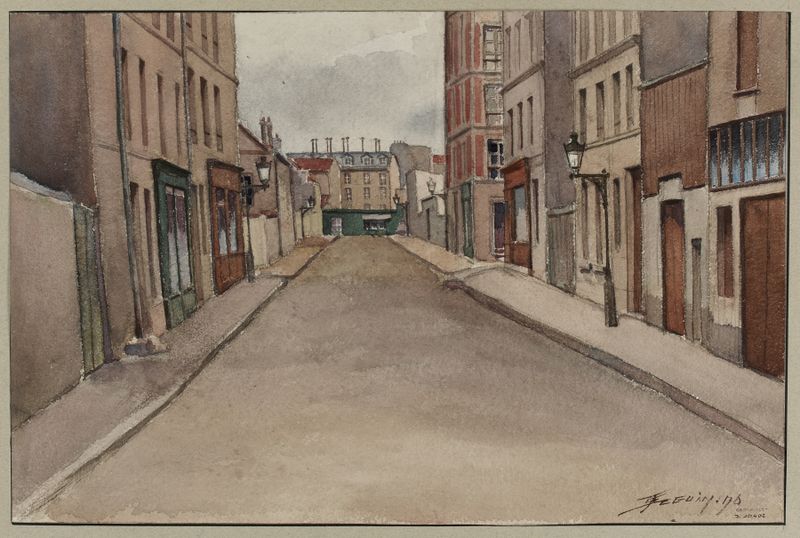
Rue Franquet
F. Séguin





