
Rue des Saules et rue Cortot, à Montmartre — History & Facts
Could a single brushstroke hold eternity? In Rue des Saules et rue Cortot, à Montmartre, the essence of solitude is captured in a vibrant yet haunting embrace of color and form. Look to the left at the winding streets, each hue vibrantly alive yet tinged with melancholy. The soft oranges and muted browns of the buildings are complemented by dappled greens, suggesting a dance of light and shadow that envelops the viewer in a warm, yet disquieting atmosphere. Notice how the brushstrokes vary in intensity, with some areas rendered with bold, textured strokes that pull you in, while others fade into soft washes, echoing the transience of human presence in this urban landscape. Delve deeper into the emotional resonance of this piece.
The juxtaposition of the lively street with an underlying sense of abandonment speaks to the artist's exploration of loneliness amid the bustle of life. The figures, though scattered throughout, seem isolated within the composition, each absorbed in their own thoughts, as if the surroundings are merely backdrop to their introspective journeys. This evokes a universal longing for connection, even within crowded spaces. In 1926, Boberg created this work during a time of artistic experimentation in Europe, as the modernist movement was reshaping perceptions of reality and representation.
Living in Paris, he was influenced by the vibrant art scene, yet this painting reveals his unique perspective on emotional depths often overlooked in the rush of modern life. The quiet resonance of the streets of Montmartre became a canvas for his reflections on solitude, capturing a moment that transcends time.
More Artworks by Ferdinand Boberg
Browse all →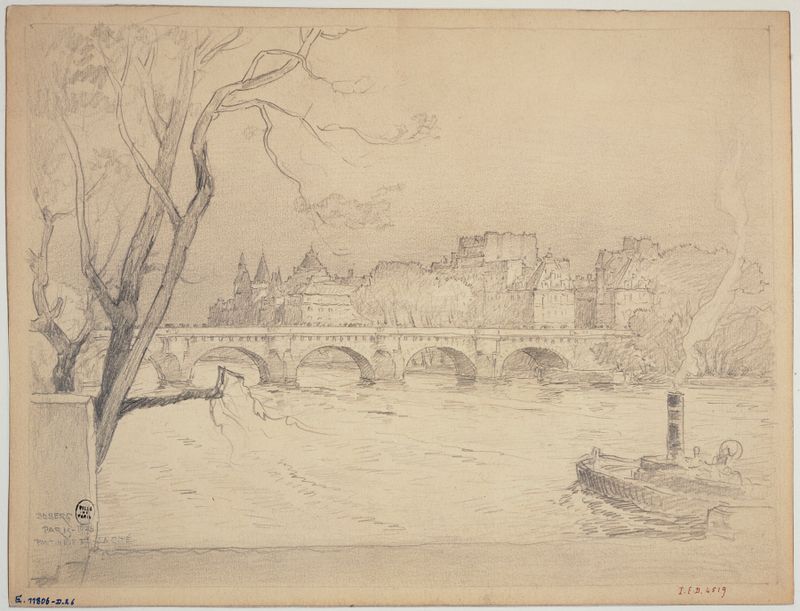
Le Pont-Neuf et la Cité
Ferdinand Boberg
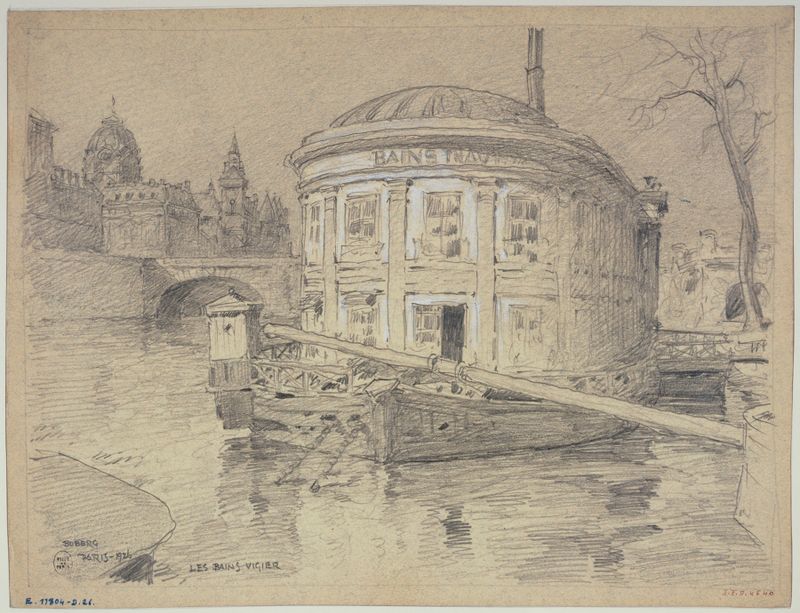
Les bains Vigier au Pont-Neuf
Ferdinand Boberg
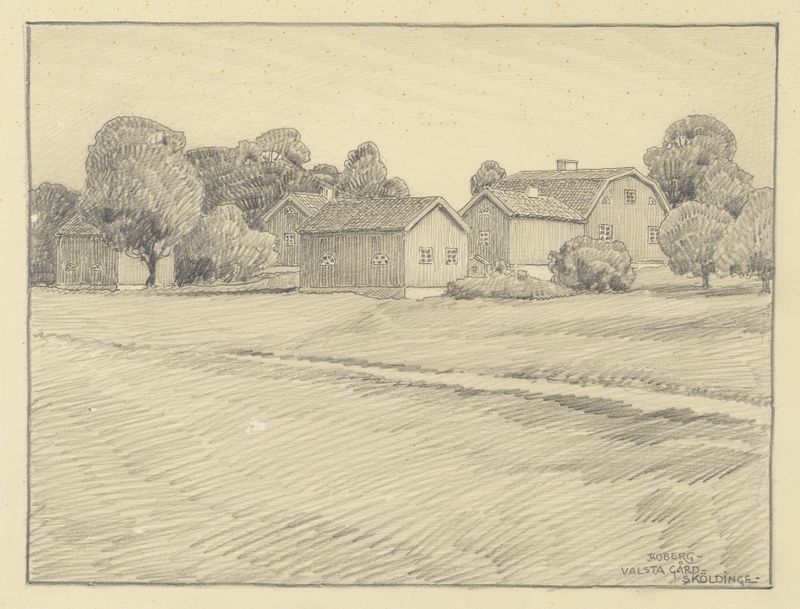
Valsta Gård
Ferdinand Boberg
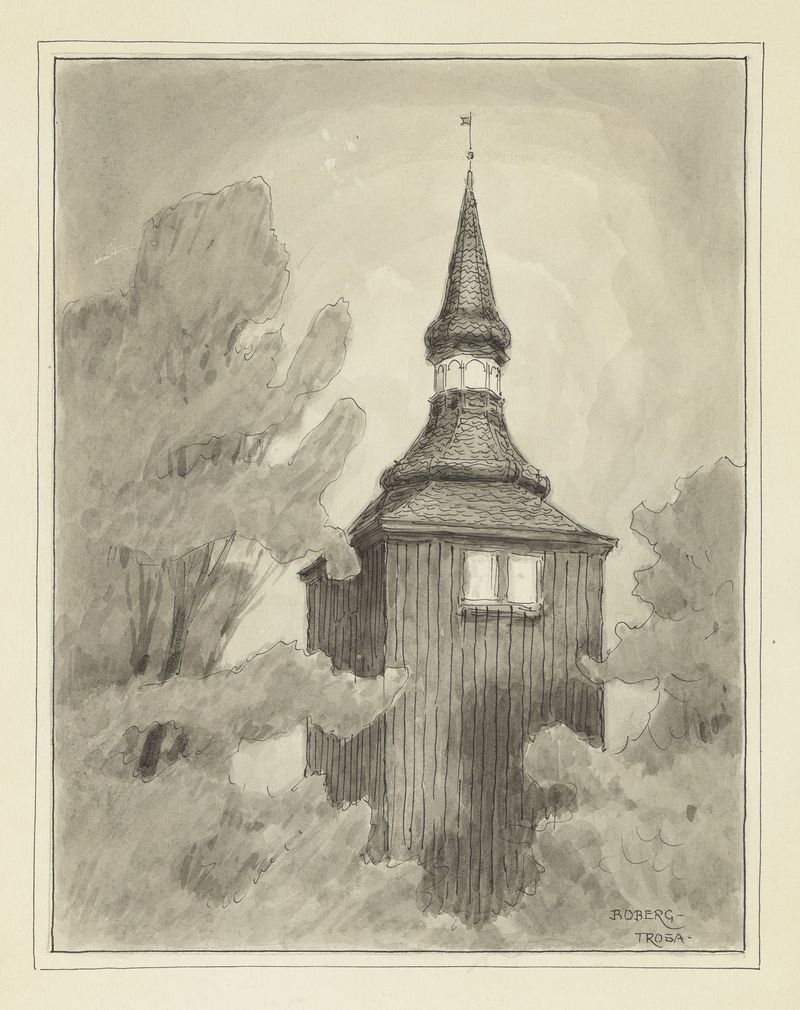
Trosa
Ferdinand Boberg
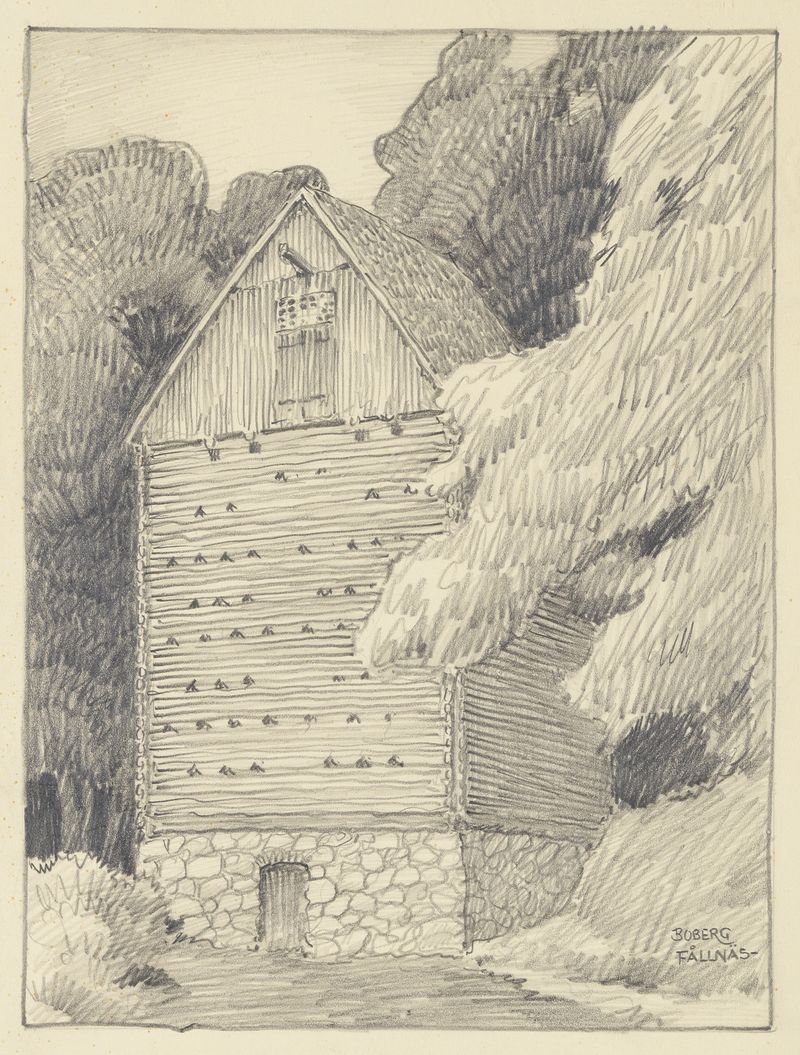
Fållnäs
Ferdinand Boberg
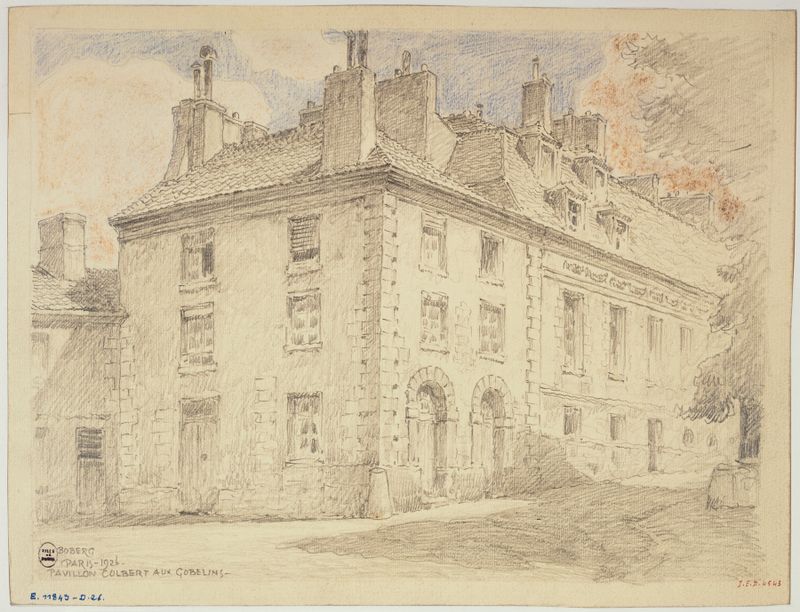
Le pavillon Colbert aux Gobelins
Ferdinand Boberg
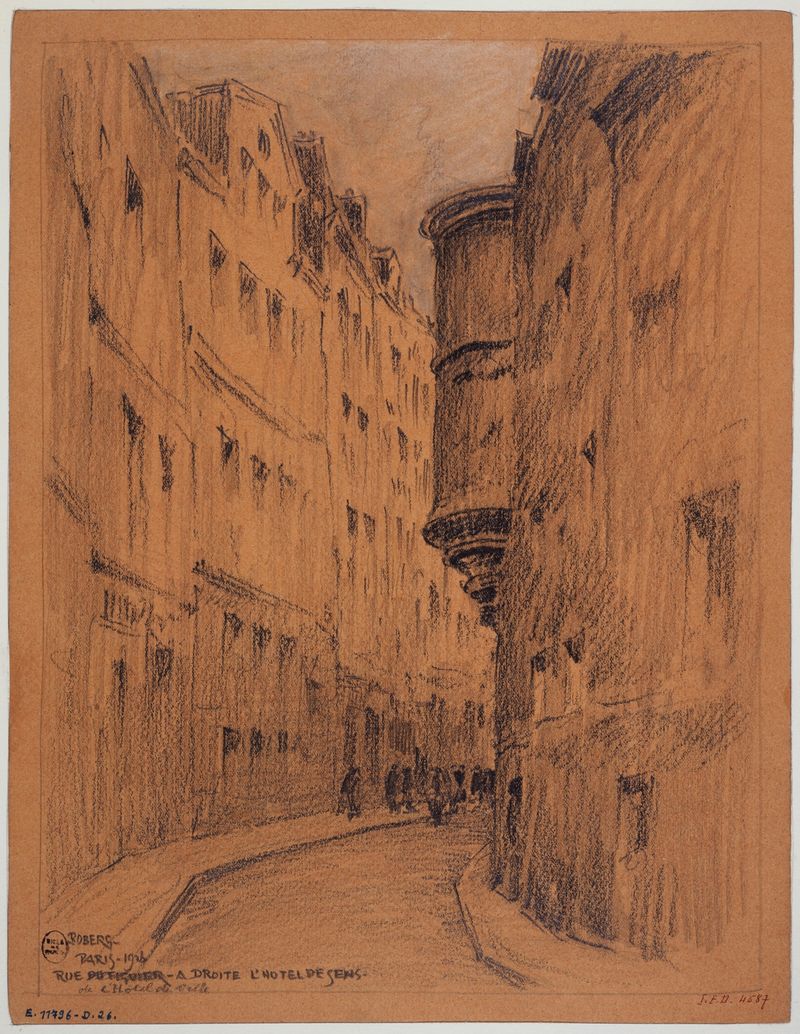
Rue de l’Hôtel de Ville; l’hôtel de Sens
Ferdinand Boberg
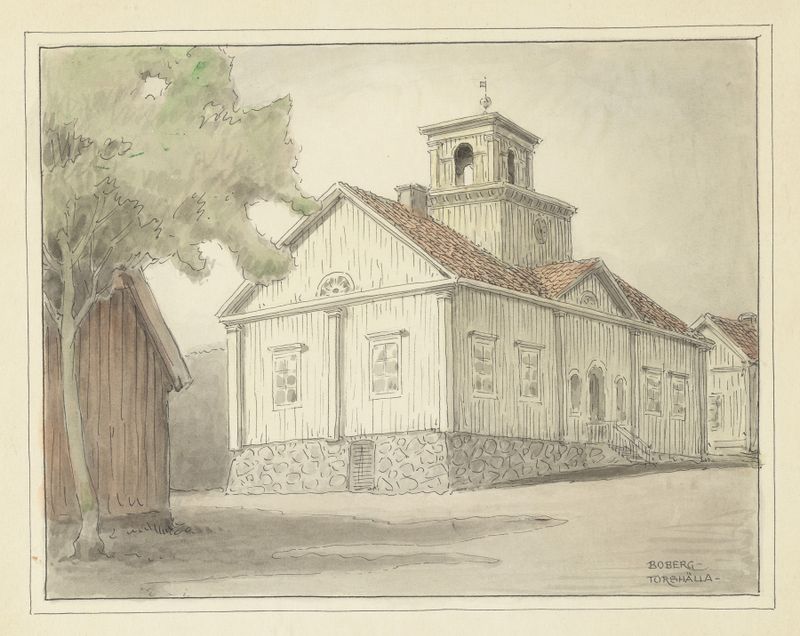
Torshälla
Ferdinand Boberg
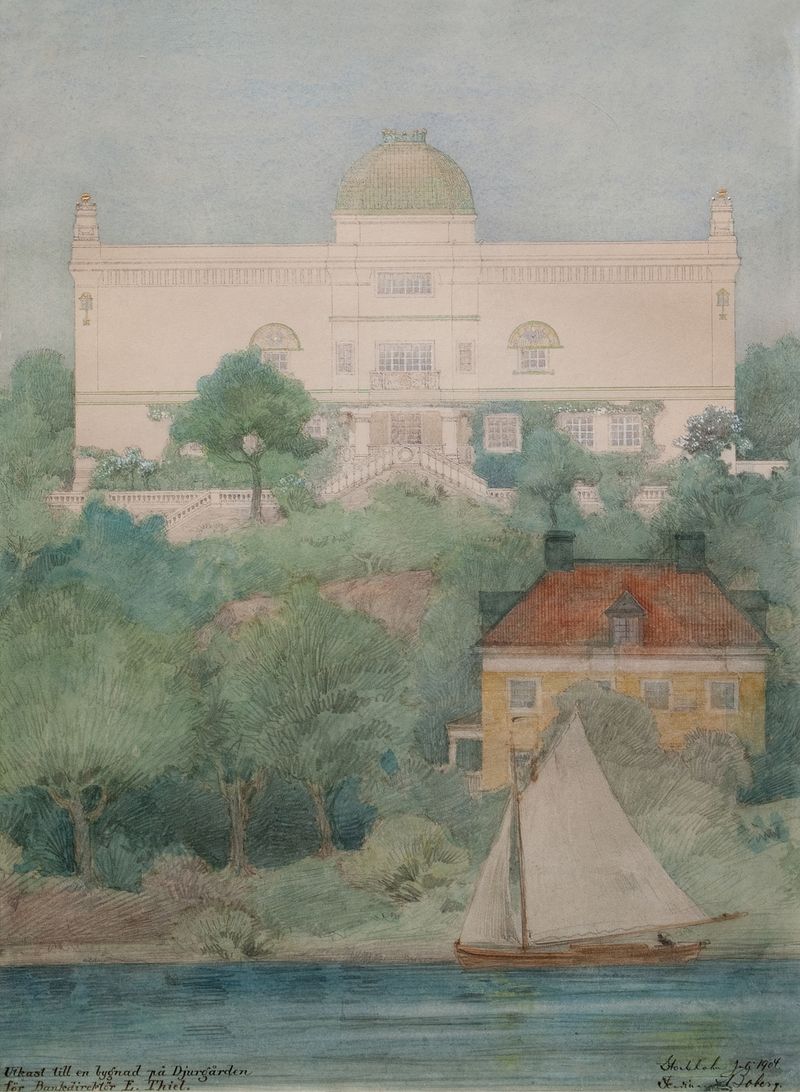
Sketch for a building for Thiel’s Gallery
Ferdinand Boberg
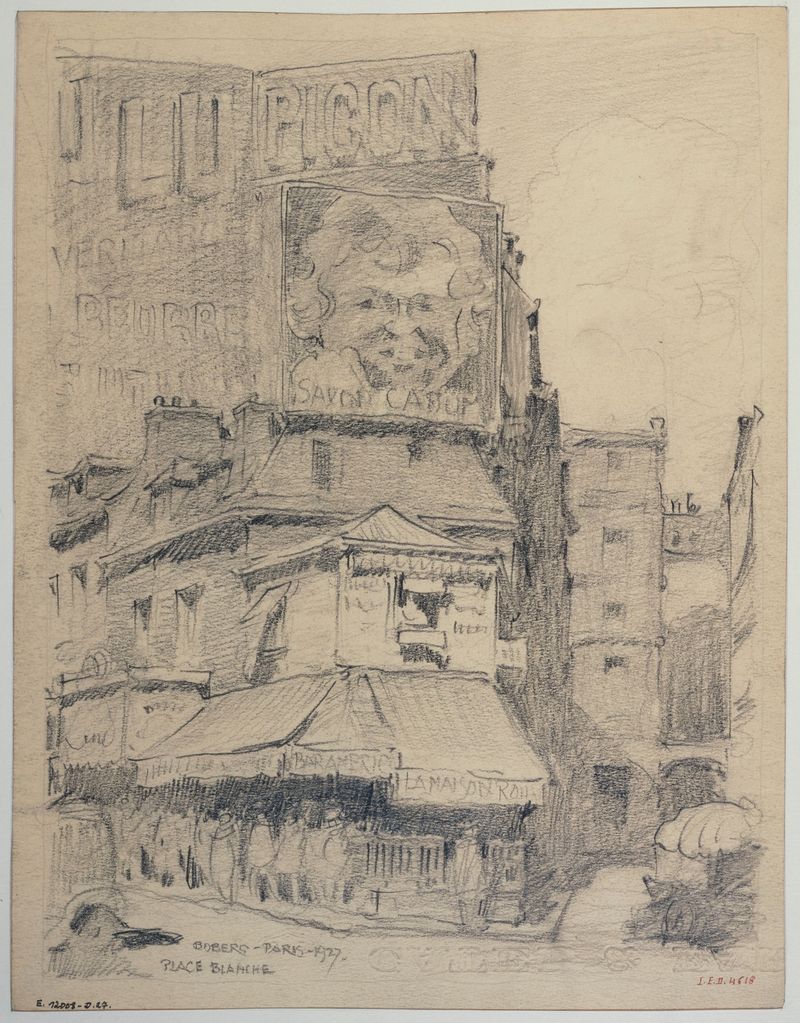
La place Blanche
Ferdinand Boberg





