
Rue du Chevalier de La Barre — History & Facts
What secret hides in the quiet of the canvas? In Rue du Chevalier de La Barre, the stillness of the scene invites contemplation, revealing layers of meaning beneath its surface. Focus first on the gentle play of light across the cobblestone street, where the shadows stretch languidly, hinting at the passage of time. The buildings, with their weathered facades, stand sentinel-like, each window reflecting the history embedded within their walls. Notice how the muted palette of earthy tones imbues the painting with a sense of nostalgia, inviting viewers to step into a moment that feels both specific and universal. Delve deeper into the tiny details that evoke a profound emotional resonance.
A solitary figure on the street suggests solitude amidst the bustling life of the city, while the juxtaposition of the stillness within the scene against the marks of human existence raises questions about the lives lived here. The reflections in the windows speak of untold stories, mirroring not just the architecture, but the very essence of the human experience—an exploration of memory and identity in a forgotten corner of urban life. In 1927, Boberg painted this piece during a period marked by rapid modernization and change in Europe. Living in Paris, he was influenced by the evolving art scene, blending traditional realism with emerging modernist ideas.
His work often reflects a fascination with the intersection of past and present, a theme that resonates deeply in this evocative portrayal of a quiet street, encapsulating both the beauty and melancholy of urban existence.
More Artworks by Ferdinand Boberg
Browse all →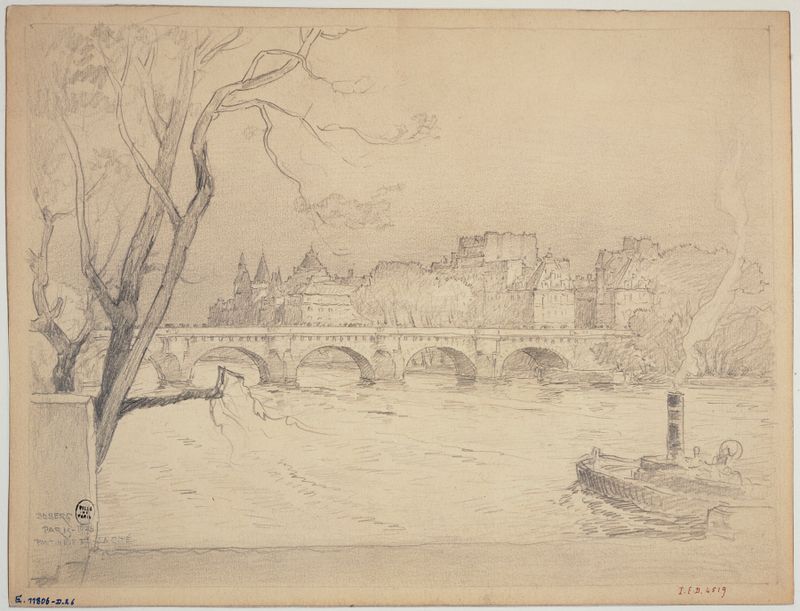
Le Pont-Neuf et la Cité
Ferdinand Boberg
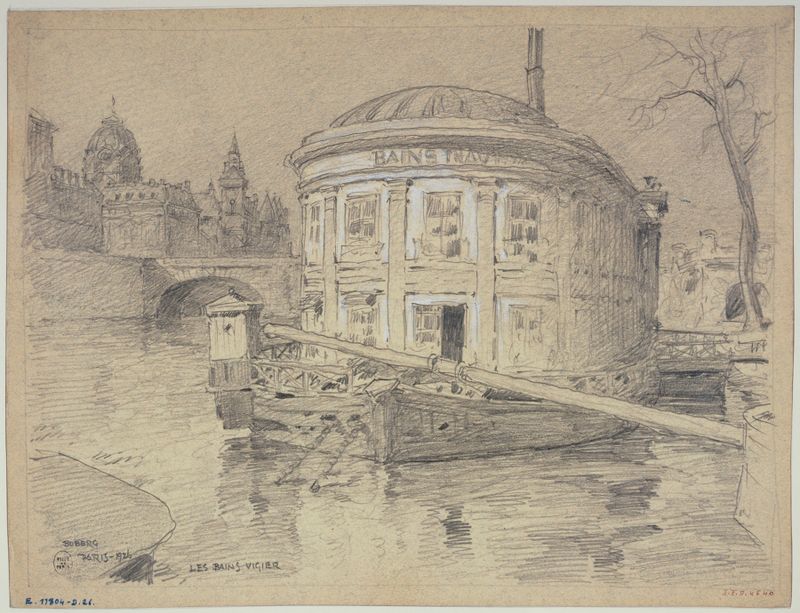
Les bains Vigier au Pont-Neuf
Ferdinand Boberg
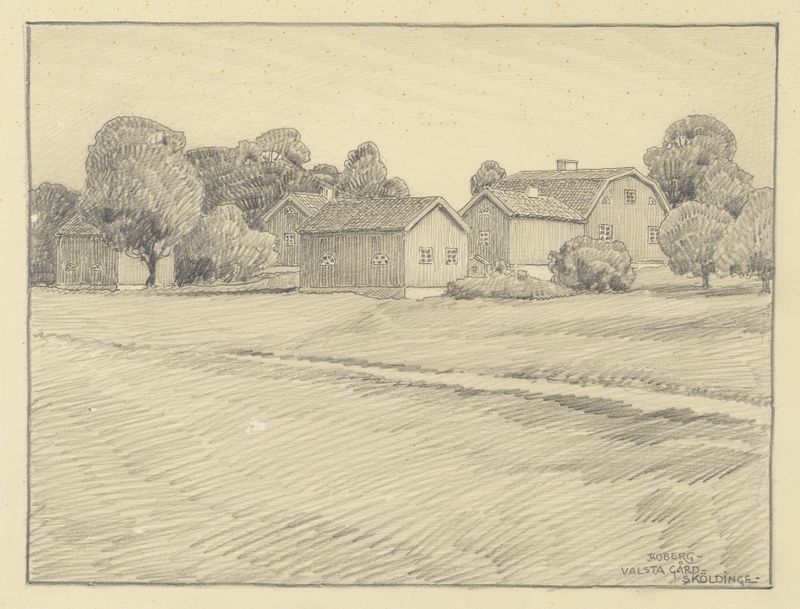
Valsta Gård
Ferdinand Boberg
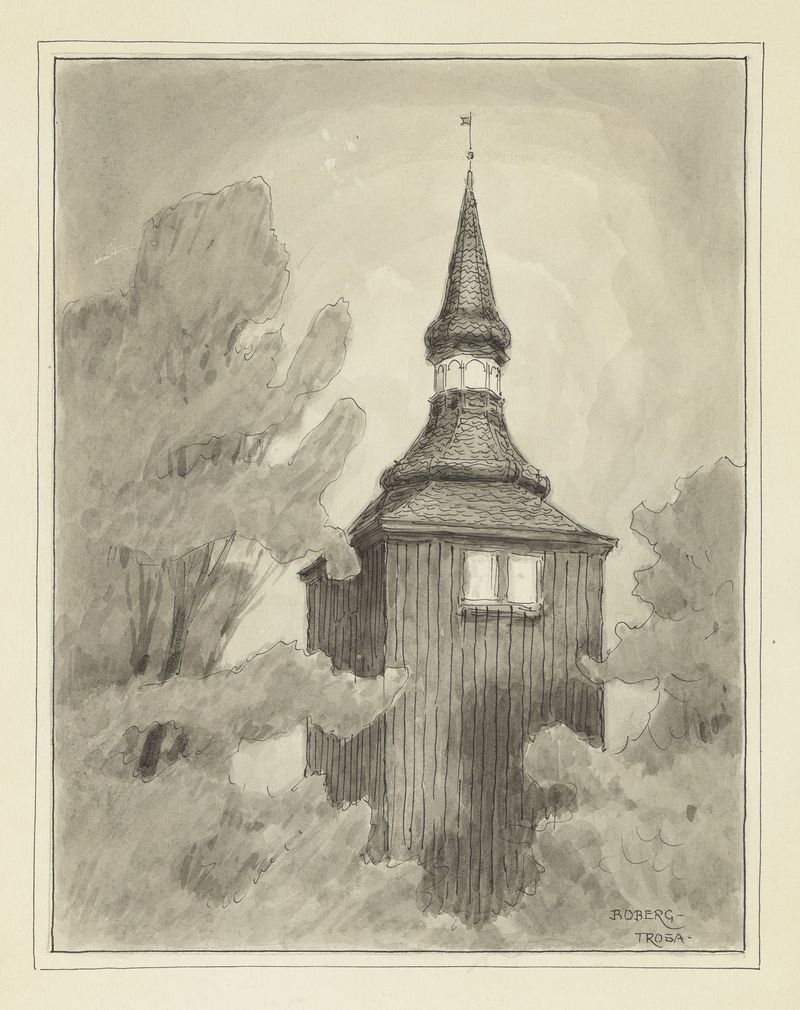
Trosa
Ferdinand Boberg
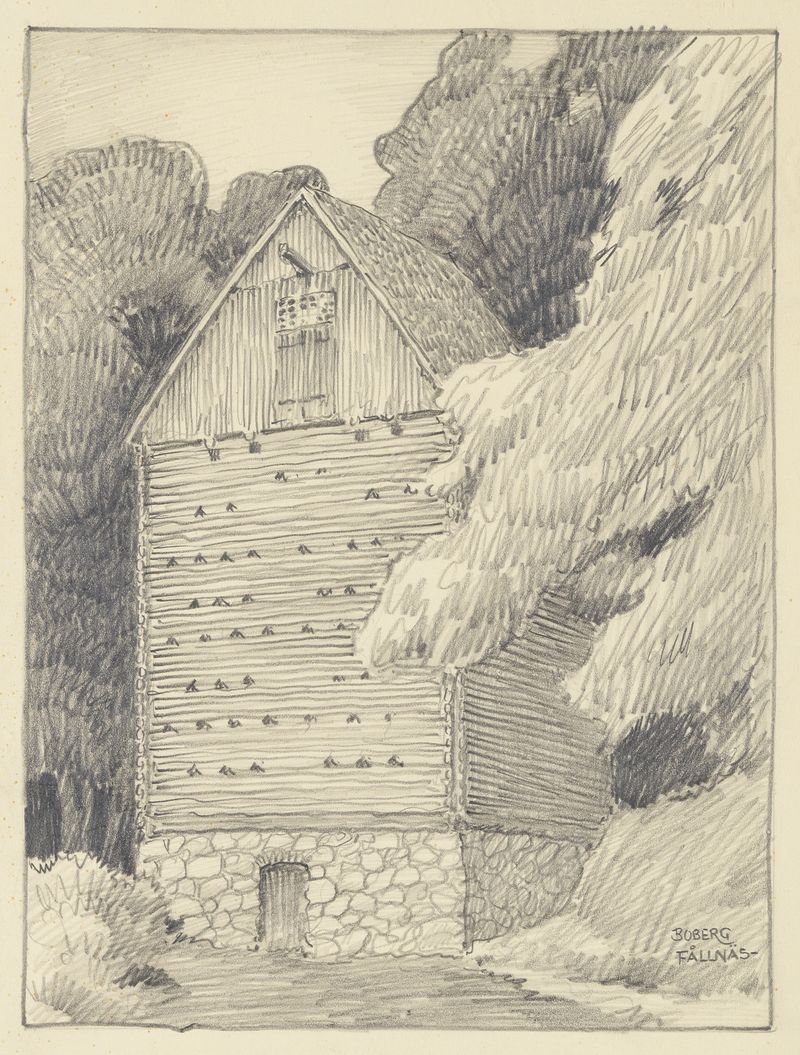
Fållnäs
Ferdinand Boberg
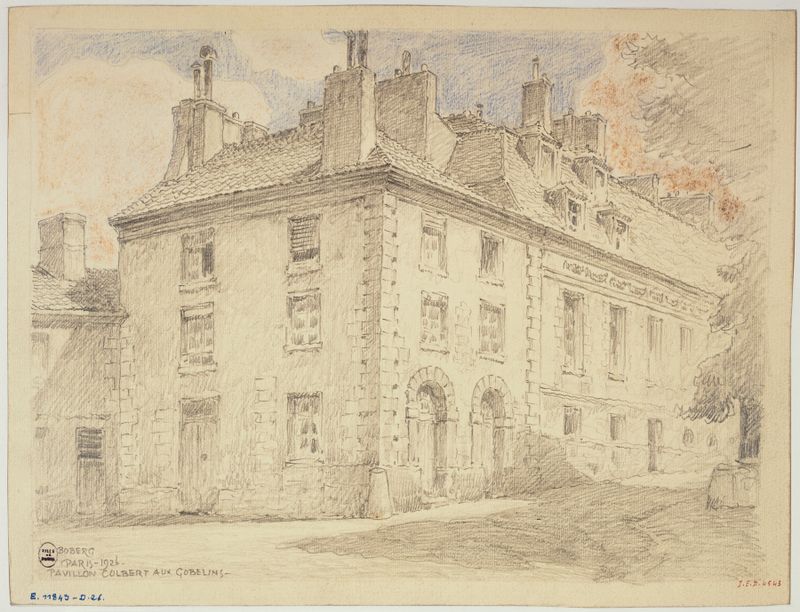
Le pavillon Colbert aux Gobelins
Ferdinand Boberg
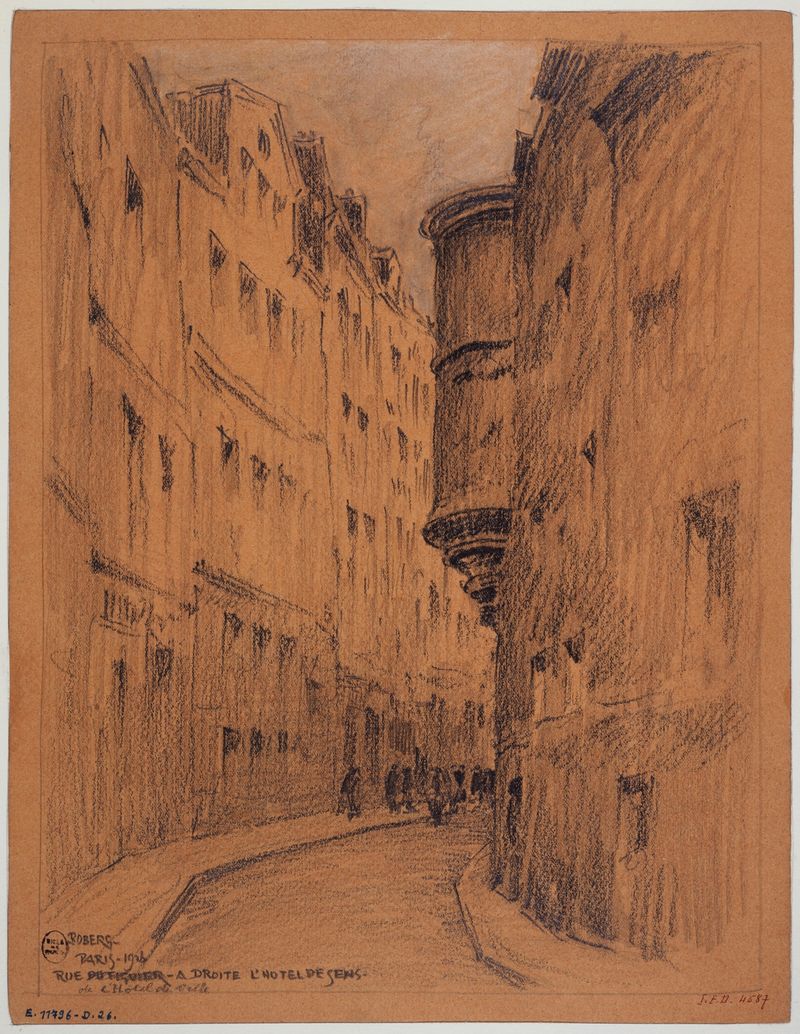
Rue de l’Hôtel de Ville; l’hôtel de Sens
Ferdinand Boberg
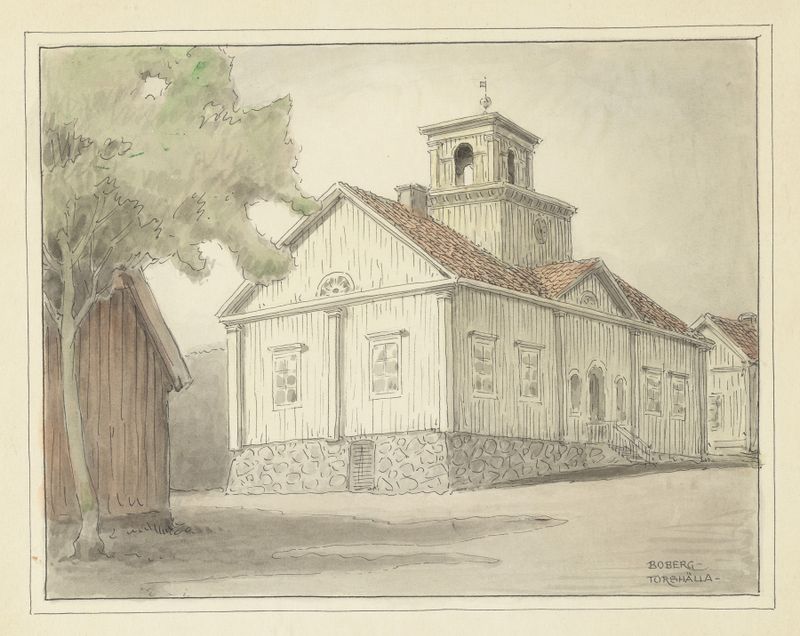
Torshälla
Ferdinand Boberg
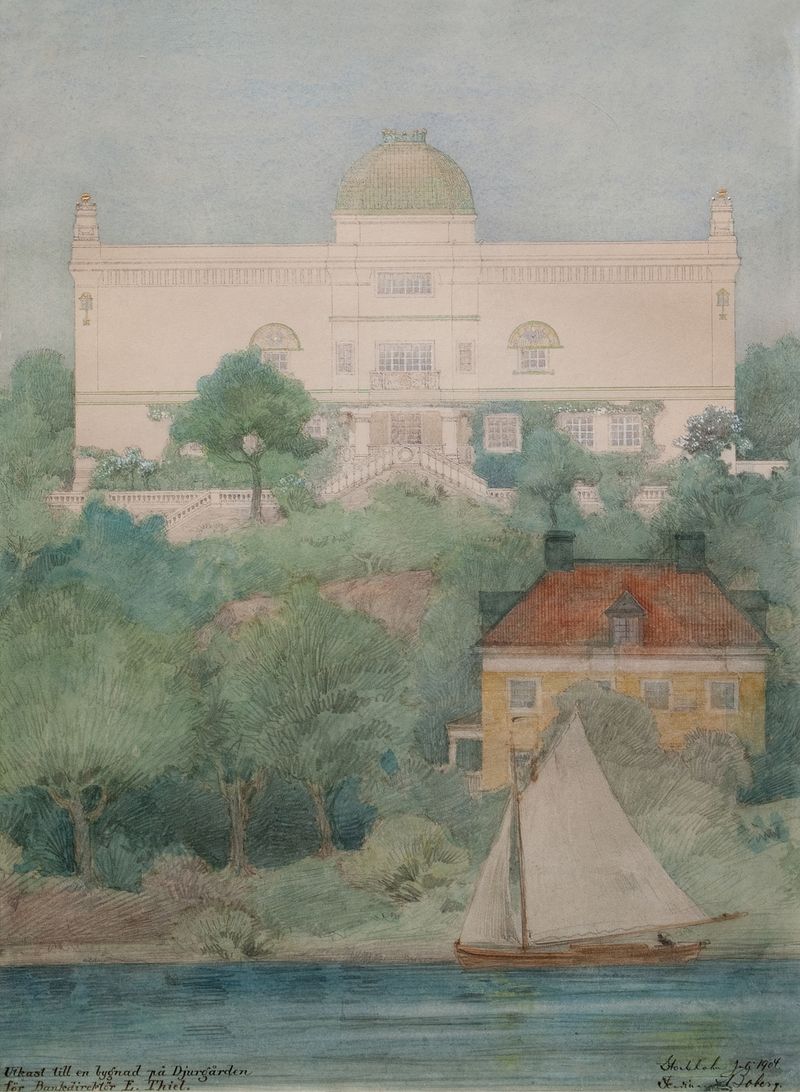
Sketch for a building for Thiel’s Gallery
Ferdinand Boberg
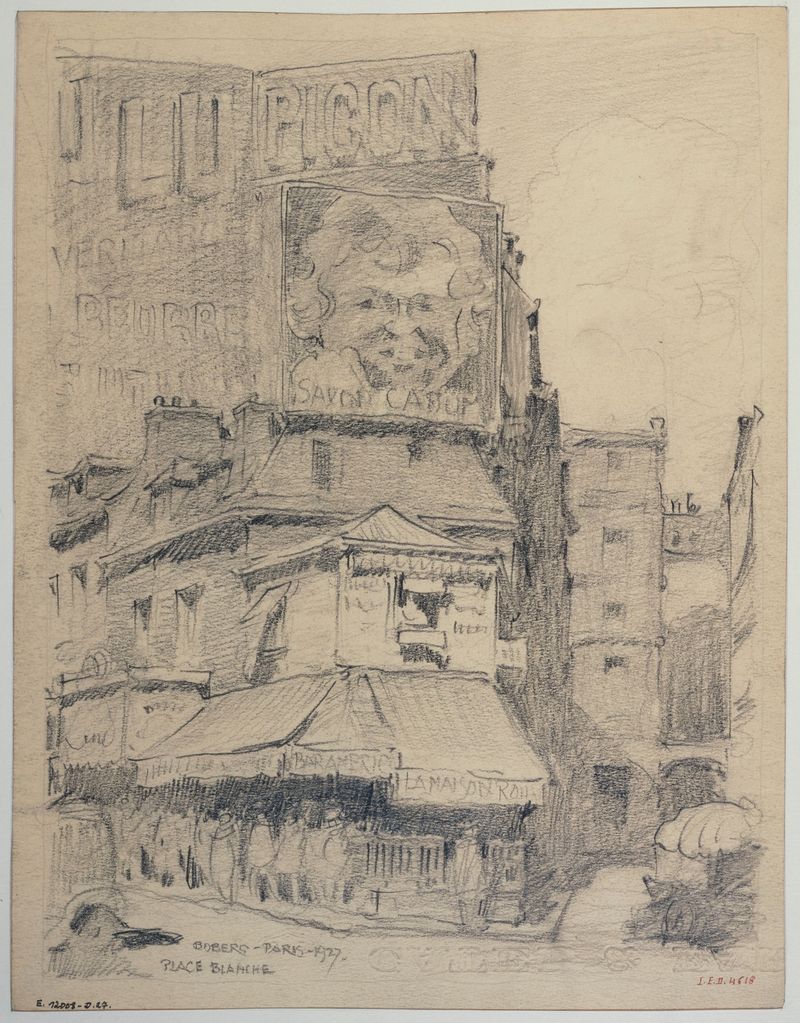
La place Blanche
Ferdinand Boberg





