
Rue du Pot-de-Fer — History & Facts
Could beauty survive in a century of chaos? In Rue du Pot-de-Fer, a delicate illusion takes shape, drawing the viewer into an intimate dance between light and shadow amidst the bustling life of late 19th-century Paris. Look to the left at the cobblestone street, where reflections of a sun-drenched sky shimmer on the wet pavement. Notice how the soft pastel hues blend seamlessly, creating a dreamlike quality that beckons you to wander deeper into this vibrant scene. The artist masterfully employs light and color to frame quaint buildings, their facades kissed by the warmth of the afternoon sun, while a gentle breeze rustles through the trees, adding a sense of movement to the stillness. Beneath the surface of this picturesque portrayal lies an undercurrent of tension; the juxtaposition of serene beauty with the potential chaos of urban life hints at the fragility of such moments.
The seemingly idyllic scene captures a fleeting peace, inviting contemplation on the balance between daily existence and the impending turmoil of the 20th century. The pedestrians, absorbed in their own worlds, embody both connection and isolation—their lives intertwined yet distinctly separate within the city’s pulse. F. Séguin created this piece in 1895 during a period marked by rapid industrial change and cultural shifts in France.
At this time, the Impressionist movement was gaining traction, with artists increasingly focused on capturing the nuances of everyday life. Séguin, influenced by this shift, sought to preserve transient moments of beauty, encapsulating the essence of Paris just before it would be irrevocably altered by modernity.
More Artworks by F. Séguin
Browse all →
Rue Brantôme. (anciennement rue des Petits Champs donnant rue Saint Martin et rue Beaubourg)
F. Séguin
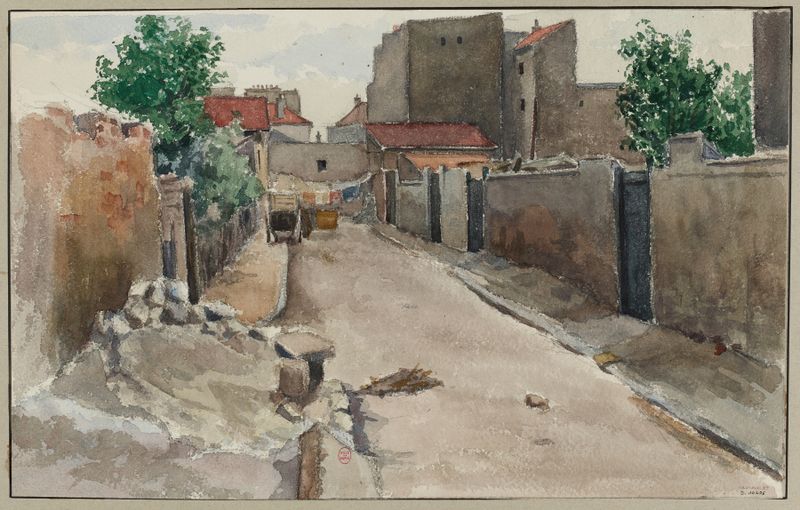
La rue de Chambéry, prise de la rue de Nice la Frontière
F. Séguin
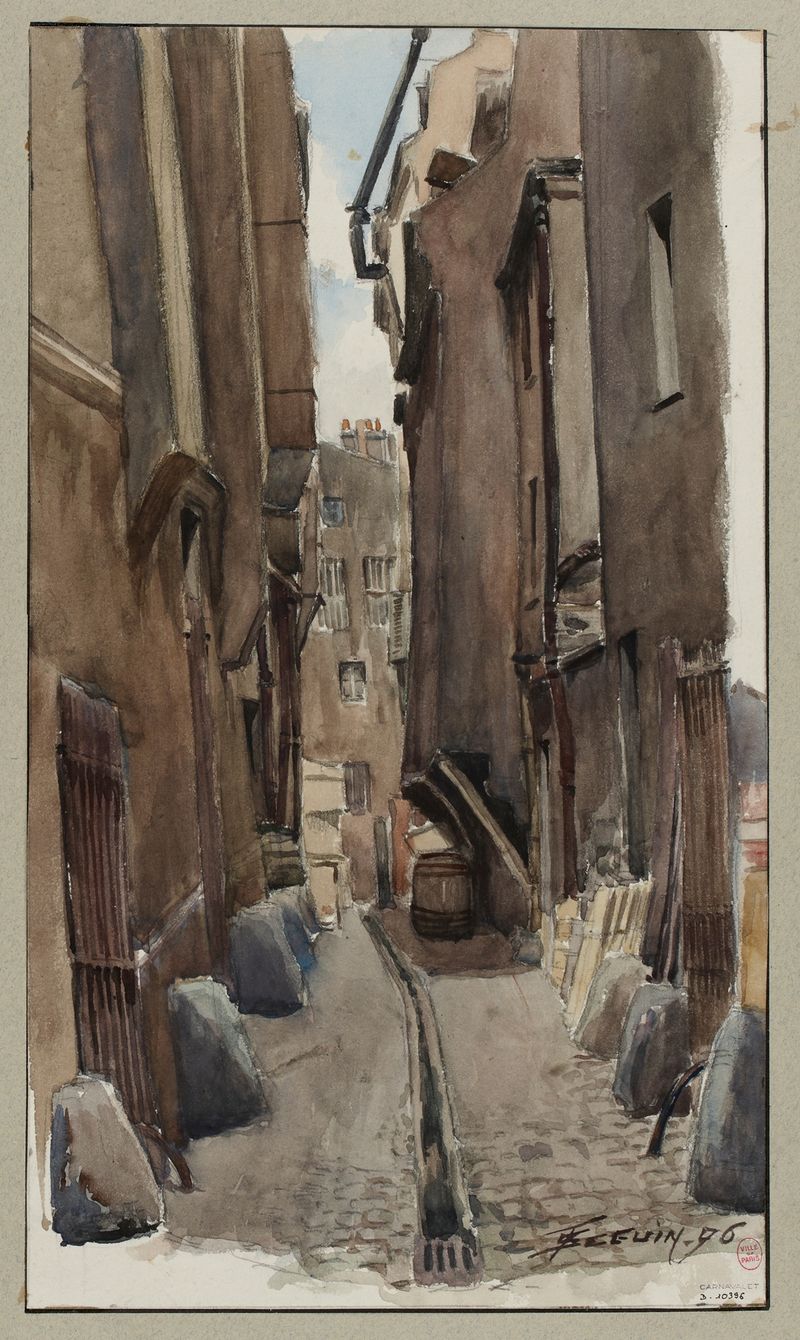
Le Cul de sac du Bœuf, (rue Saint Merri)
F. Séguin

Rue Descartes
F. Séguin
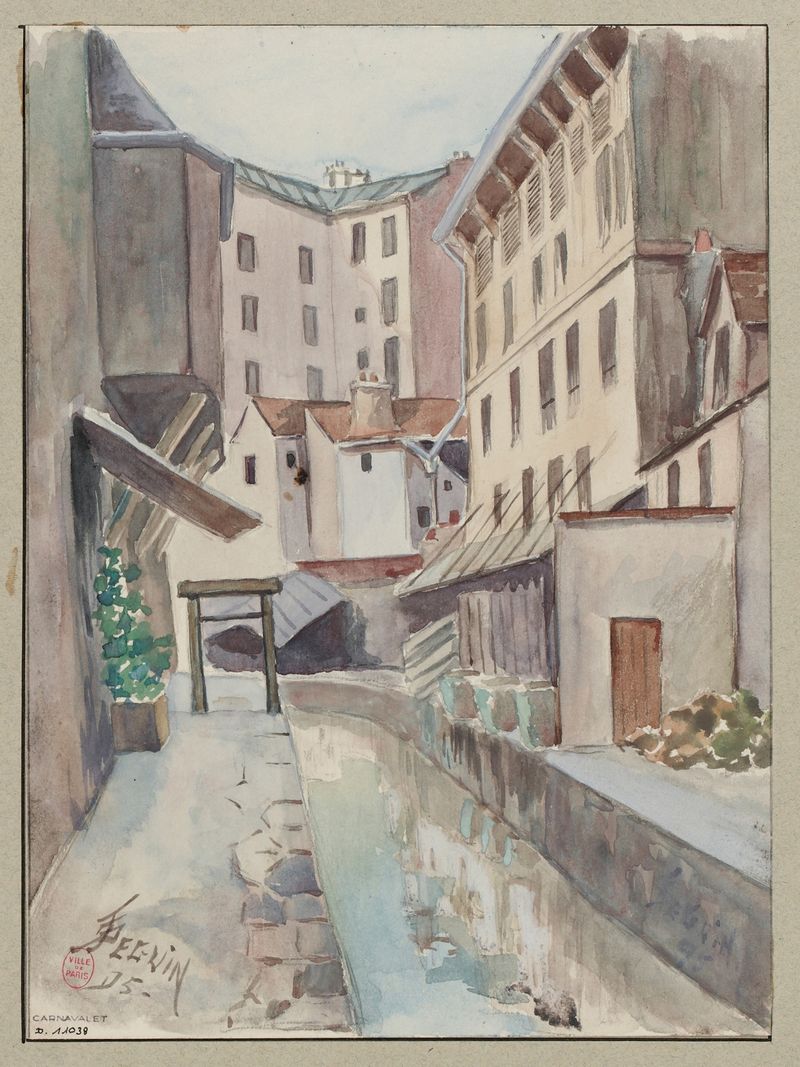
Le bord de la Bièvre à l’avenue des Gobelins
F. Séguin

Villa des Otages mur où furent fusillés les 52 derniers otages de la Commune, rue Haxo
F. Séguin
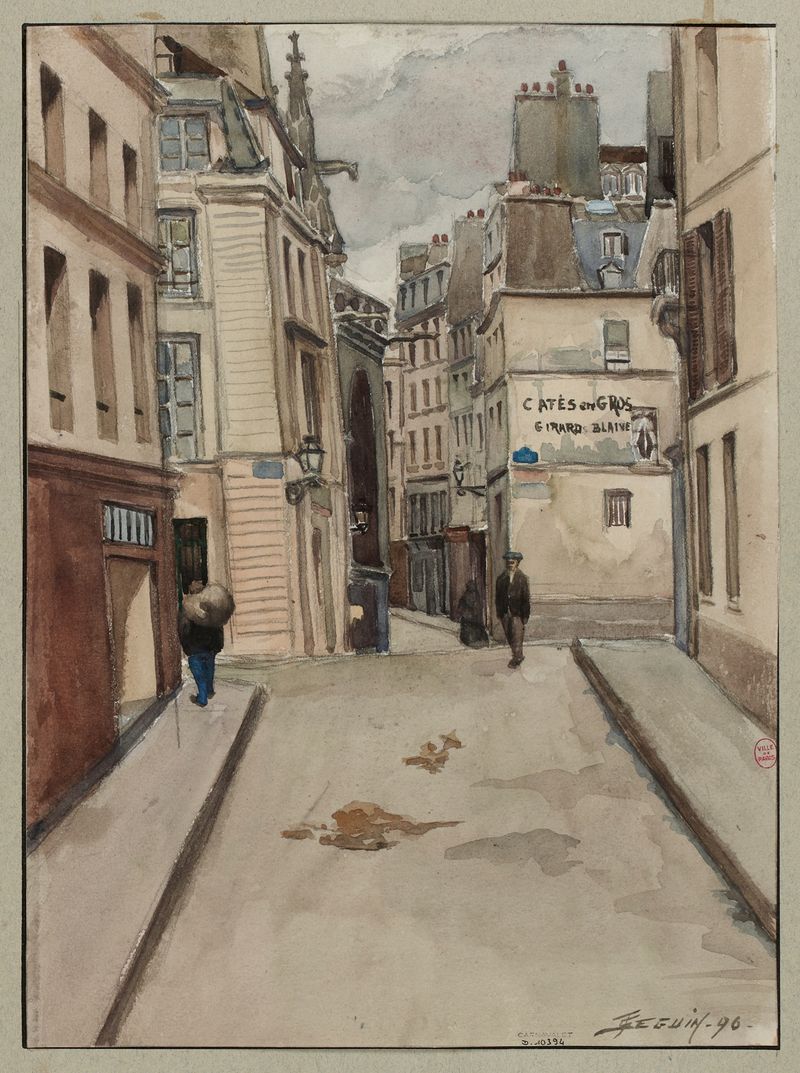
Rue du Cloître Saint Mérry, de la rue du Renard à la rue Saint Martin
F. Séguin
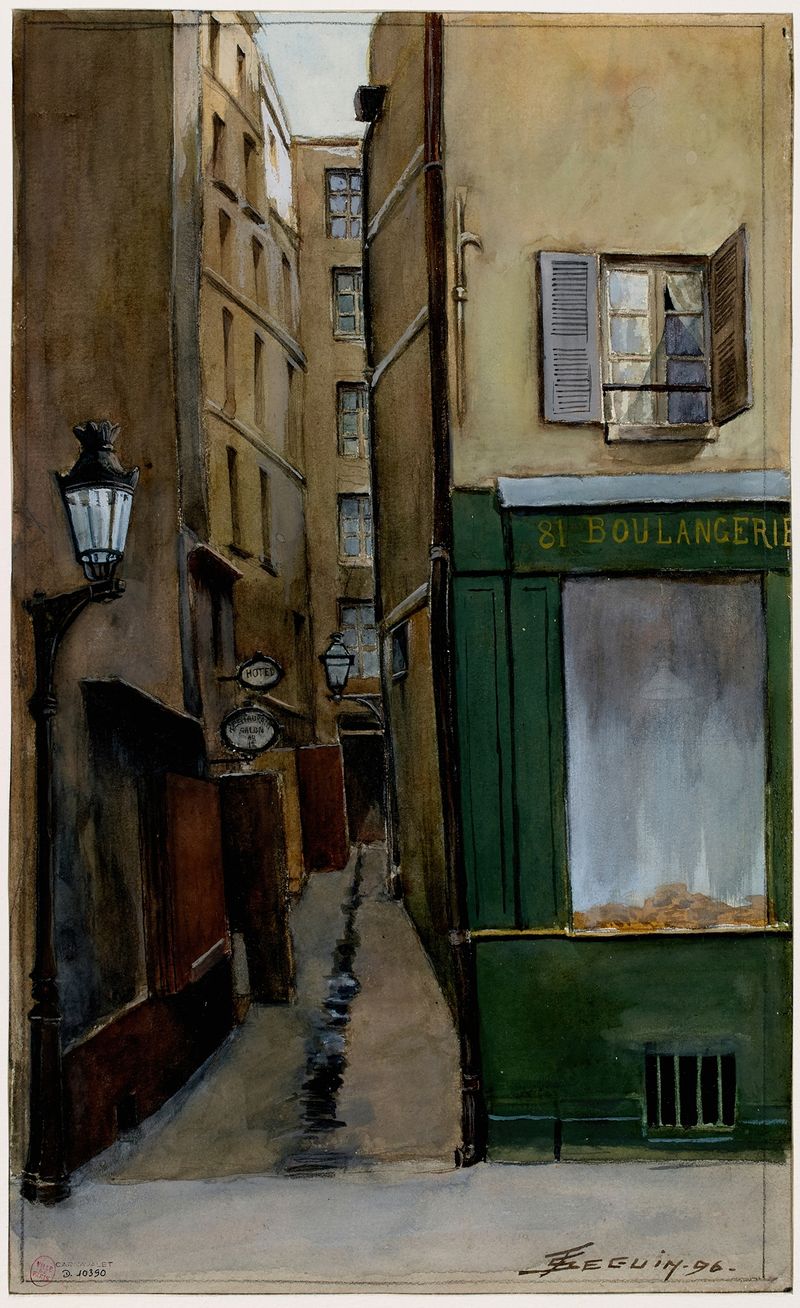
Cul de sac du Fiacre, 81 rue Saint Martin
F. Séguin
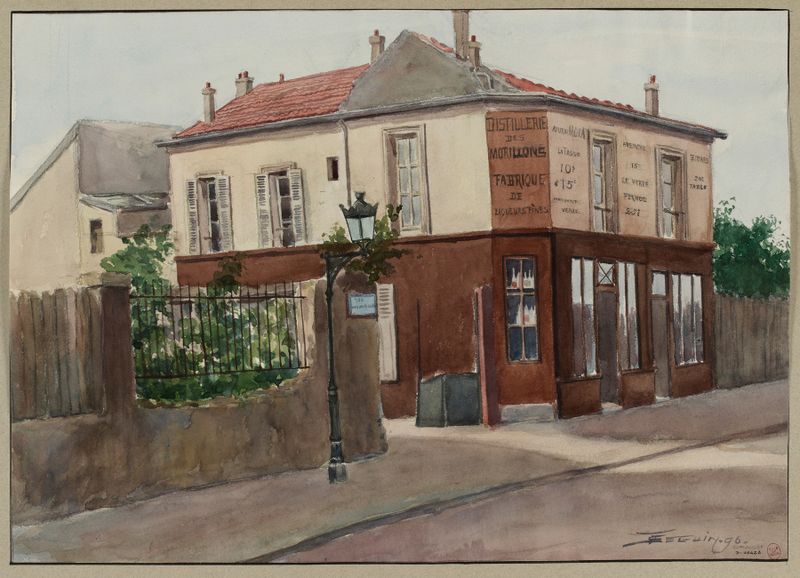
Angle de l’impasse Carlier et au 24 rue des Morillons, Vaugirard
F. Séguin
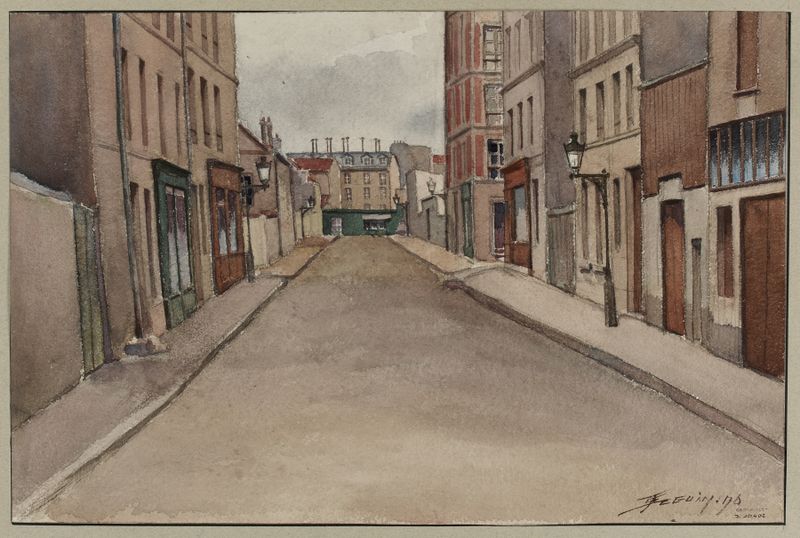
Rue Franquet
F. Séguin





