
Rue du Sabot — History & Facts
Can beauty exist without sorrow? A stillness envelops the street, a quiet longing palpable in the air. Time seems to hang delicately in this moment, where the ethereal charm of a Parisian alleyway is coaxed into existence through muted colors and gentle strokes. Look to the left at the soft interplay of light and shadow that caresses the cobblestones, revealing the care with which each stone is painted. The buildings loom overhead, their facades rendered in subtle hues of beige and gray, which blend into the calm atmosphere.
Notice how the scene is punctuated by the flicker of sunlight filtering through the branches overhead, capturing the moment’s fragility and inviting the viewer to linger longer. The juxtaposition of the vibrant greens of the foliage against the somber tones of the buildings speaks to a contrast between life and stillness, joy and melancholy. Each brushstroke seems to resonate with the silence of the street, hinting at stories untold behind those closed doors. The empty space invites contemplation, allowing one's own thoughts and emotions to fill the void left by the absence of figures, as if the painting itself holds an unspoken secret. F.
Séguin painted Rue du Sabot in 1895 while residing in Paris, a period when the Impressionist movement was reaching its peak. His work reflects a moment of introspection within the bustling city, capturing the essence of urban beauty intertwined with a sense of longing. During this time, Séguin sought to convey not just the physical landscape but also the emotional landscape of a society on the cusp of modernity.
More Artworks by F. Séguin
Browse all →
Rue Brantôme. (anciennement rue des Petits Champs donnant rue Saint Martin et rue Beaubourg)
F. Séguin
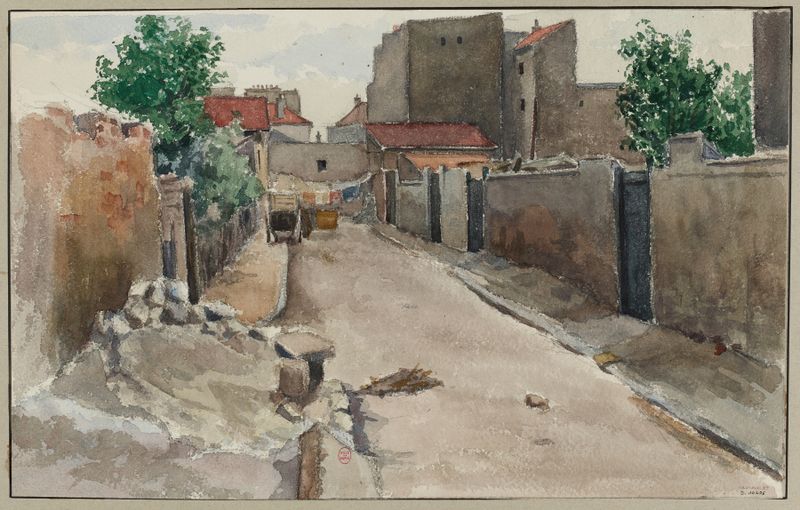
La rue de Chambéry, prise de la rue de Nice la Frontière
F. Séguin
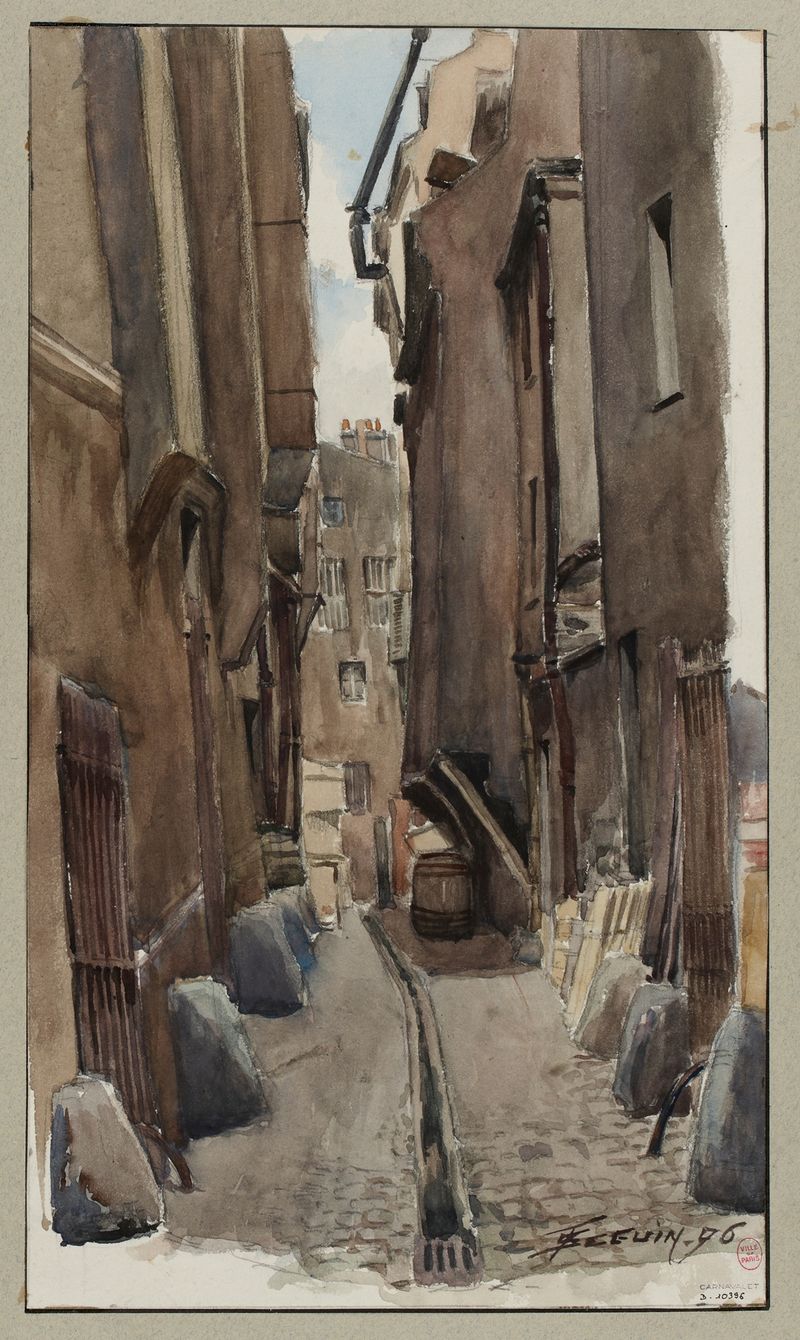
Le Cul de sac du Bœuf, (rue Saint Merri)
F. Séguin

Rue Descartes
F. Séguin
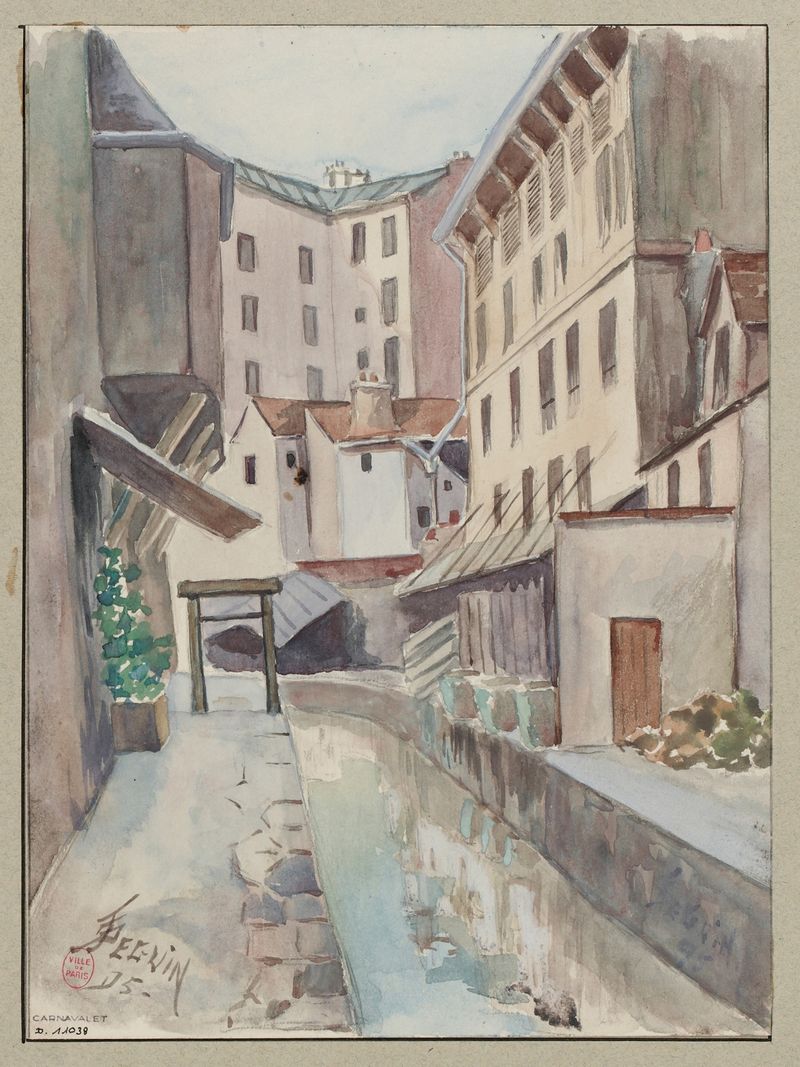
Le bord de la Bièvre à l’avenue des Gobelins
F. Séguin

Villa des Otages mur où furent fusillés les 52 derniers otages de la Commune, rue Haxo
F. Séguin
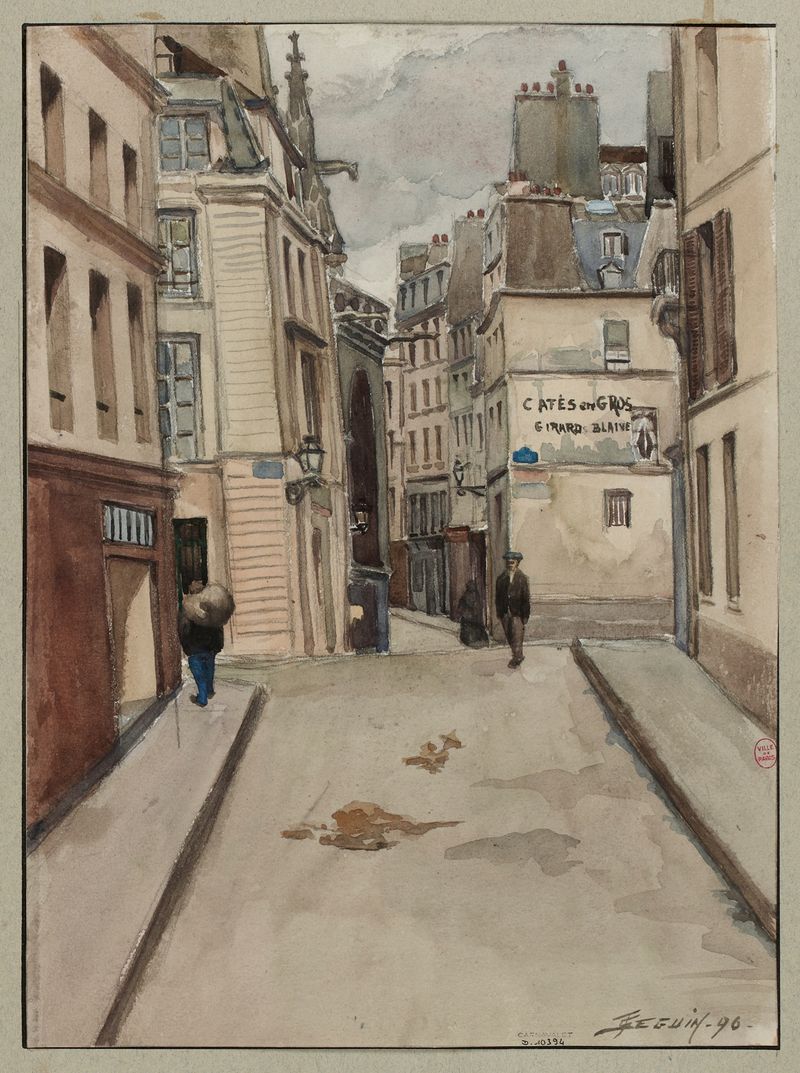
Rue du Cloître Saint Mérry, de la rue du Renard à la rue Saint Martin
F. Séguin
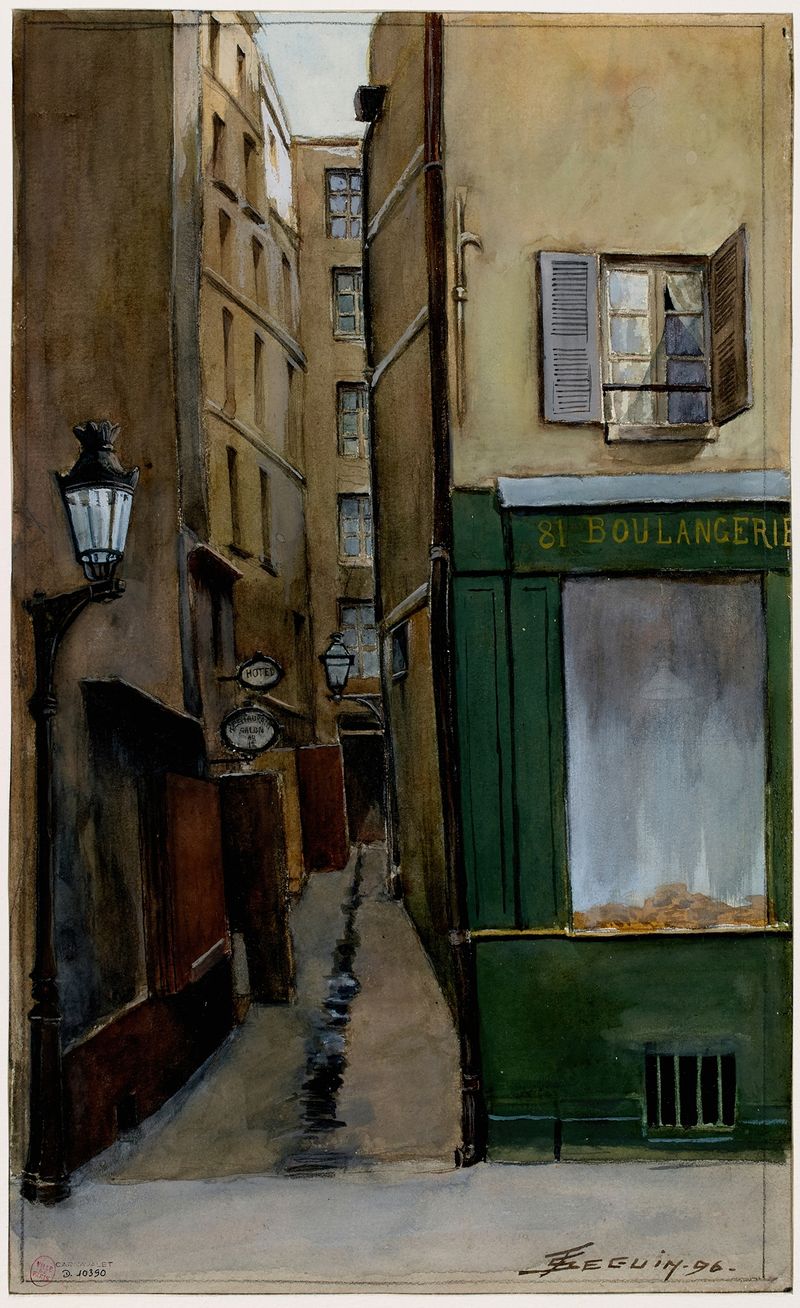
Cul de sac du Fiacre, 81 rue Saint Martin
F. Séguin
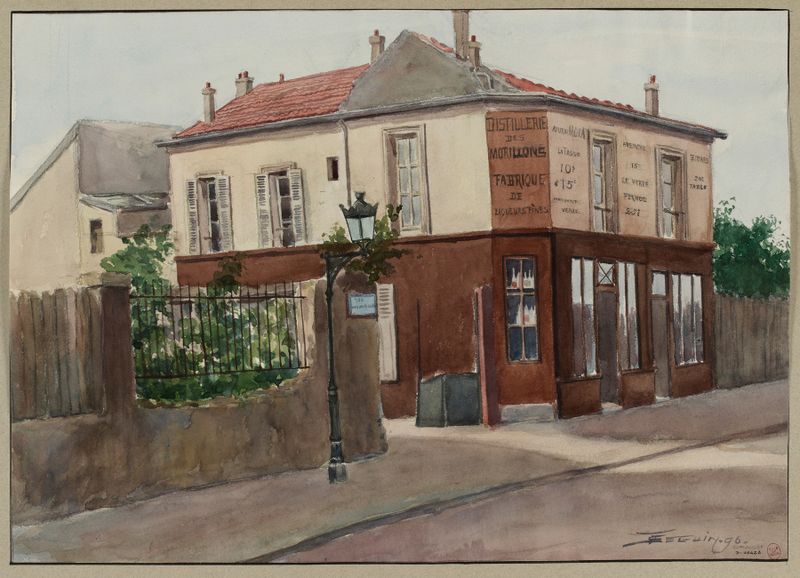
Angle de l’impasse Carlier et au 24 rue des Morillons, Vaugirard
F. Séguin
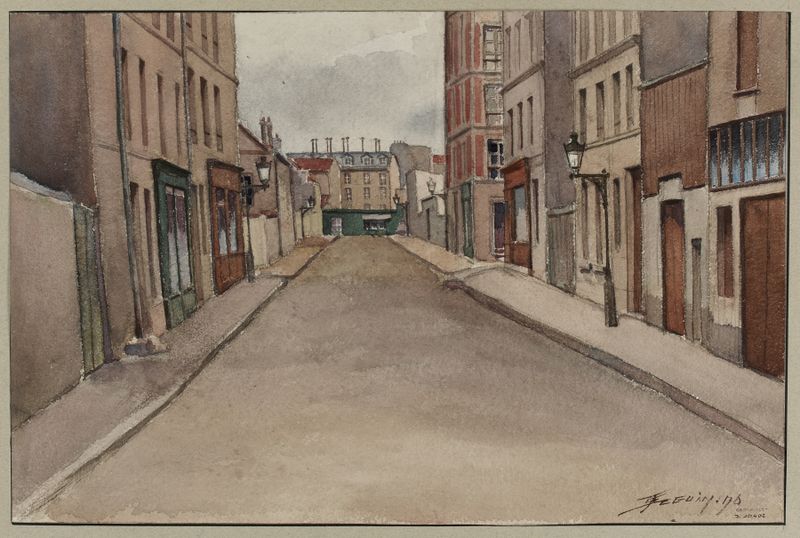
Rue Franquet
F. Séguin





