
Rue Eginhard — History & Facts
Is this a mirror — or a memory? In the soft embrace of the twilight glow, a narrow street unfolds, steeped in the whispers of nostalgia and loss. Shadows embrace the cobblestones, hinting at stories left untold. Each building stands sentinel, framing an absence that lingers like a lingering scent of a beloved's perfume. Look to the left where the light gently washes over the facades, revealing the muted colors of aged stone.
Notice how the warm ochres and soft blues intermingle, evoking a sense of stillness that speaks of time drifting by. The artist employs delicate brushwork to highlight the textures of the buildings, inviting the viewer to run their fingers along the weathered surfaces and feel the weight of history. Intriguingly, the street narrows, drawing the eye inward, almost as if leading us deeper into a forgotten world. In this quiet scene, contrasts abound.
The stillness of the street hints at solitude, yet the rich color palette evokes both beauty and sorrow. The absence of figures leaves an emotional vacuum, suggesting a yearning for connection. Each window seems to hold the memories of those who once inhabited the space, now faded like distant echoes.
The painting captures the duality of grief — a poignant reminder of what was, juxtaposed against the vibrant life that once animated the scene. F. Séguin created Rue Eginhard in 1897 during a period when he was deeply influenced by the burgeoning Impressionist movement in France. Living in Paris, he was surrounded by a vibrant artistic community and grappling with personal experiences that often informed his work.
This painting reflects his exploration of memory and emotion within the context of urban landscapes, capturing the essence of fleeting moments in the city he loved.
More Artworks by F. Séguin
Browse all →
Rue Brantôme. (anciennement rue des Petits Champs donnant rue Saint Martin et rue Beaubourg)
F. Séguin
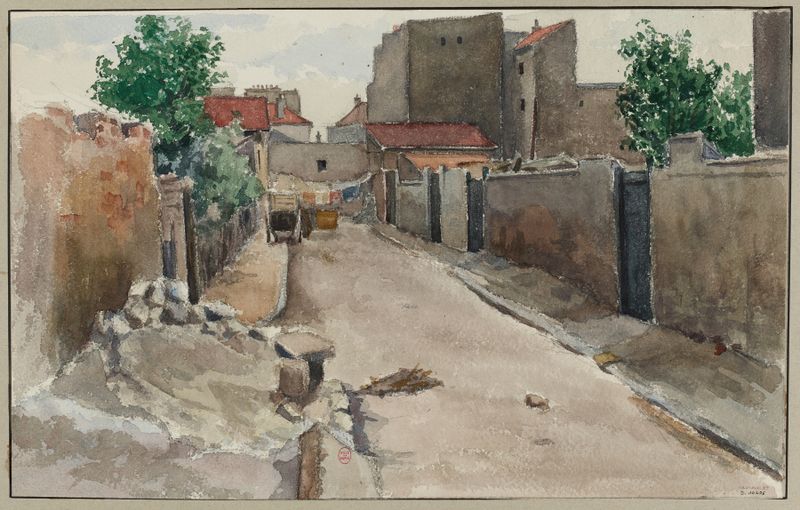
La rue de Chambéry, prise de la rue de Nice la Frontière
F. Séguin
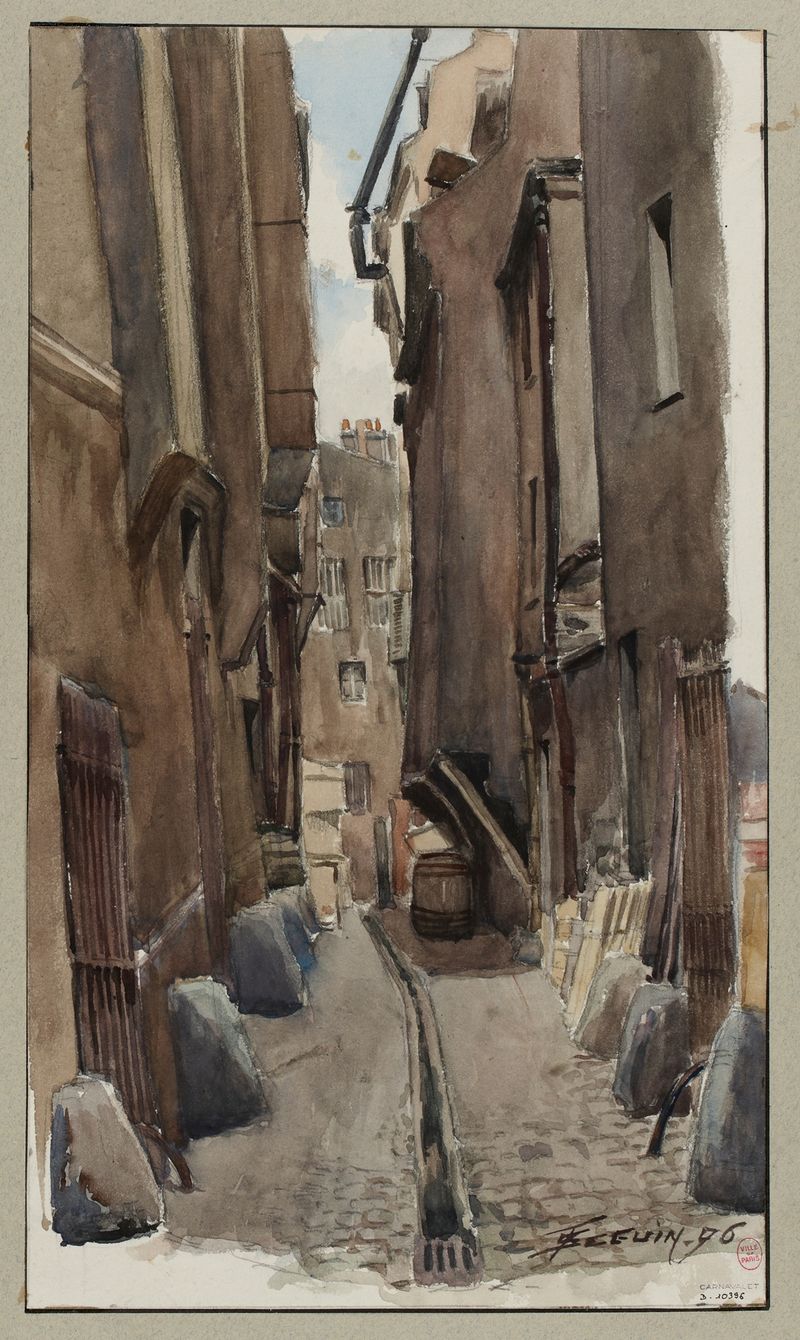
Le Cul de sac du Bœuf, (rue Saint Merri)
F. Séguin

Rue Descartes
F. Séguin
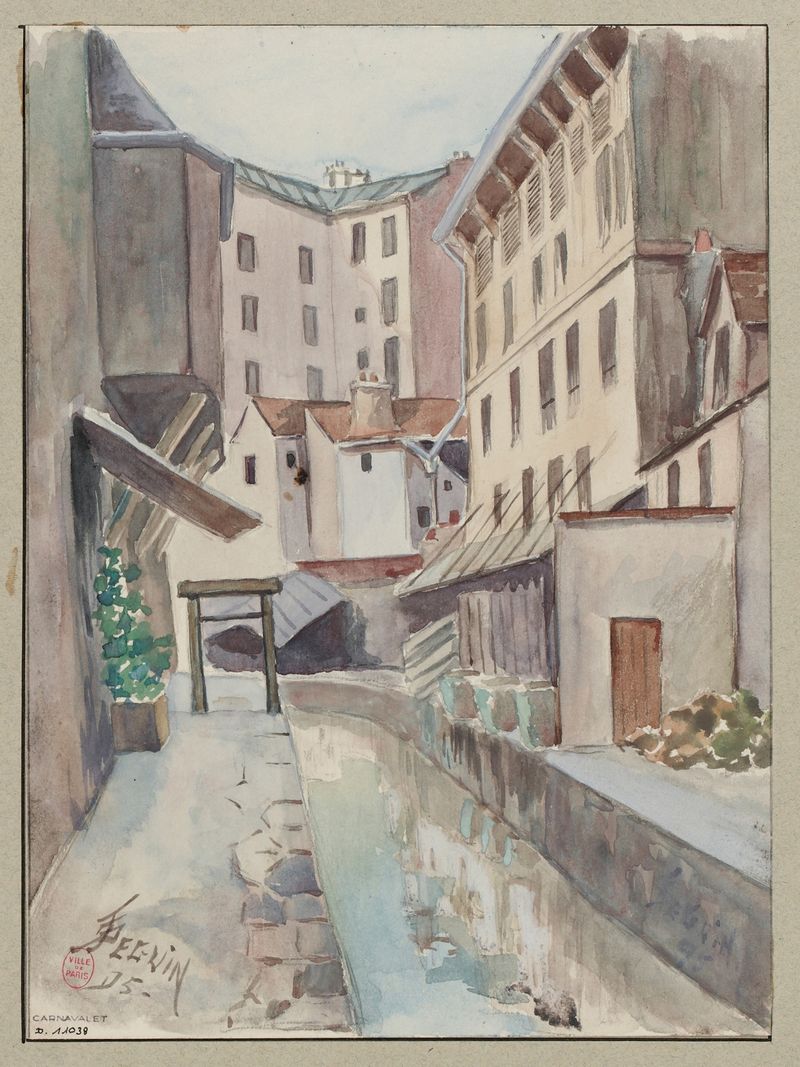
Le bord de la Bièvre à l’avenue des Gobelins
F. Séguin

Villa des Otages mur où furent fusillés les 52 derniers otages de la Commune, rue Haxo
F. Séguin
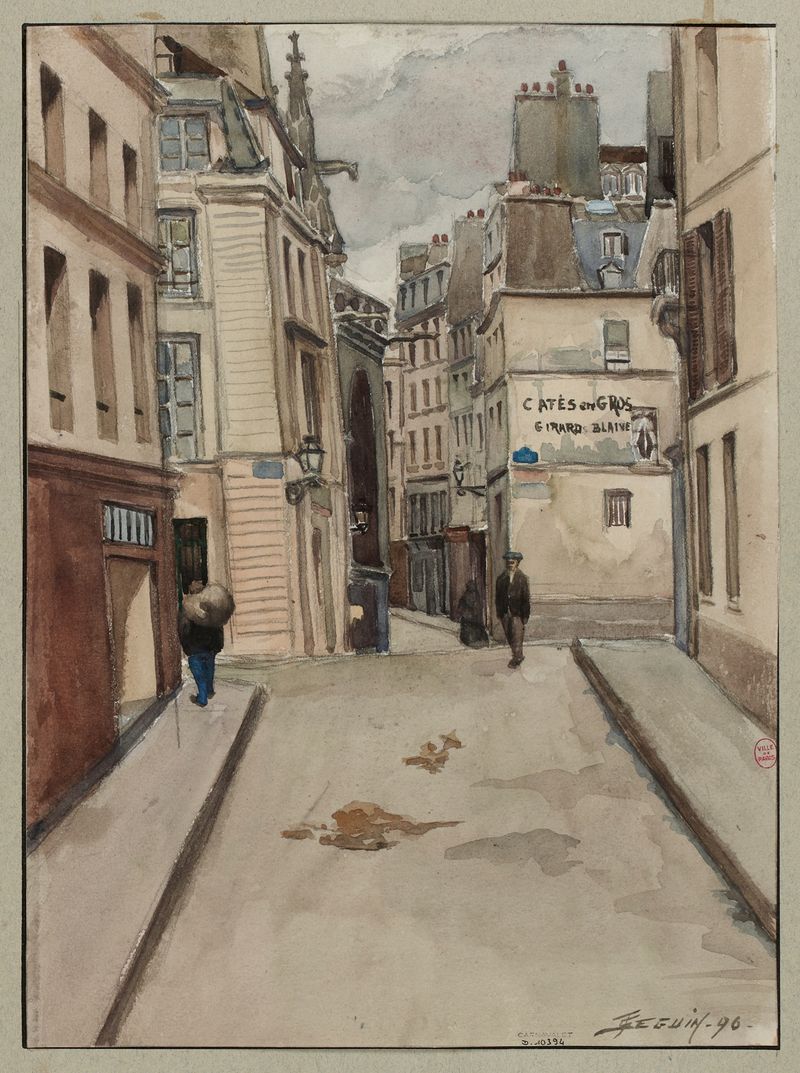
Rue du Cloître Saint Mérry, de la rue du Renard à la rue Saint Martin
F. Séguin
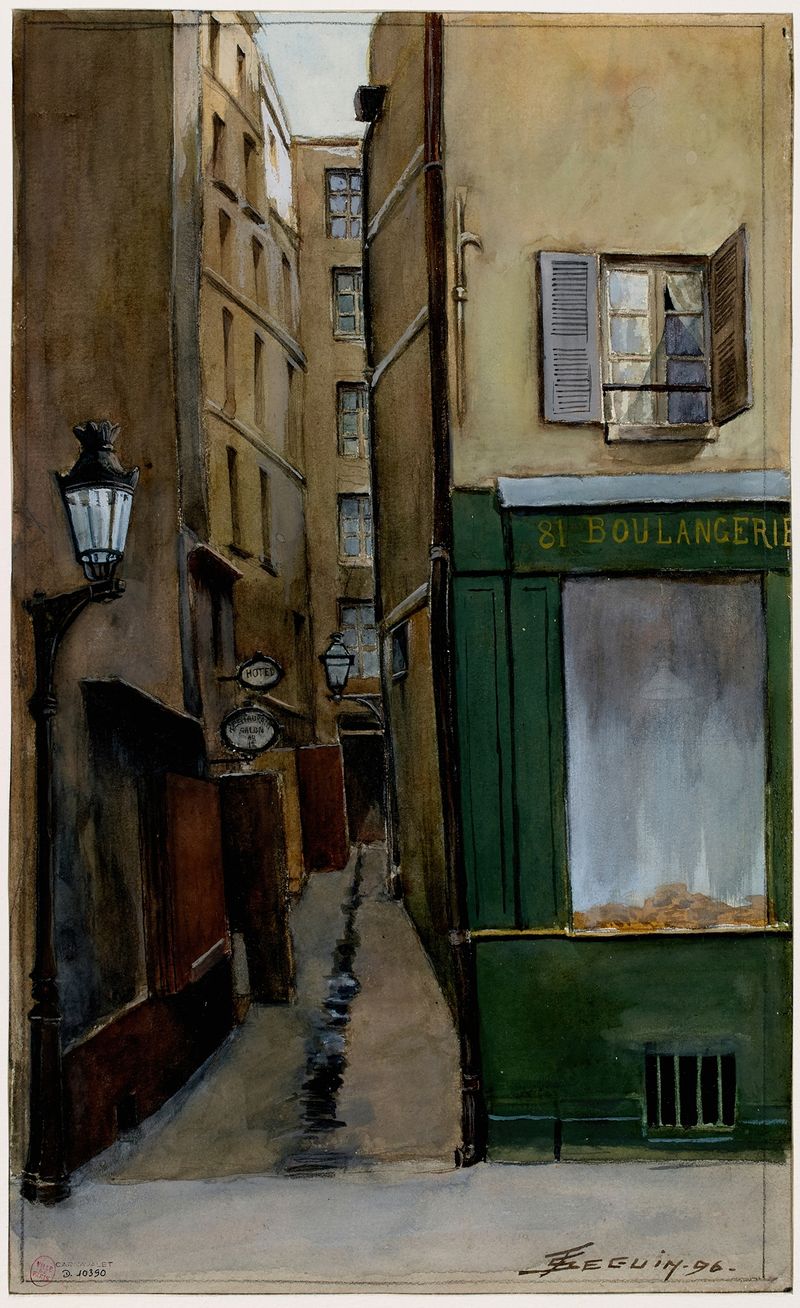
Cul de sac du Fiacre, 81 rue Saint Martin
F. Séguin
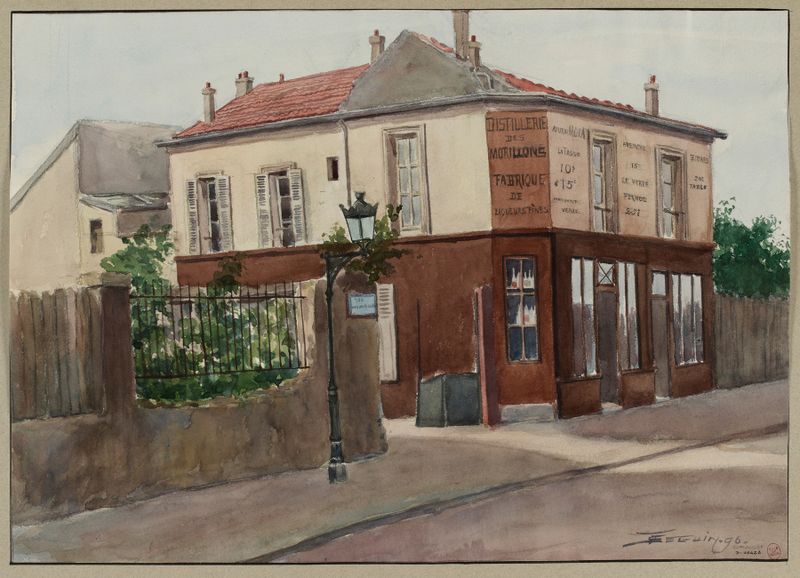
Angle de l’impasse Carlier et au 24 rue des Morillons, Vaugirard
F. Séguin
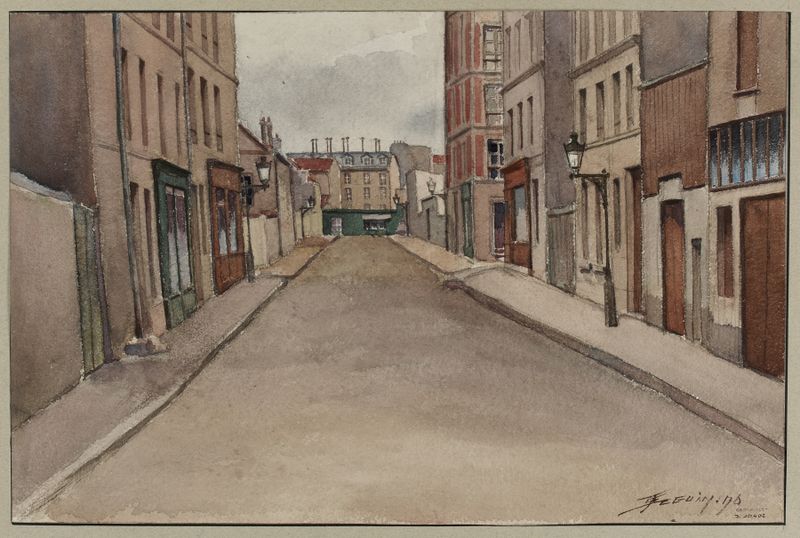
Rue Franquet
F. Séguin





