
Rue Geoffroy l’Angevin, de la rue du Temple à la rue Beaubourg — History & Facts
When did color learn to lie? In a world where every shade whispers secrets and stories, the boundaries of time blur under the weight of vibrant hues. Look to the left at the soft azure sky that envelops the scene, a tranquil backdrop that contrasts with the warm ochres and earthy browns of the buildings lining the street. The eye is drawn down the cobbled pathway, where figures in period attire stroll leisurely, their movements almost ghostly, as if they exist in a moment suspended. Notice how the sunlight dapples through the trees, casting intricate patterns upon the ground, creating a dance of light that breathes life into the quiet neighborhood. Amid this calm, underlying tensions arise.
The juxtaposition of the bustling street life against the stillness of the architecture suggests an eternal moment, where time is both fleeting and infinite. Each passerby carries their own history, yet they are united in this shared experience of place, inviting reflection on the passing of time itself. The warm colors evoke nostalgia, prompting the viewer to consider what stories lay hidden behind the façades of these buildings. Painted in 1896, the artist captured this Parisian street scene during a time of transformation, as the city welcomed modernity while cherishing its historic roots.
Séguin, working amidst the Impressionist movement, found inspiration in the everyday life surrounding him, reflecting societal changes that were taking hold in France. This work embodies the essence of a world caught between the rush of progress and the beauty of lingering moments.
More Artworks by F. Séguin
Browse all →
Rue Brantôme. (anciennement rue des Petits Champs donnant rue Saint Martin et rue Beaubourg)
F. Séguin
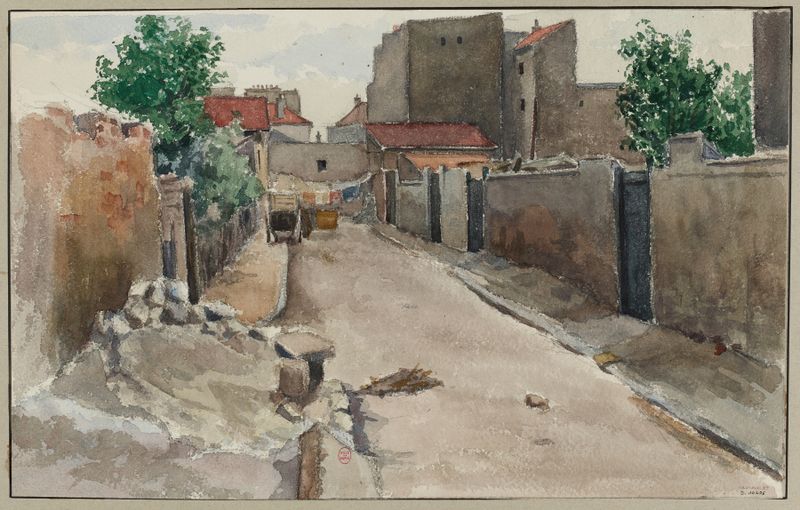
La rue de Chambéry, prise de la rue de Nice la Frontière
F. Séguin
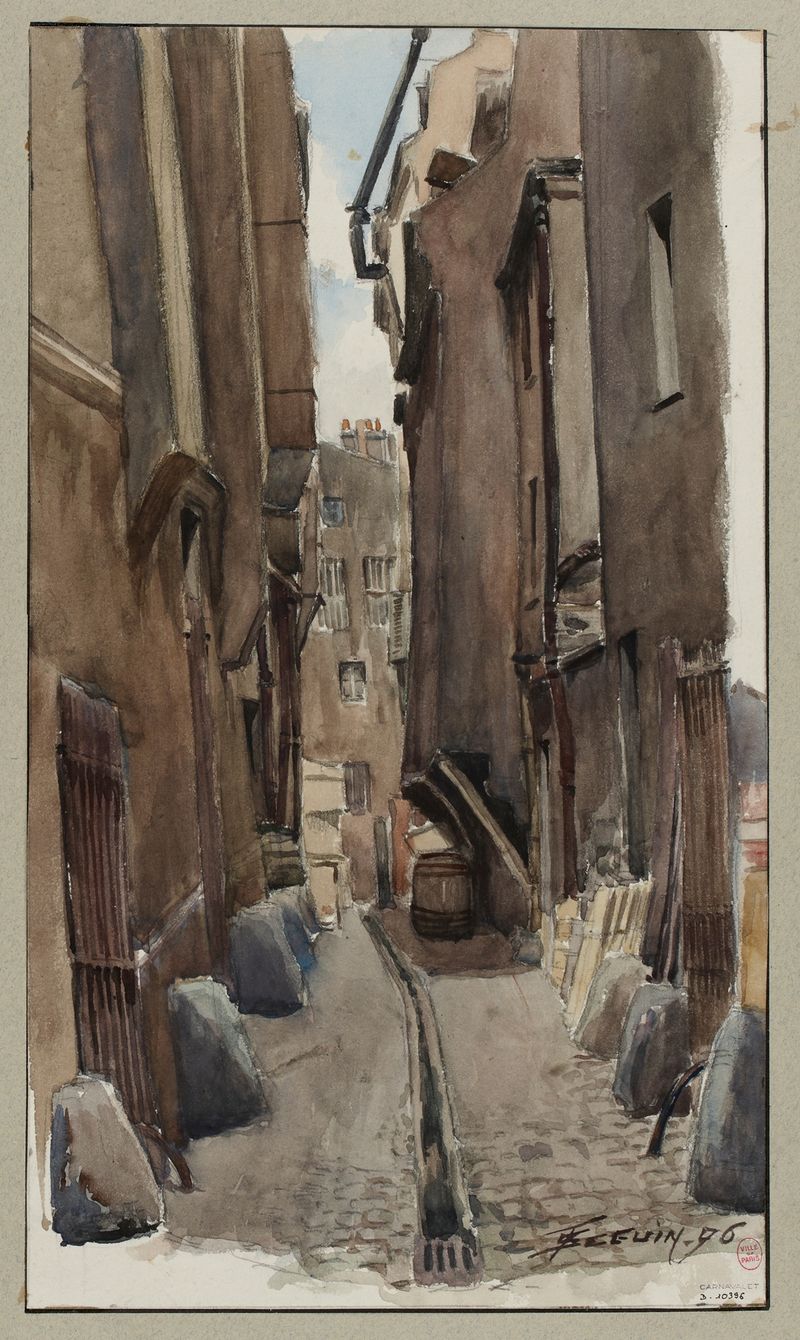
Le Cul de sac du Bœuf, (rue Saint Merri)
F. Séguin

Rue Descartes
F. Séguin
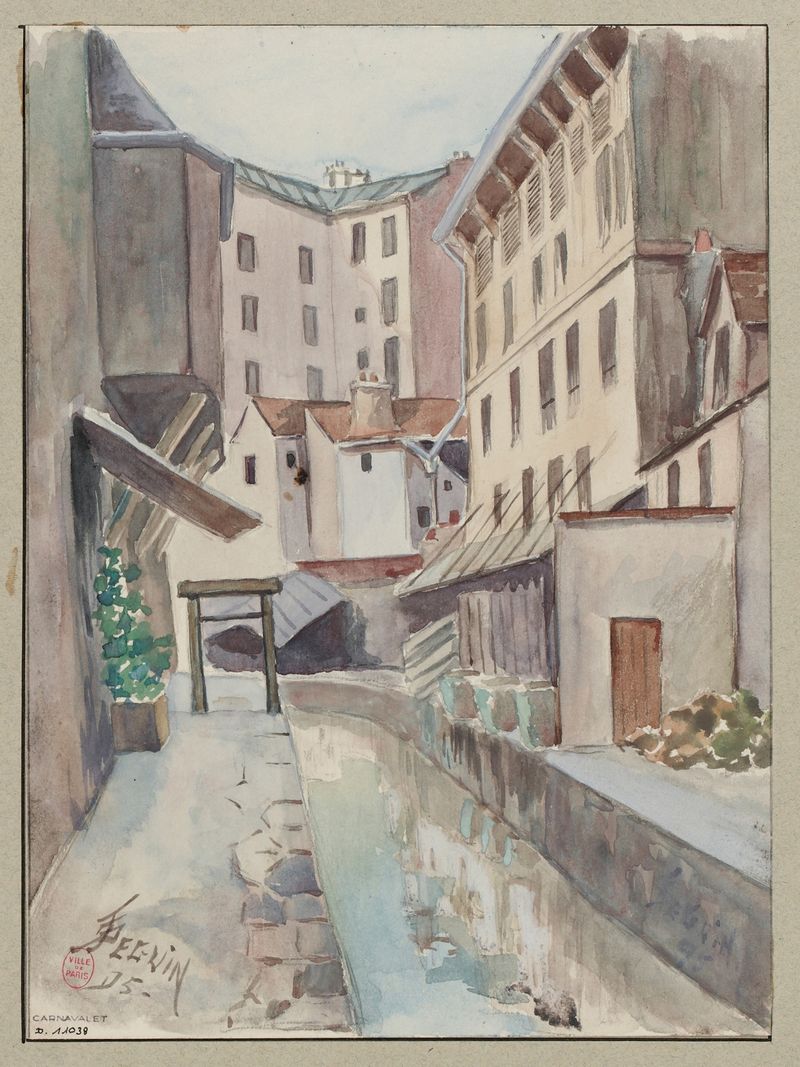
Le bord de la Bièvre à l’avenue des Gobelins
F. Séguin

Villa des Otages mur où furent fusillés les 52 derniers otages de la Commune, rue Haxo
F. Séguin
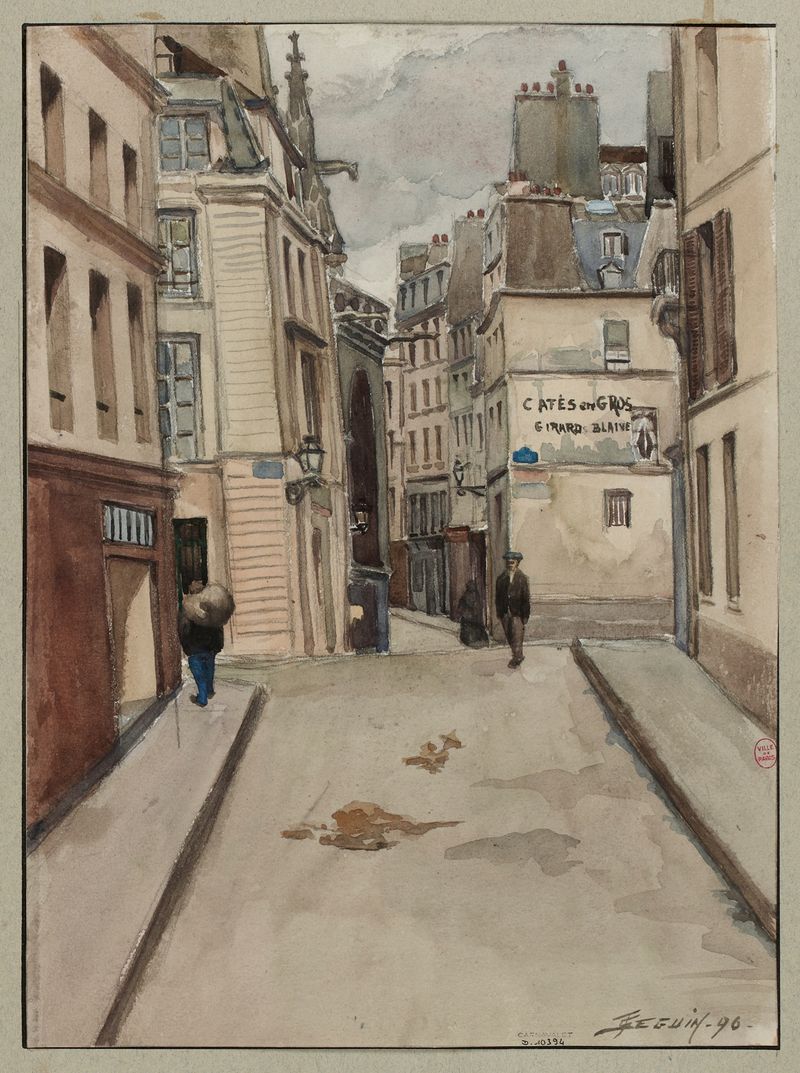
Rue du Cloître Saint Mérry, de la rue du Renard à la rue Saint Martin
F. Séguin
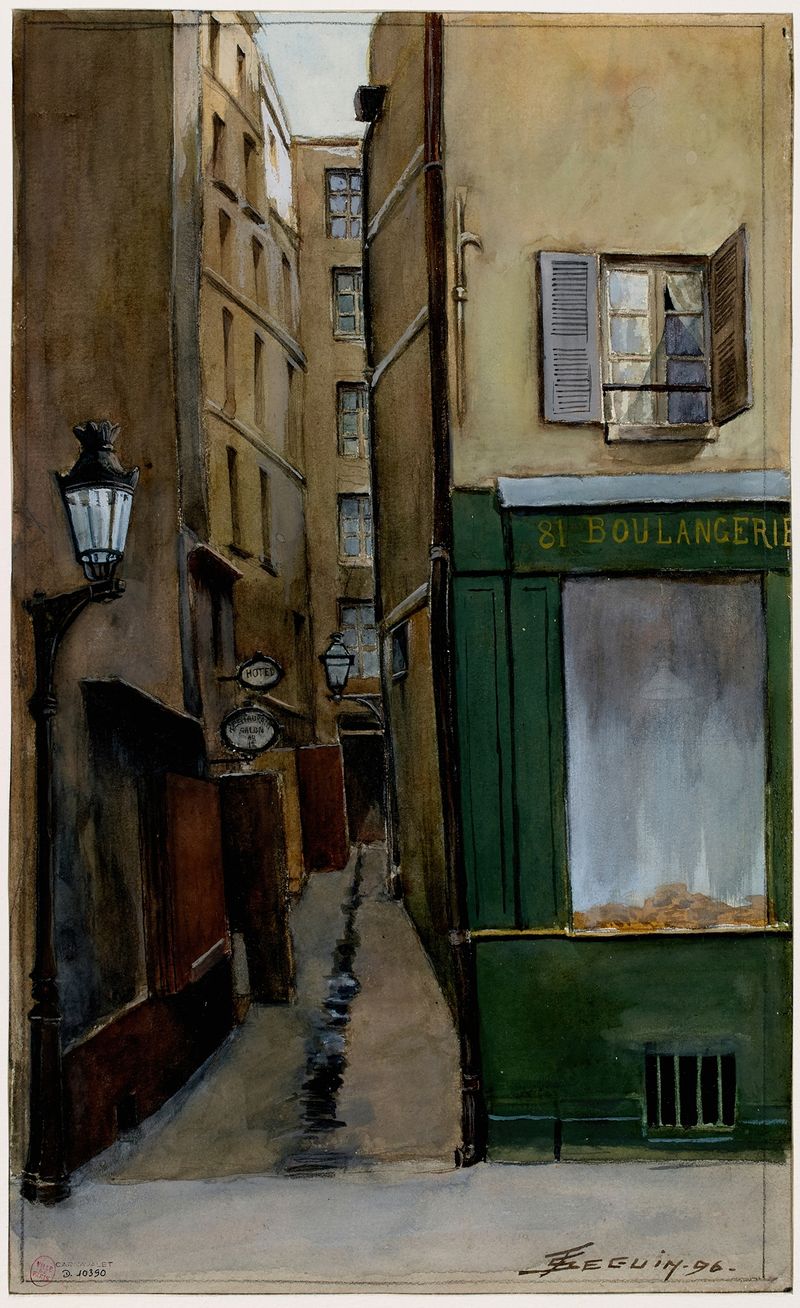
Cul de sac du Fiacre, 81 rue Saint Martin
F. Séguin
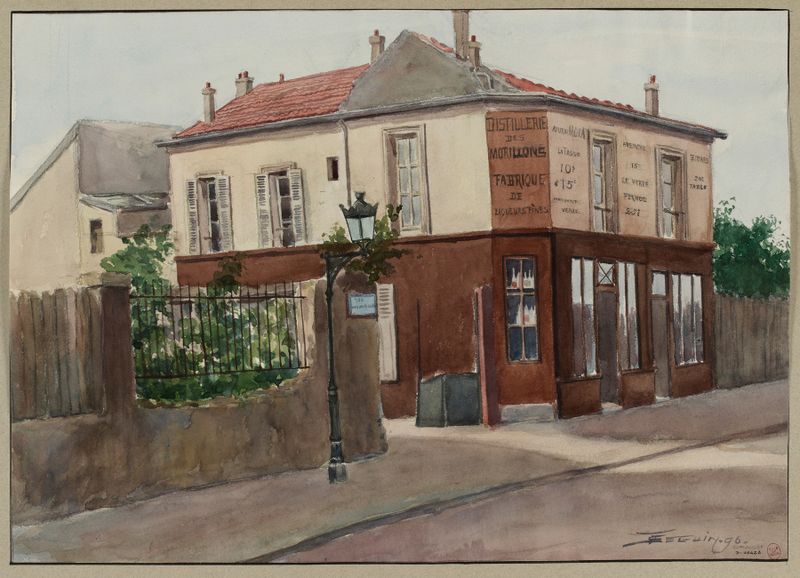
Angle de l’impasse Carlier et au 24 rue des Morillons, Vaugirard
F. Séguin
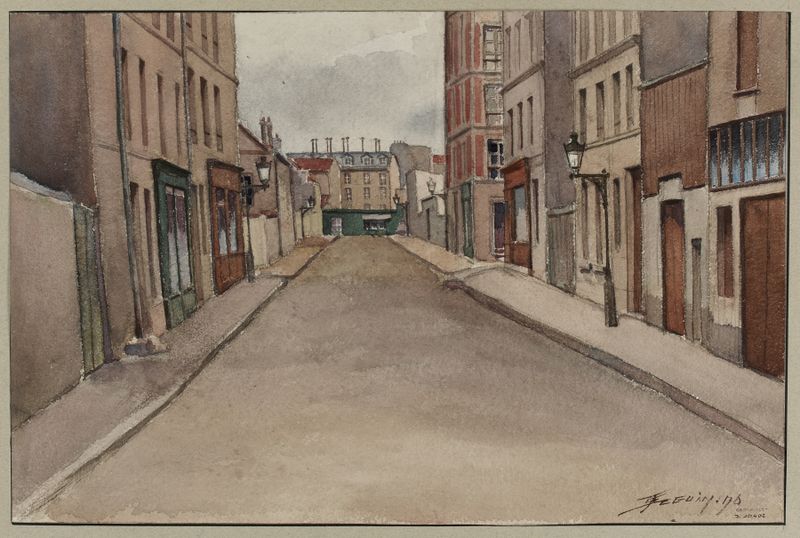
Rue Franquet
F. Séguin





