
Rue Lamark, à Montmartre — History & Facts
Can beauty exist without sorrow? In Rue Lamark, à Montmartre, the artist captures the intricate dance between light and shadow, inviting us into a world where obsession intertwines with longing. Look to the left at the cobblestone street, where the muted ambiance of early morning resonates with a gentle, silvery light. The buildings rise like silent witnesses, their facades adorned with delicate brushstrokes that suggest both history and melancholy. Notice how the soft, pastel colors blend into one another, creating a harmonious yet fleeting atmosphere—an echo of moments lost in time.
The viewer’s eye is drawn to the subtle play of shadows, hinting at the breath of life beneath the stillness, as if the street itself holds secrets waiting to be unveiled. Beneath the serene surface lies a tumult of emotions. The juxtaposition of the tranquil street against the empty, dim interiors of the buildings speaks to a deeper solitude, a yearning that transcends the physical space. Each brushstroke is imbued with a sense of nostalgia, a whisper of the past that becomes tangible through the artist’s obsession with detail.
This artwork encapsulates the paradox of beauty grounded in sorrow, reminding us that every vibrant hue is often stitched together with threads of loss and longing. Ferdinand Boberg painted this piece in 1926 while residing in Montmartre, a neighborhood that had long been a sanctuary for artists grappling with their identity amidst a changing world. It was a period marked by the aftermath of World War I, where the artistic community sought to heal through creation. As Boberg explored the streets that brimmed with inspiration, he was also reflecting on the enduring impact of conflict and the bittersweet nature of beauty in a transformed society.
More Artworks by Ferdinand Boberg
Browse all →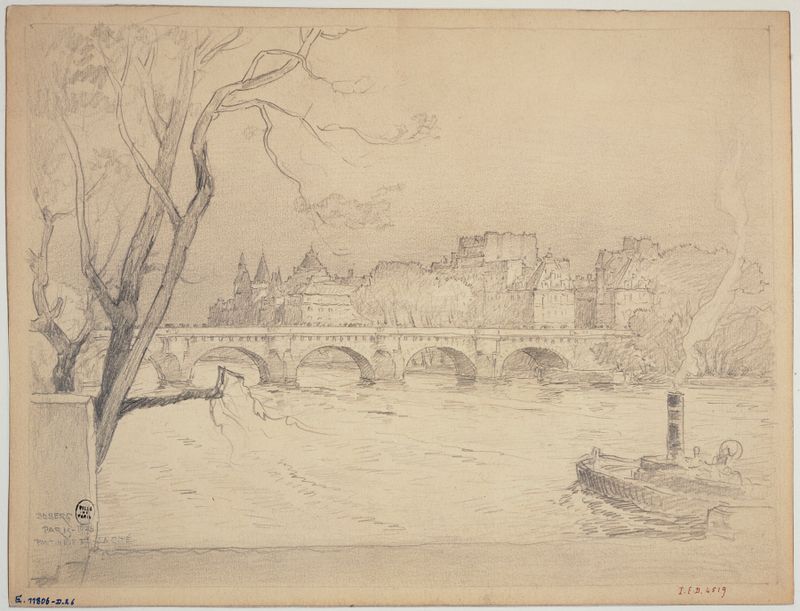
Le Pont-Neuf et la Cité
Ferdinand Boberg
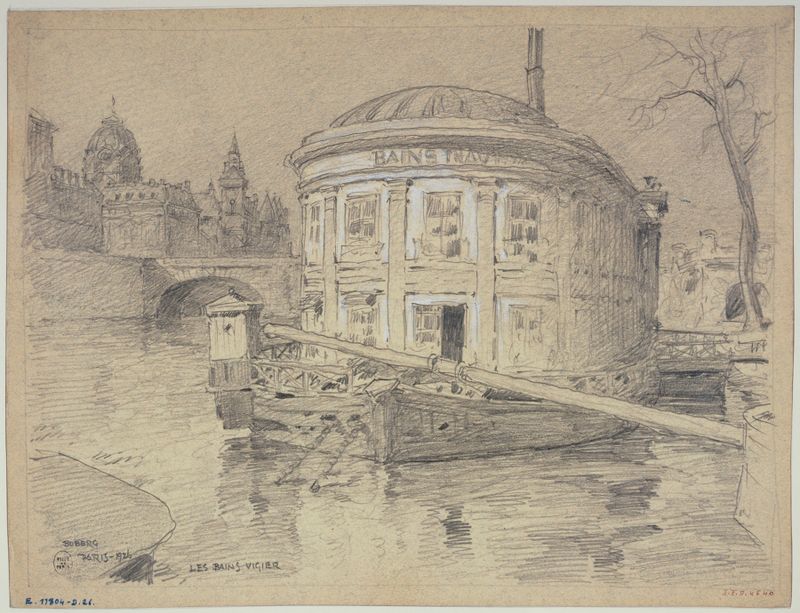
Les bains Vigier au Pont-Neuf
Ferdinand Boberg
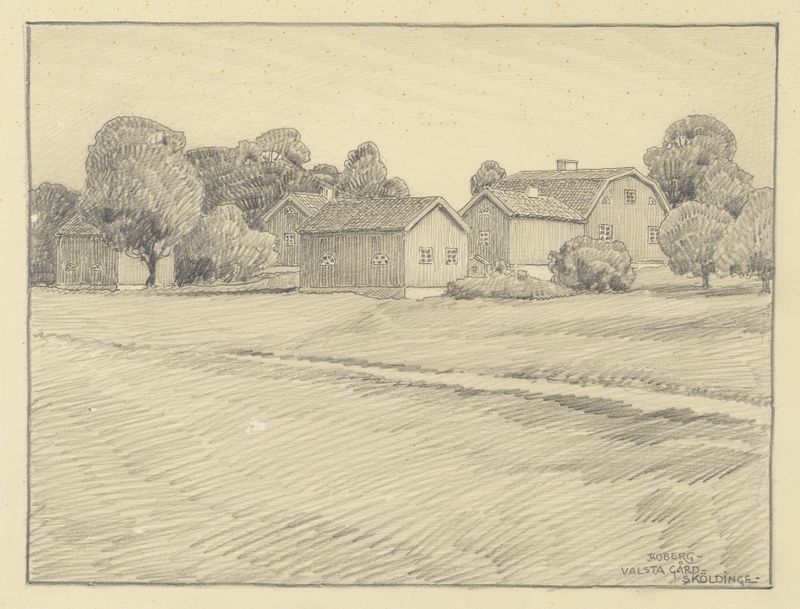
Valsta Gård
Ferdinand Boberg
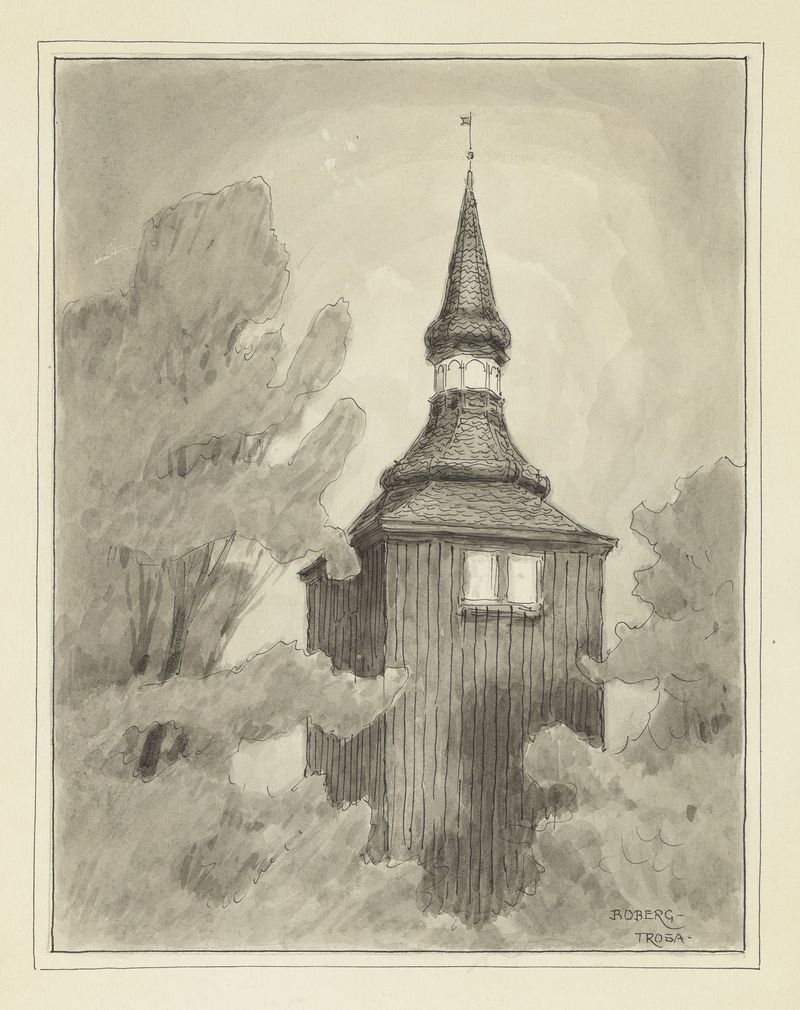
Trosa
Ferdinand Boberg
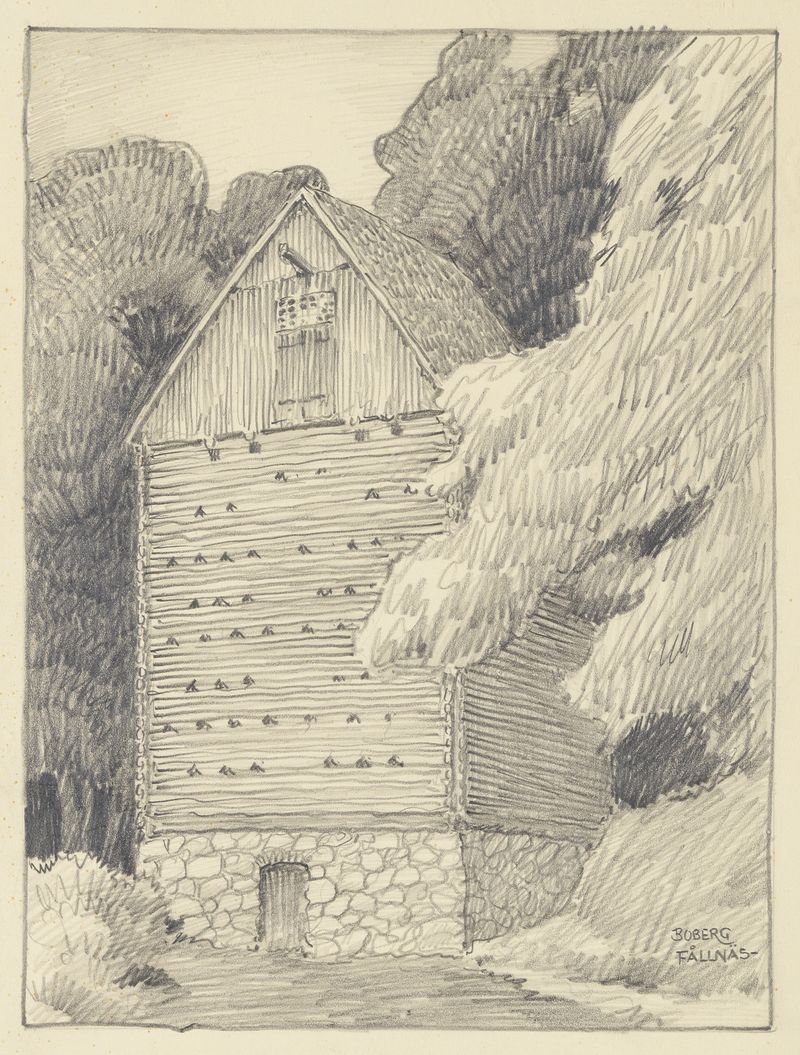
Fållnäs
Ferdinand Boberg
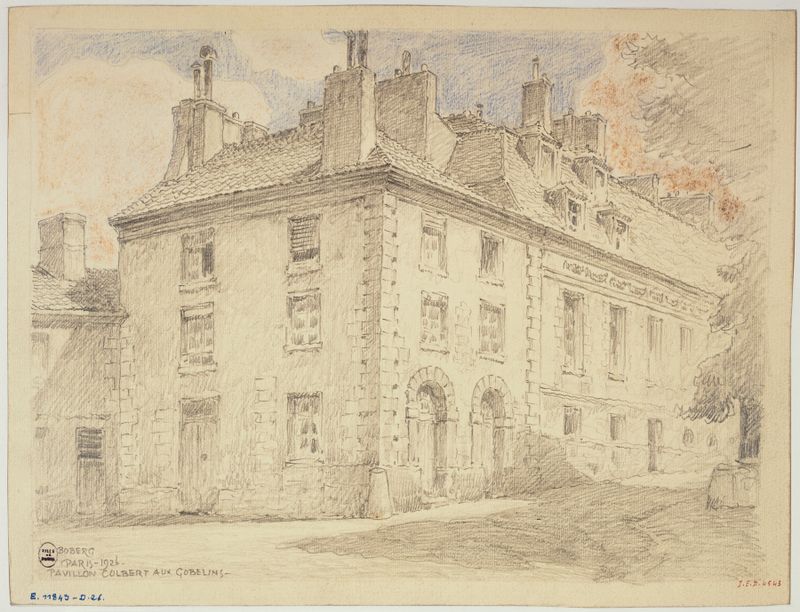
Le pavillon Colbert aux Gobelins
Ferdinand Boberg
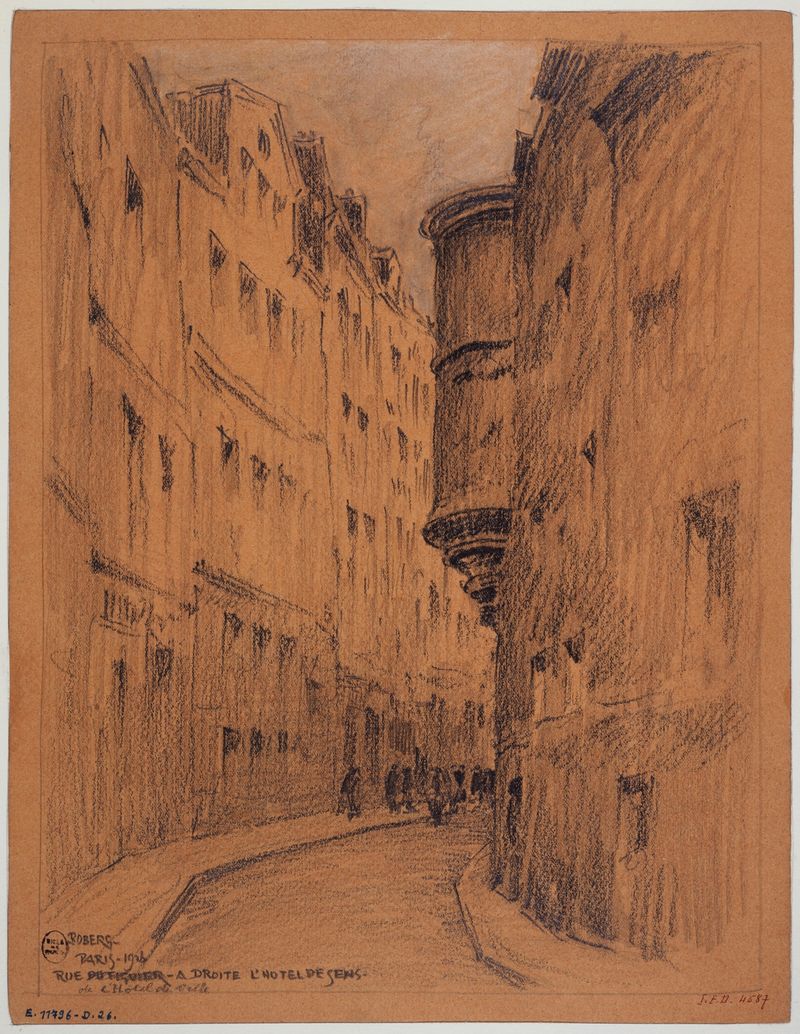
Rue de l’Hôtel de Ville; l’hôtel de Sens
Ferdinand Boberg
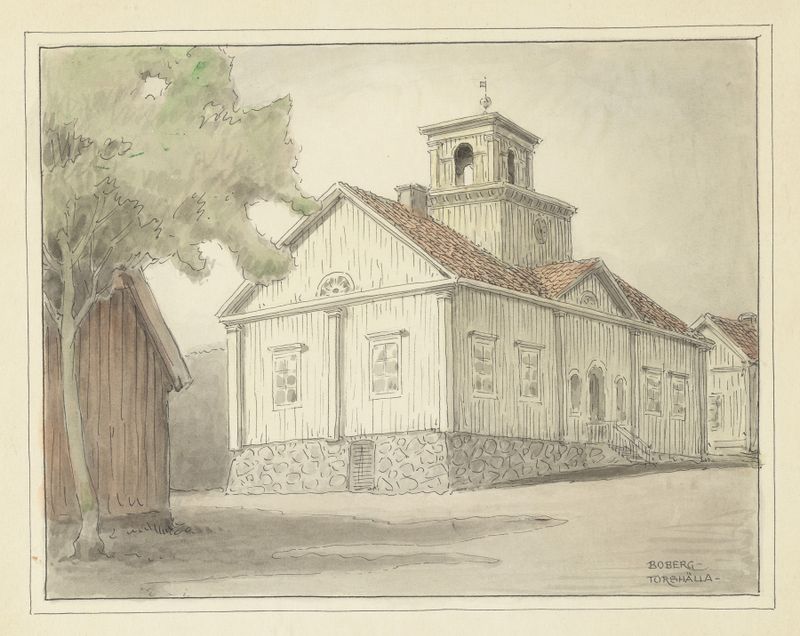
Torshälla
Ferdinand Boberg
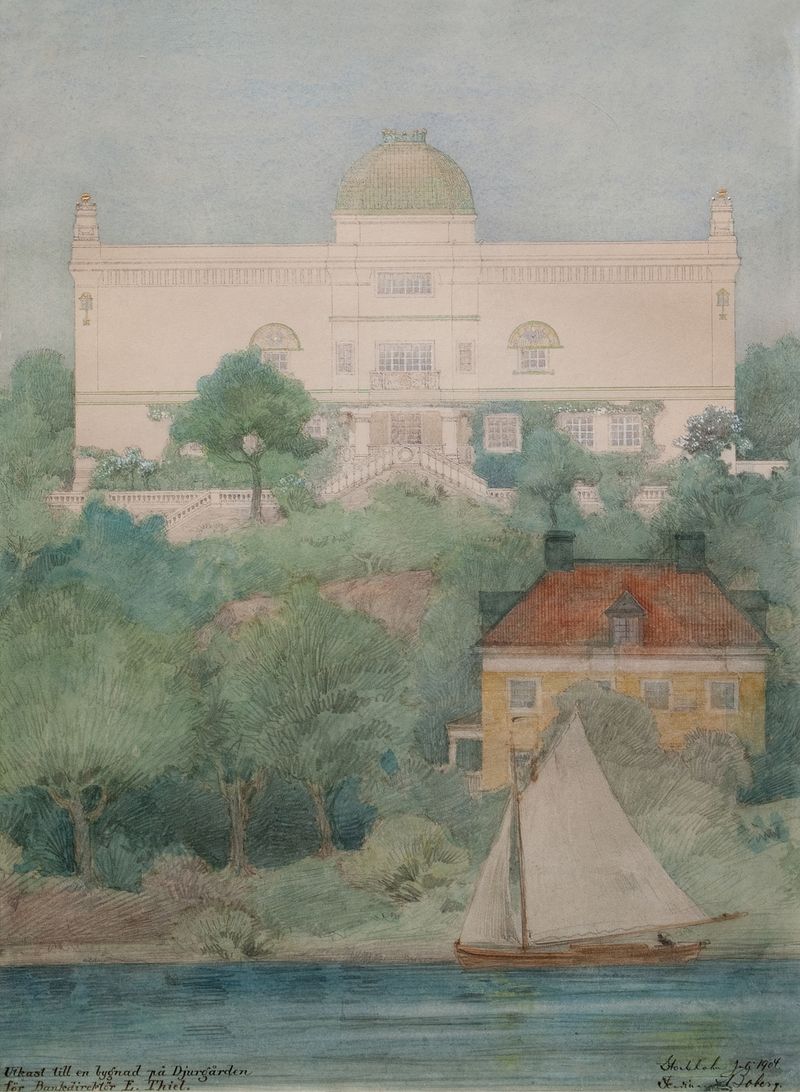
Sketch for a building for Thiel’s Gallery
Ferdinand Boberg
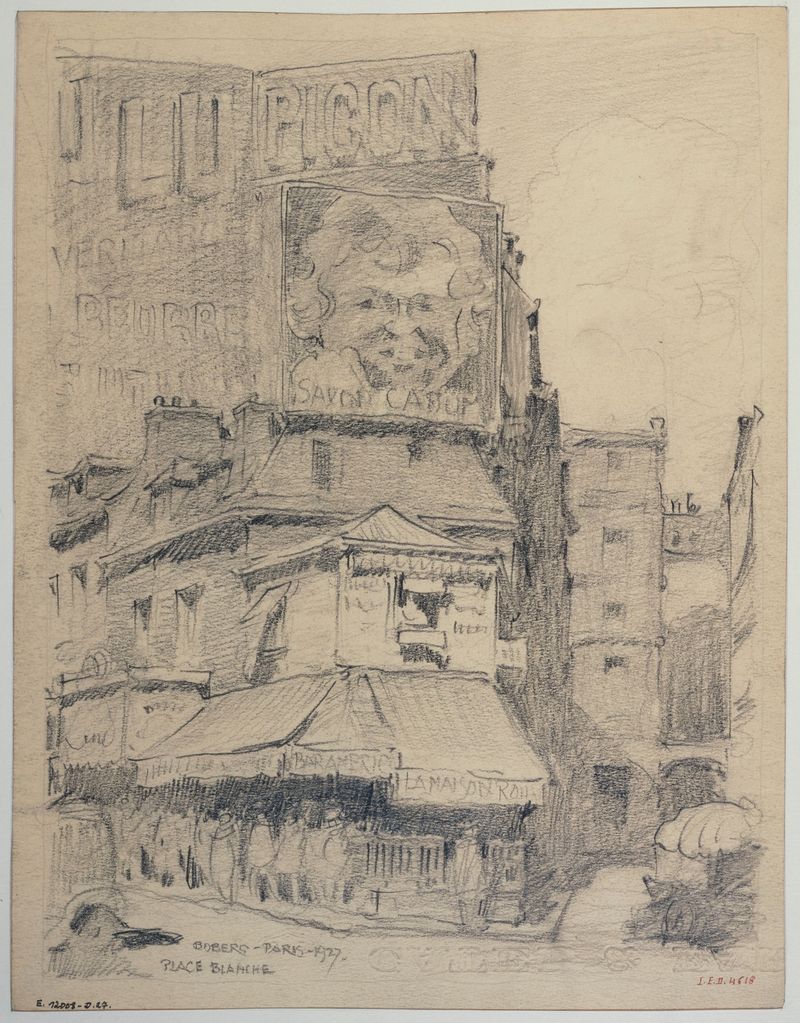
La place Blanche
Ferdinand Boberg





