
Rue Laplace, donnant rue de la Montagne Sainte-Geneviève et rue Valette, en 1895 — History & Facts
What if silence could speak through light? In the delicate interplay of shadow and illumination, Rue Laplace, donnant rue de la Montagne Sainte-Geneviève et rue Valette, en 1895 captures a moment where the everyday becomes profound. Look to the left at the charming cobblestone street, where the warm glow of the setting sun spills across the buildings. The soft brushstrokes create a gentle ambiance, inviting the viewer to explore the depth of the scene. Notice how Séguin employs a muted palette of warm ochres and cool blues, balancing the vibrancy of life with the quietude of twilight.
The careful layering of color lends a rich texture to the facades, lending them a sense of history and intimacy. In this tranquil setting, the intricate details tell deeper stories. The shadows cast by the buildings suggest the weight of time, evoking a sense of nostalgia for a moment long past. The absence of figures invites contemplation, allowing the viewer to project their own thoughts and memories onto the scene.
The interplay of light and reflection in the windows serves as a metaphor for the lives lived within those walls, hinting at untold stories and the beauty of life’s fleeting moments. In 1895, Séguin was living in Paris, a city buzzing with artistic innovation and a sense of modernity. This work reflects the Post-Impressionist movement's focus on capturing light and atmosphere, as artists turned away from realism towards personal expression. Creating Rue Laplace during a time of transition in the art world, Séguin was positioned at the intersection of tradition and the avant-garde, crafting a piece that quietly resonates with both historical significance and emotional depth.
More Artworks by F. Séguin
Browse all →
Rue Brantôme. (anciennement rue des Petits Champs donnant rue Saint Martin et rue Beaubourg)
F. Séguin
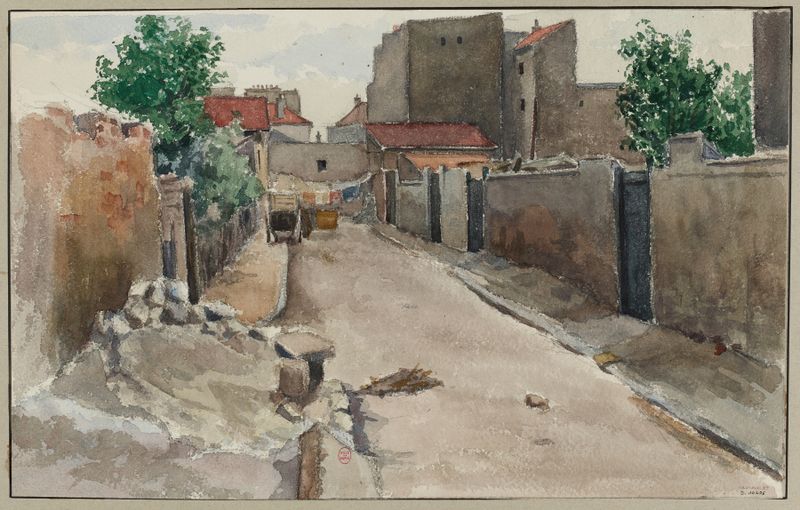
La rue de Chambéry, prise de la rue de Nice la Frontière
F. Séguin
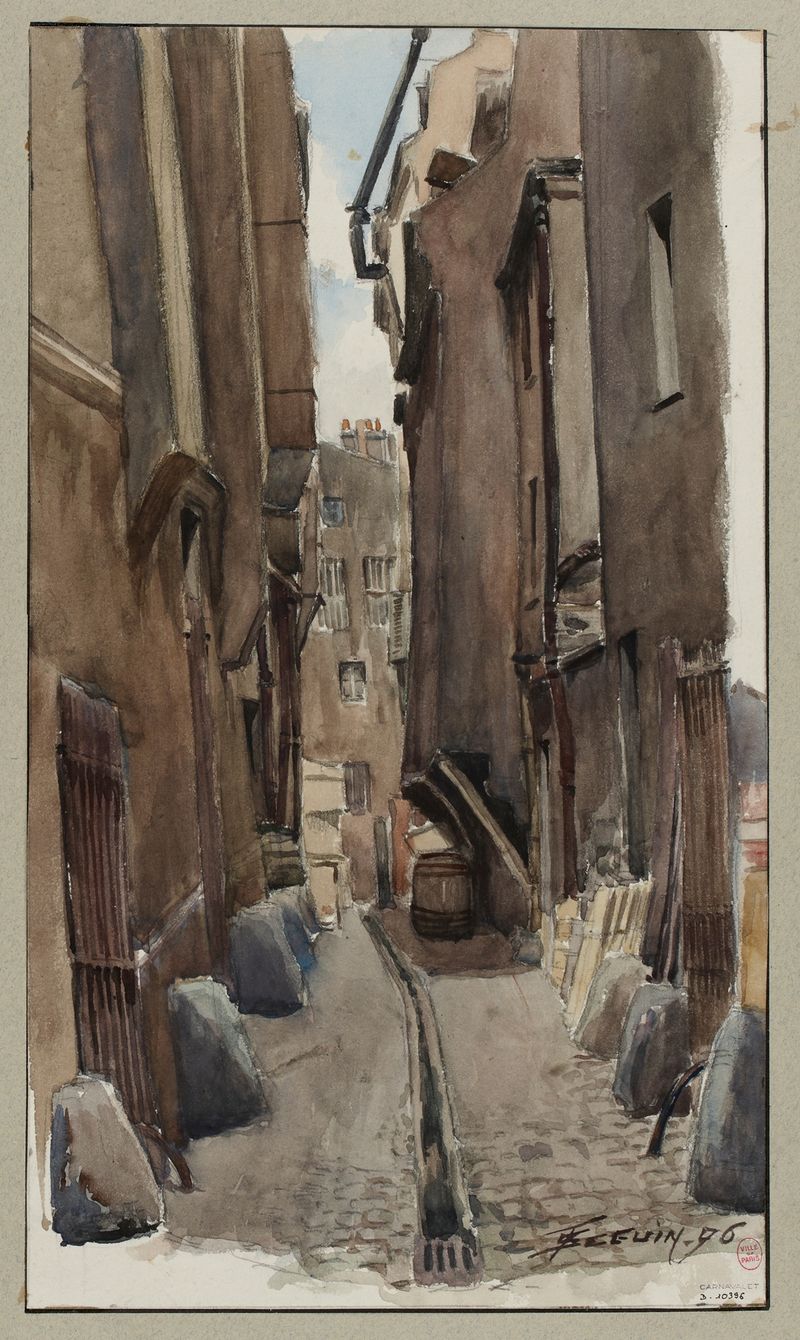
Le Cul de sac du Bœuf, (rue Saint Merri)
F. Séguin

Rue Descartes
F. Séguin
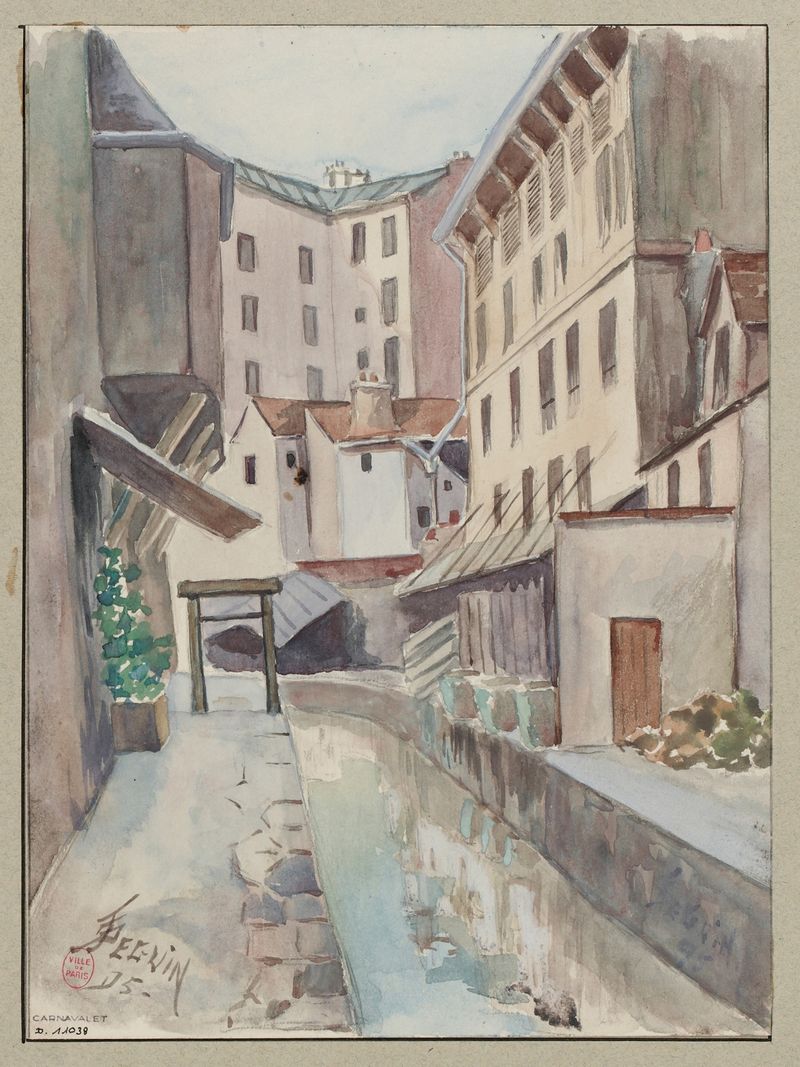
Le bord de la Bièvre à l’avenue des Gobelins
F. Séguin

Villa des Otages mur où furent fusillés les 52 derniers otages de la Commune, rue Haxo
F. Séguin
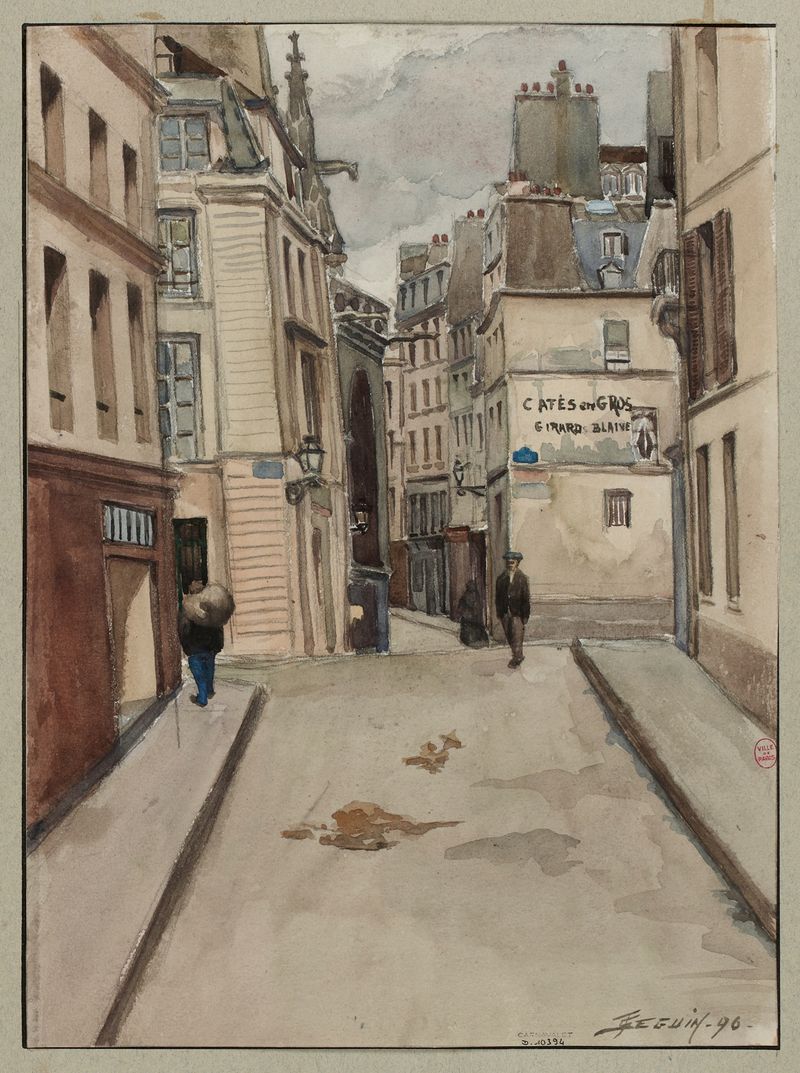
Rue du Cloître Saint Mérry, de la rue du Renard à la rue Saint Martin
F. Séguin
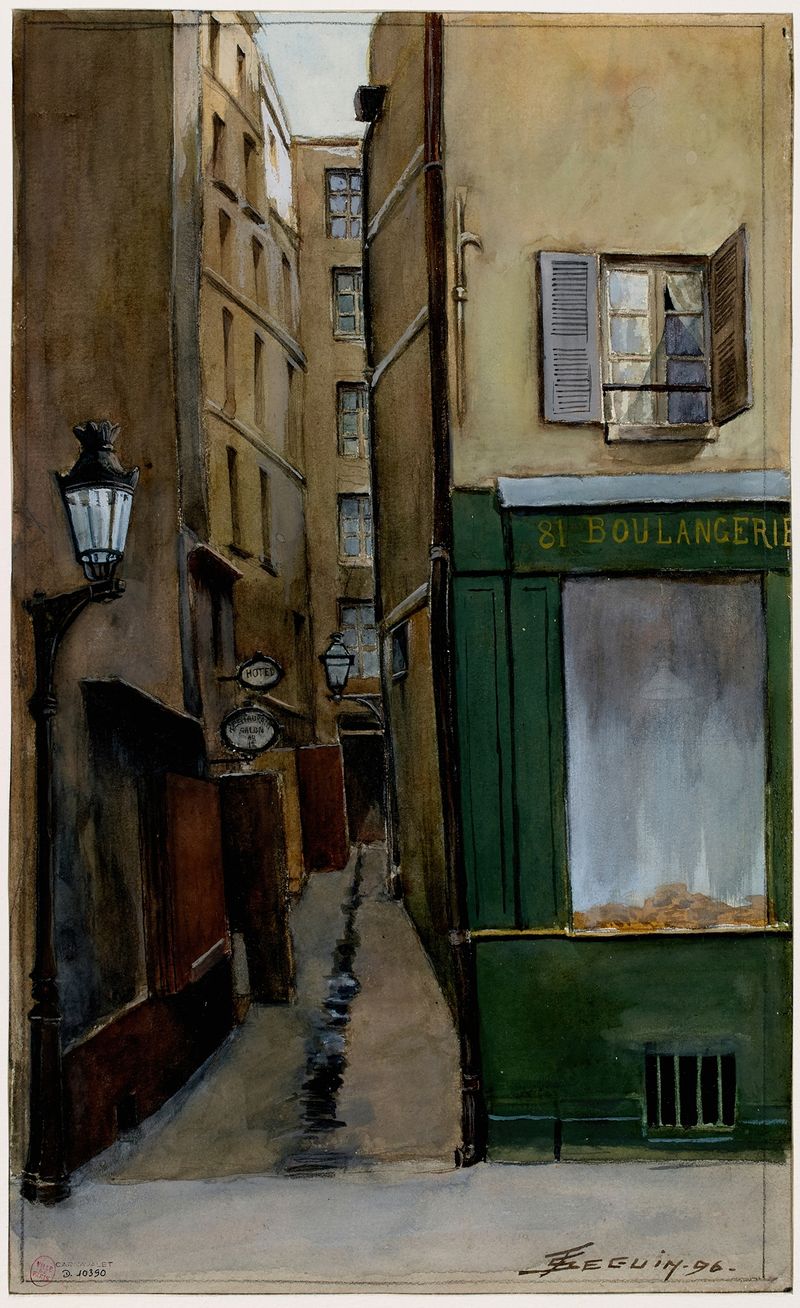
Cul de sac du Fiacre, 81 rue Saint Martin
F. Séguin
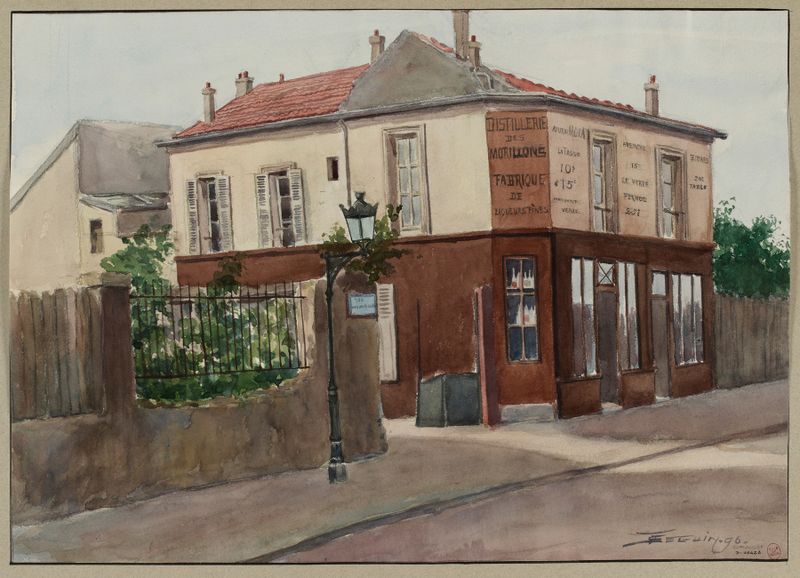
Angle de l’impasse Carlier et au 24 rue des Morillons, Vaugirard
F. Séguin
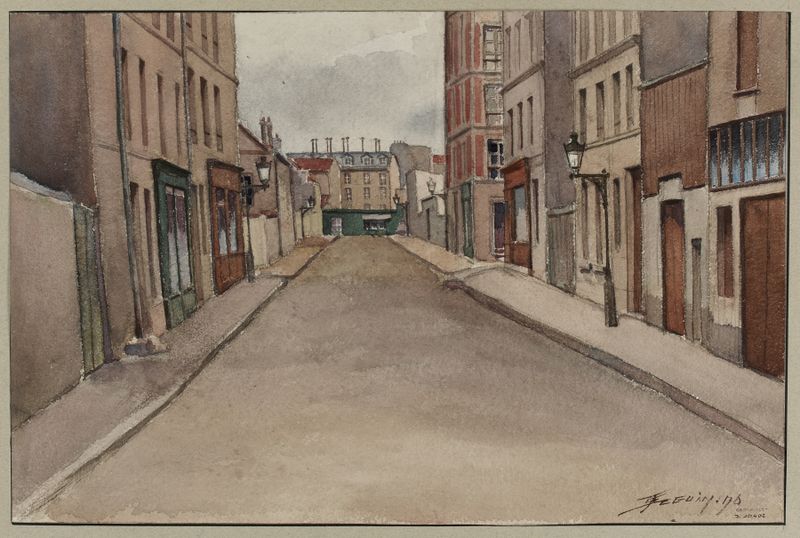
Rue Franquet
F. Séguin





