
Rue Lepic à Montmartre — History & Facts
Could a single brushstroke hold eternity? In Rue Lepic à Montmartre, innocence is captured not just in the scene, but in the very essence of the brushwork itself, evoking memories long past yet forever vivid. Look to the left, where a quaint street disappears into the distance, embraced by the warm hues of twilight. The buildings, rendered in soft pastels, almost breathe with the whispers of lives lived within their walls. Notice how the light dances across the cobblestone, weaving shadows and creating a gentle rhythm that guides your gaze deeper into the heart of Montmartre, where every corner hints at a narrative waiting to be discovered. The juxtaposition of the lively street life against the stillness of the twilight speaks to the fleeting nature of innocence.
Subtle details, like the solitary figure in the distance or the flickering light from a nearby café, suggest a longing for connection, a nostalgia that envelops the viewer. Each stroke seems to echo the laughter and dreams of those who once wandered these streets, embodying the delicate balance between joy and melancholy. Ferdinand Boberg painted this scene in 1926 during a period of artistic exploration in Paris, where he found inspiration amongst the vibrant atmosphere of Montmartre. Known for his ability to blend Impressionistic techniques with a modern touch, Boberg was deeply influenced by the art movements surrounding him, reflecting a time when artists were redefining the boundaries of expression.
It was here, amidst the bohemian spirit and the pulse of urban life, that he captured this moment of serene beauty.
More Artworks by Ferdinand Boberg
Browse all →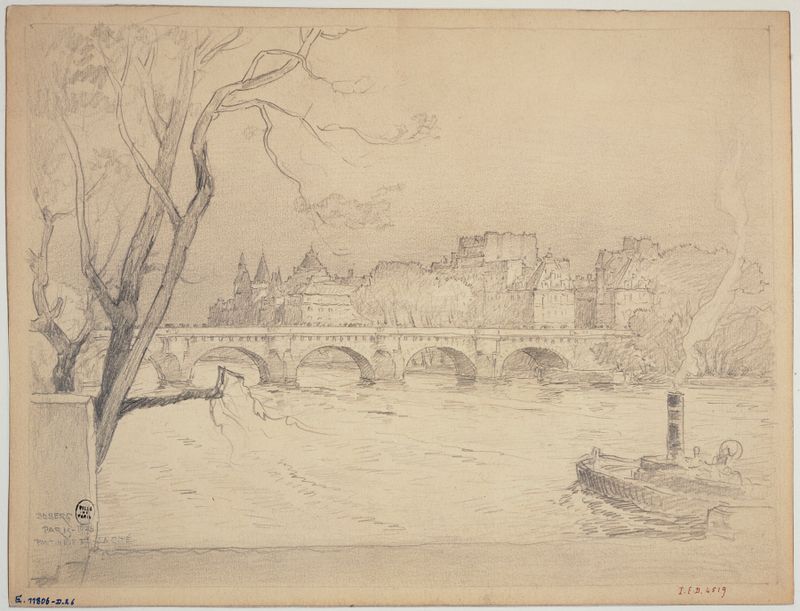
Le Pont-Neuf et la Cité
Ferdinand Boberg
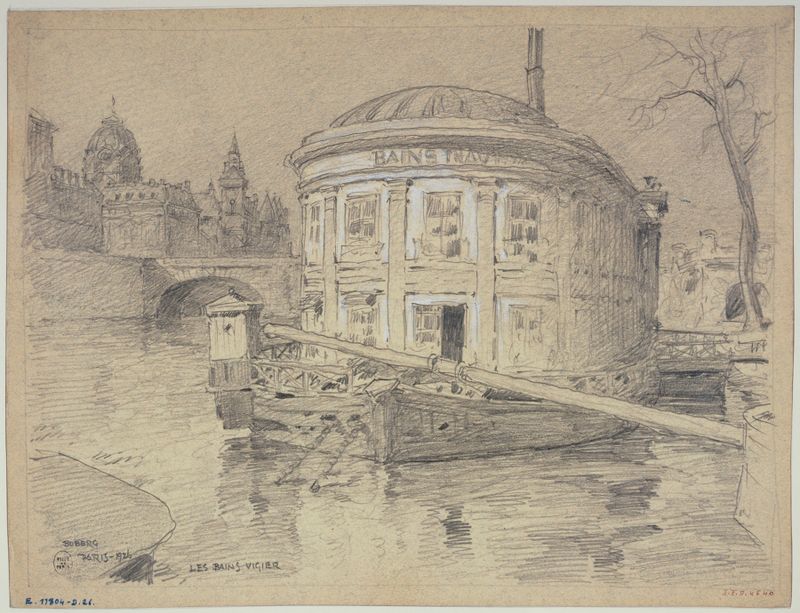
Les bains Vigier au Pont-Neuf
Ferdinand Boberg
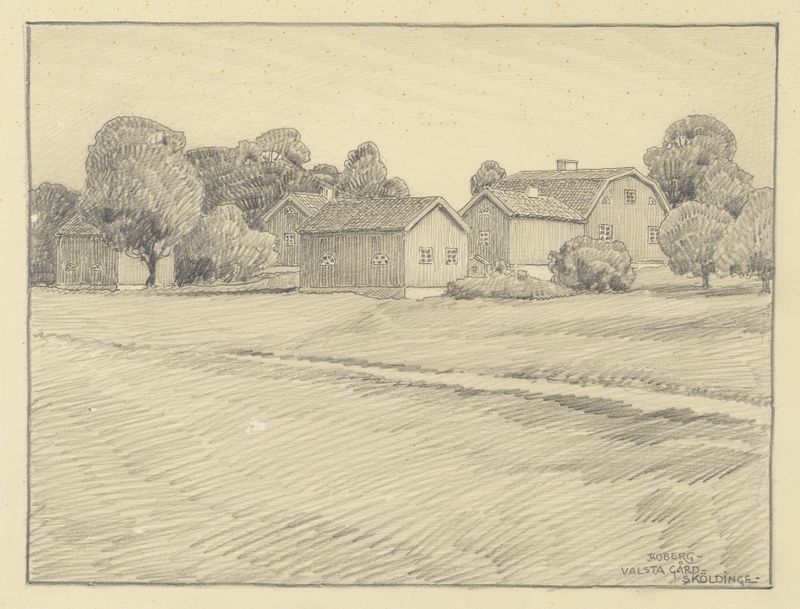
Valsta Gård
Ferdinand Boberg
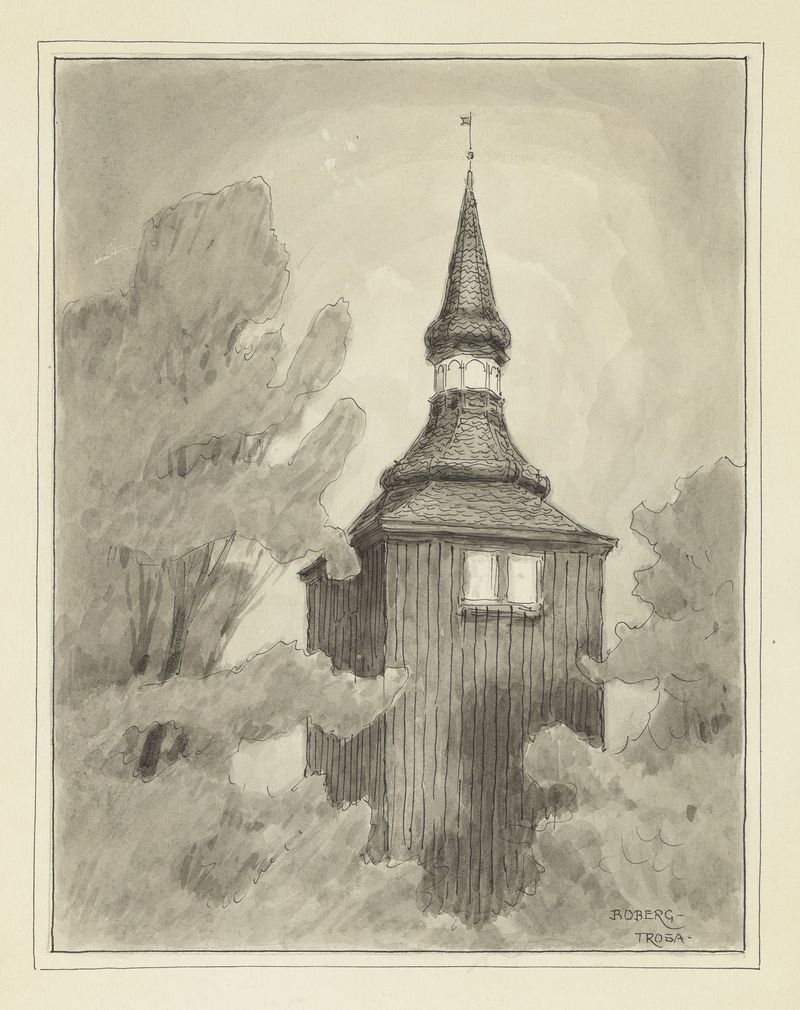
Trosa
Ferdinand Boberg
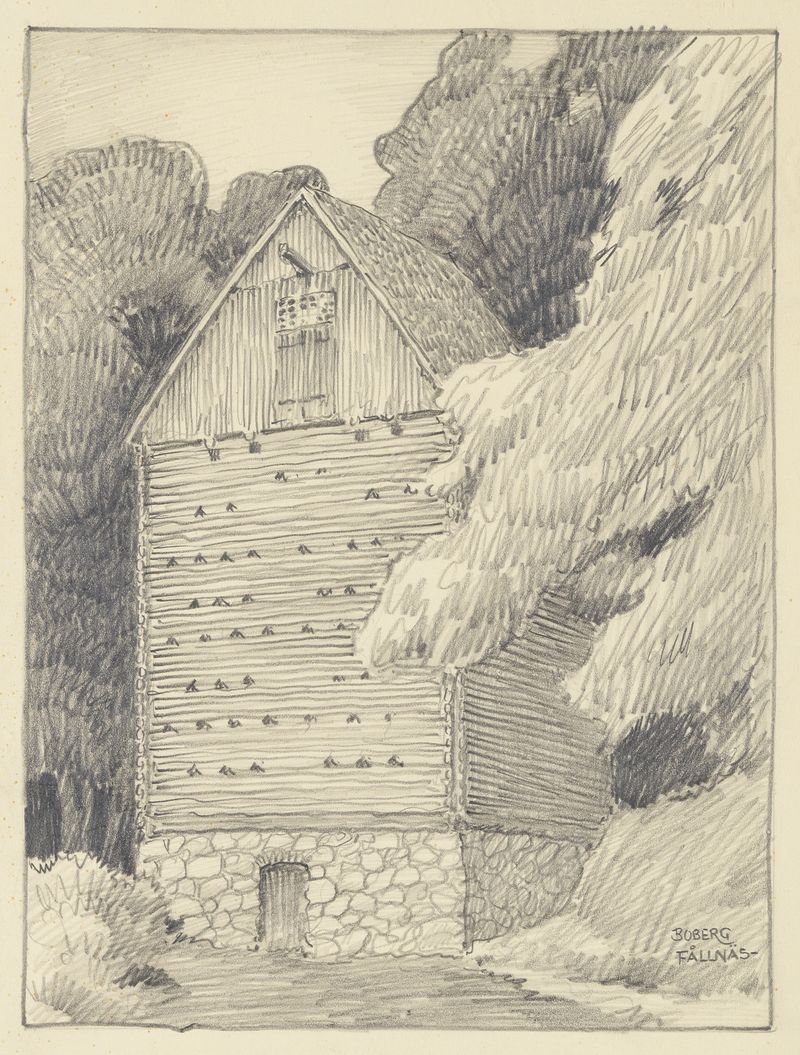
Fållnäs
Ferdinand Boberg
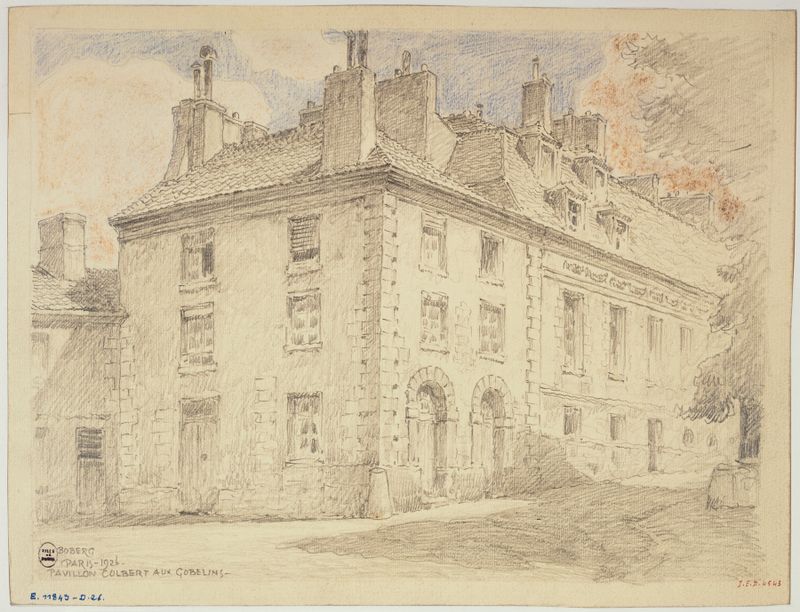
Le pavillon Colbert aux Gobelins
Ferdinand Boberg
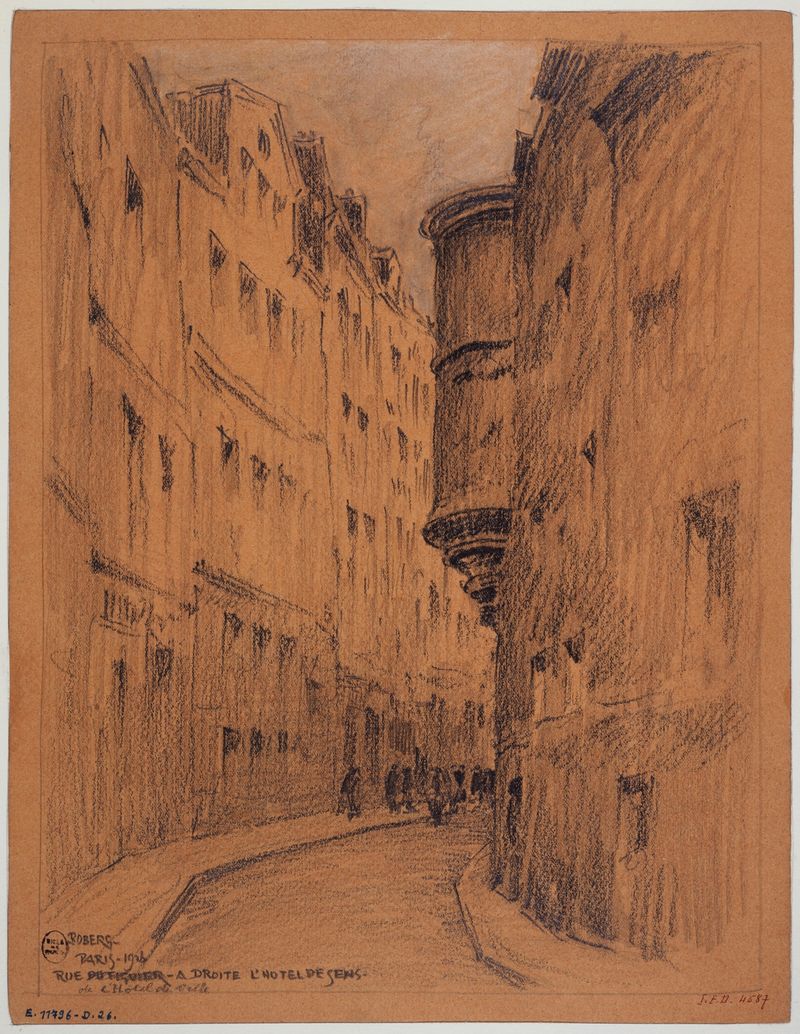
Rue de l’Hôtel de Ville; l’hôtel de Sens
Ferdinand Boberg
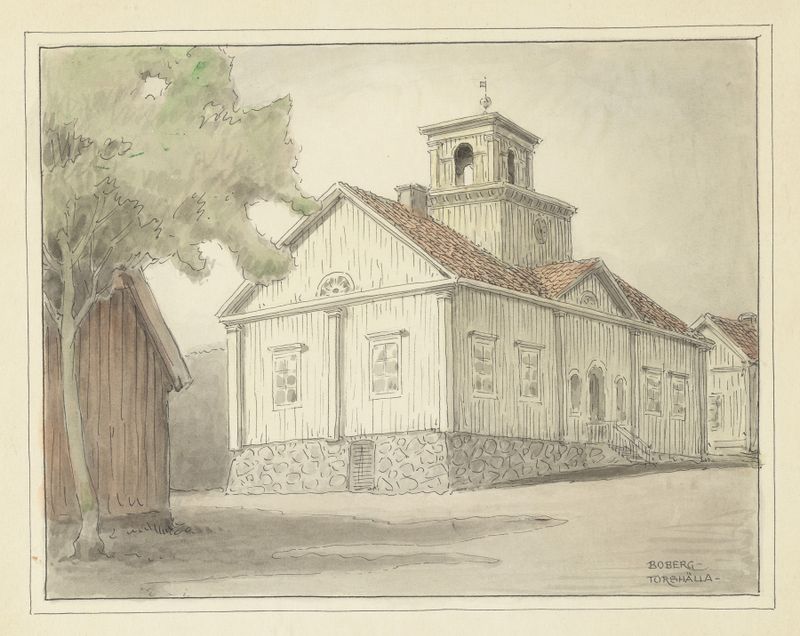
Torshälla
Ferdinand Boberg
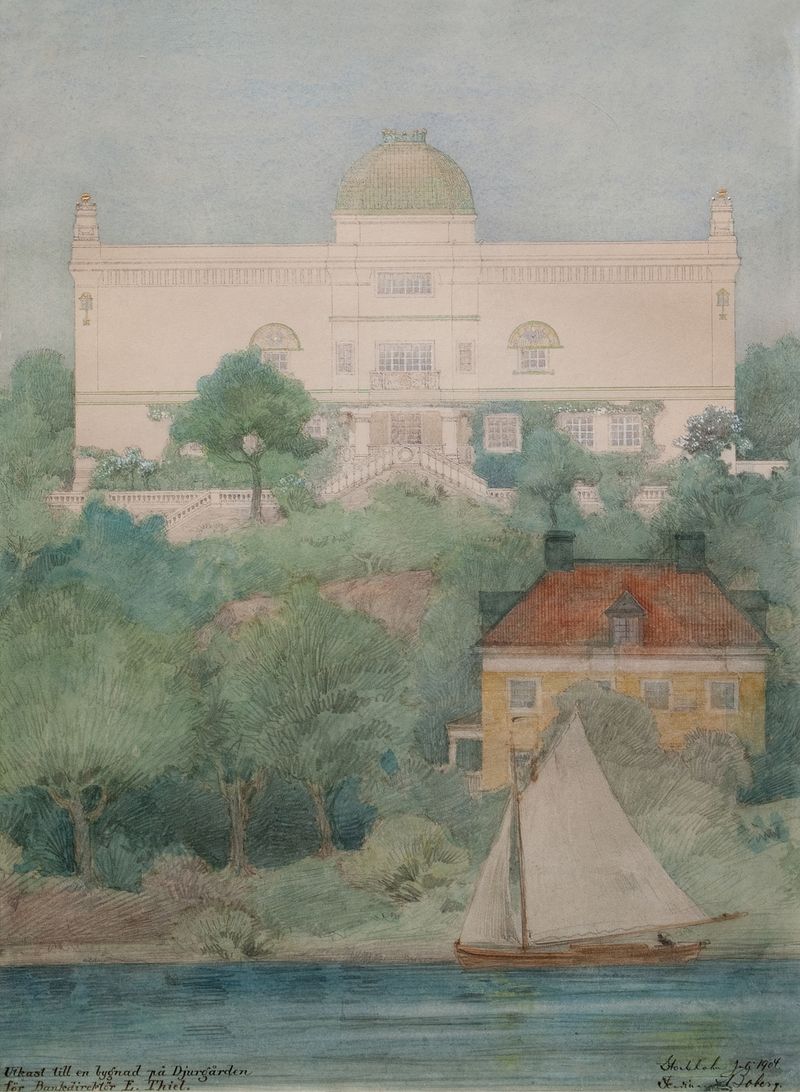
Sketch for a building for Thiel’s Gallery
Ferdinand Boberg
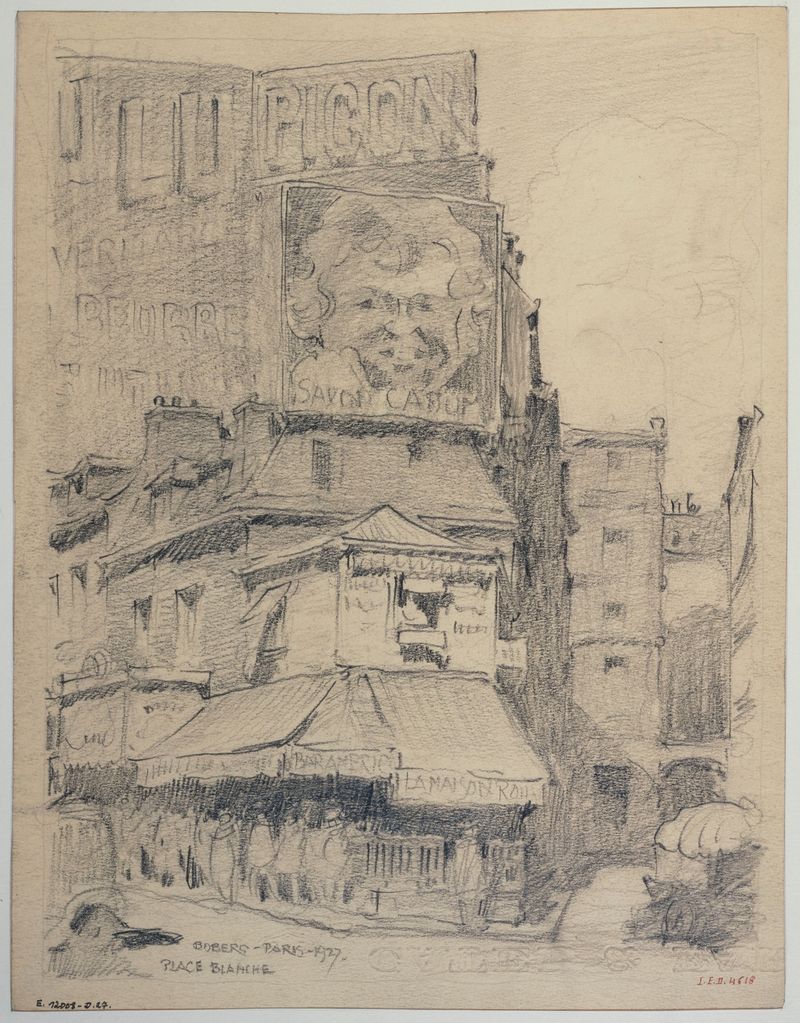
La place Blanche
Ferdinand Boberg





