
Rue Lhomond et rue du Pot de Fer — History & Facts
Did the painter know this moment would outlive them? In the stillness of a Parisian street, time is both a witness and a ghost, capturing the essence of loss that lingers within the architecture and cobblestones. Look to the left, where the narrow alley welcomes you with its unmistakable charm, lined with delicate facades that whisper stories of the past. The muted palette, rich with creams and soft greys, bathes the scene in a nostalgic glow. Notice how the light plays off the weathered buildings, casting soft shadows that hint at the passage of time, while the empty street evokes a sense of solitude, inviting reflection on what has been lost. Delve deeper into the work, and you’ll find the contrast between the bustling life that once was and the serene quietude that now reigns.
The scattered leaves on the cobblestones echo the fading vibrancy of life, suggesting a transition from joy to melancholy. Each architectural detail stands as a testament to history, begging the viewer to ponder the storytelling embedded in the very fabric of the city, longing for the presence of absent voices. Ferdinand Boberg painted this piece in 1926, during a time when Paris was recovering from the aftermath of World War I yet still brimming with creative energy. The city was a canvas for change, reflecting both the resilience and fragility of life.
Boberg embraced this duality, capturing a moment in time that, while fleeting, resonates through the years, reminding us of the beauty and poignancy of what was once there.
More Artworks by Ferdinand Boberg
Browse all →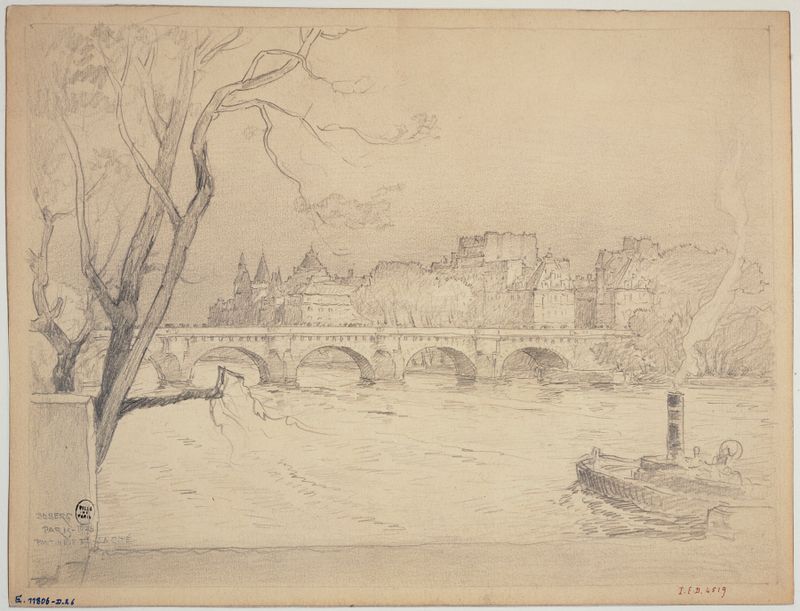
Le Pont-Neuf et la Cité
Ferdinand Boberg
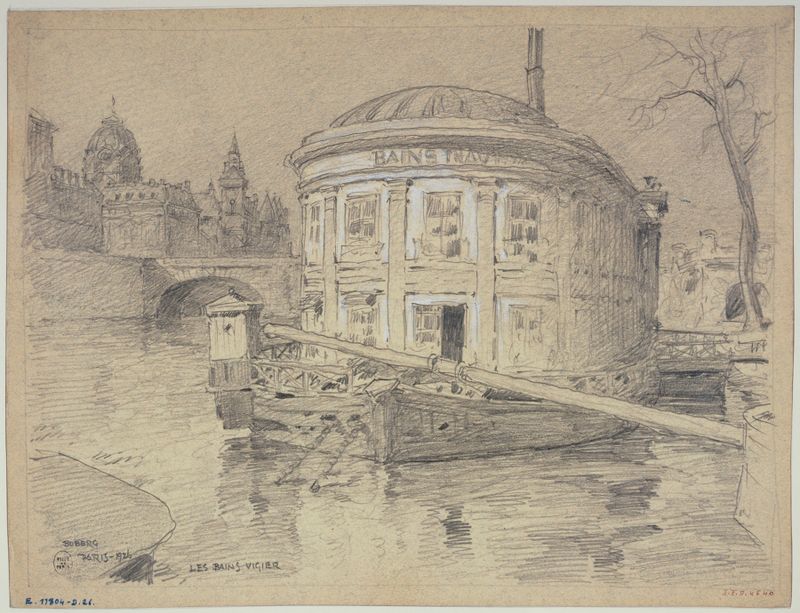
Les bains Vigier au Pont-Neuf
Ferdinand Boberg
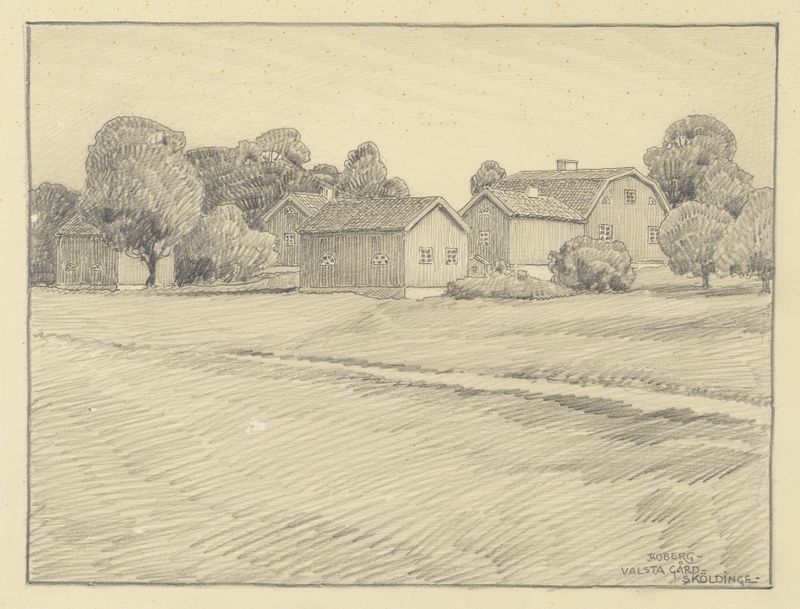
Valsta Gård
Ferdinand Boberg
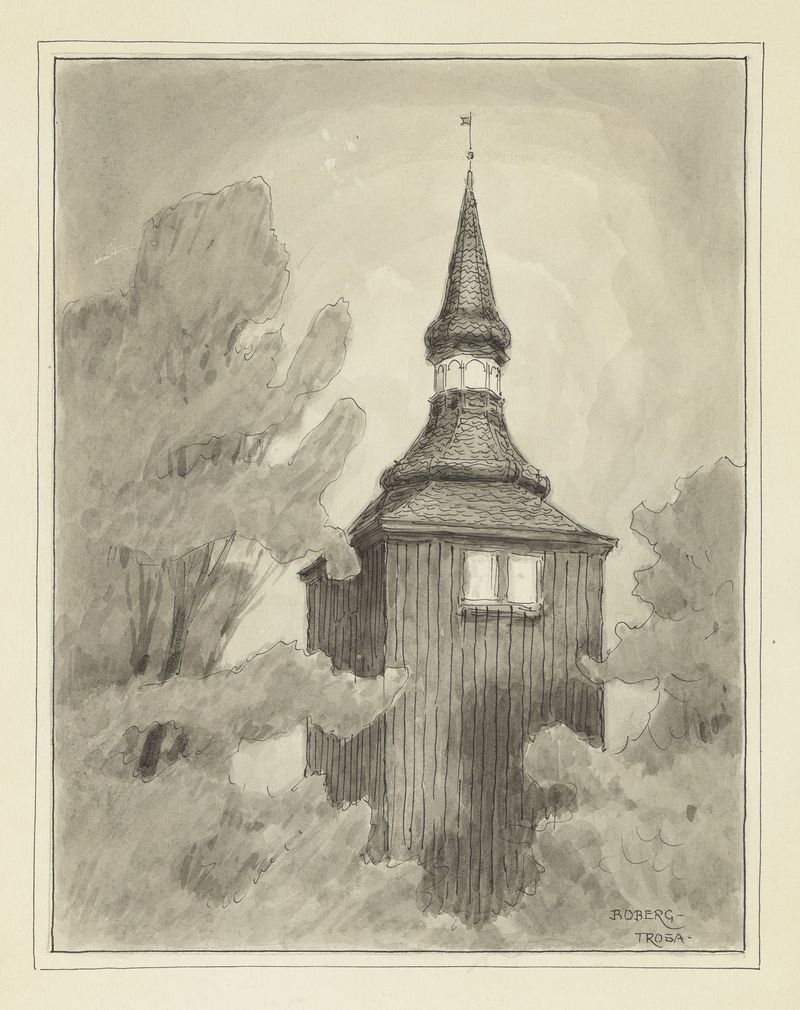
Trosa
Ferdinand Boberg
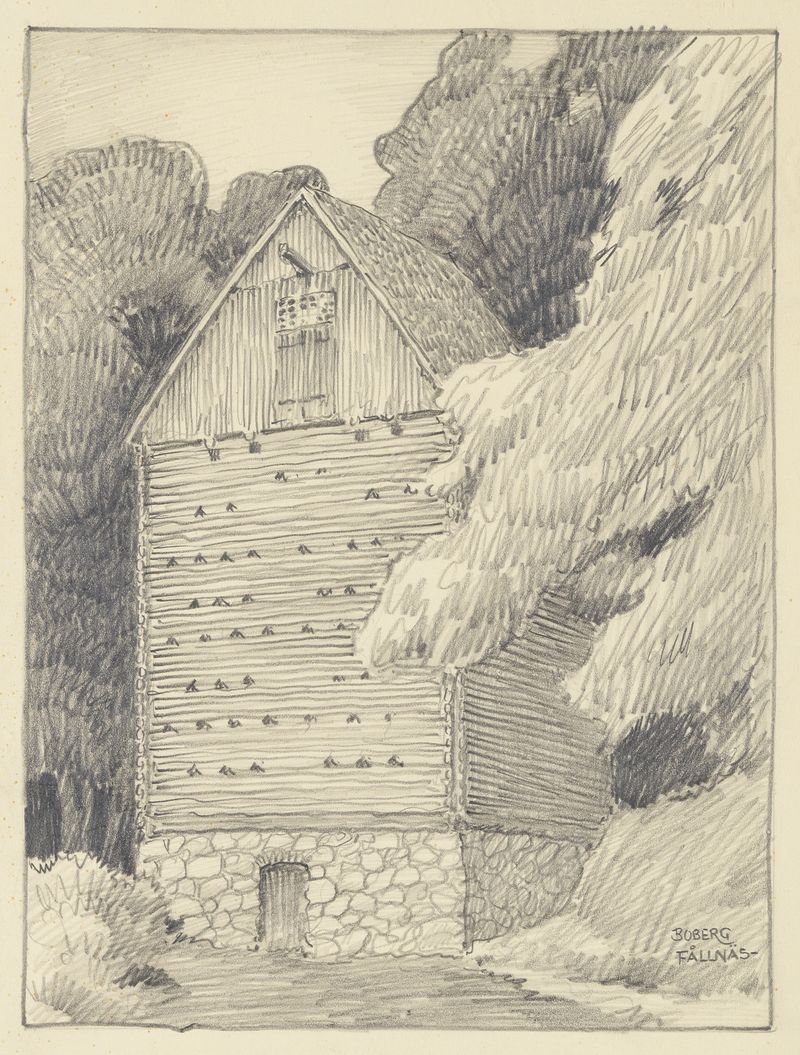
Fållnäs
Ferdinand Boberg
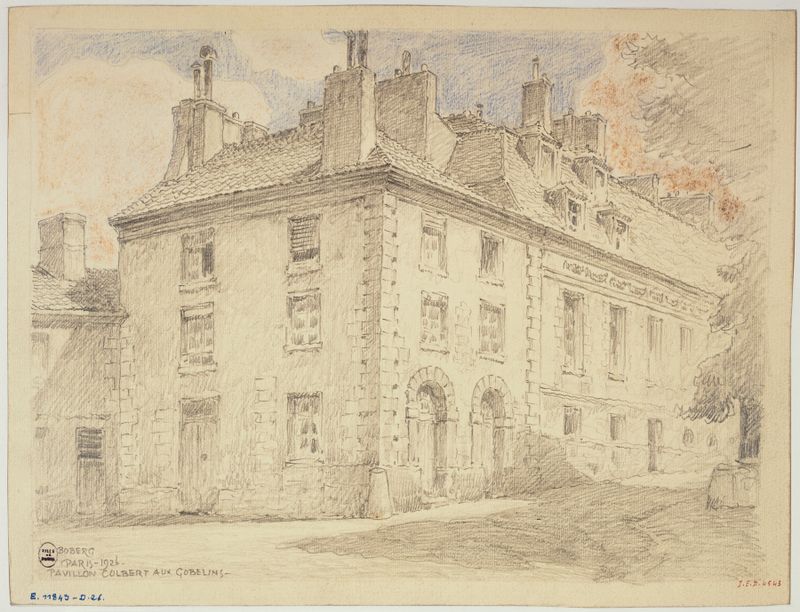
Le pavillon Colbert aux Gobelins
Ferdinand Boberg
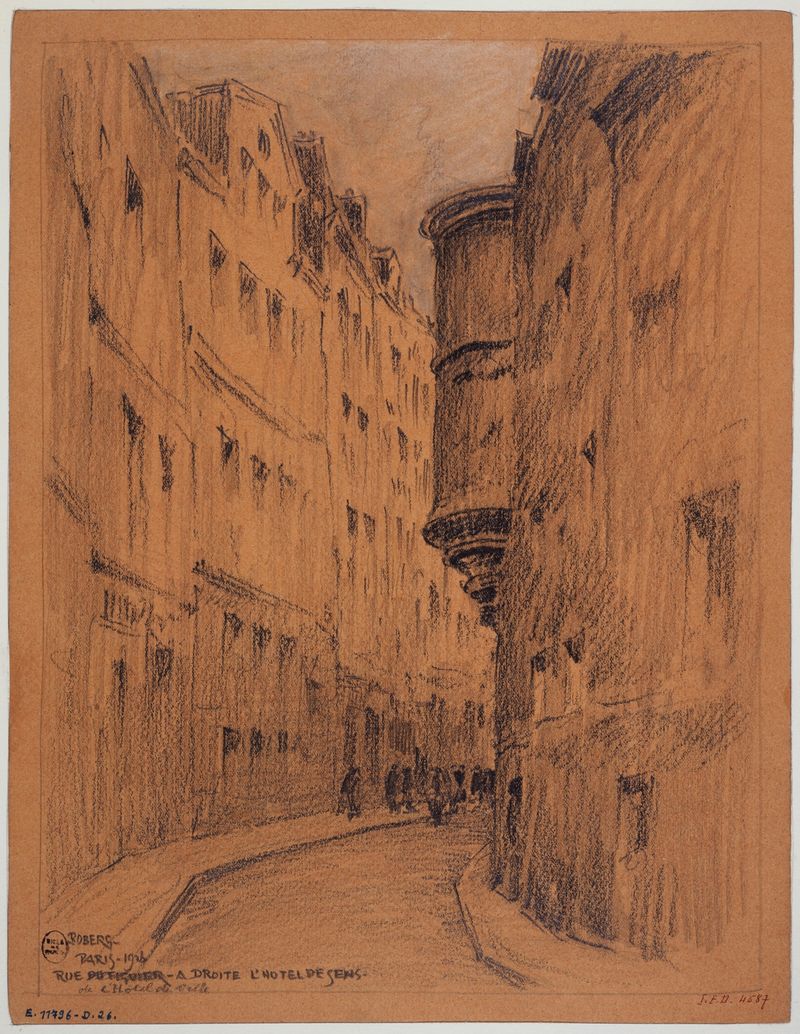
Rue de l’Hôtel de Ville; l’hôtel de Sens
Ferdinand Boberg
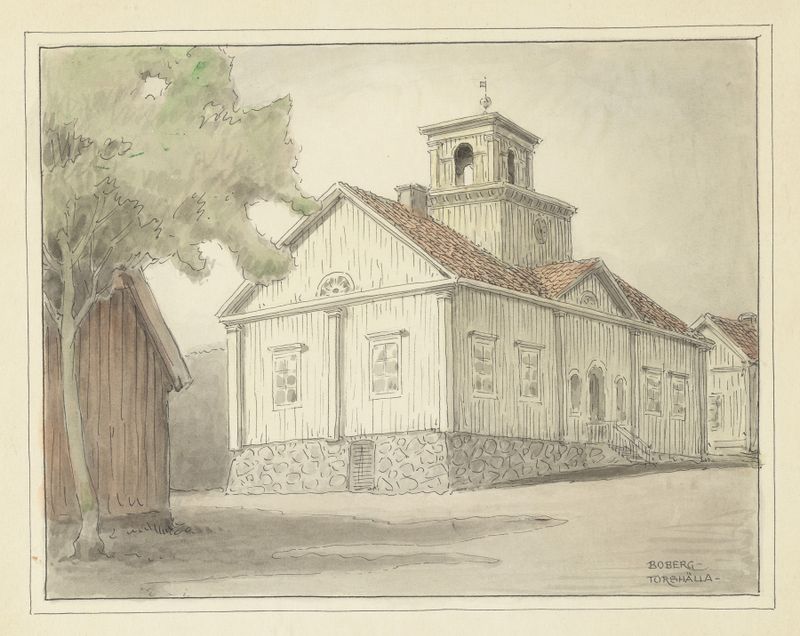
Torshälla
Ferdinand Boberg
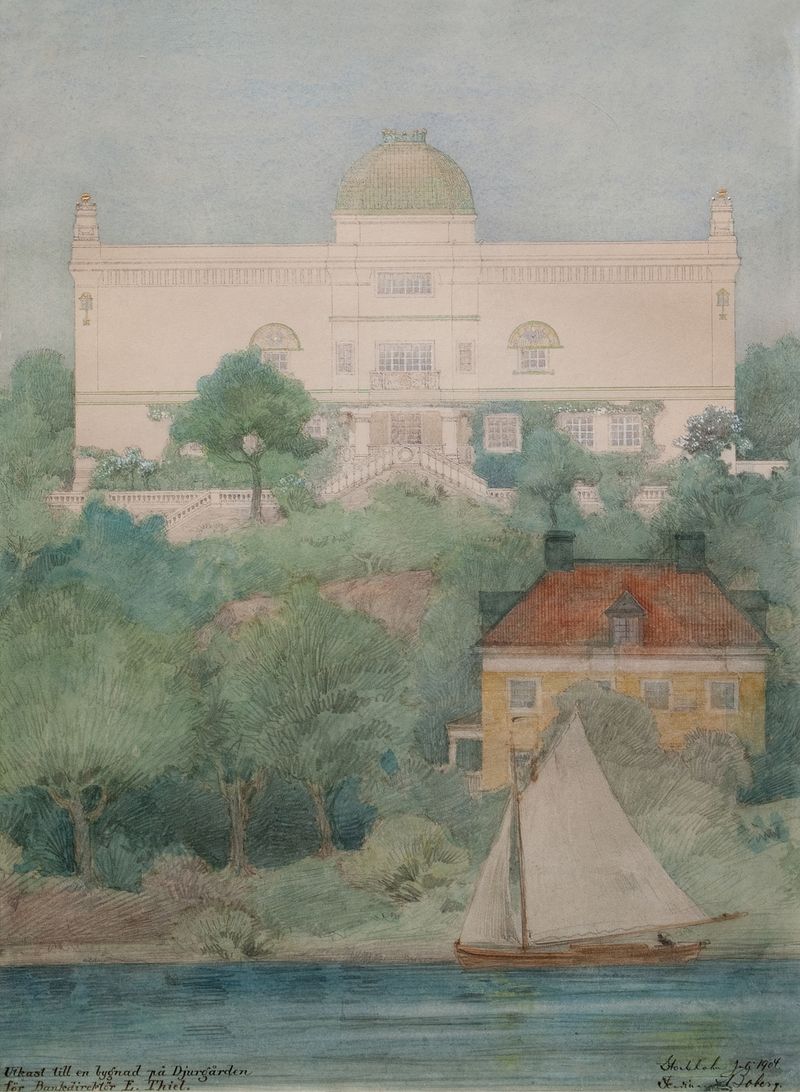
Sketch for a building for Thiel’s Gallery
Ferdinand Boberg
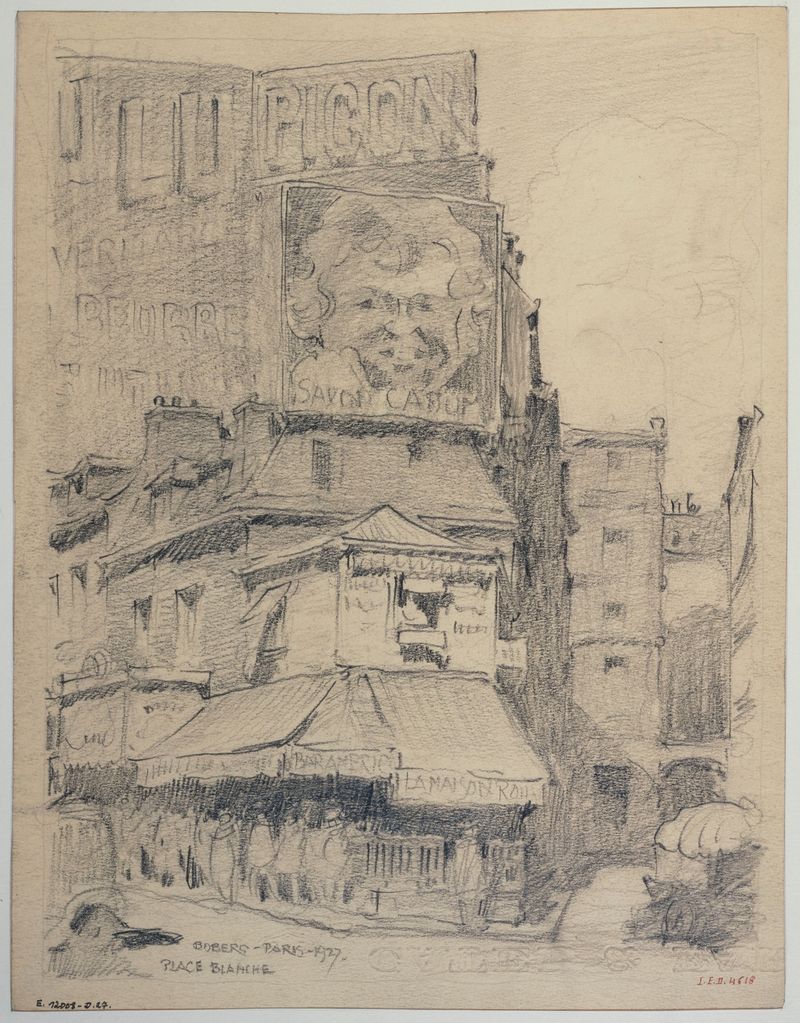
La place Blanche
Ferdinand Boberg
More Architecture Art
Browse all →
The statue of Liberty
Frédéric Auguste Bartholdi

View of Houses in Delft, Known as ‘The Little Street’
Johannes Vermeer

View of Houses in Delft, Known as ‘The Little Street’
Johannes Vermeer

The Cathedral in Rouen. The portal, Grey Weather
Claude Monet

The yellow house
Vincent van Gogh

The Church in Auvers-sur-Oise, View from the Chevet
Vincent van Gogh