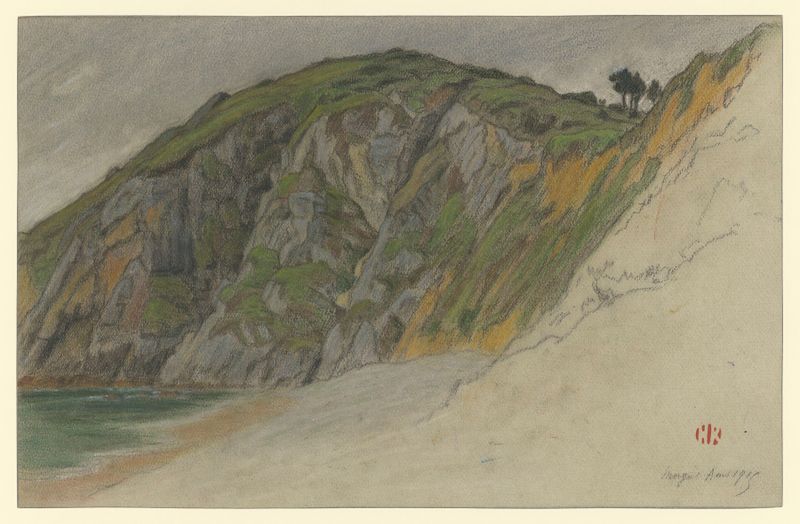
Rue Rompi-cou. Bormes — History & Facts
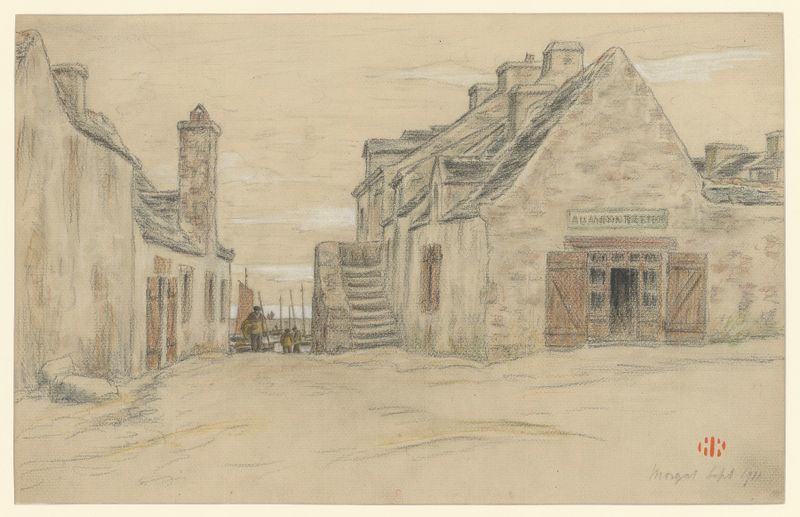
In Rue Rompi-cou. Bormes, the artist captures a fleeting moment that teeters between reality and illusion, inviting us into a world that dances on the edge of memory. Focus on the vibrant hues that leap from the canvas, pulling your gaze toward the twisting, sun-drenched street. Warm yellows and earthy browns blend seamlessly, creating a vivid tapestry that feels both inviting and enigmatic.
Notice how the light spills across the cobblestones, casting shadows that tease the imagination. The architectural elements lean playfully, almost as if caught in the act of collapsing into a dream—a gentle reminder of the fragility of time and place. The painting breathes a tension between nostalgia and the present, with each stroke whispering stories of lives once lived in this charming space. The textural contrasts between the roughness of the buildings and the fluidity of the sky suggest a duality: permanence versus impermanence.
As you look closer, the bustling life implied in the dappled light hints at a vibrant community, yet the empty street also evokes an eerie stillness, urging you to reflect on what has been lost. In 1926, Henri Rivière created this piece during a period marked by his exploration of color and form, deeply influenced by the post-impressionist movement. Living in France, he was surrounded by the rise of modernism, yet he chose to evoke the intimacy of everyday life, contrasting the era's emerging abstraction with his affection for traditional scenes. This work stands as a testament to the enduring beauty of memory, captured in a moment where illusion becomes tangible.