
Rue Saint Bon, de la rue de Rivoli à la rue de la Verrerie — History & Facts
Where does light end, and longing begin? In F. Séguin's Rue Saint Bon, de la rue de Rivoli à la rue de la Verrerie, the interplay of shadow and illumination evokes a profound sense of yearning amid the urban landscape. Look to the left at the intricate blend of muted earth tones that define the buildings, their facades draped in a gentle light that hints at the setting sun. Notice how the narrow street draws the eye inward, creating a pathway that invites exploration while simultaneously closing in on the viewer.
The delicate brushwork captures the textured surfaces of the cobblestones and the weathered brick, contrasting the vitality of the scene with a sense of nostalgia. In the distance, figures stroll quietly, their postures suggesting both leisure and purpose, embodying the tension between movement and stillness. The warm hues of the light seem to cradle the architecture, while the cooler shadows deepen the void surrounding them, symbolizing the gap between the fleeting moment and permanence. Such contrasts reflect not only the physical beauty of Paris but also hint at the emotional voids that exist within urban life—spaces filled with both presence and absence. Created in 1896, Séguin painted this piece during a time when Paris was undergoing significant changes, both socially and artistically.
The Impressionist movement was at its peak, with artists exploring new ways to depict light and atmosphere. Séguin, influenced by this evolution, sought to capture the essence of city life, blending realism with an emotional undercurrent that resonates through the streets he portrayed.
More Artworks by F. Séguin
Browse all →
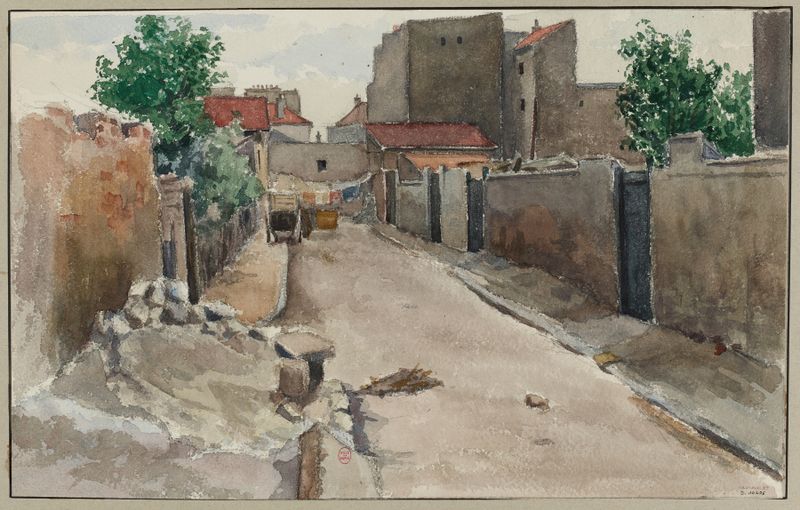
Rue Brantôme. (anciennement rue des Petits Champs donnant rue Saint Martin et rue Beaubourg)
F. Séguin
La rue de Chambéry, prise de la rue de Nice la Frontière
F. Séguin
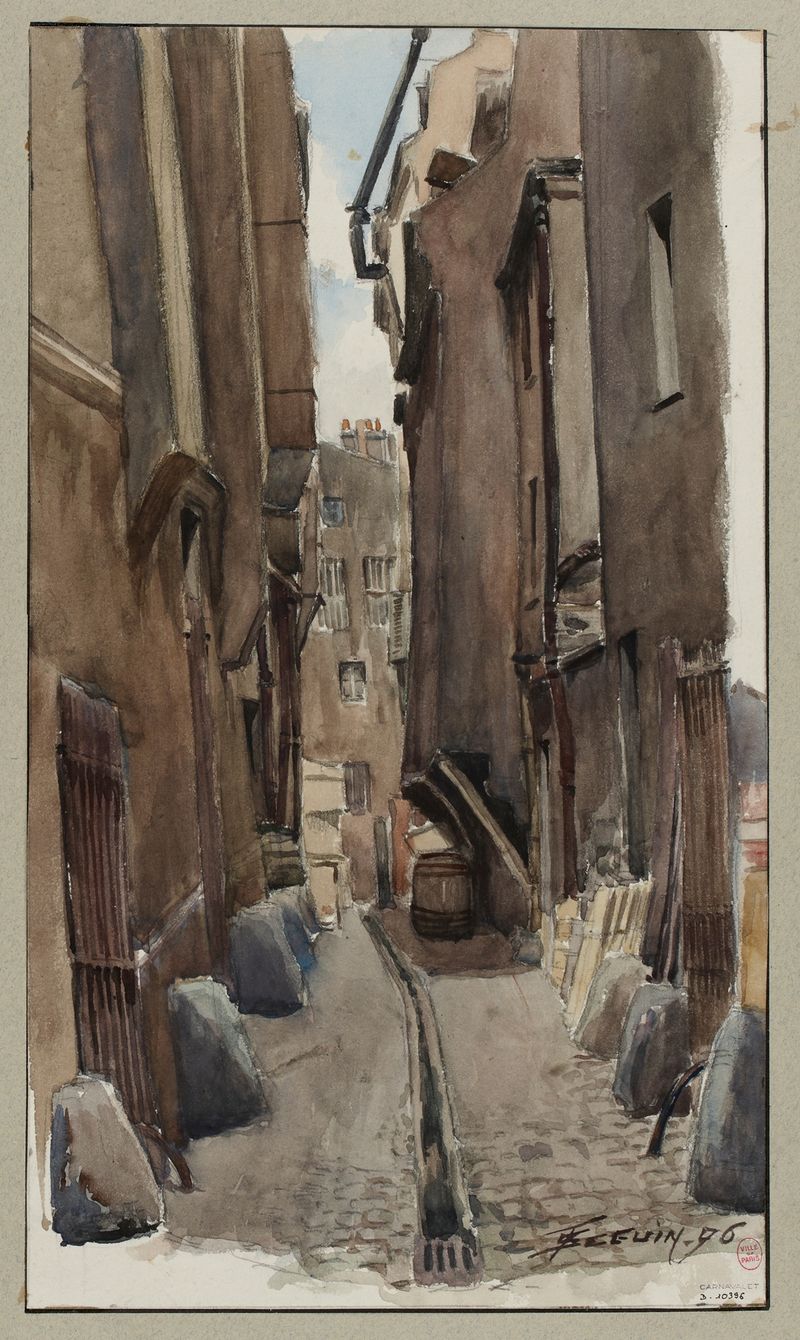
Le Cul de sac du Bœuf, (rue Saint Merri)
F. Séguin

Rue Descartes
F. Séguin
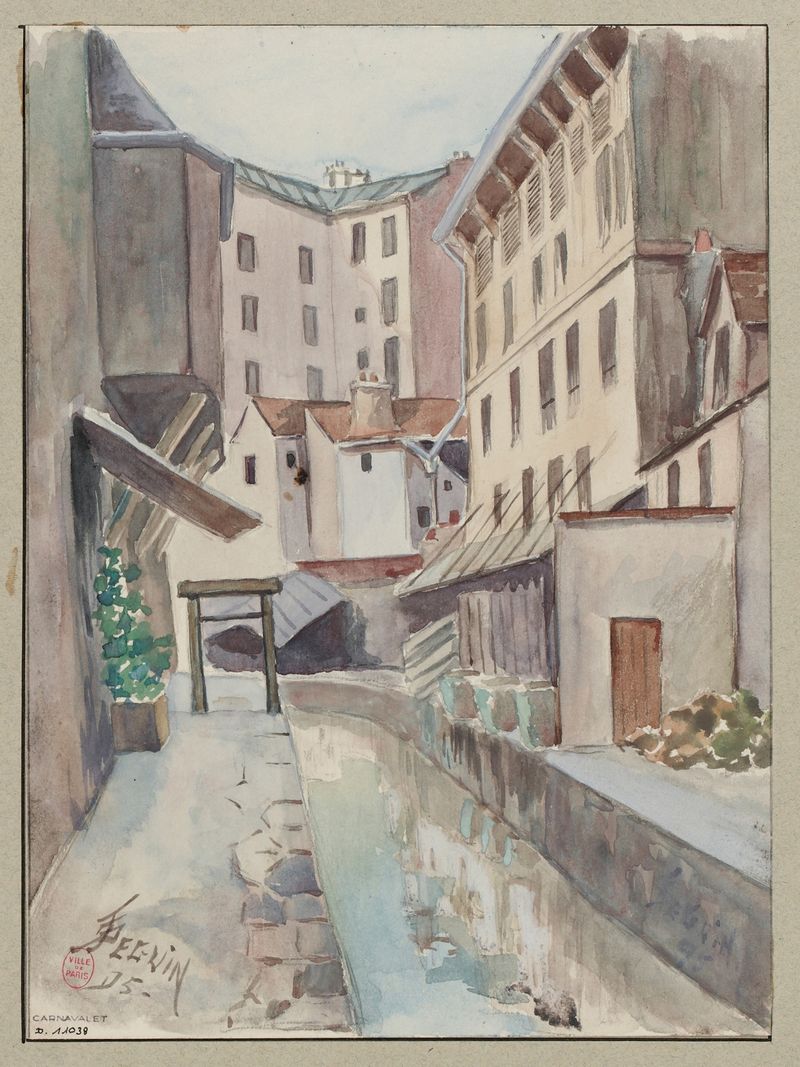
Le bord de la Bièvre à l’avenue des Gobelins
F. Séguin

Villa des Otages mur où furent fusillés les 52 derniers otages de la Commune, rue Haxo
F. Séguin
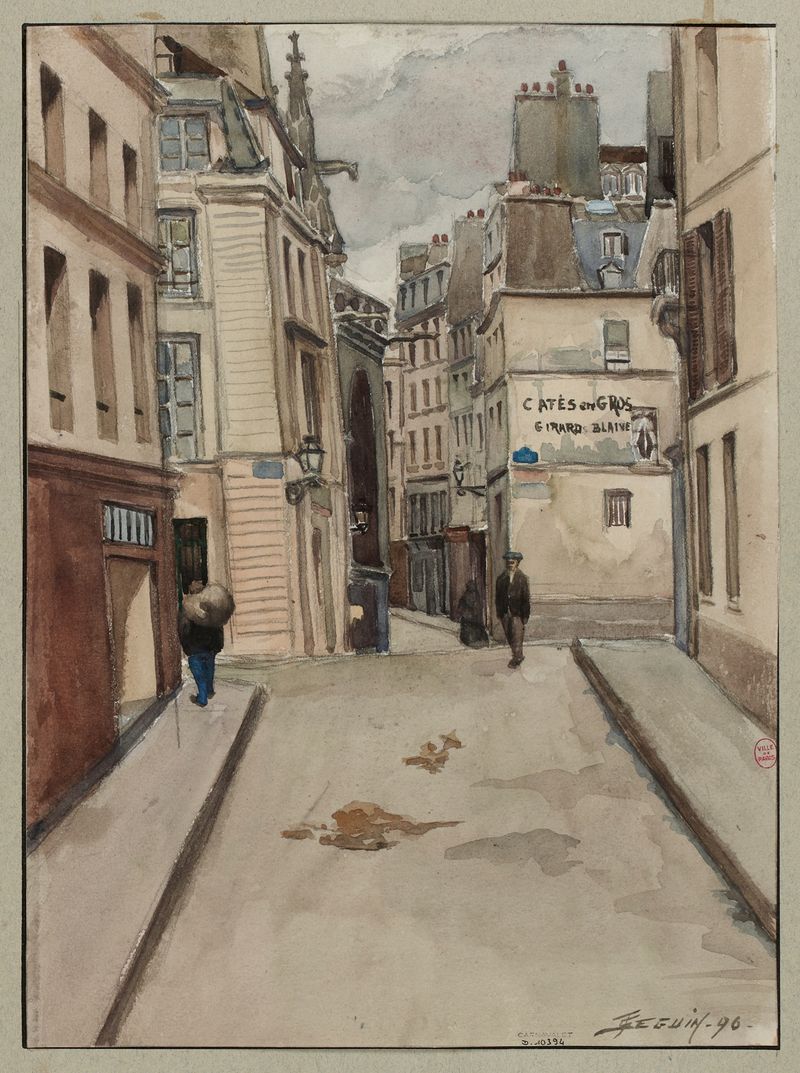
Rue du Cloître Saint Mérry, de la rue du Renard à la rue Saint Martin
F. Séguin
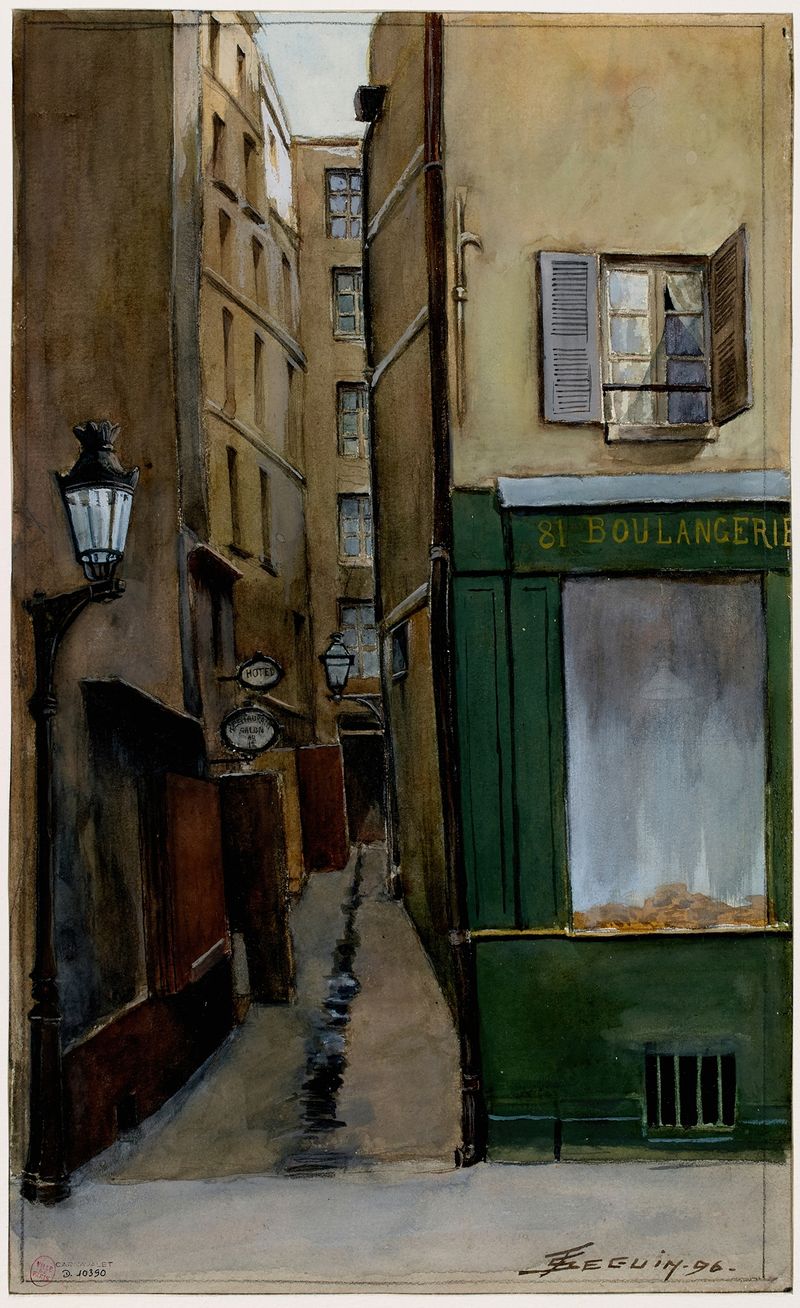
Cul de sac du Fiacre, 81 rue Saint Martin
F. Séguin
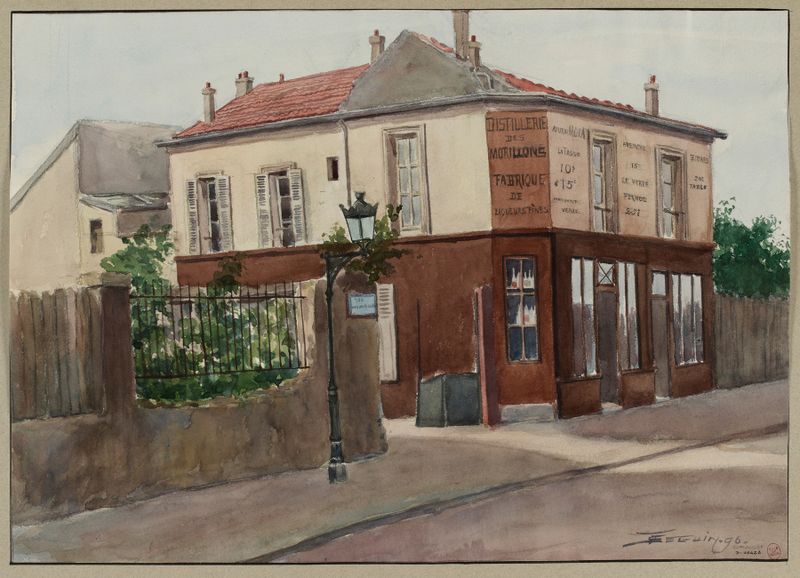
Angle de l’impasse Carlier et au 24 rue des Morillons, Vaugirard
F. Séguin
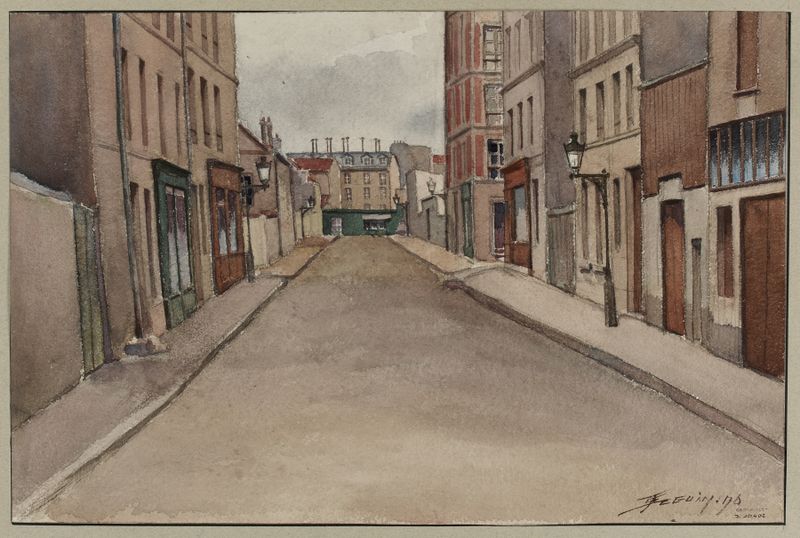
Rue Franquet
F. Séguin
More Architecture Art
Browse all →
The statue of Liberty
Frédéric Auguste Bartholdi

View of Houses in Delft, Known as ‘The Little Street’
Johannes Vermeer

View of Houses in Delft, Known as ‘The Little Street’
Johannes Vermeer

The Cathedral in Rouen. The portal, Grey Weather
Claude Monet

The yellow house
Vincent van Gogh

The Church in Auvers-sur-Oise, View from the Chevet
Vincent van Gogh