
Rue Saint Vincent, à Montmartre — History & Facts
Could a single brushstroke hold eternity? In Rue Saint Vincent, à Montmartre, each stroke resonates with the weight of destiny, capturing the fleeting essence of life in a Parisian street. Look to the left at the quaint, cobbled path that spirals into the heart of Montmartre. Notice how the artist's brush delicately conveys the play of light and shadow, where warm hues of ochre and deep greens intertwine, inviting you into a moment suspended in time. The buildings lean slightly, as if whispering secrets to one another; the trees sway gently, framing the scene with an embrace that feels both protective and ephemeral. The contrast between the vibrancy of the street and the stillness of the sky above invites contemplation.
The bustling life below hints at stories untold, while the clouds hover above, embodying both hope and uncertainty. Each figure captured in motion suggests the weight of choice and the serendipity of everyday encounters, reflecting on how destiny weaves through the ordinary. In 1926, while living in Paris, Boberg was deeply influenced by the vibrant art scene and the juxtaposition of modernity with traditional motifs. This period marked a transition in his style, infusing elements of Impressionism with a personal, introspective touch.
His work encapsulated not just the streets of Montmartre, but also the spirit of an era where every corner held the potential for a transformative encounter.
More Artworks by Ferdinand Boberg
Browse all →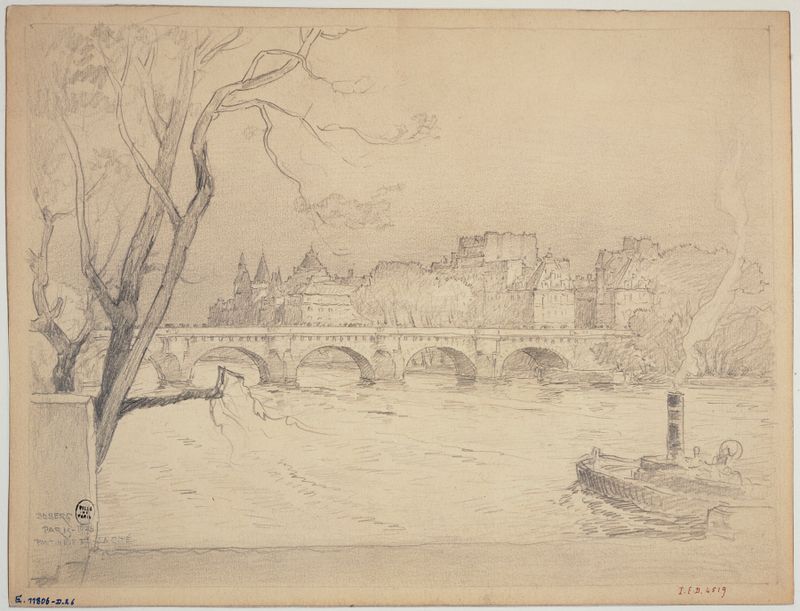
Le Pont-Neuf et la Cité
Ferdinand Boberg
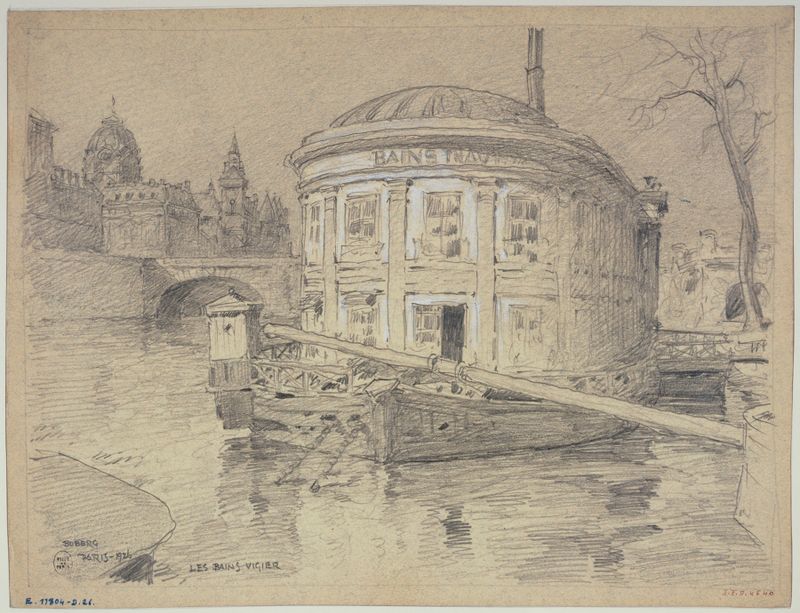
Les bains Vigier au Pont-Neuf
Ferdinand Boberg
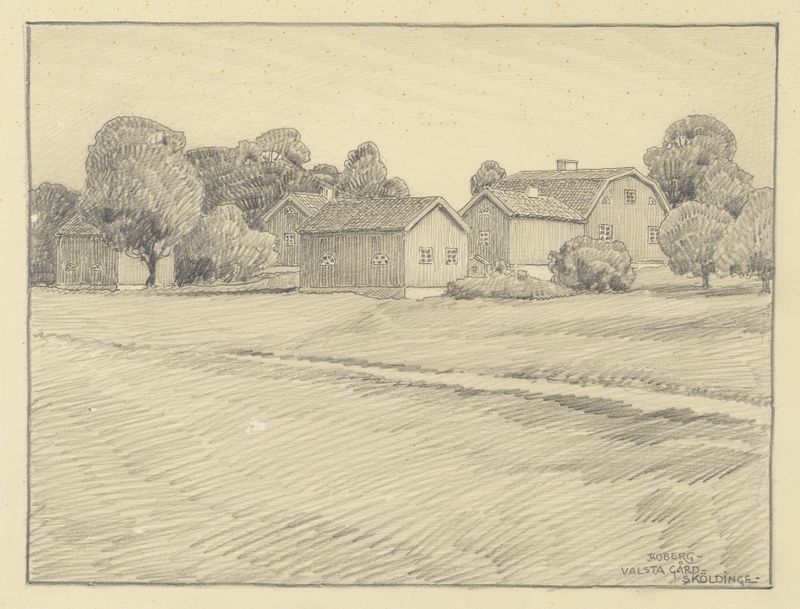
Valsta Gård
Ferdinand Boberg
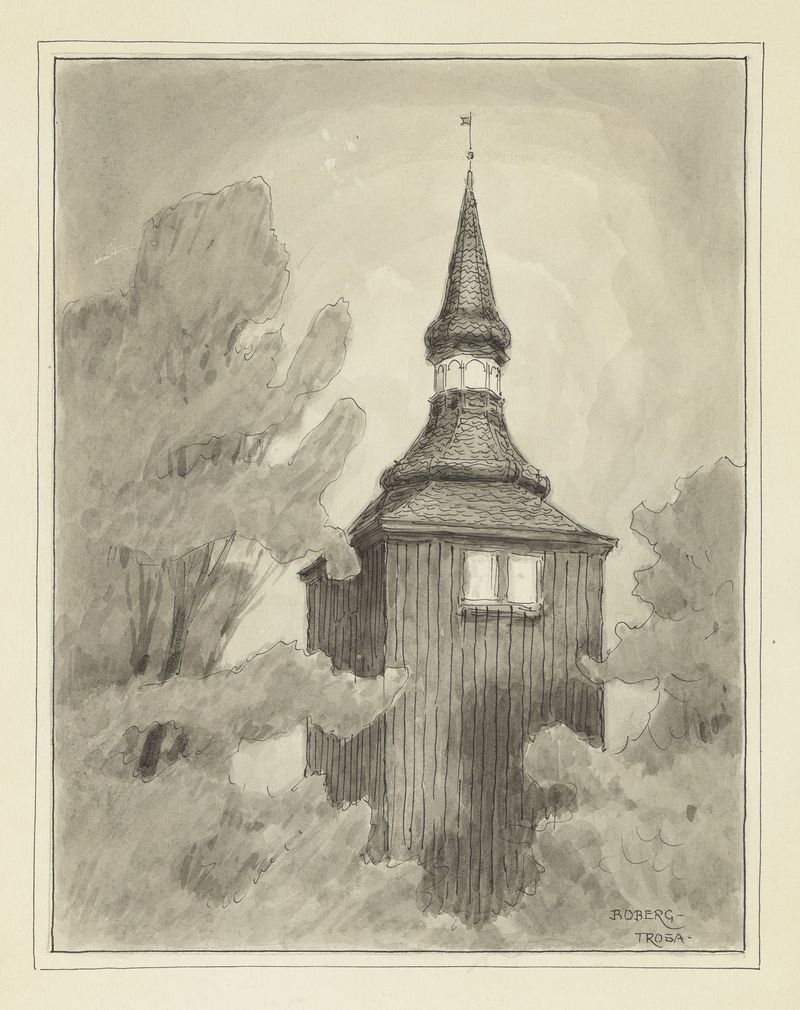
Trosa
Ferdinand Boberg
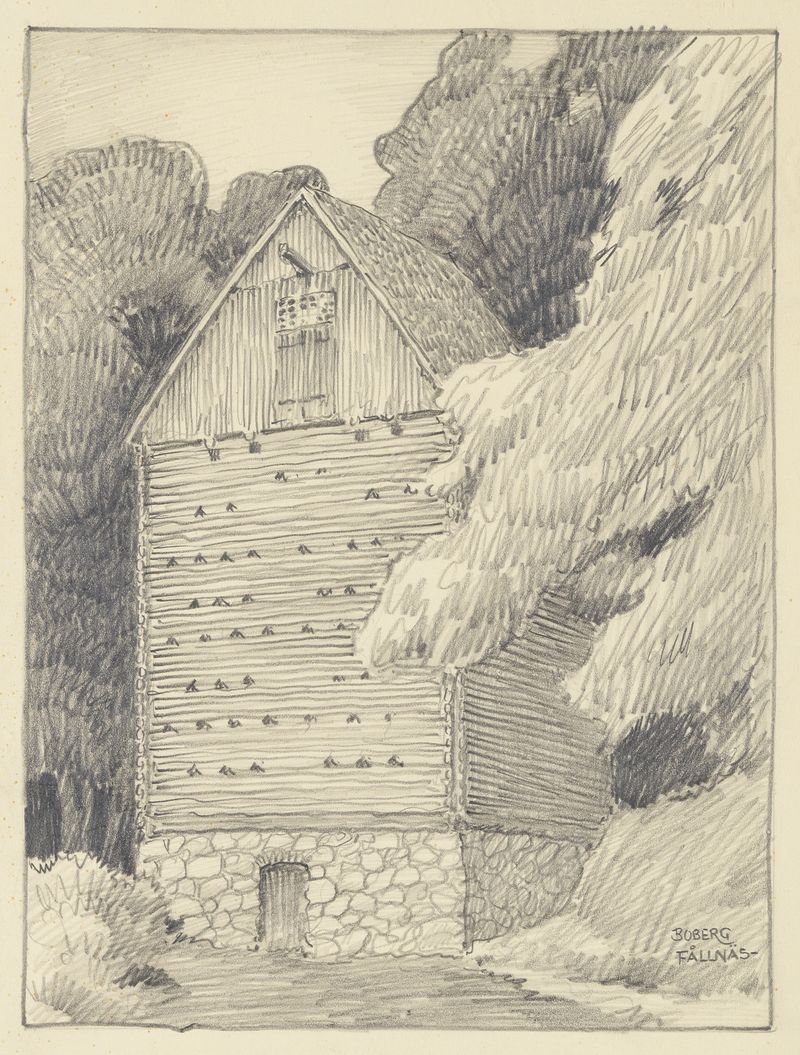
Fållnäs
Ferdinand Boberg
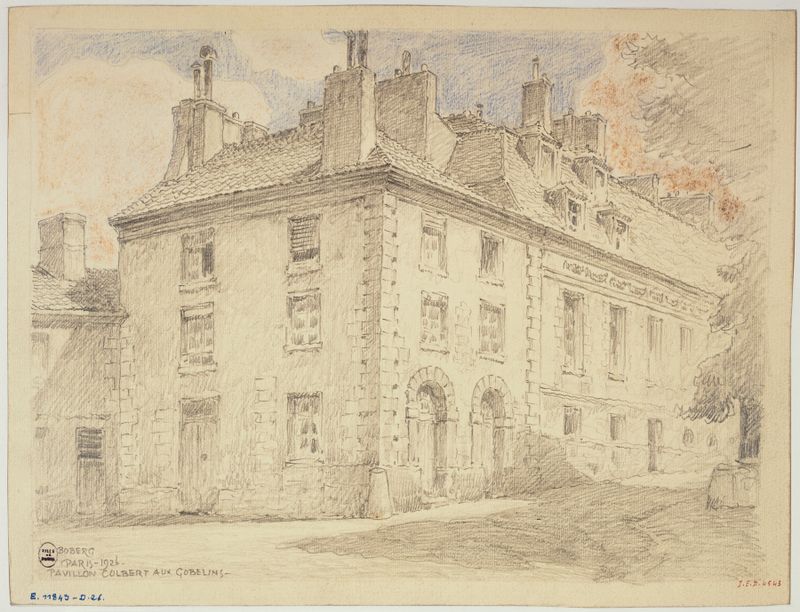
Le pavillon Colbert aux Gobelins
Ferdinand Boberg
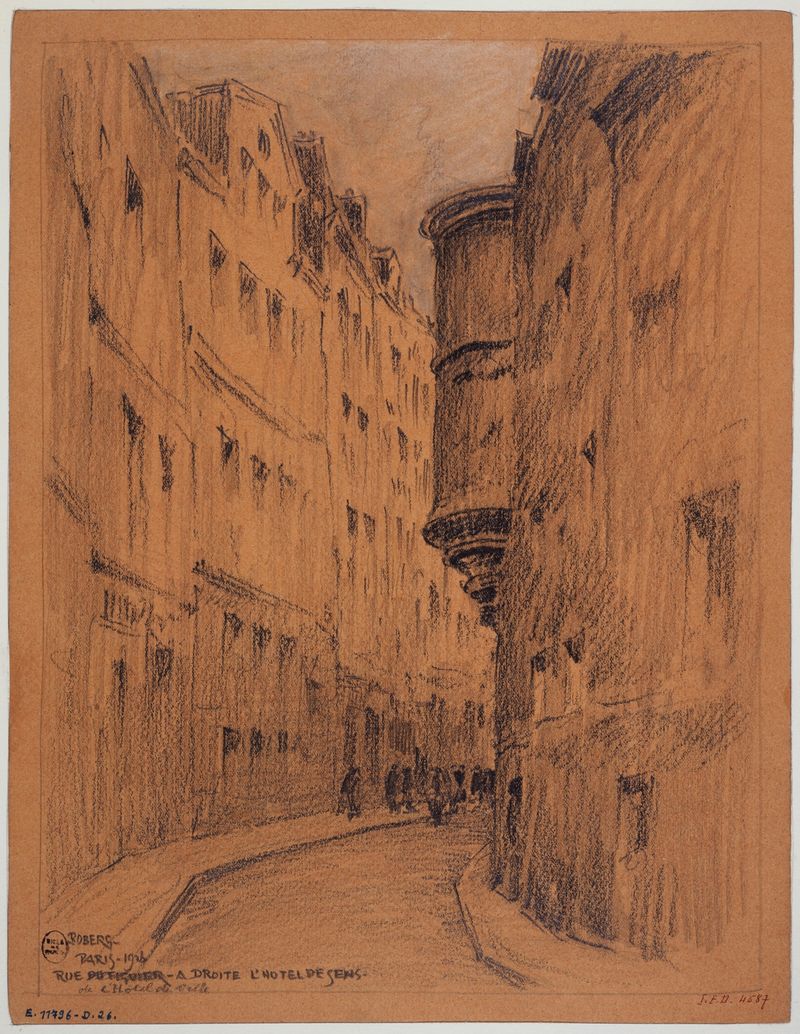
Rue de l’Hôtel de Ville; l’hôtel de Sens
Ferdinand Boberg
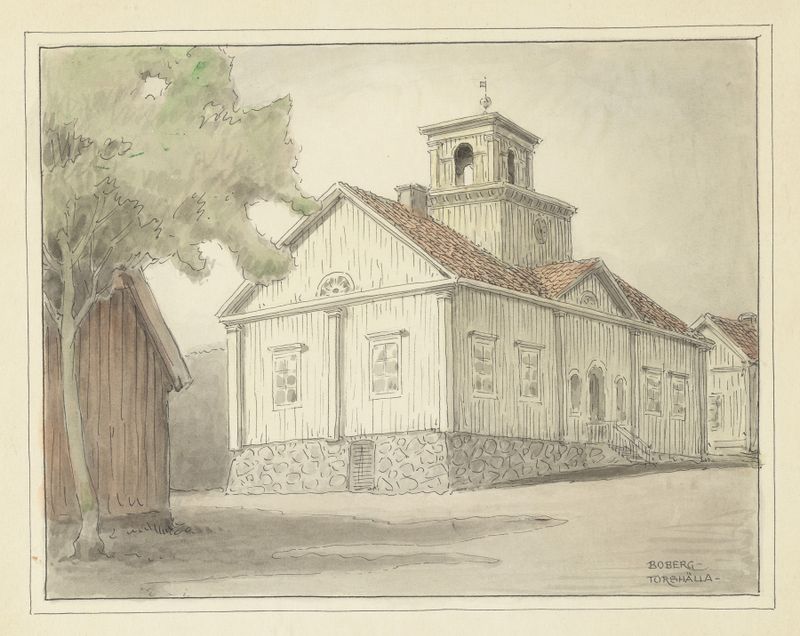
Torshälla
Ferdinand Boberg
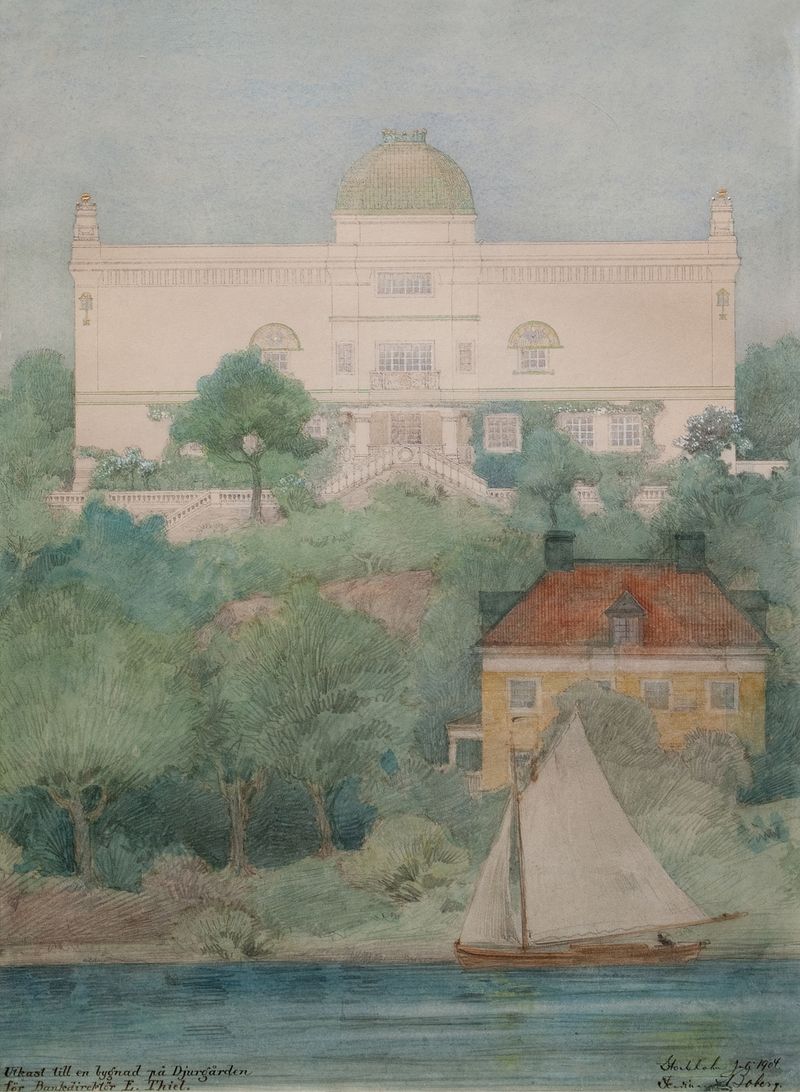
Sketch for a building for Thiel’s Gallery
Ferdinand Boberg
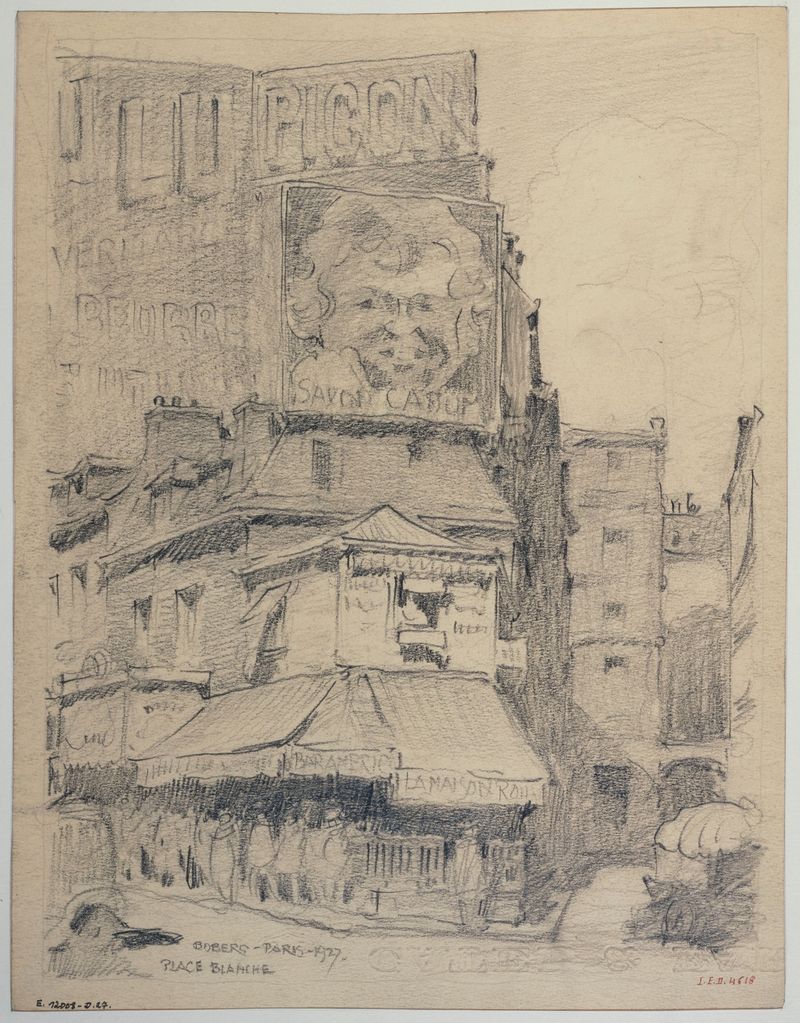
La place Blanche
Ferdinand Boberg





