
Rue Taille-Pain, côté de la rue du Cloître Saint Merri à la rue Brise-Miche — History & Facts
In the tapestry of urban life, moments often flicker between sorrow and splendor, revealing layers of transcendence that pulse beneath the surface of everyday existence. Focus first on the robust architecture in Rue Taille-Pain, côté de la rue du Cloître Saint Merri à la rue Brise-Miche, where the sturdy buildings create a frame around the cobbled street. Notice how the warm tones of the sun-kissed bricks contrast with the cool shadows draping the alleys, enveloping the scene in a dialogue between light and darkness. The painted figures, though small, are imbued with life and motion, their gestures suggesting stories untold, while the careful brushwork captures the texture of stone and the fleeting quality of human presence. Beneath the vibrant urban setting lies an emotional dichotomy.
The juxtaposition of solitude and community is palpable; while the street thrums with energy, the shadows hint at isolation. The weaving of light across the facades evokes both warmth and a touch of melancholy, suggesting that beauty exists not only in vibrance but also in the whispers of loneliness that often accompany it. This duality elevates the scene from mere representation to a shared human experience. Painted in 1896, the artist was immersed in the dynamic world of late 19th-century Paris, a time of great artistic innovation and societal change.
As urbanization transformed the city, he sought to capture the interplay of life within its streets, responding to the emergence of Impressionism while carving out his unique voice. This work stands as a testament to the vibrant pulse of the era and the artist’s keen observation of the world around him.
More Artworks by F. Séguin
Browse all →
Rue Brantôme. (anciennement rue des Petits Champs donnant rue Saint Martin et rue Beaubourg)
F. Séguin
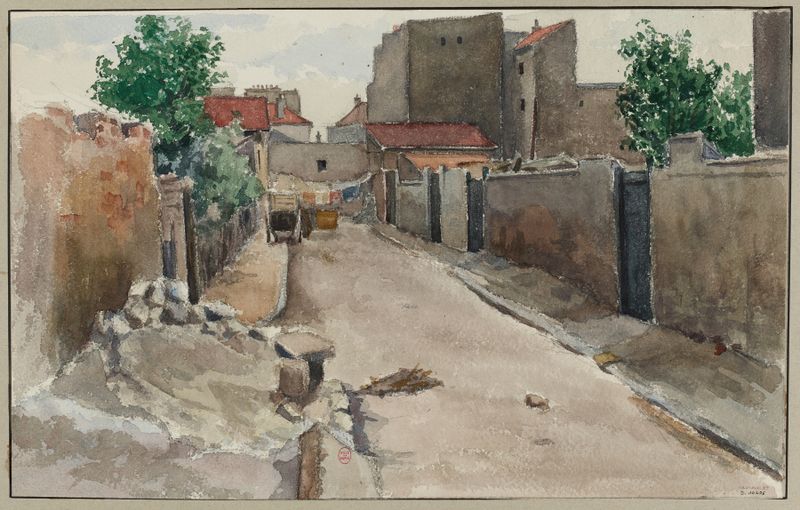
La rue de Chambéry, prise de la rue de Nice la Frontière
F. Séguin
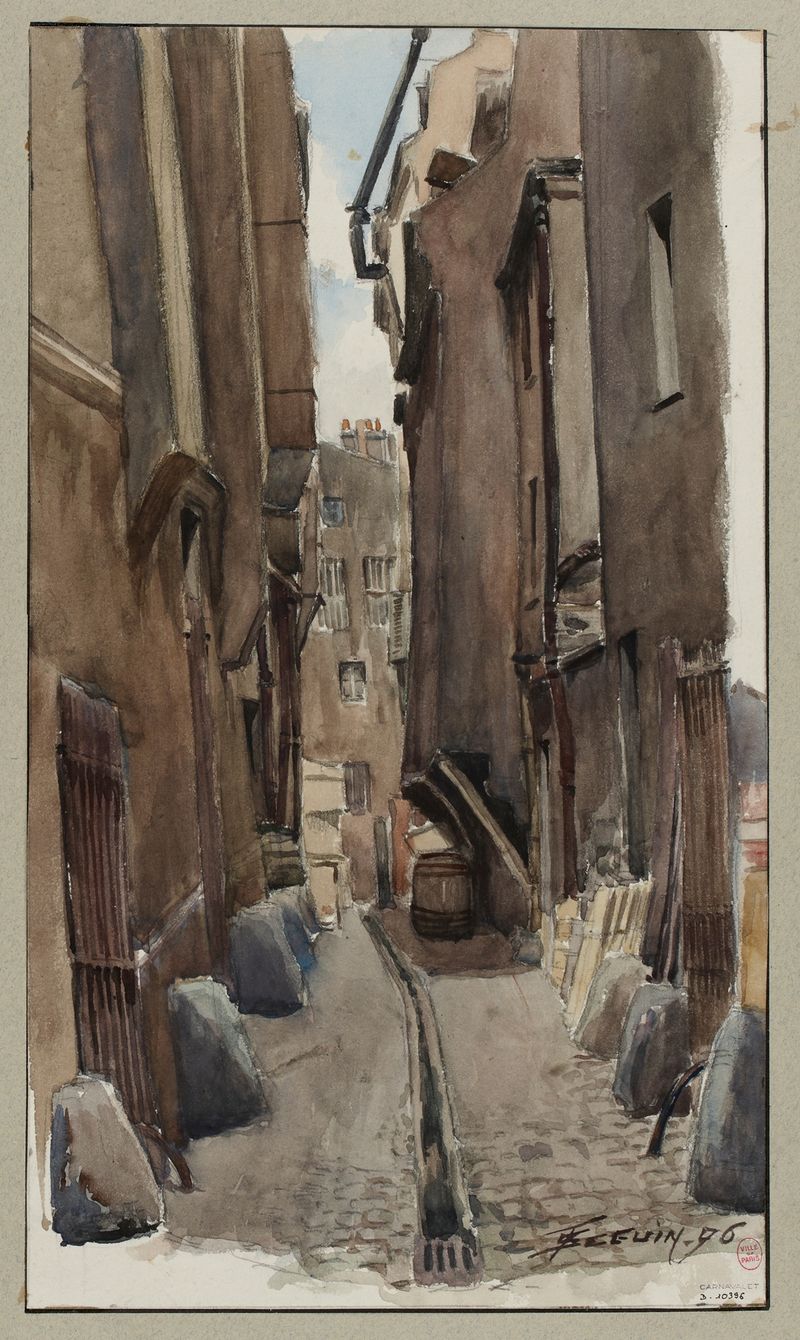
Le Cul de sac du Bœuf, (rue Saint Merri)
F. Séguin

Rue Descartes
F. Séguin
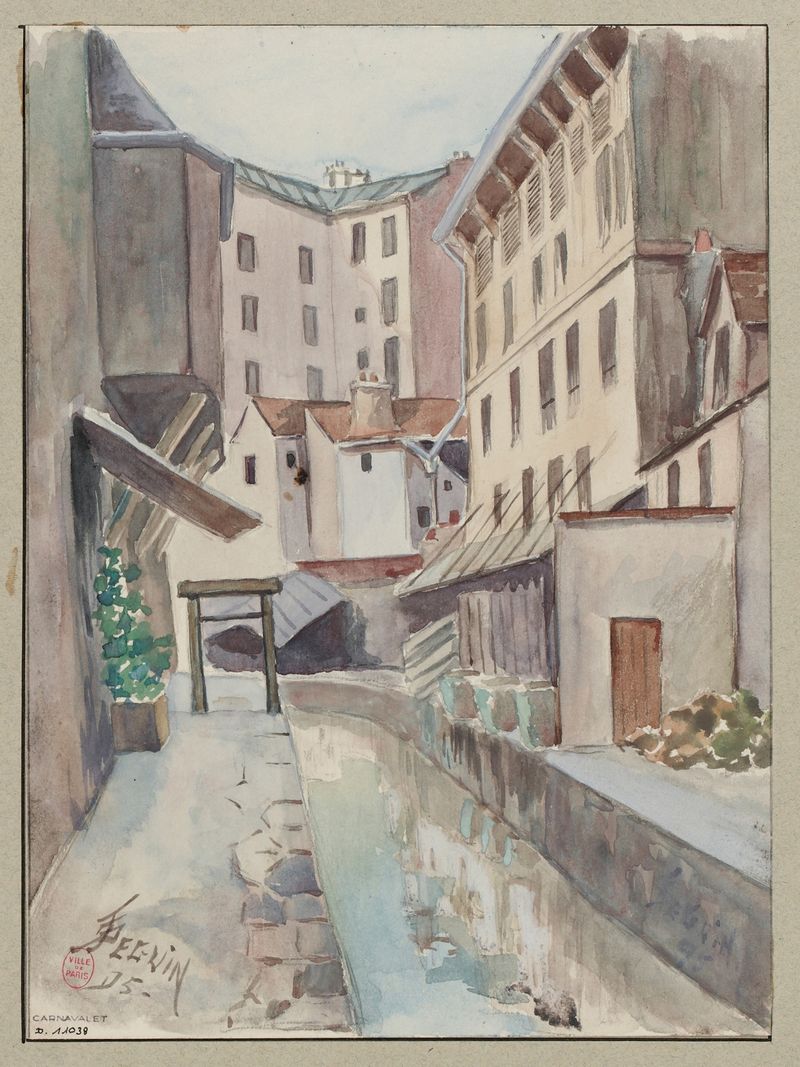
Le bord de la Bièvre à l’avenue des Gobelins
F. Séguin

Villa des Otages mur où furent fusillés les 52 derniers otages de la Commune, rue Haxo
F. Séguin
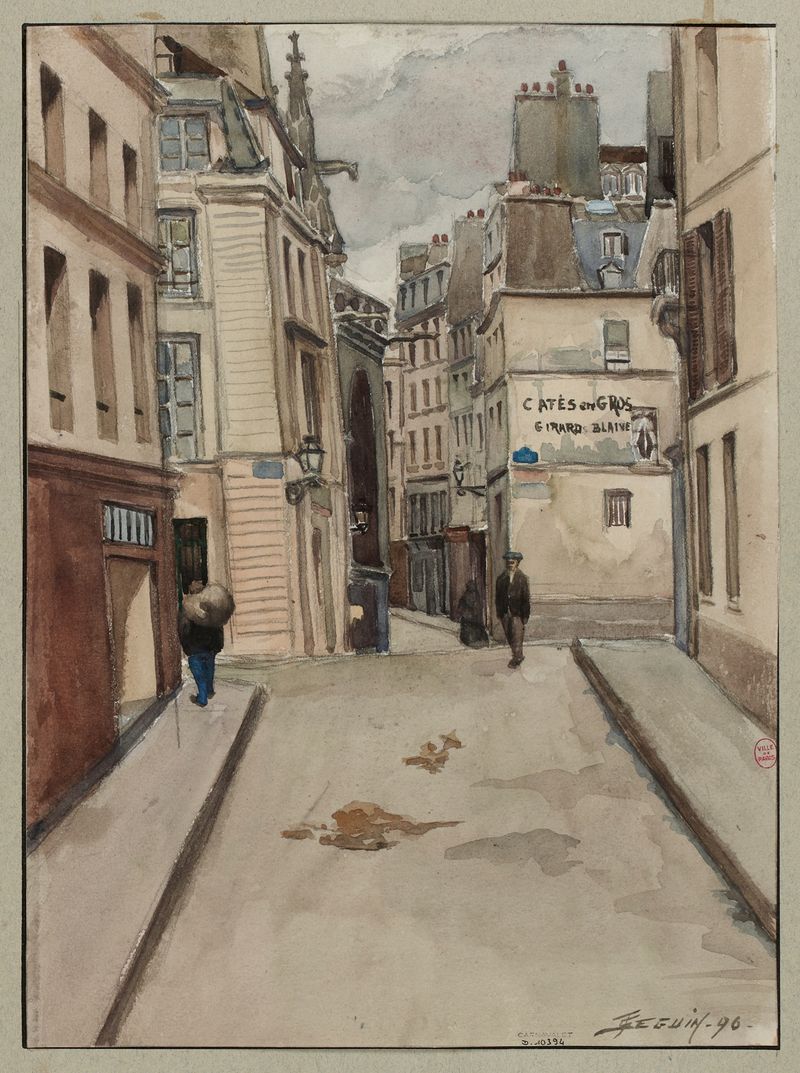
Rue du Cloître Saint Mérry, de la rue du Renard à la rue Saint Martin
F. Séguin
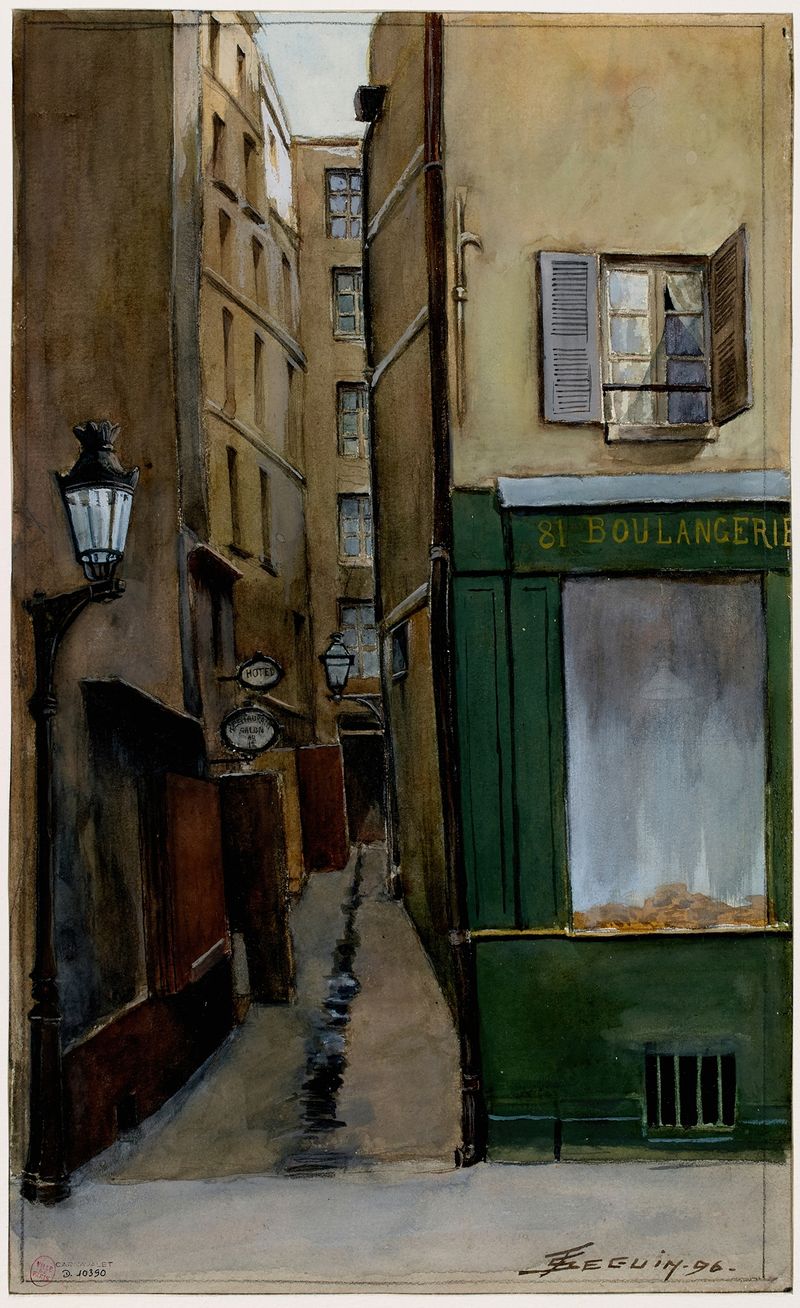
Cul de sac du Fiacre, 81 rue Saint Martin
F. Séguin
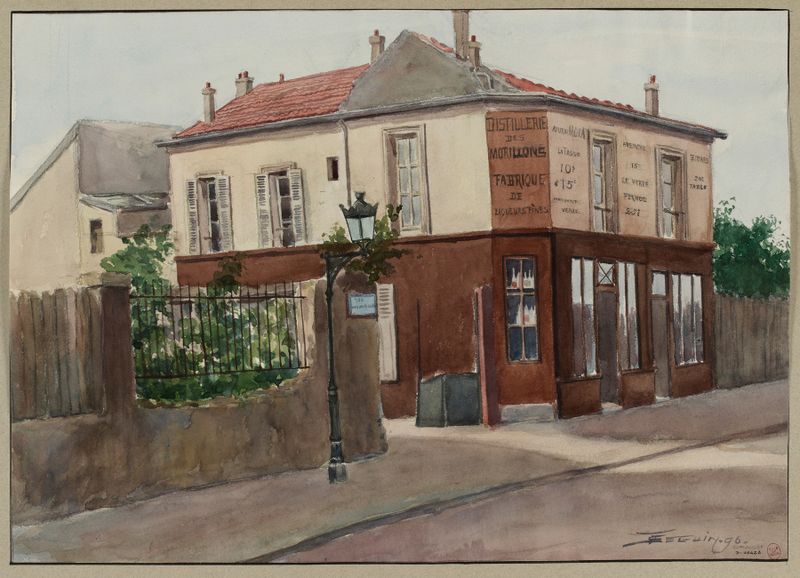
Angle de l’impasse Carlier et au 24 rue des Morillons, Vaugirard
F. Séguin
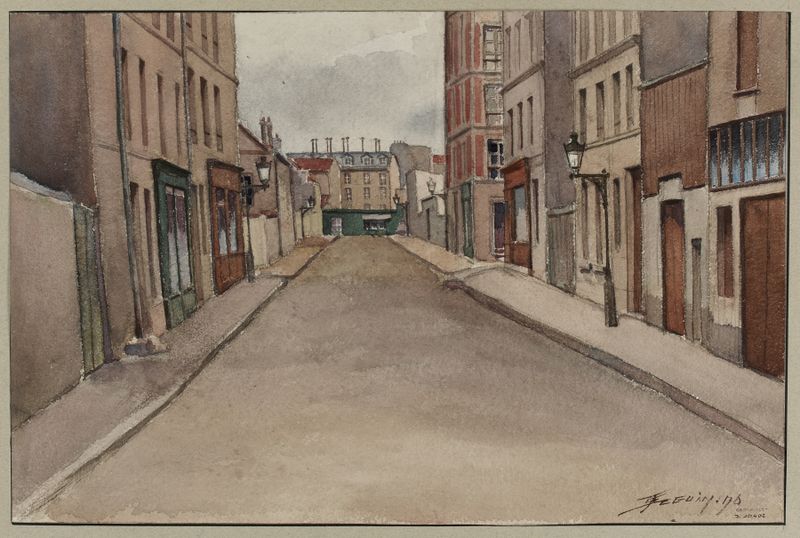
Rue Franquet
F. Séguin
More Architecture Art
Browse all →
The statue of Liberty
Frédéric Auguste Bartholdi

View of Houses in Delft, Known as ‘The Little Street’
Johannes Vermeer

View of Houses in Delft, Known as ‘The Little Street’
Johannes Vermeer

The Cathedral in Rouen. The portal, Grey Weather
Claude Monet

The yellow house
Vincent van Gogh

The Church in Auvers-sur-Oise, View from the Chevet
Vincent van Gogh