
Rue Villafranca — History & Facts
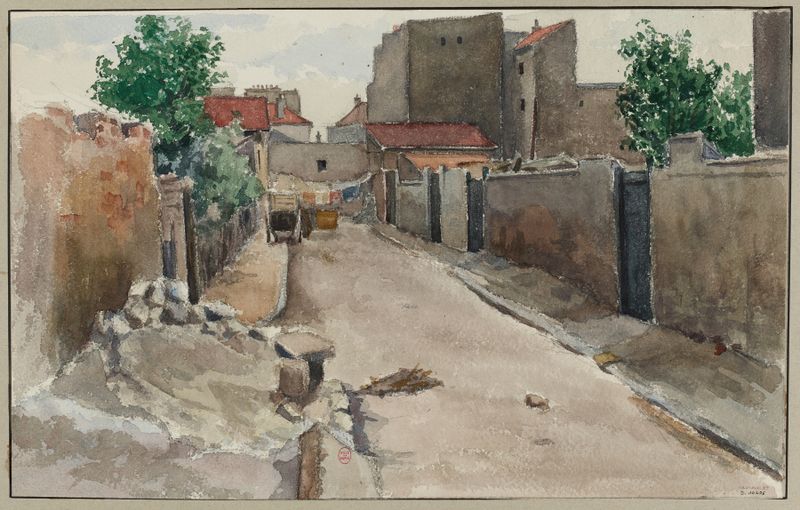
Is this a mirror — or a memory? In Rue Villafranca, we find ourselves pulled into a world where the boundaries of reality blur with the echoes of a time long past, suggesting a quiet madness lurking just beneath the surface of everyday life. Look closely at the left side of the canvas, where the delicate architecture of the buildings invites you to wander through their shadowed doorways. The muted palette of blues and greys harmonizes with splashes of ochre, creating a dreamlike quality that softens the edges of the scene. Notice how the light dances along the cobblestones, hinting at the presence of silent figures that may or may not exist.
The composition leads your eye down the winding street, echoing the uncertainty of what lies ahead, as if the viewer too is caught in a moment of indecision. Deeper meaning lies in the contrast between the vibrant color bursts and the somber tones. The texture of the brushstrokes echoes the chaos of urban life—a reflection of the emotional turbulence of the era. Streets once bustling with laughter now bear the weight of solitude, each corner turned revealing a clash between the vibrancy of memory and the decay of reality.
This tension invites contemplation on the fragility of human connection, suggesting that madness may not be an absence of sanity but rather a deeper understanding of our fragmented existence. F. Séguin painted Rue Villafranca in 1896 during a transformative period in Paris, where the rise of Impressionism marked a significant shift in artistic expression. At this time, the artist was exploring the interplay between light and shadow, capturing fleeting moments that resonated with the rapidly evolving urban landscape.
The world was teetering on the brink of modernity, and Séguin’s work reflects both the excitement and disquiet of a city in flux.
More Artworks by F. Séguin
Browse all →
Rue Brantôme. (anciennement rue des Petits Champs donnant rue Saint Martin et rue Beaubourg)
F. Séguin
La rue de Chambéry, prise de la rue de Nice la Frontière
F. Séguin
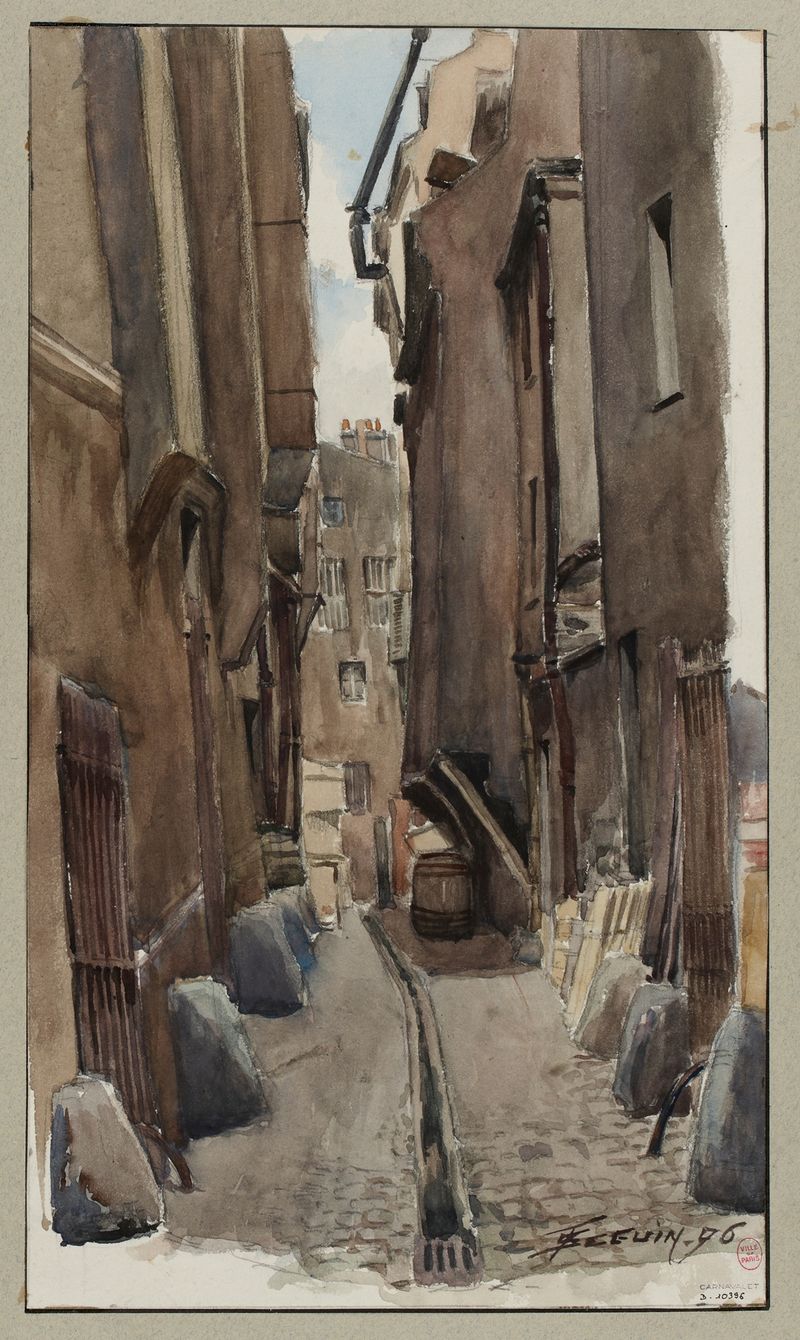
Le Cul de sac du Bœuf, (rue Saint Merri)
F. Séguin

Rue Descartes
F. Séguin
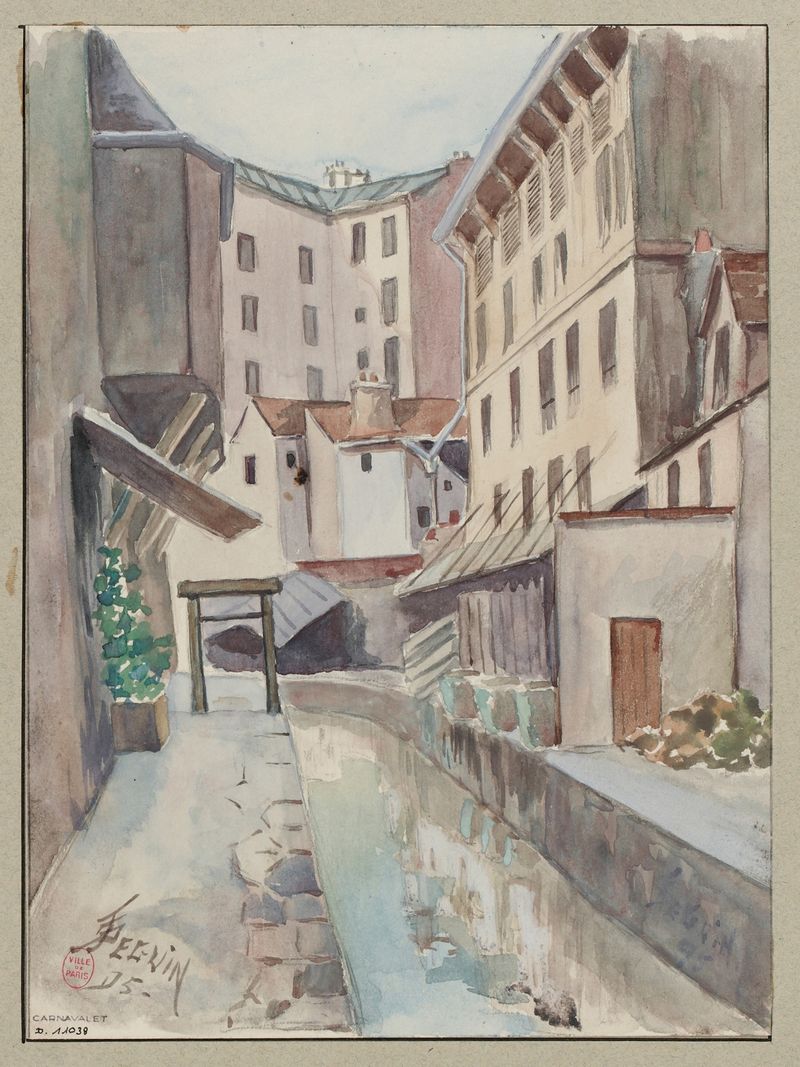
Le bord de la Bièvre à l’avenue des Gobelins
F. Séguin

Villa des Otages mur où furent fusillés les 52 derniers otages de la Commune, rue Haxo
F. Séguin
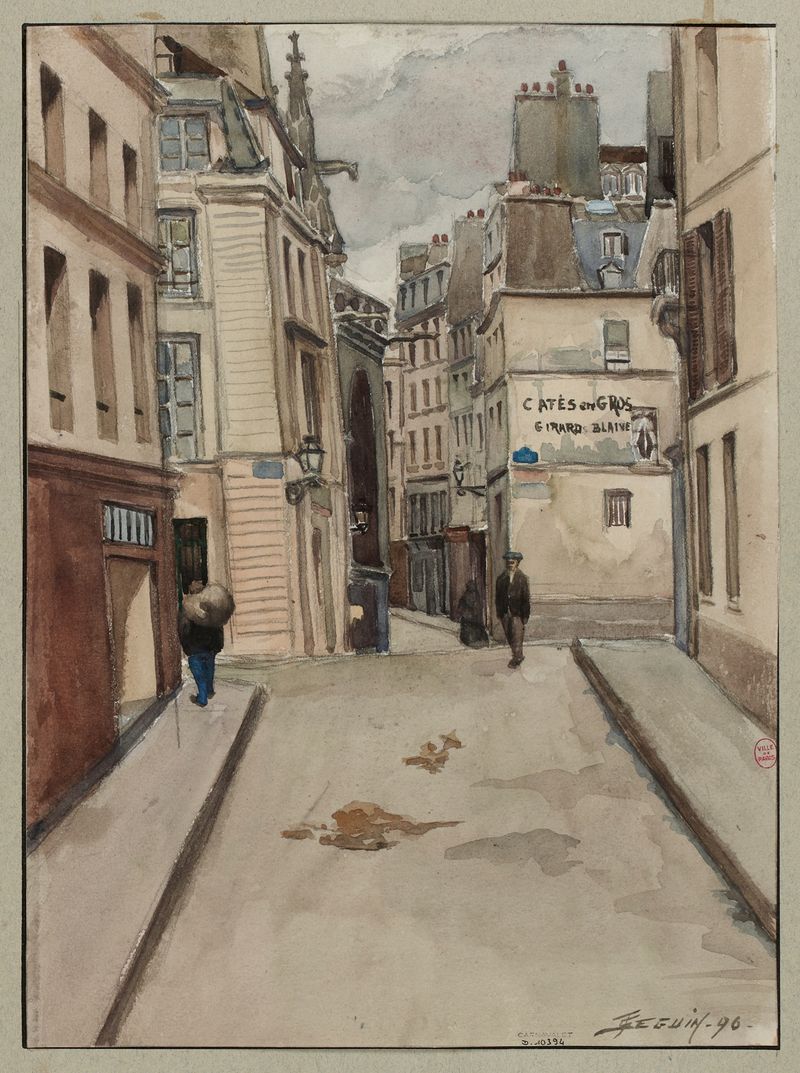
Rue du Cloître Saint Mérry, de la rue du Renard à la rue Saint Martin
F. Séguin
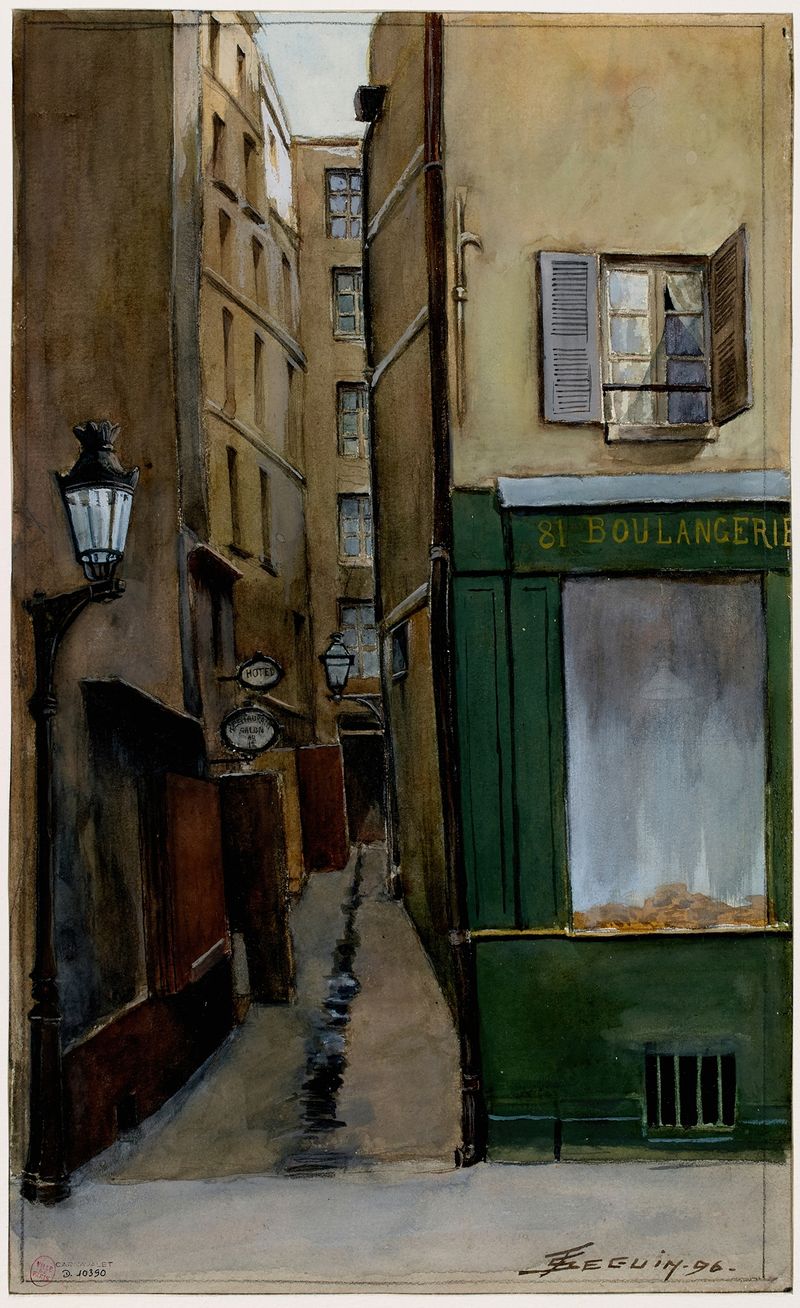
Cul de sac du Fiacre, 81 rue Saint Martin
F. Séguin
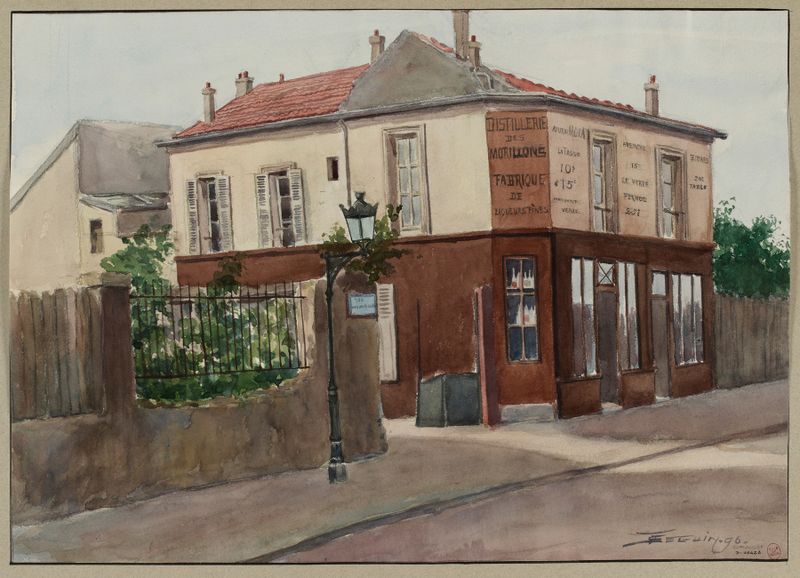
Angle de l’impasse Carlier et au 24 rue des Morillons, Vaugirard
F. Séguin
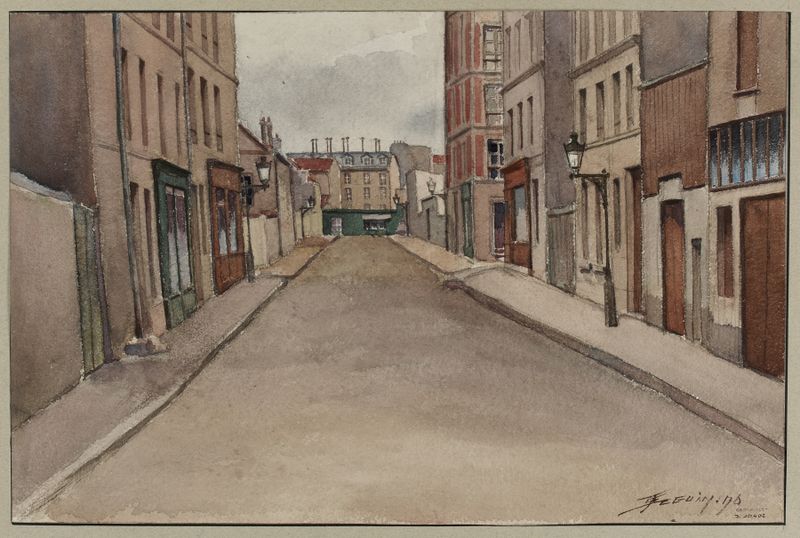
Rue Franquet
F. Séguin





