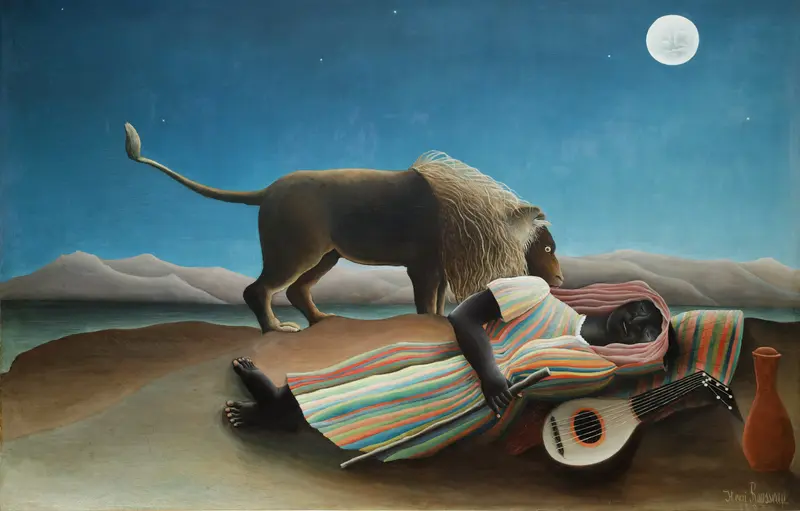
Rue Zacharie — History & Facts
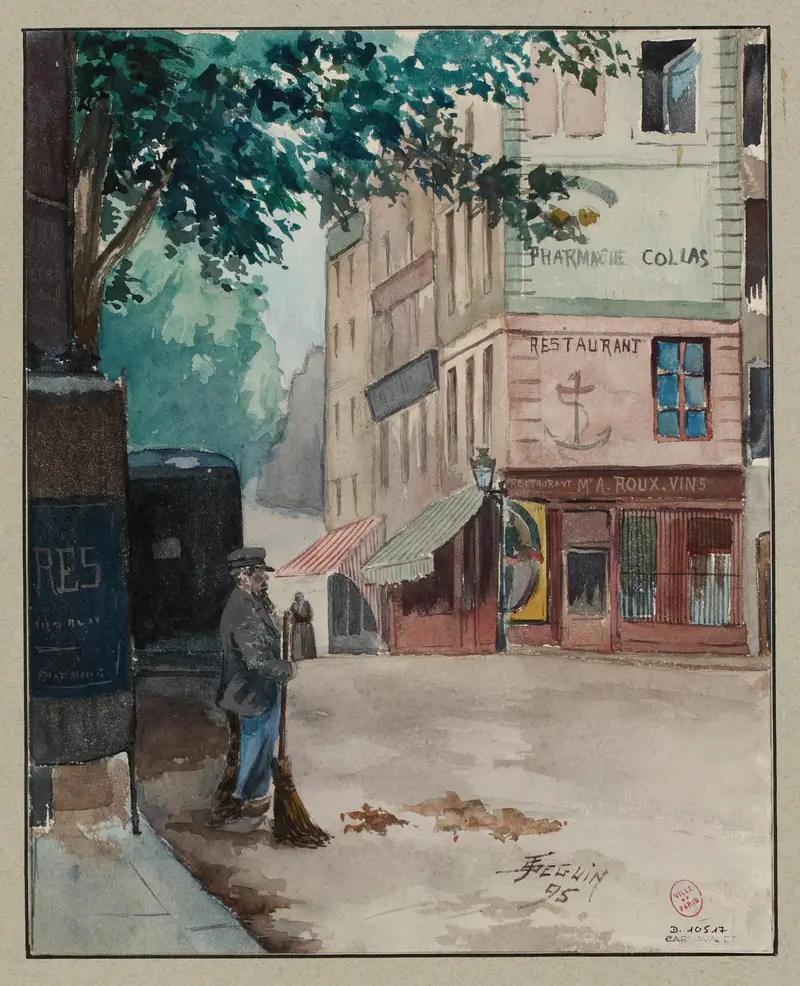
What do we choose to see, and what remains hidden in the shadows of perception? Look to the center of the canvas, where a lone figure wanders down Rue Zacharie, enveloped in a quiet reverie. The artist’s meticulous attention to detail directs our gaze to the interplay of sunlight filtering through the trees, creating a dreamlike atmosphere. Vivid greens and muted earth tones blend seamlessly, contrasting the vibrancy of life with the stillness of memory, inviting us to step into this moment frozen in time. Within the composition, the juxtaposition of light and shadow symbolizes the delicate balance between consciousness and the subconscious.
The figure, seemingly lost in thought, wears an expression that oscillates between nostalgia and hope, suggesting an inner journey. The winding path ahead represents both uncertainty and possibility, a visual metaphor for life’s unpredictable journey, laden with choices that shape our very being. F. Séguin created this evocative piece in 1895 while living in France, a period when the Impressionist movement was redefining the landscape of art.
As artists sought to capture fleeting moments, Séguin found his voice amid the burgeoning experimentation with color and form. This work reflects not only his personal exploration of illusion but also the wider currents of a society caught between tradition and modernity.
More Artworks by F. Séguin

Rue Brantôme. (anciennement rue des Petits Champs donnant rue Saint Martin et rue Beaubourg)
F. Séguin
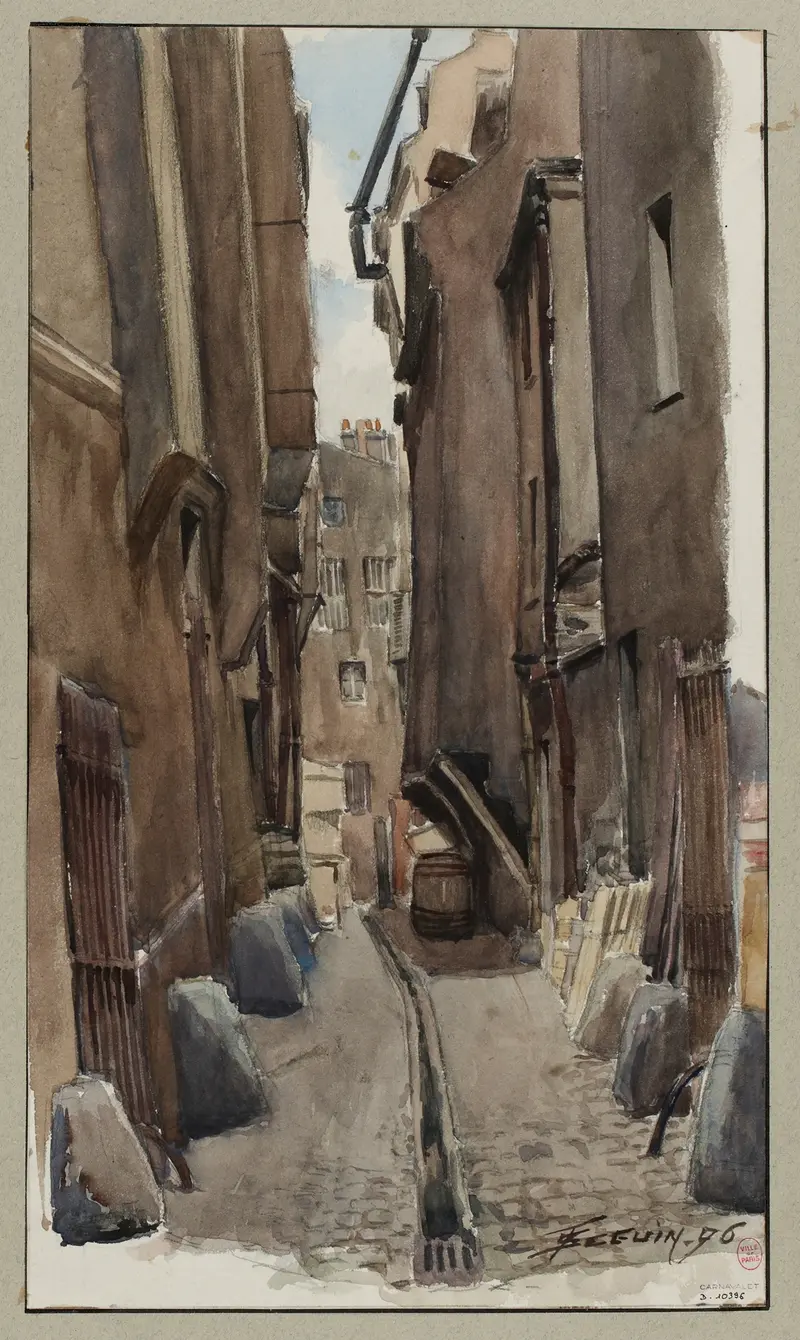
Le Cul de sac du Bœuf, (rue Saint Merri)
F. Séguin
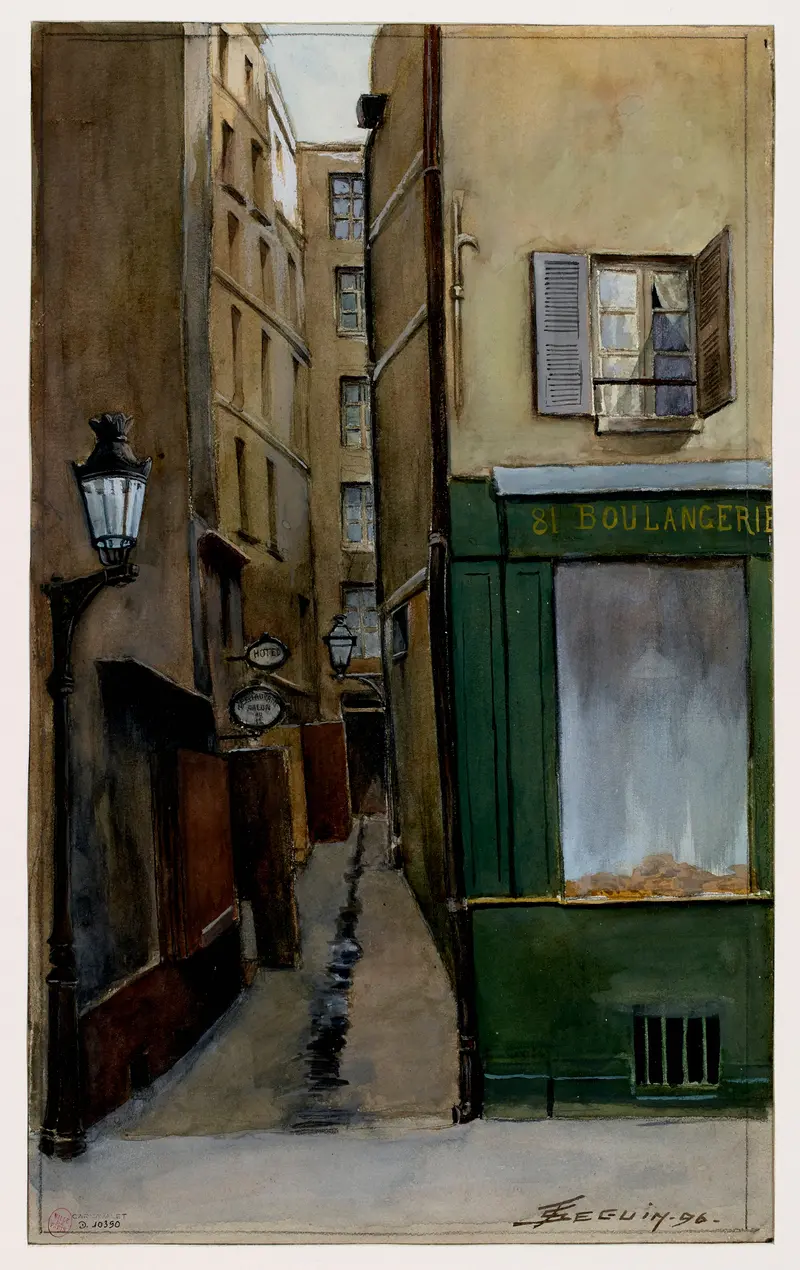
Cul de sac du Fiacre, 81 rue Saint Martin
F. Séguin
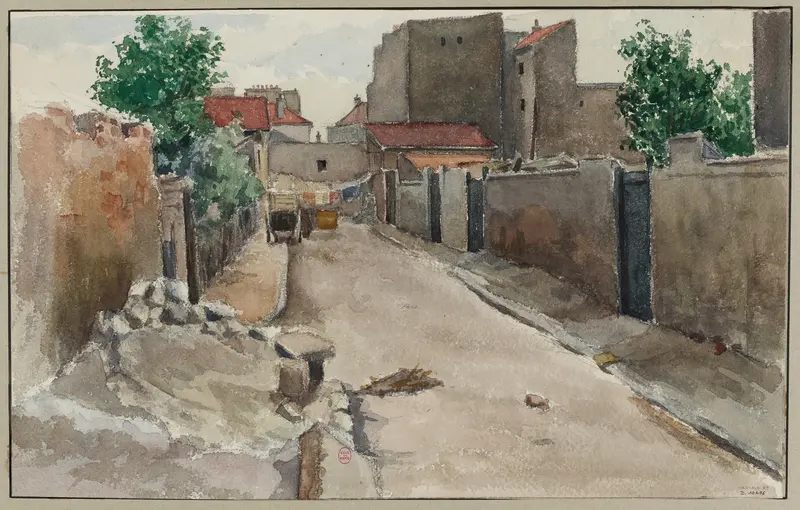
La rue de Chambéry, prise de la rue de Nice la Frontière
F. Séguin
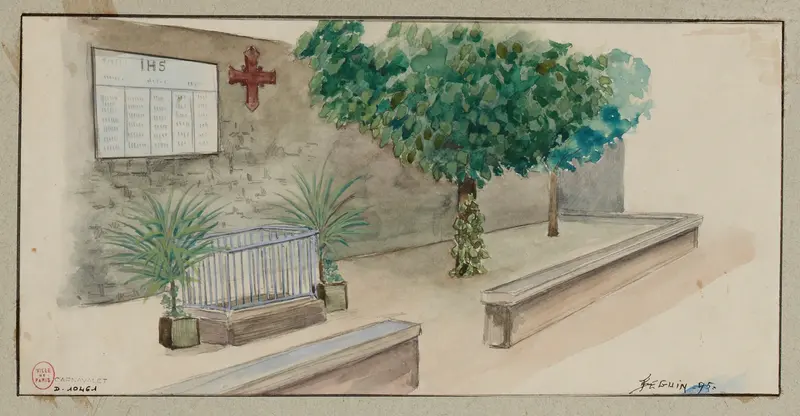
Villa des Otages mur où furent fusillés les 52 derniers otages de la Commune, rue Haxo
F. Séguin
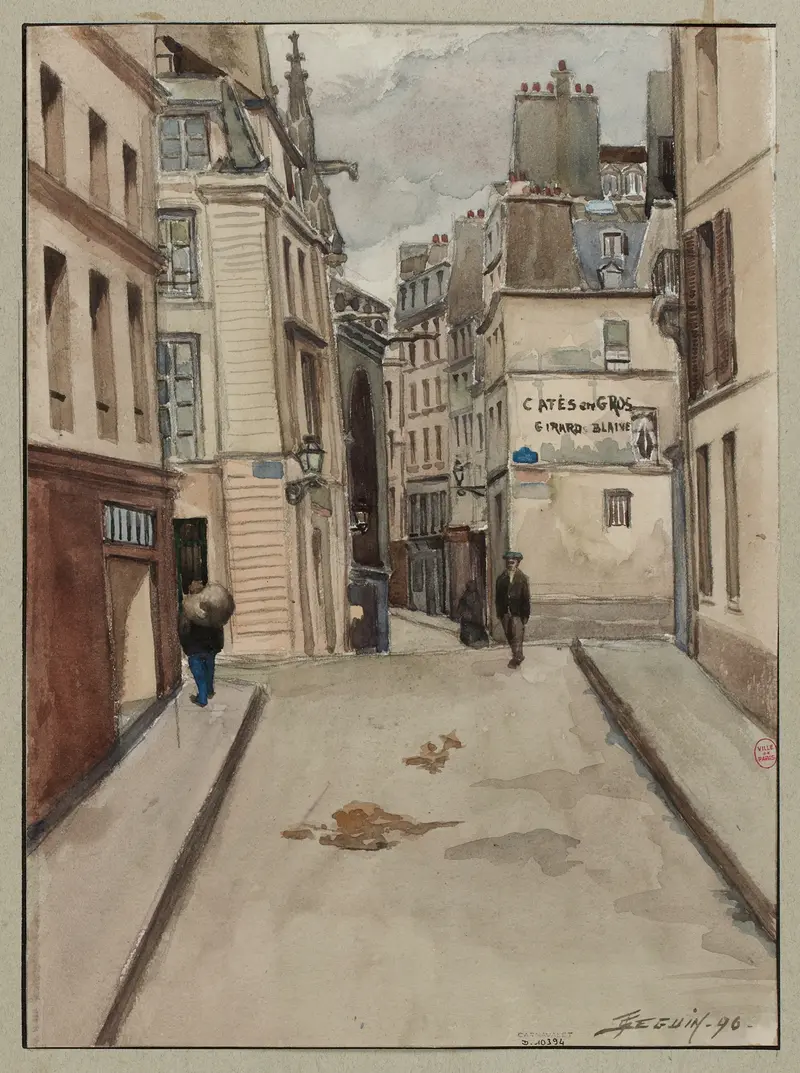
Rue du Cloître Saint Mérry, de la rue du Renard à la rue Saint Martin
F. Séguin
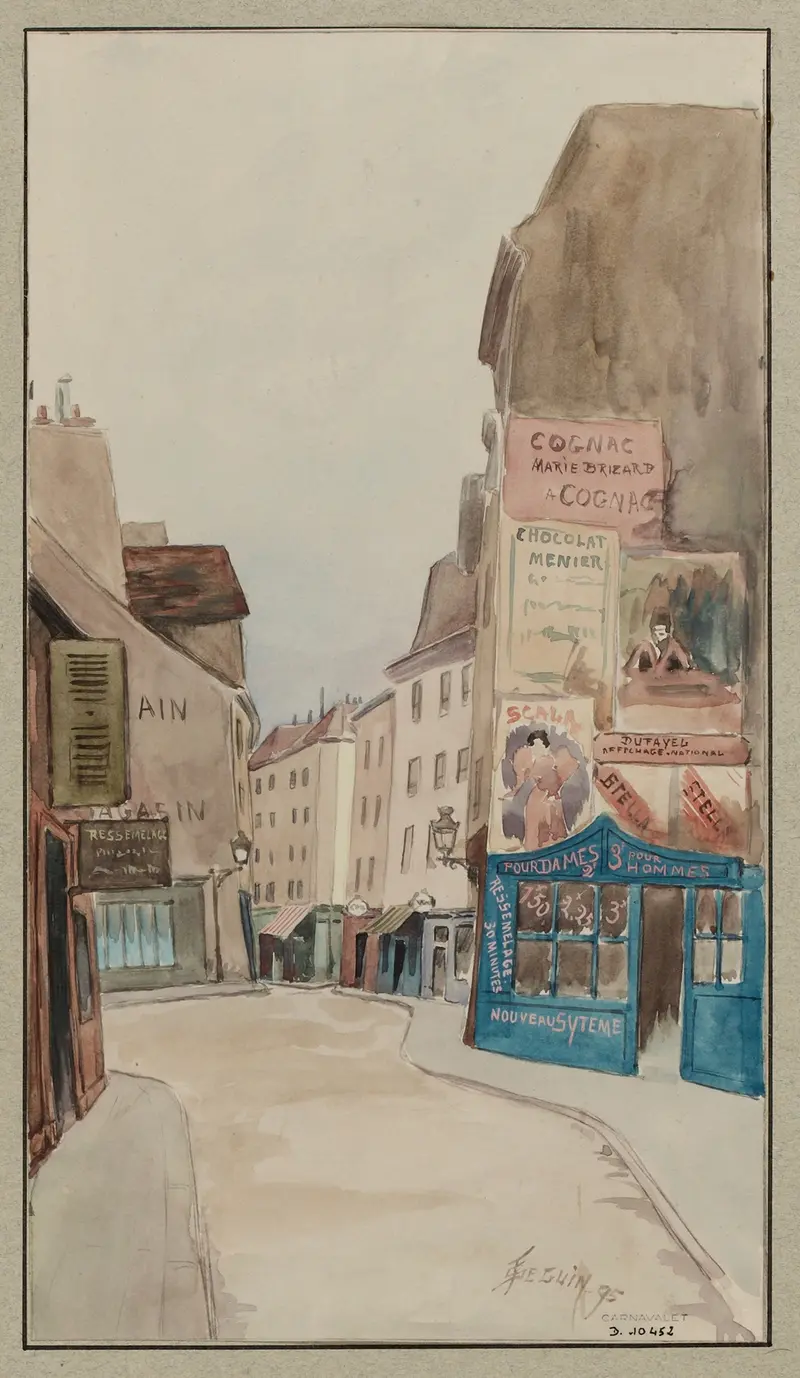
Rue Descartes
F. Séguin
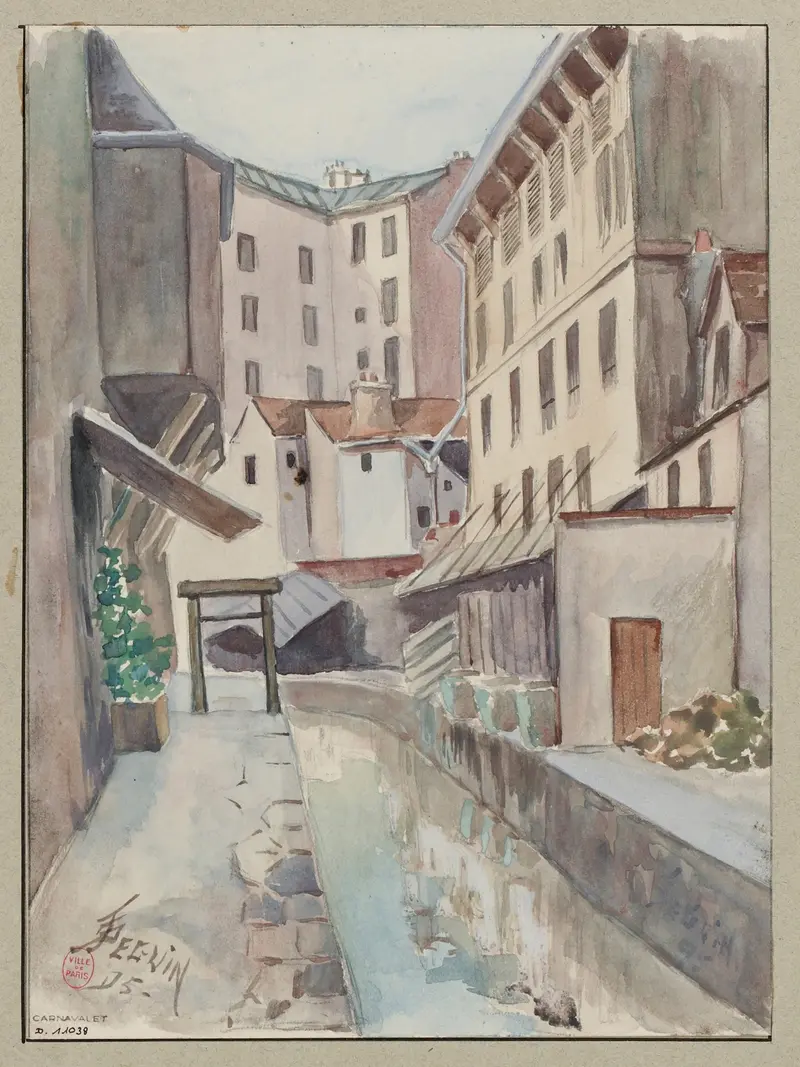
Le bord de la Bièvre à l’avenue des Gobelins
F. Séguin
Quai Conti et la rue Guénégaud
F. Séguin
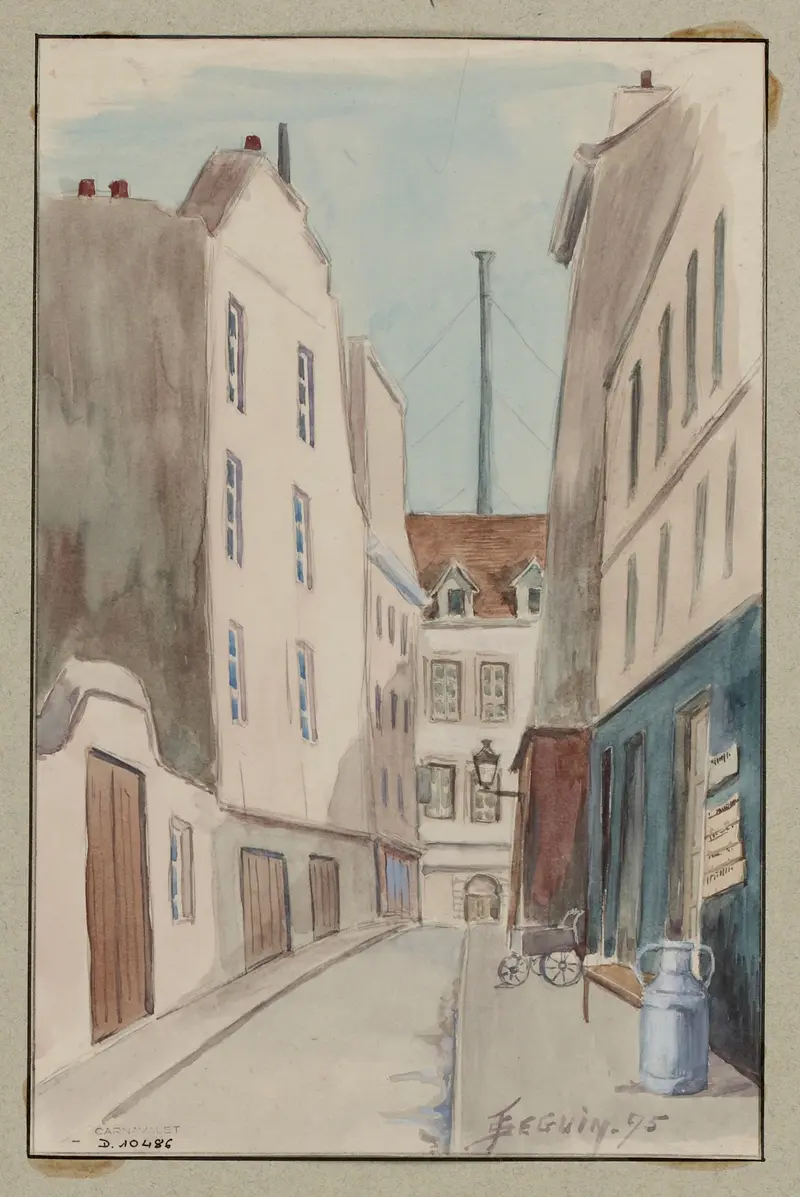
Rue de l’Epée de Bois
F. Séguin