
Ruine Senftenberg, Krems — History & Facts
In the quiet spaces of our lives, melancholy often finds a home, speaking to the heart without uttering a word. Look to the left at the crumbling edifices that rise from the canvas like weary sentinels of time. The earth tones of ochre and deep greens create a somber landscape, where the gentle strokes of paint evoke the passage of seasons and the slow decay of memory. Notice how the light plays upon the ruins, highlighting the fragile beauty of what once stood proud, inviting contemplation and reflection. Within the layers of color, contrasts emerge: the vibrant hues of nature encroach upon the man-made structures, as if life persistently seeks to reclaim what humanity has abandoned.
Shadows fill the hollow spaces, suggesting an echo of stories that have long faded, while the delicate brushwork captures a poignant stillness, inviting viewers to ponder the weight of history and the inevitability of loss. Each detail, from the weathered stones to the encroaching greenery, resonates with an emotional depth that transcends mere representation. In 1903, Eduard Zetsche created this work during a time when the art world was grappling with new movements and the existential concerns of modernity. Working in Krems, Austria, he was influenced by the natural beauty surrounding him, while also reflecting on the remnants of a bygone era.
This period marked an intersection of traditional landscape painting and the emerging modern sensibilities that would ultimately redefine artistic expression.
More Artworks by Eduard Zetsche
Browse all →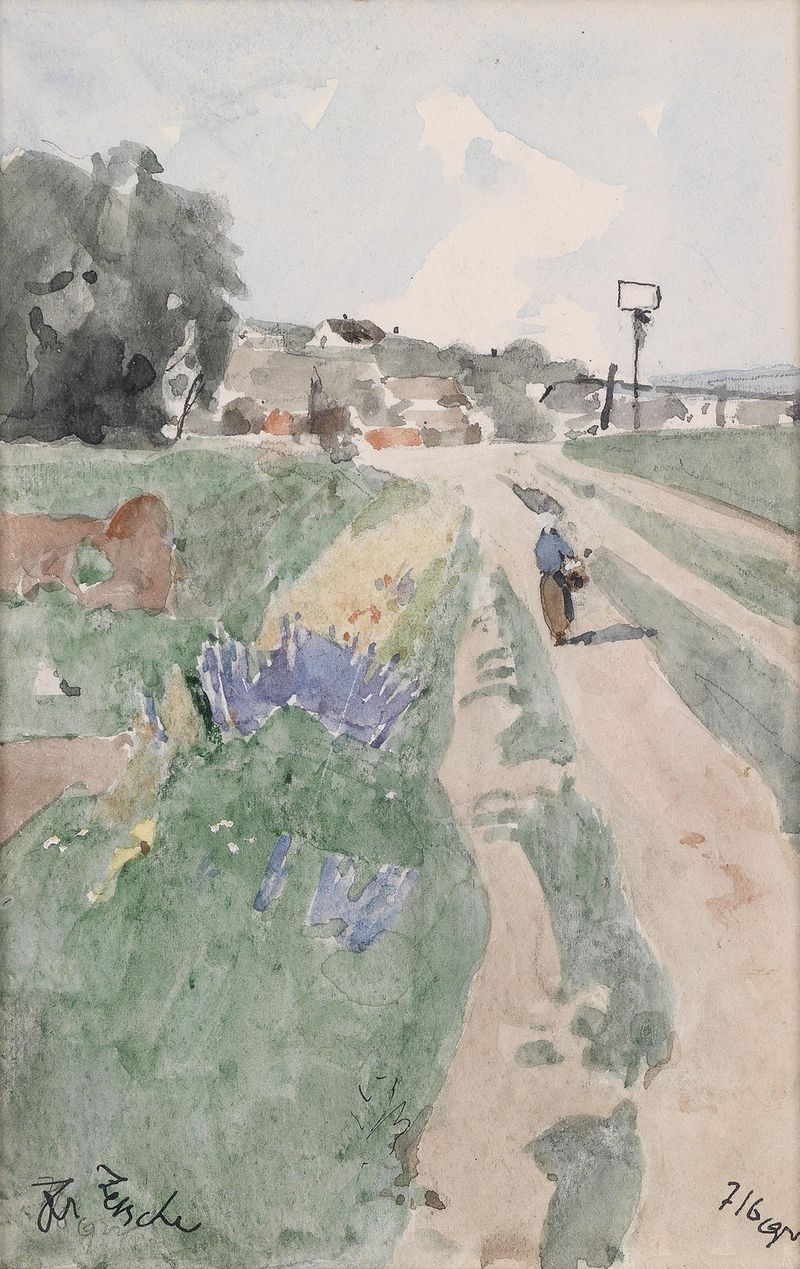
Weg bei Hadersdorf
Eduard Zetsche
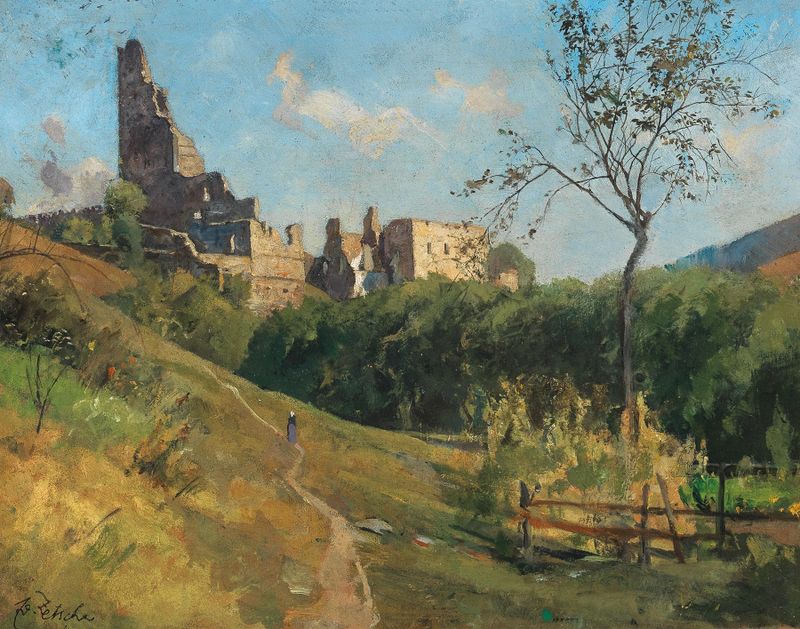
Ruins in the Wachau region
Eduard Zetsche
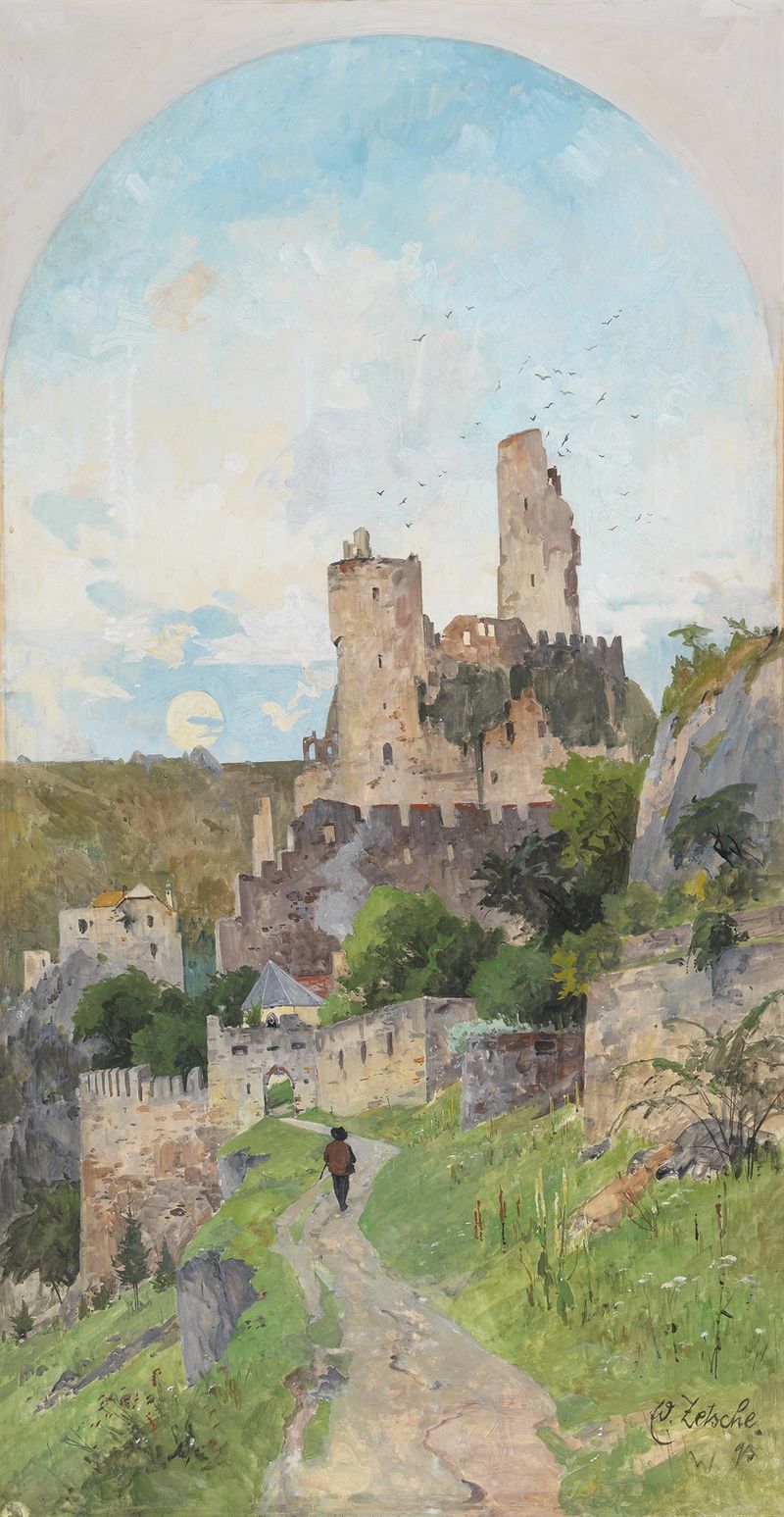
Blick auf die Ruine Dürnstein
Eduard Zetsche
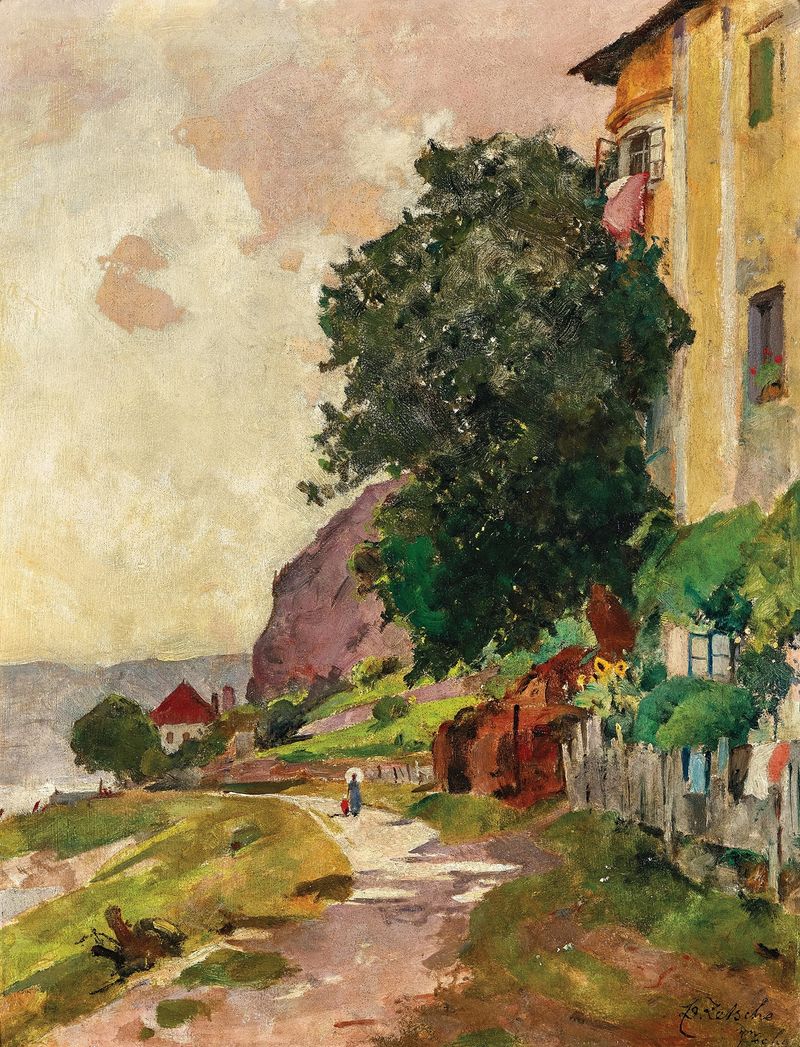
Beim Förthof, Ramsau
Eduard Zetsche
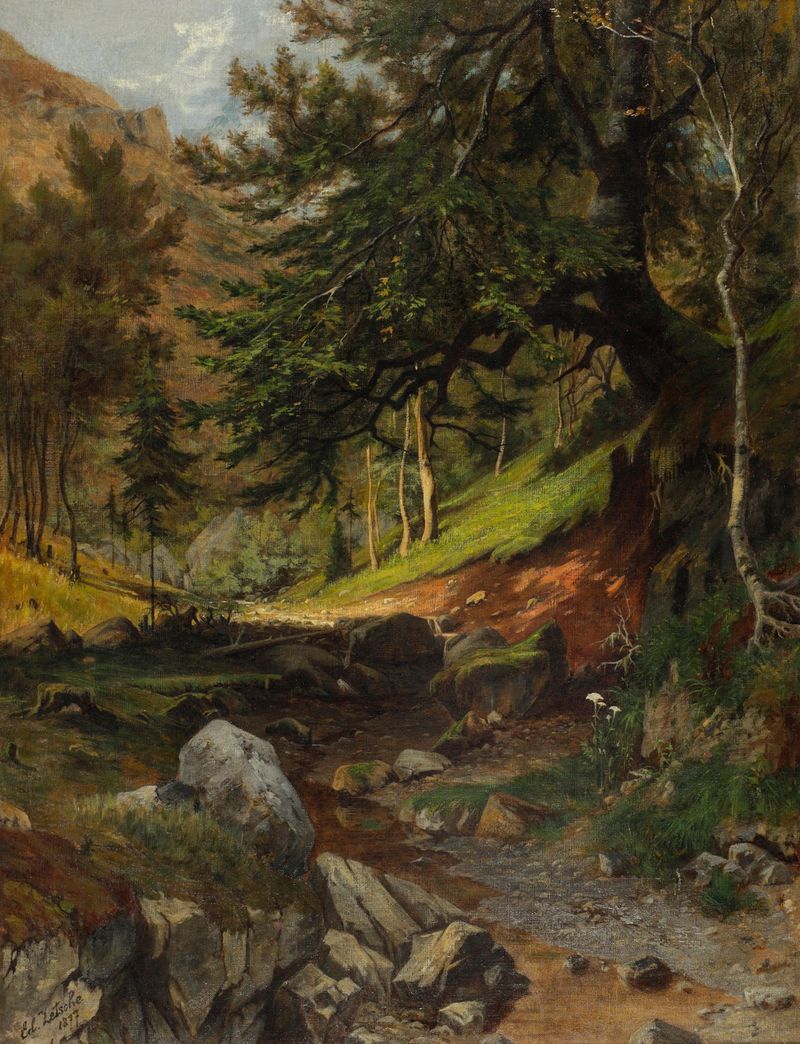
Waldpartie mit Bachlauf
Eduard Zetsche
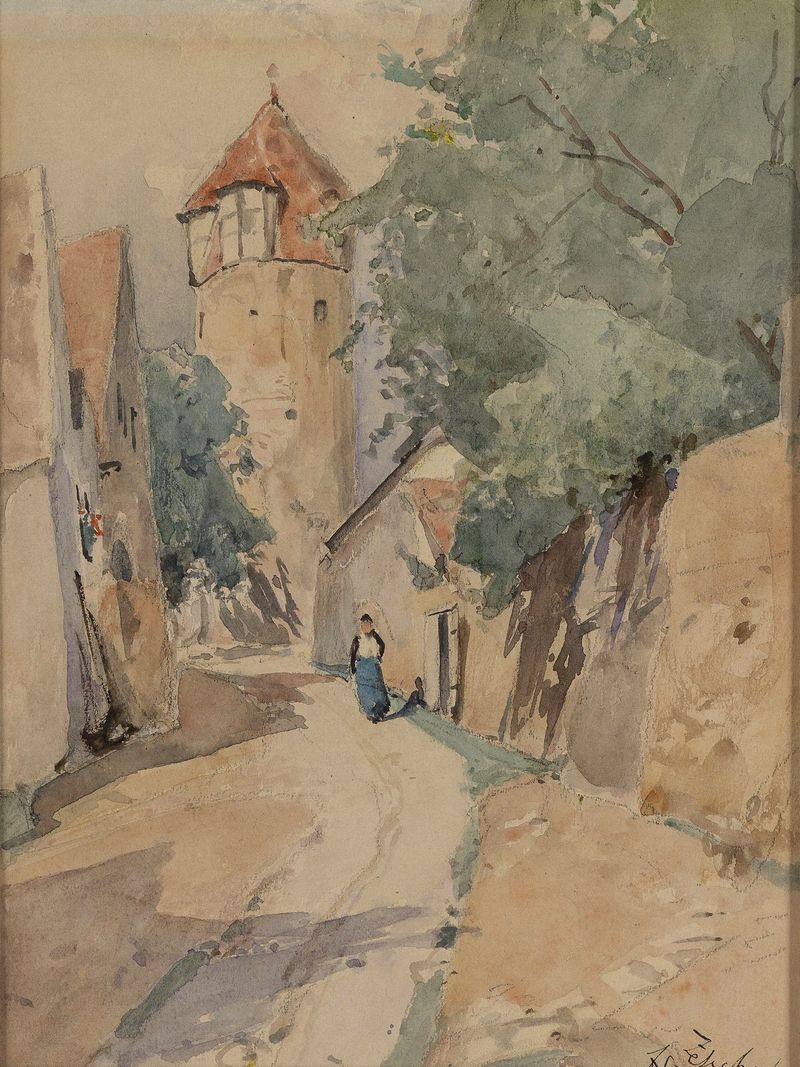
Sulzbach
Eduard Zetsche

Praterpartie
Eduard Zetsche
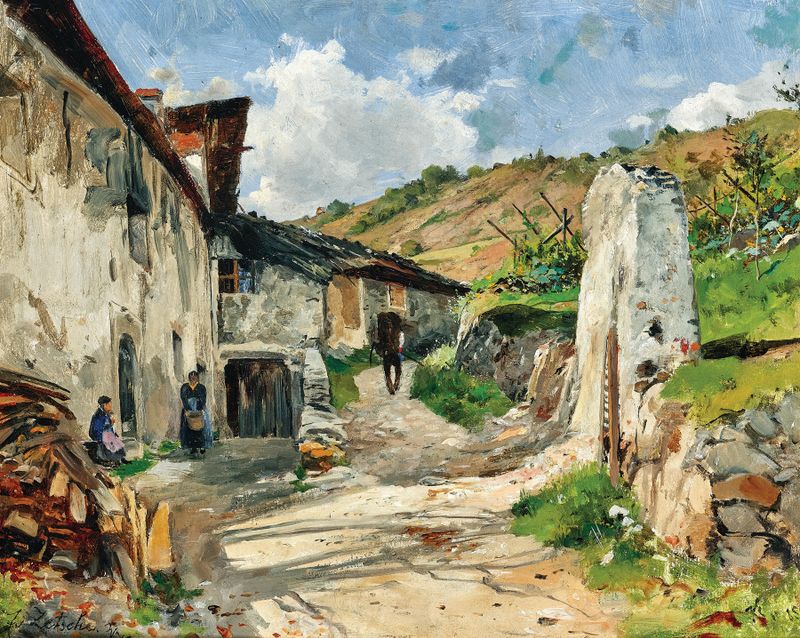
Wachau region, a path to a vineyard near a village
Eduard Zetsche

Motiv bei Lichtenwörth
Eduard Zetsche
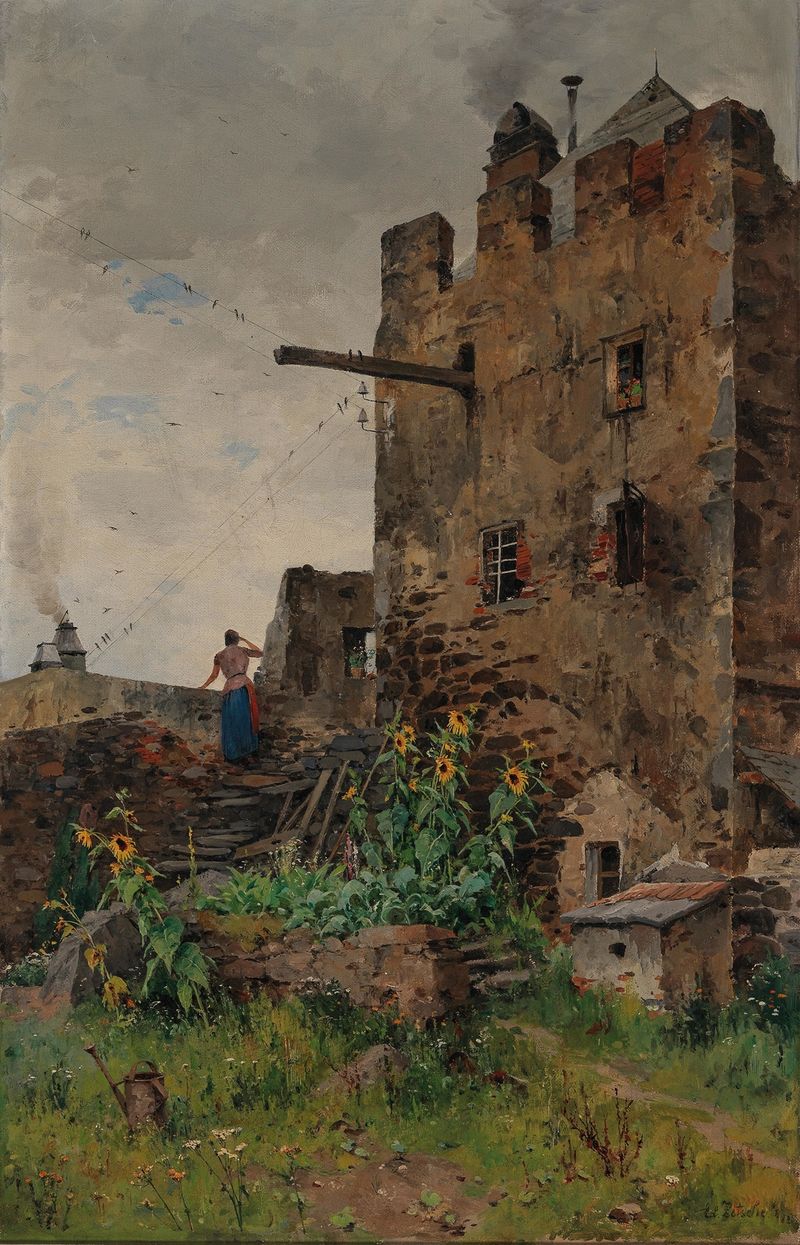
Wachau, Scene of Dürnstein, by the Old Town Wall
Eduard Zetsche





