
Ruined Archway — History & Facts
In Ruined Archway, the fragility of time and memory is captured in a delicate embrace of decay. This artwork invites contemplation on what remains after the passage of years, and how beauty can emerge from the remnants of a once-grand structure. Look closely at the archway itself, where crumbling stones meet vibrant greenery, an interplay of life and disintegration. Notice how the light dances across the jagged edges, illuminating the textures of the weathered masonry while casting soft shadows that hint at forgotten stories.
The palette is muted yet rich, with earthy tones that evoke nostalgia, encouraging the viewer to linger in this moment of serene desolation. Beyond the immediate allure, the painting speaks to deeper themes of transience and resilience. The archway stands as a testament to what has endured, while the encroaching vegetation signifies nature's gentle reclaiming. This juxtaposition of man-made struggles against the timelessness of nature reflects an emotional tension between loss and continuity, urging us to reflect on our own fragility and the beauty in impermanence. Francesco Guardi created this piece between 1775 and 1793, a pivotal time in Venice's history when the city was grappling with the effects of political change and economic decline.
As an artist navigating the shift from the exuberance of the Rococo to the more austere Neoclassicism, he captured both the essence of his surroundings and the melancholic beauty of a city in flux, preserving its legacy while acknowledging its inevitable decline.
More Artworks by Francesco Guardi
Browse all →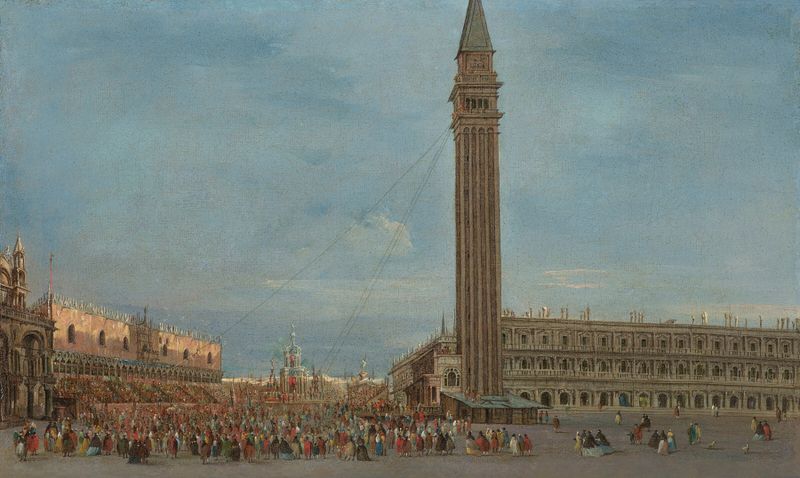
Venice, the Piazzetta San Marco with the Festival of Giovedì Grasso
Francesco Guardi
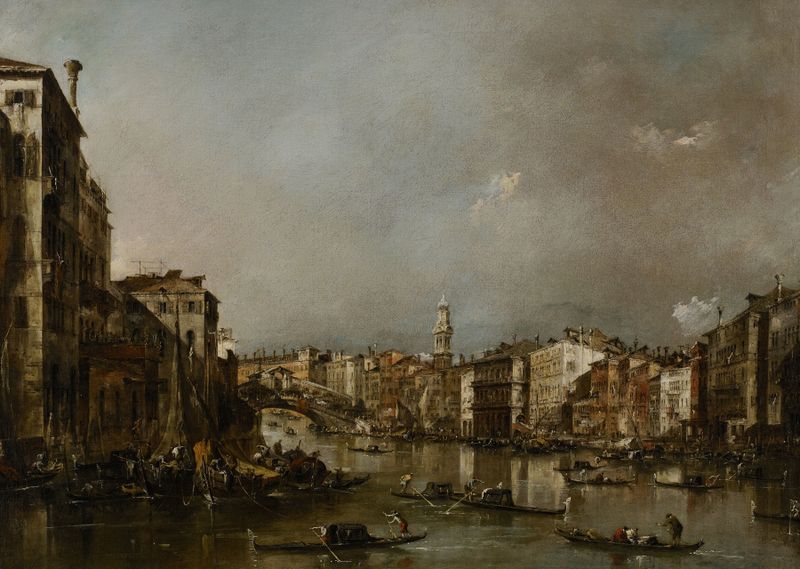
View up the Grand Canal toward the Rialto
Francesco Guardi
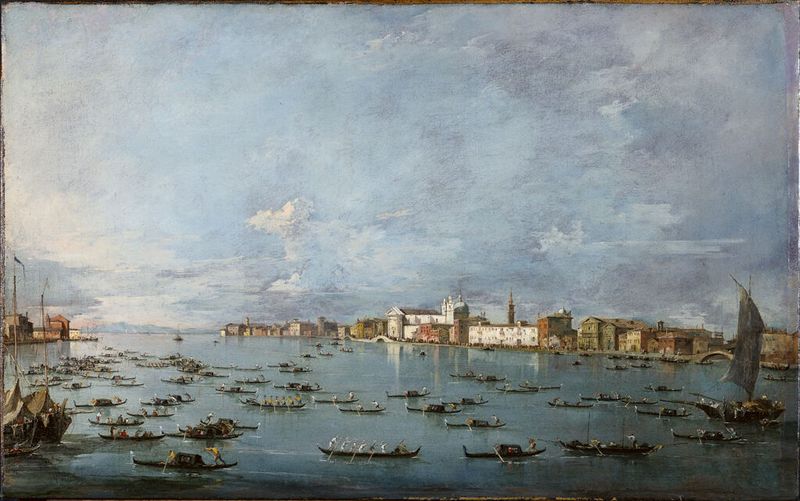
The Fondamenta della Zattere, Venice
Francesco Guardi
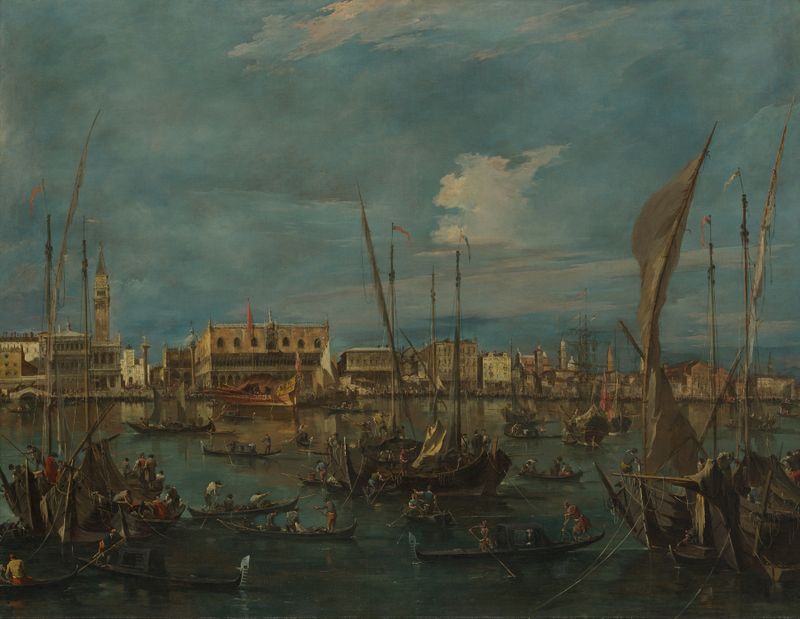
Venice from the Bacino di San Marco
Francesco Guardi

Venice, the Piazzetta looking south, with a view of the Doge’s Palace and the Biblioteca Marciana, the island of San Giorgio Maggiore beyond
Francesco Guardi

Venice, The Rialto
Francesco Guardi
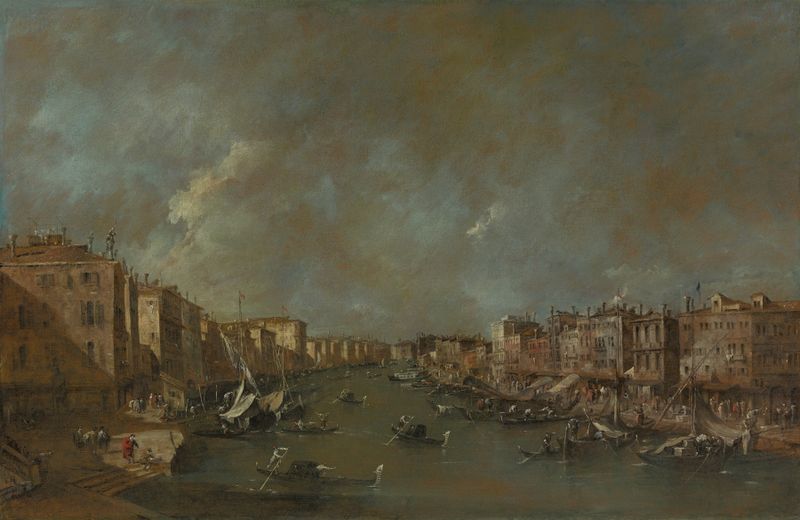
View of the Grand Canal from the Ponte di Rialto
Francesco Guardi
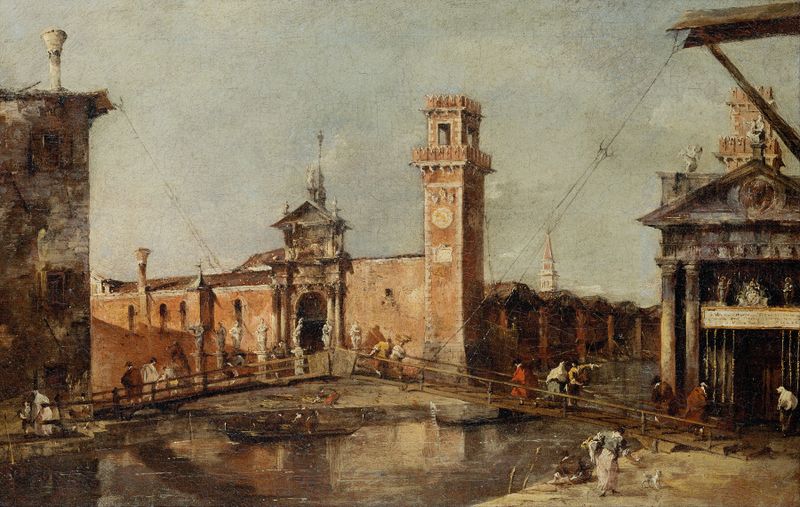
The Entrance to the Arsenal in Venice
Francesco Guardi
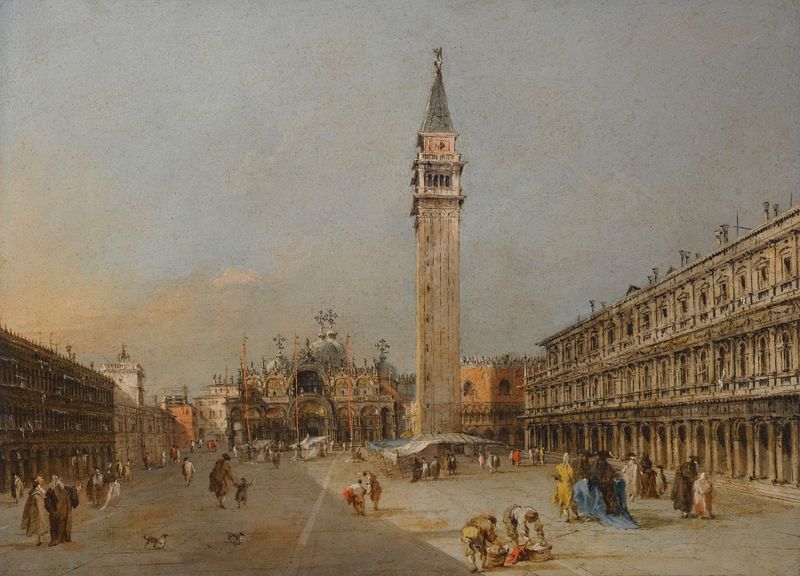
The Piazza San Marco With The Basilica And Campanile
Francesco Guardi
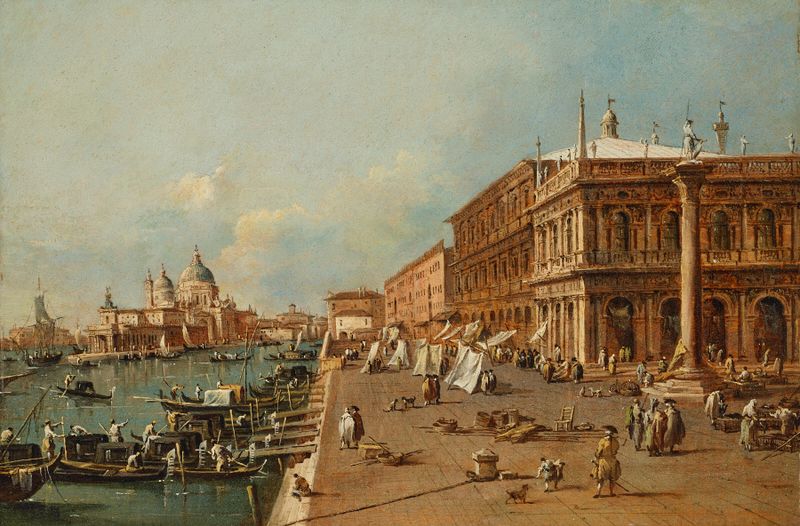
Venice; The Molo with the Libreria, the Punta della Dogana and Santa Maria della Salute
Francesco Guardi
More Architecture Art
Browse all →
The statue of Liberty
Frédéric Auguste Bartholdi

View of Houses in Delft, Known as ‘The Little Street’
Johannes Vermeer

View of Houses in Delft, Known as ‘The Little Street’
Johannes Vermeer

The Cathedral in Rouen. The portal, Grey Weather
Claude Monet

The yellow house
Vincent van Gogh

The Church in Auvers-sur-Oise, View from the Chevet
Vincent van Gogh