
Ruines de l’abbaye de Villers-la-Ville – alcôve avec rosace dans le cloître et emplacement de gisant — History & Facts
Is this a mirror — or a memory? In Ruines de l’abbaye de Villers-la-Ville, Jean-François Taelemans invites us to contemplate the delicate interplay between the past and present, where whispers of destiny linger in the ruins of an abbey. Focus on the alcove to the right, where a soft light filters through the intricately designed rose window. The vibrant hues of stained glass create a kaleidoscope of colors that dance upon the weathered stone, illuminating the passage of time. Notice the careful brushstrokes that capture the textures of the crumbling walls, each fissure a testament to the history embedded within this sacred space.
The composition draws the eye upward, leading us through the archways toward the forgotten gisant, whose presence seems to beckon the viewer into a deeper reflection. Hidden within the delicate shadows and lights, this artwork reveals a poignant contrast: the transience of human life against the eternal nature of the divine. The gisant, an emblem of a soul who once rested here, stirs questions of mortality and legacy. The juxtaposition of the flourishing window against the starkness of decay suggests a tension between hope and despair, as if the abbey itself is caught between its glorious past and an uncertain future. In 1894, while creating this piece, the artist was deeply immersed in the Romantic ideals that permeated the art world.
Taelemans was exploring the themes of nostalgia and the passage of time, influenced by the growing interest in ruins that reflected both historical reverence and the ephemeral nature of existence. This moment in his life coincided with a broader movement in art that sought to convey deeper philosophical inquiries through the lens of nature and human experience.
More Artworks by Jean-François Taelemans
Browse all →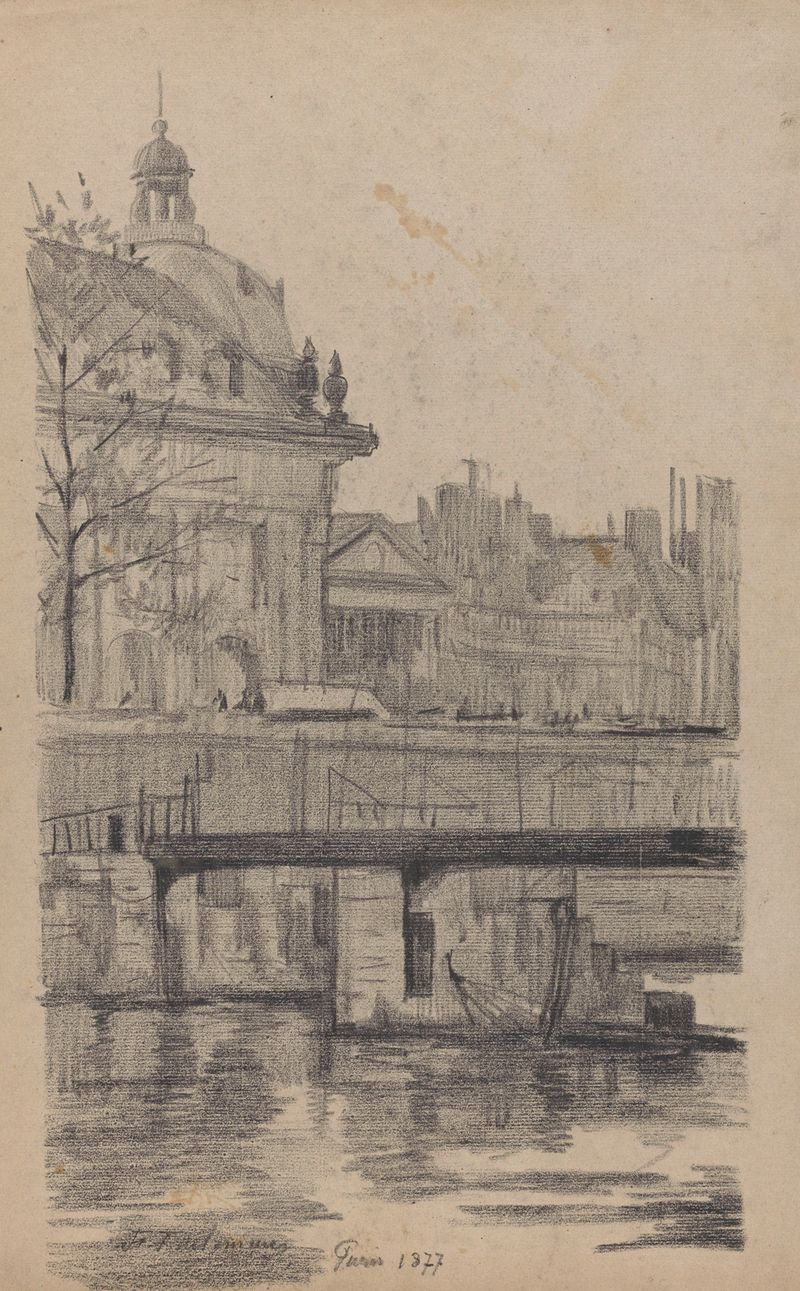
Paris (vue de la Seine et du Collège des Quatre Nations (actuellement siège de l’Institut de France)
Jean-François Taelemans
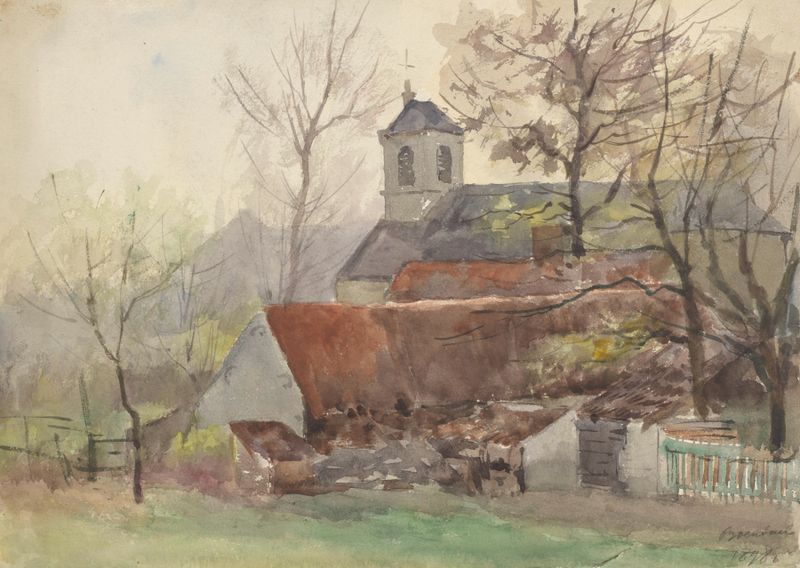
Boendael (église)
Jean-François Taelemans
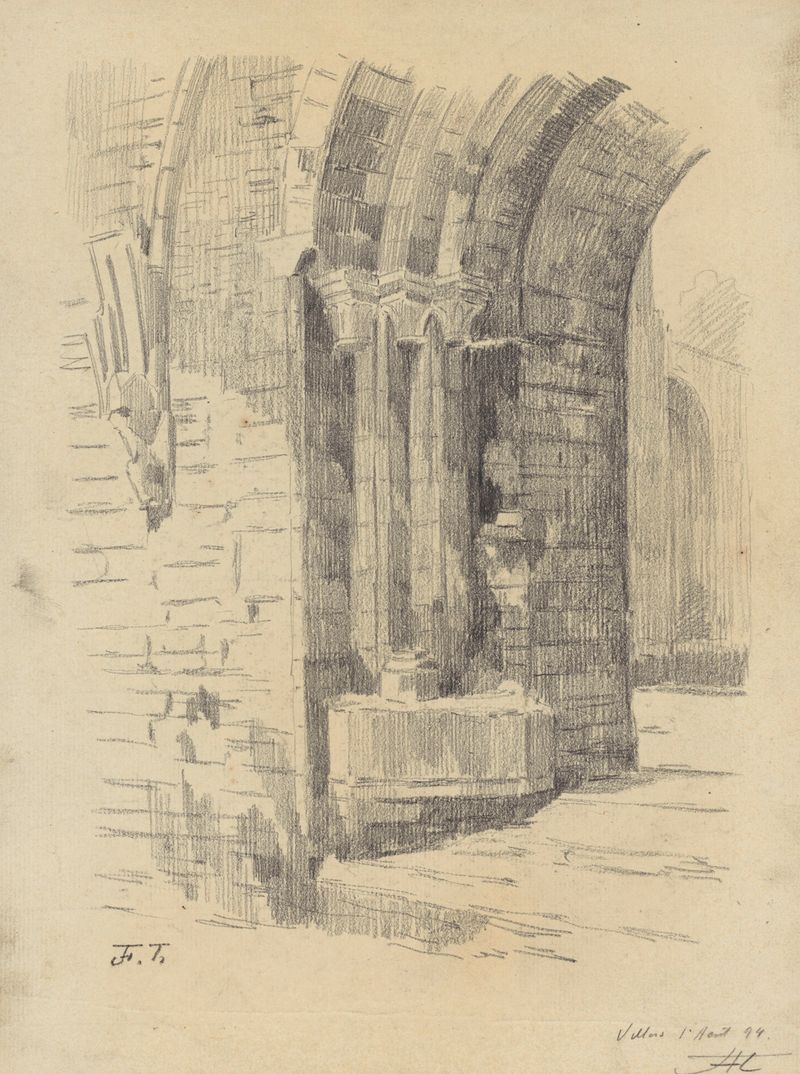
Ruines de l’abbaye de Villers-la-Ville – porche entre le cloître et l’église abbatiale (côté droit)
Jean-François Taelemans
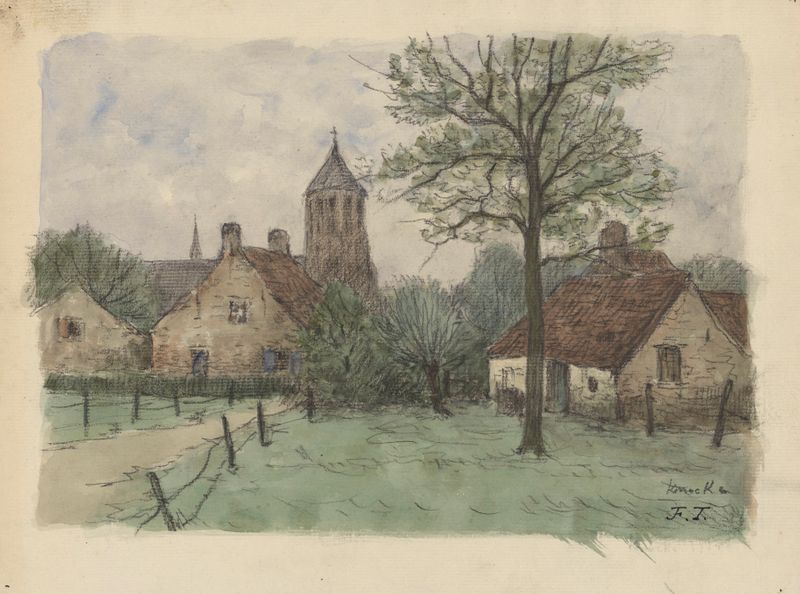
Village et église Sint Margaretha à Knocke
Jean-François Taelemans
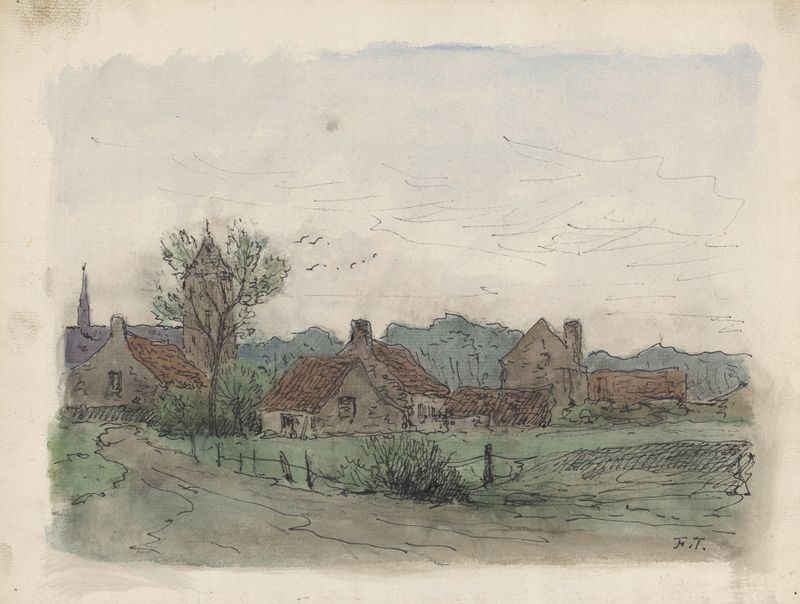
Village
Jean-François Taelemans
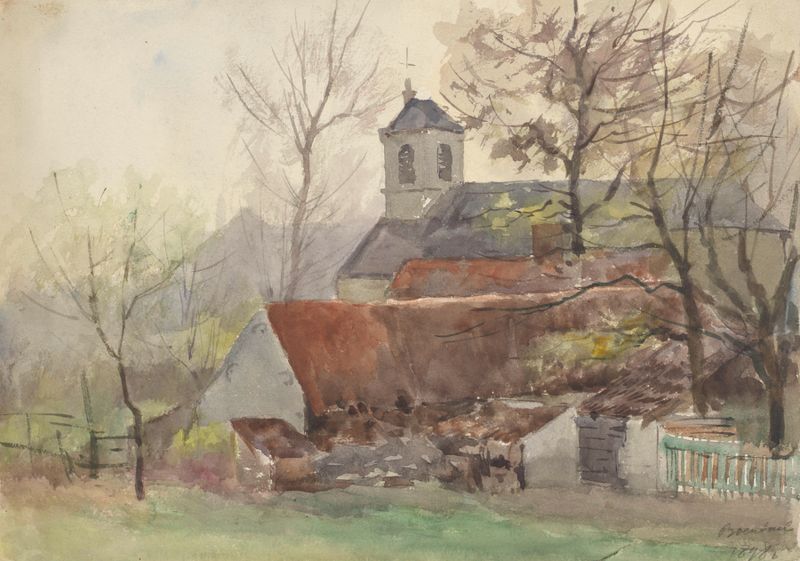
Boendael (église)
Jean-François Taelemans
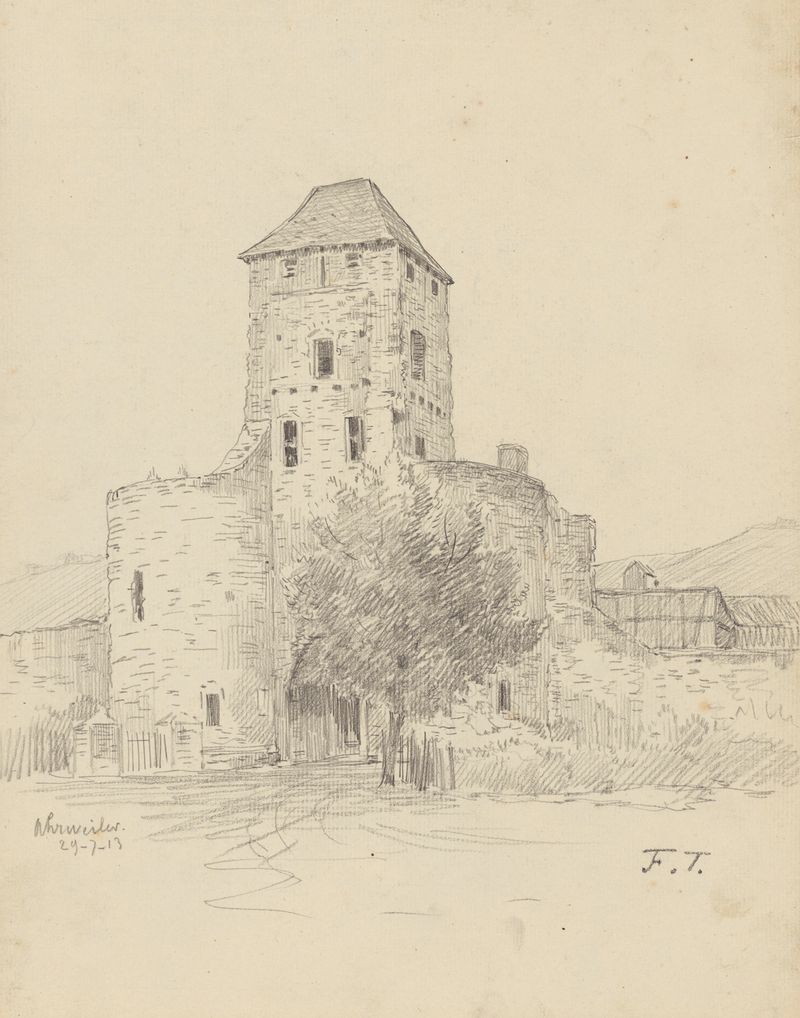
Vieille tour (porte) à Ahrweiler (Allemagne)
Jean-François Taelemans
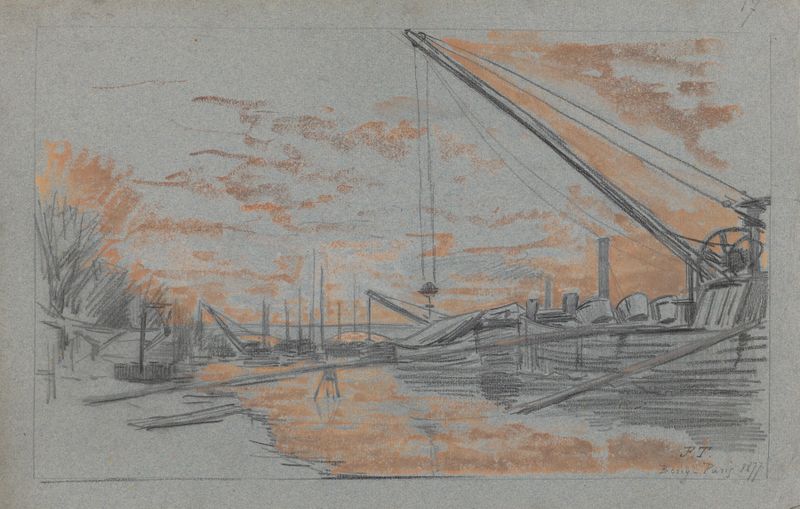
Bercy – Paris (bord de Seine avec chalands à l’ancre en cours de chargement, soleil couchant)
Jean-François Taelemans
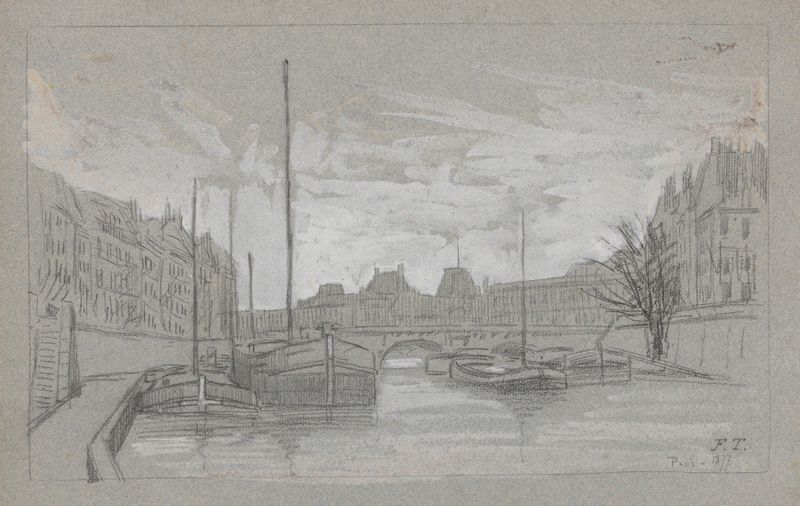
Paris (bateaux sur la Seine près d’un pont)
Jean-François Taelemans
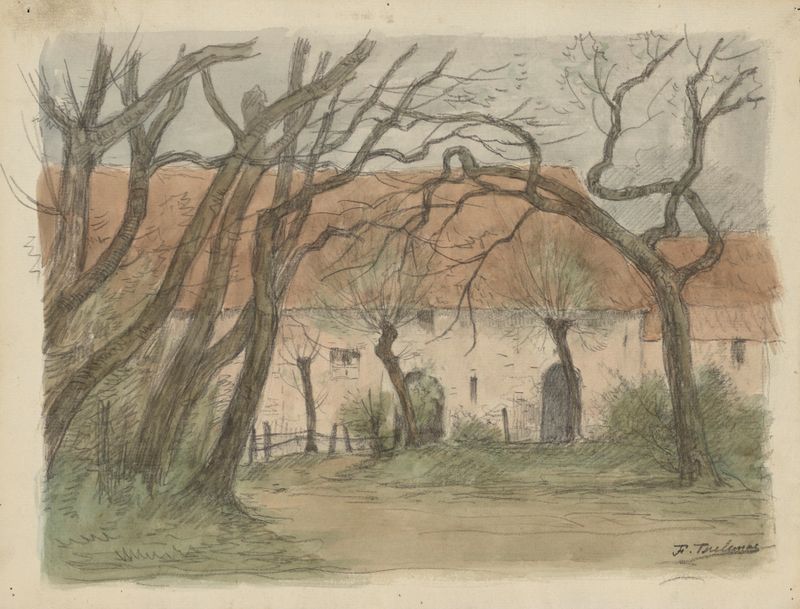
Grande maison campagnarde derrière un bouquet d’arbres
Jean-François Taelemans
More Architecture Art
Browse all →
The statue of Liberty
Frédéric Auguste Bartholdi

View of Houses in Delft, Known as ‘The Little Street’
Johannes Vermeer

View of Houses in Delft, Known as ‘The Little Street’
Johannes Vermeer

The Cathedral in Rouen. The portal, Grey Weather
Claude Monet

The yellow house
Vincent van Gogh

The Church in Auvers-sur-Oise, View from the Chevet
Vincent van Gogh