
Ruins of the Trakai Island Castle — History & Facts
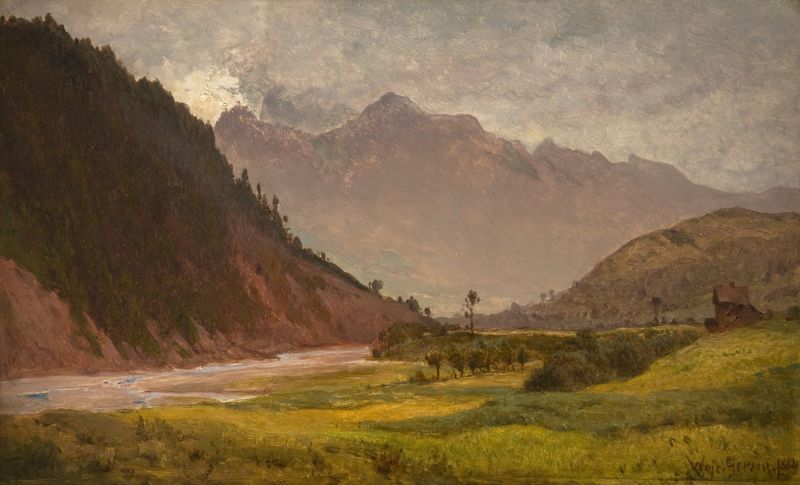
Did the painter know this moment would outlive them? As light dances upon the weathered stones, an echo of grandeur remains, whispering the tales of a time long past. Look closely at the foreground, where fragments of the castle's once-imposing walls rise like ghosts against the tranquil water. Gerson’s palette is rich in earth tones, capturing the interplay of shadow and light. The muted greens and browns evoke a sense of serene decay, while the delicate brushwork brings a lifelike texture to the crumbling masonry.
Trace the outline of the castle’s towers, their silhouettes softened by the encroaching dusk, inviting you to ponder the stories held within their ruins. Yet, amidst this haunting beauty lies a profound sense of emptiness. The absence of human presence amplifies the solitude, leaving the viewer to reflect on the passage of time. The serene waters encapsulate the stillness, contrasting sharply with the vibrant history once lived here.
This tension between vitality and decay resonates deeply, revealing the ephemeral nature of human achievements against the backdrop of an enduring landscape. In 1855, Gerson painted this piece during a period of rising nationalism in Poland, capturing a fragment of the country’s heritage as it faced political upheaval. At this time, the artist was immersed in Romanticism, which celebrated the beauty of nature and historical remnants, while he navigated his own artistic journey. The choice to depict the ruins serves as a poignant reminder of both loss and resilience within his cultural context.
More Artworks by Wojciech Gerson
Browse all →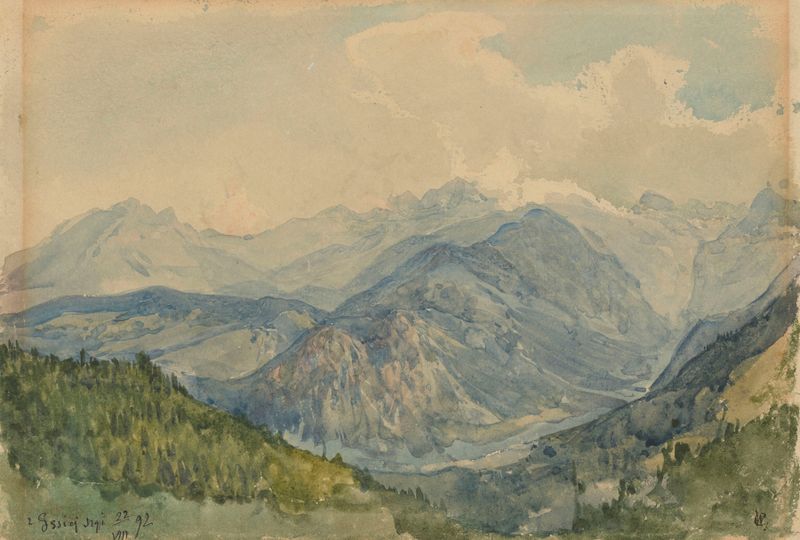
View from Gęsia Szyja Peak in the Tatra Mountains
Wojciech Gerson

View of Płock
Wojciech Gerson
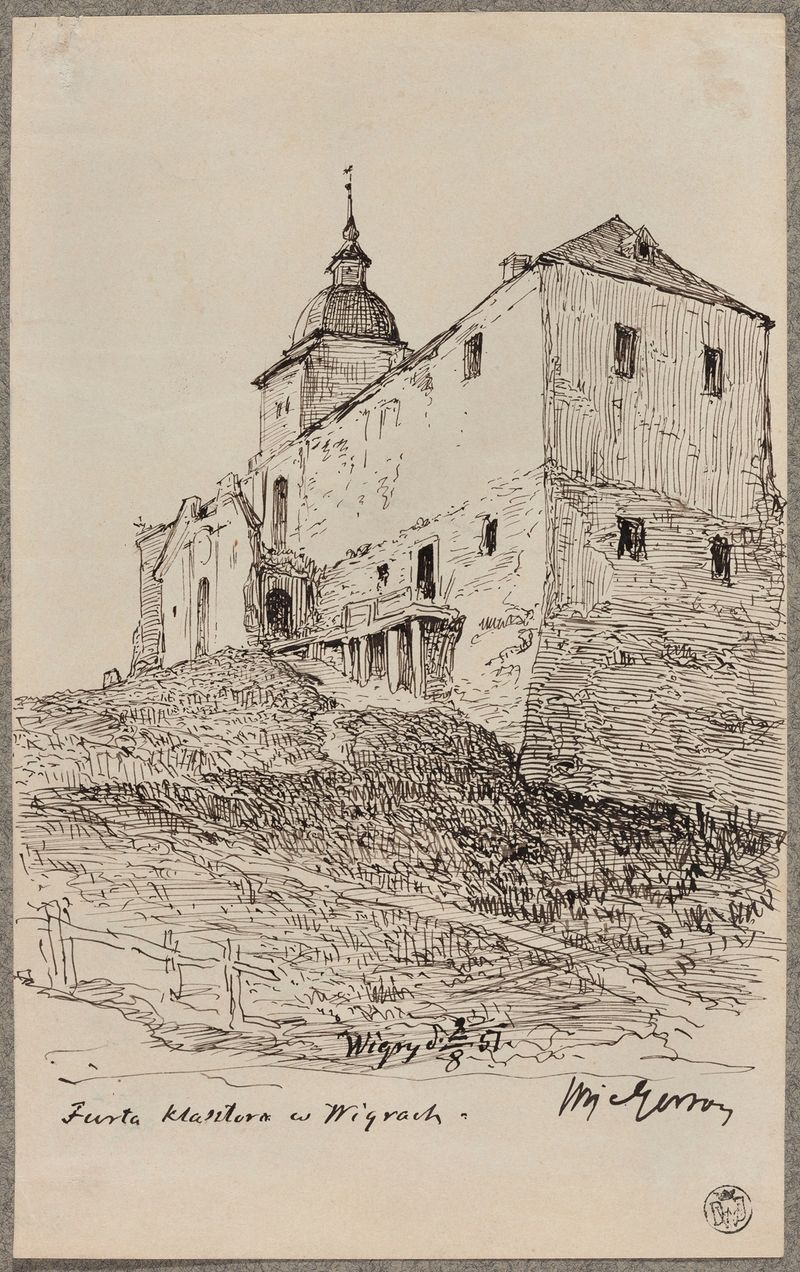
Furta klasztoru w Wigrach
Wojciech Gerson

Dom Długosza w Sandomierzu, tzw. Czerwona Kamienica
Wojciech Gerson
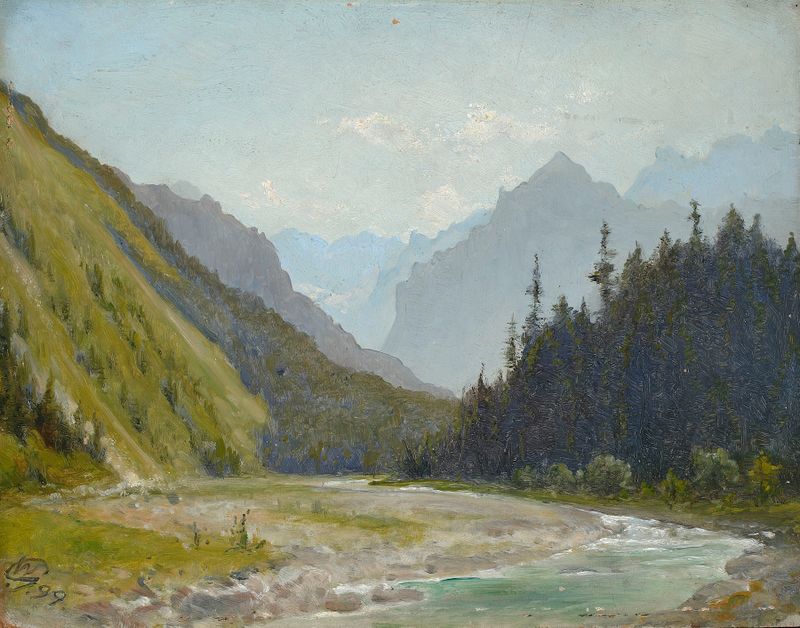
White Water Valley in the Tatra Mountains
Wojciech Gerson
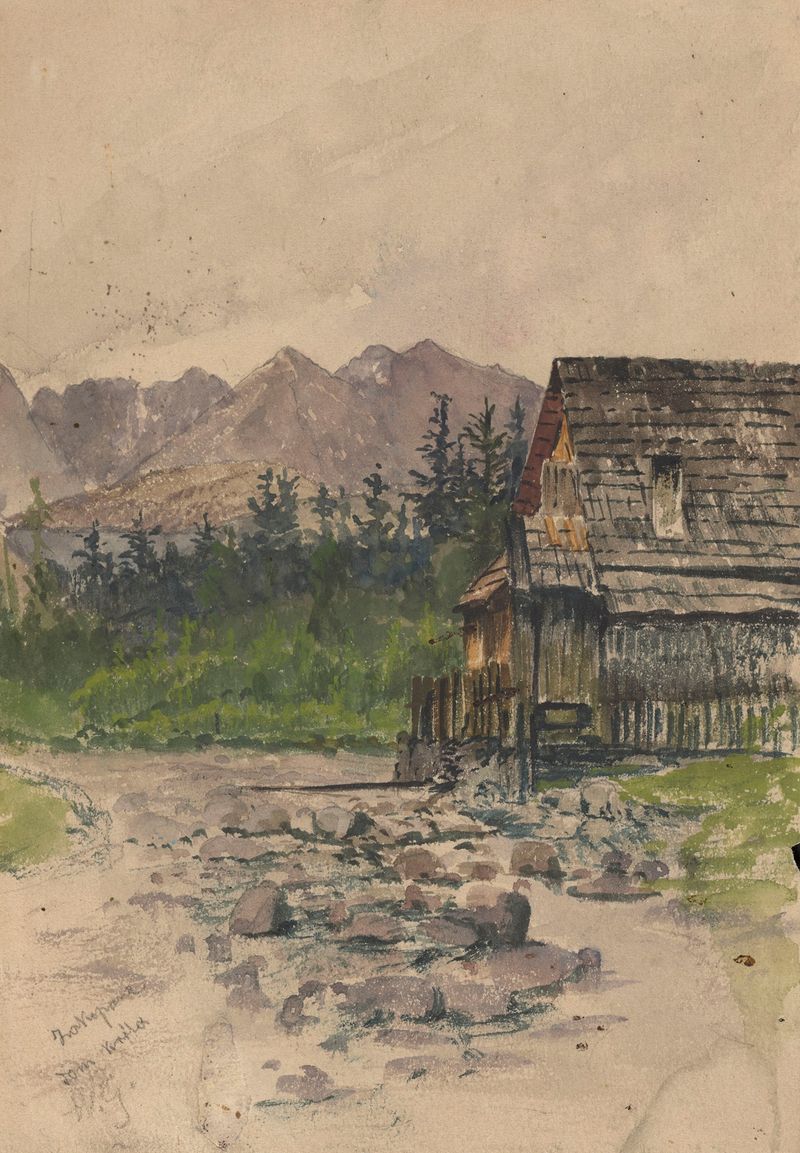
Landscape of the Tatra Mountains
Wojciech Gerson
Fair Weather in the Pieniny Mountains
Wojciech Gerson

Rockslide in the White Water Valley in the Tatra Mountains
Wojciech Gerson

Graveyard in the mountains
Wojciech Gerson

Mountain Landscape
Wojciech Gerson





