
Rural Winter Scene — History & Facts
In the quiet stillness of winter, the promise of renewal whispers between the frost-laden trees and the soft, undulating hills of snow. Look to the left where a solitary farmhouse stands, its muted colors harmonizing with the icy landscape. The gentle strokes of grey and white create an atmosphere of serenity, inviting your eyes to trace the smoke curling from the chimney into the crisp air. Notice how the dappled shadows of the trees dance across the ground, revealing the artist’s careful technique of layering, which gives depth to the blanket of white covering the earth. Yet within this tranquil wintry tableau lies a profound juxtaposition of desolation and hope.
The barren branches of the trees, stark against the pale sky, symbolize the despondency of winter, while the warm glow emanating from the farmhouse signals life amidst the cold. This contrast reminds us that even in the harshest seasons, warmth and comfort can persist, hinting at the eventual resurgence of spring. In 1888, the artist painted this piece while living in the U.S., navigating the evolving landscape of American art amid increasing influences from European styles. Mielatz’s works often reflect a deep appreciation for nature and a commitment to realism, capturing fleeting moments that resonate with the human experience.
As the nation grappled with change, his rural scenes served as a nostalgic reminder of simpler times, imbuing them with a sense of enduring hope.
More Artworks by Charles Frederick William Mielatz
Browse all →
View of Rockwood Tarrytown on the Hudson, residence of William Rockefeller, no. 1
Charles Frederick William Mielatz
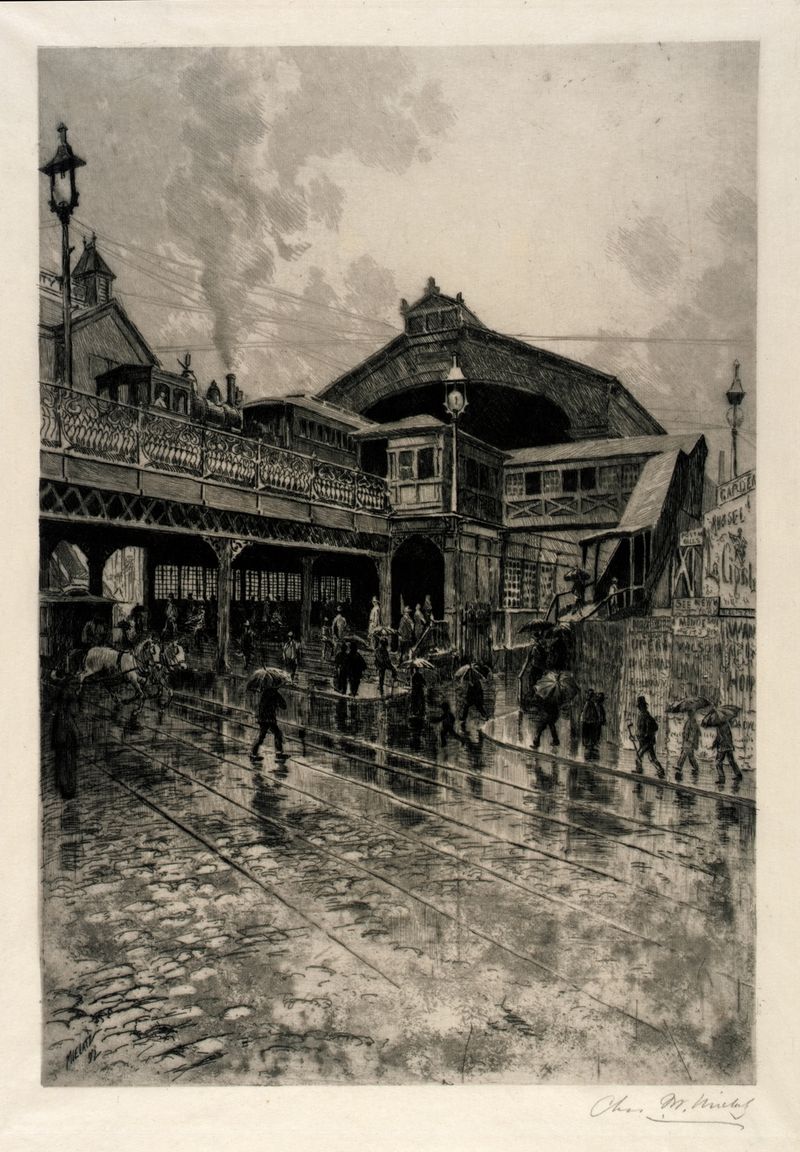
Entrance to Brooklyn Bridge
Charles Frederick William Mielatz
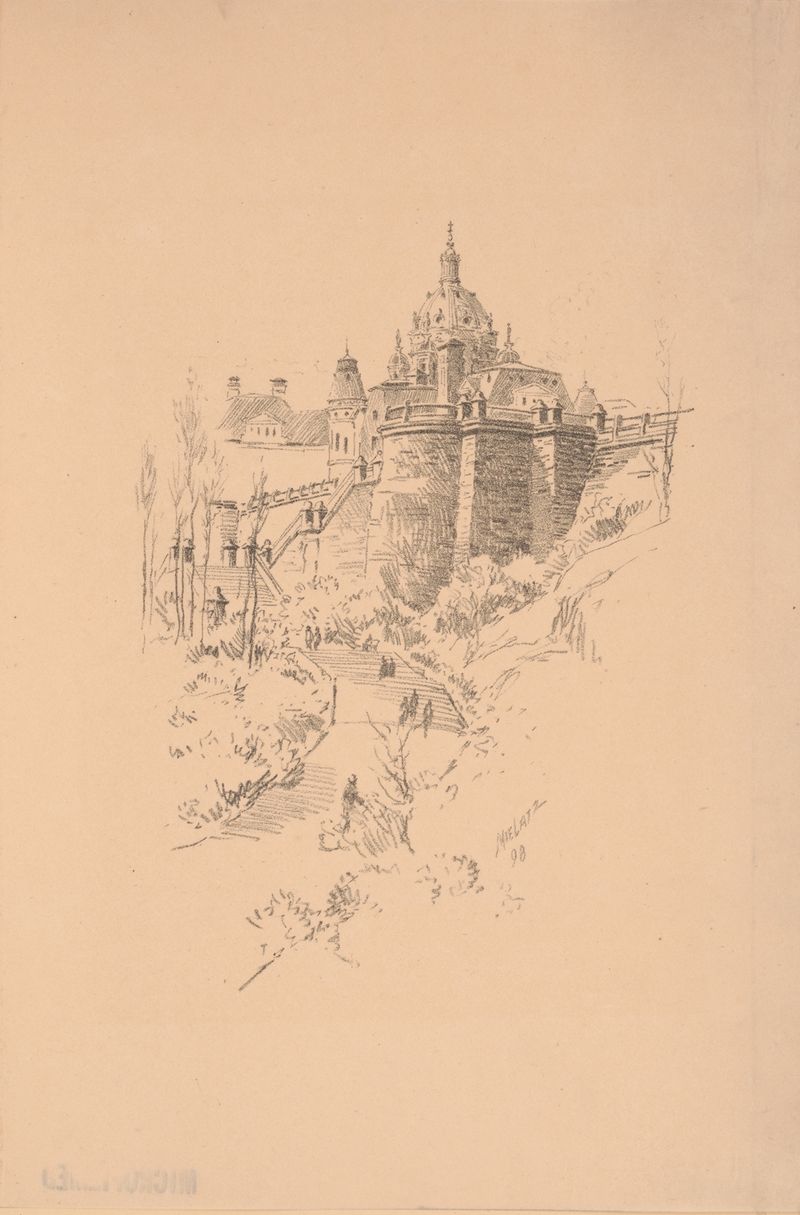
Morningside Park and St. Luke’s Hospital
Charles Frederick William Mielatz

Street Scene under Steel Bridge
Charles Frederick William Mielatz
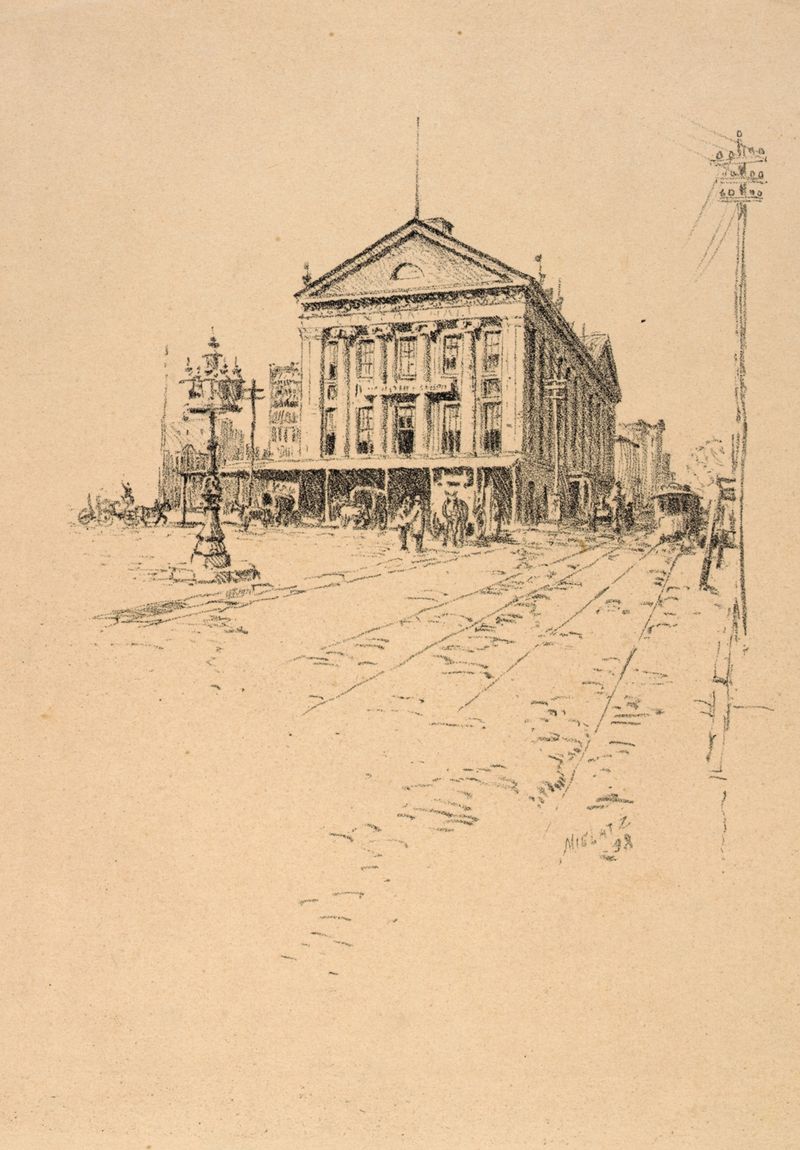
Clinton Hall
Charles Frederick William Mielatz
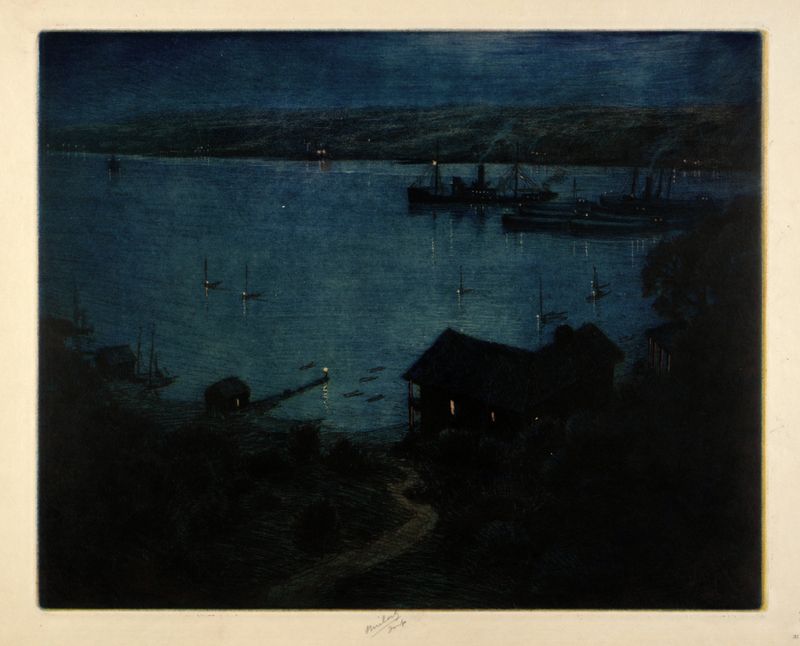
Moonlight–Hudson River
Charles Frederick William Mielatz
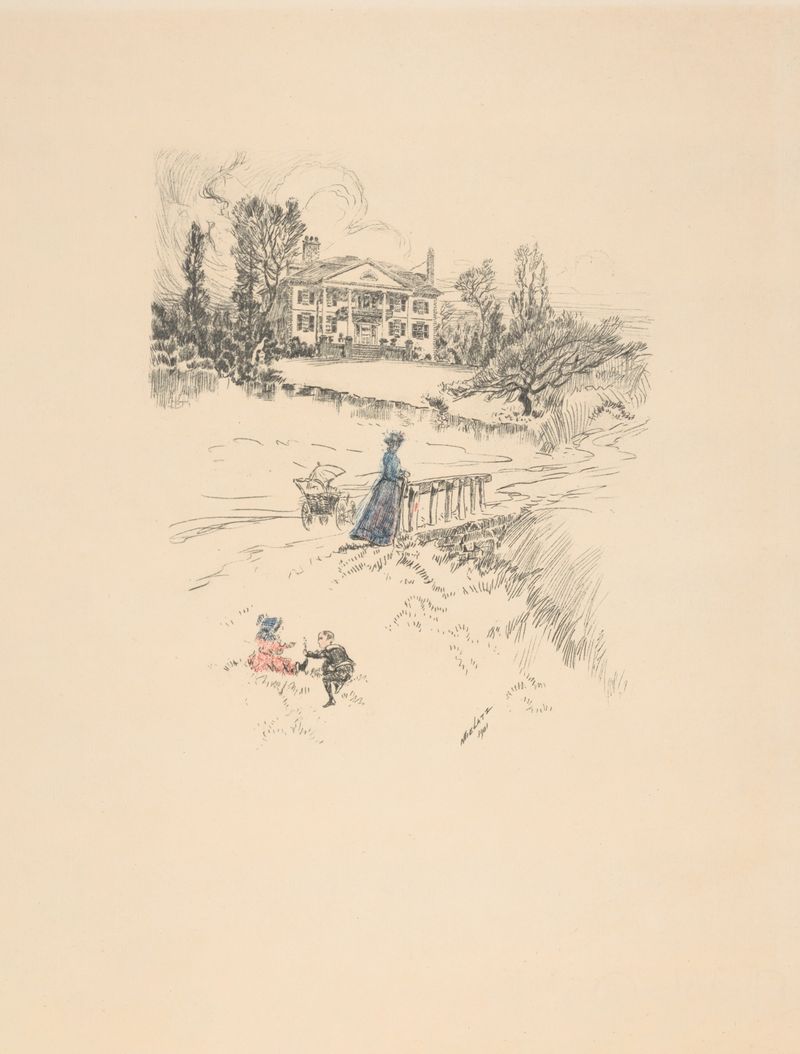
Jumel mansion
Charles Frederick William Mielatz
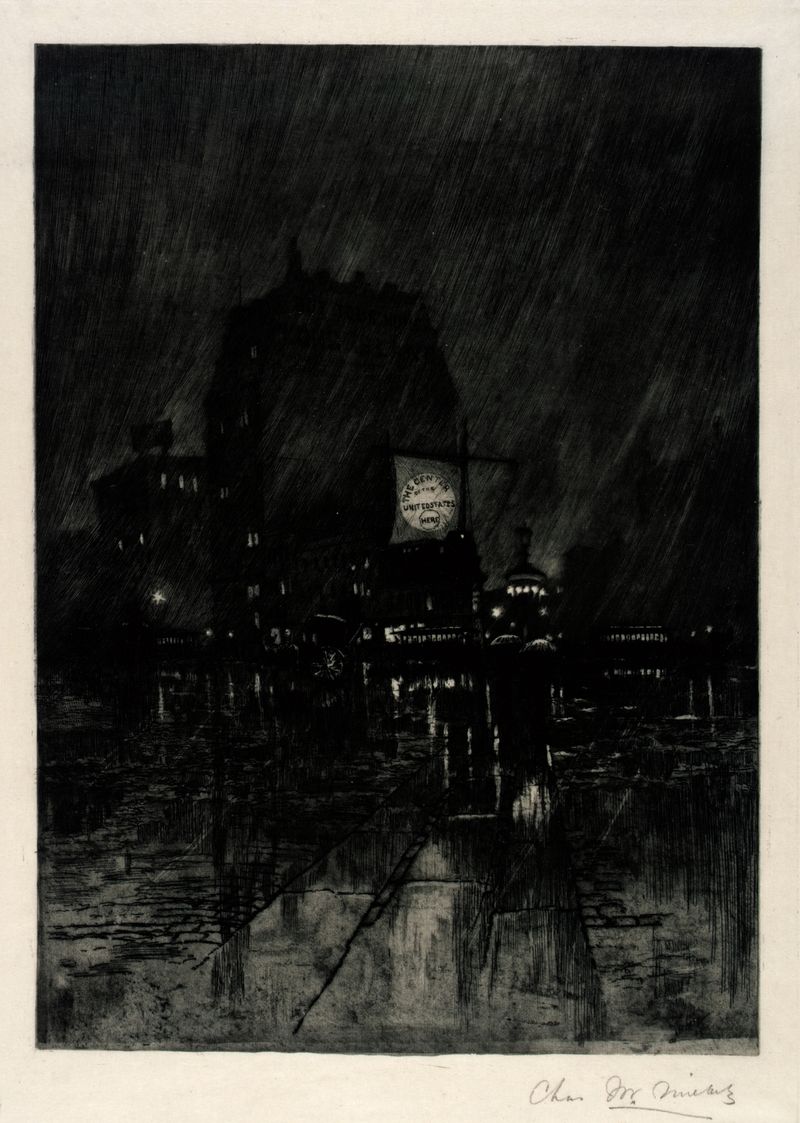
Rainy Night, Madison Square
Charles Frederick William Mielatz
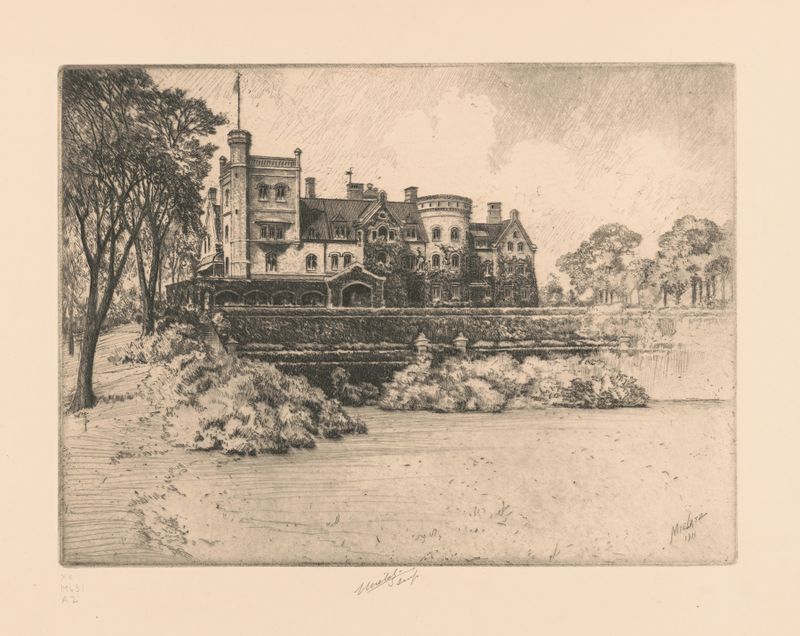
View of Rockwood, Tarrytown on the Hudson, residence of William Rockefeller, no. 3
Charles Frederick William Mielatz

View of Rockwood, Tarrytown on the Hudson, residence of William Rockefeller, no. 5
Charles Frederick William Mielatz





