
Rustica Gallica / Country woman of France — History & Facts
Could beauty survive in a century of chaos? In Rustica Gallica, Wenceslaus Hollar captures a moment that seems suspended in time, emphasizing the resilience of the human spirit even amid tumult. Look to the center of the composition, where the woman stands, poised and dignified against a backdrop of nature. Her traditional attire, adorned with intricate textures that echo the rural landscape, draws the viewer's gaze. Notice how the soft, muted colors blend harmoniously, invoking a sense of warmth and nostalgia.
The delicate interplay of light and shadow enhances her features, illustrating not just her physicality but also the enduring strength of her character. Yet, within this seemingly tranquil scene lies a tension between the simplicity of rural life and the broader turbulence of the 17th century. The woman’s steady gaze, juxtaposed with the subtle weariness in her posture, hints at the weight of her destiny. Each fold of her garment tells a story of labor, tradition, and perhaps unfulfilled dreams.
Hollar’s inclusion of natural elements—like the surrounding foliage—serves as a reminder of the cycles of life, echoing both fragility and resilience that resonate deeply with the viewer. In 1643, Hollar was living in England following his flight from the political unrest in his native Bohemia. The years leading up to this painting were marked by the Thirty Years' War, a period of extensive upheaval in Europe. This artwork reflects not only his personal experiences but also the broader zeitgeist of a world grappling with loss and transformation, revealing how art can encapsulate the spirit of an era.
More Artworks by Wenceslaus Hollar
Browse all →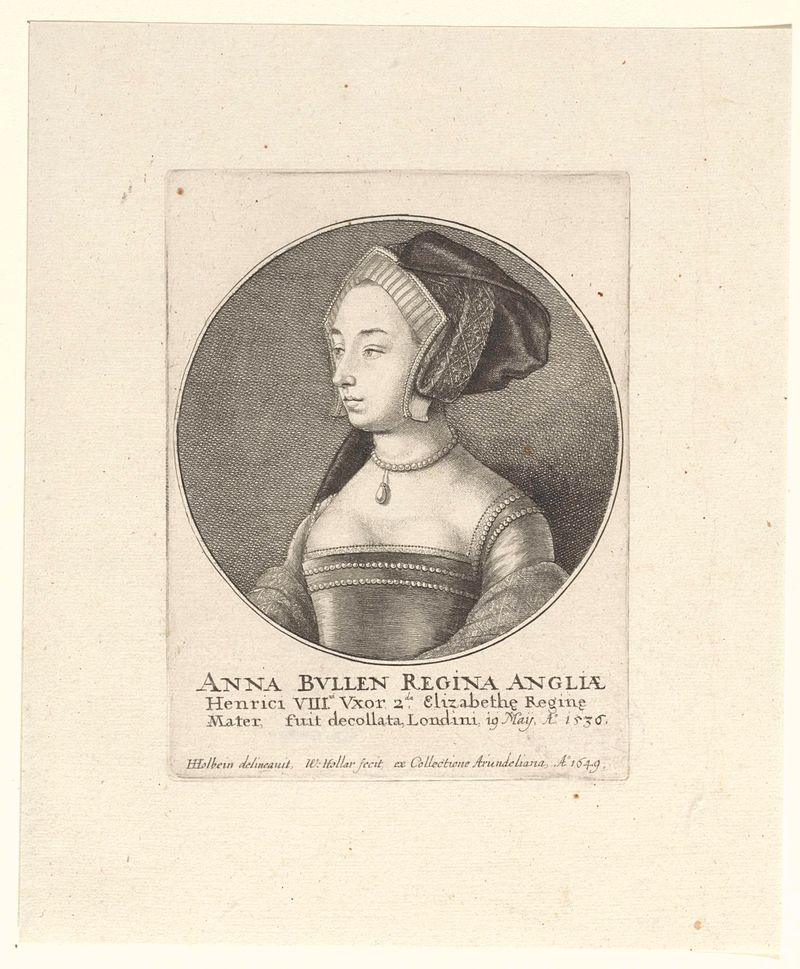
Portret van Anna Boleyn, koningin van Engeland
Wenceslaus Hollar
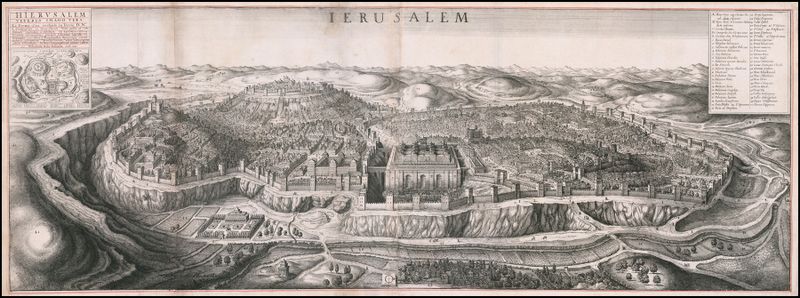
Bird’s eye view of Jerusalem
Wenceslaus Hollar
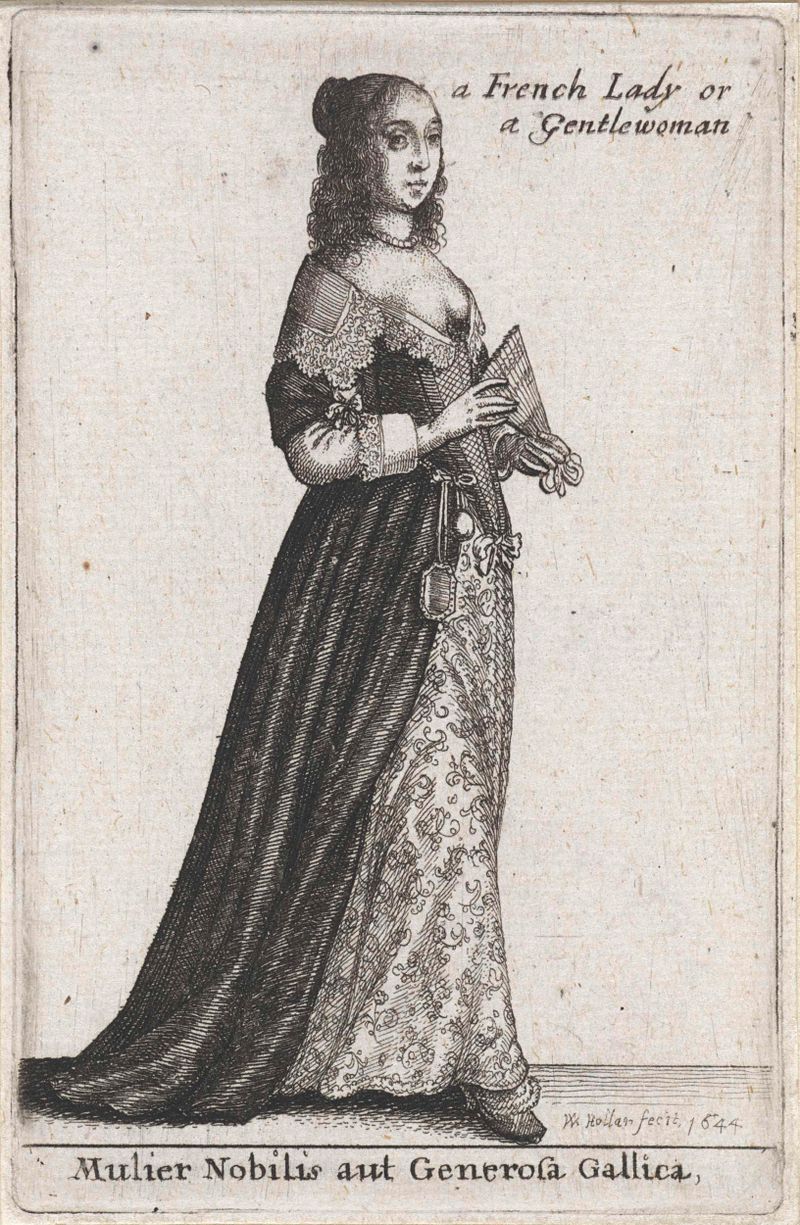
Mulier Nobilis aut Generosa Gallica / a French Lady or Gentlewoman
Wenceslaus Hollar
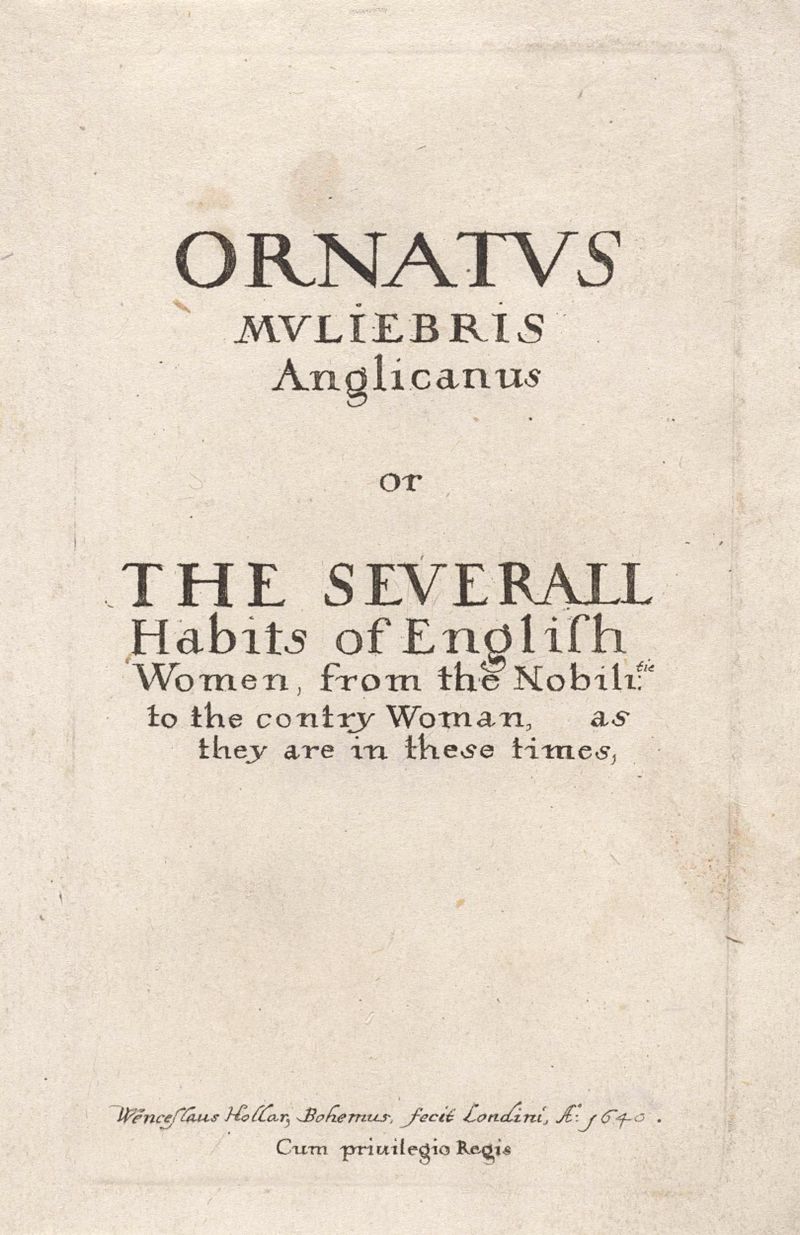
Titelprent voor: Ornatus Muliebris Anglicanus
Wenceslaus Hollar
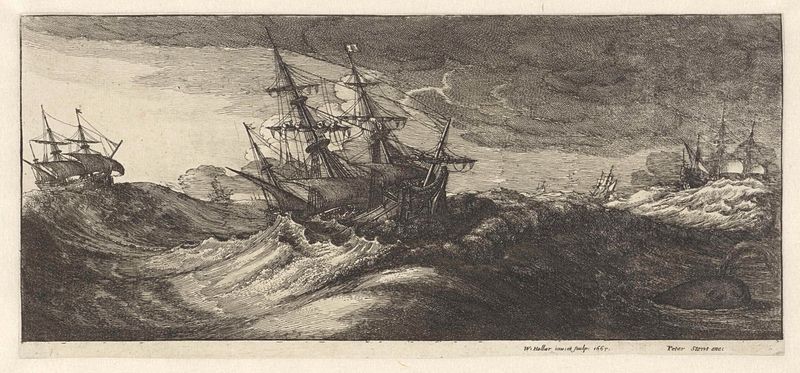
Oorlogsschepen en een walvis in een zeestorm
Wenceslaus Hollar
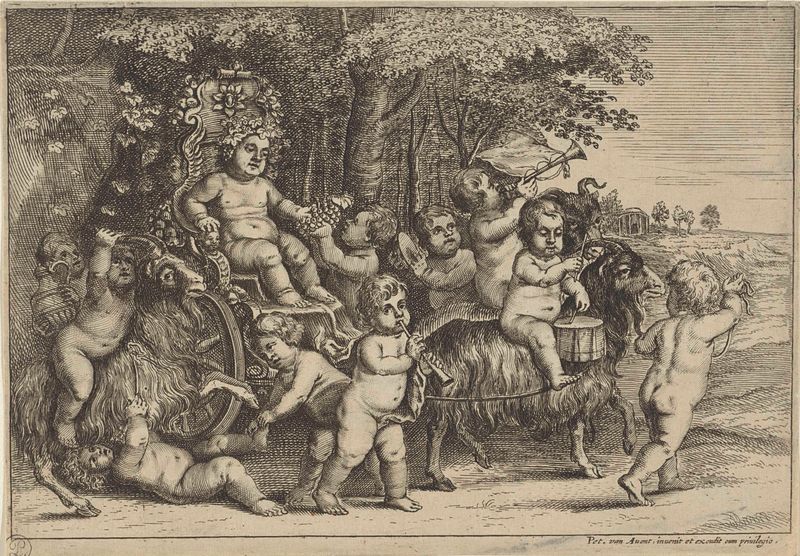
Optocht van bacchant en jongetjes op geiten
Wenceslaus Hollar
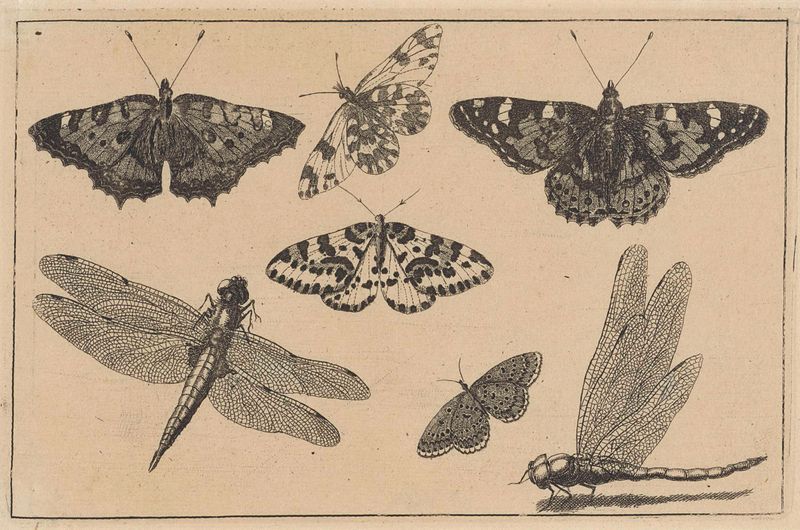
Twee libellen en vijf vlinders
Wenceslaus Hollar
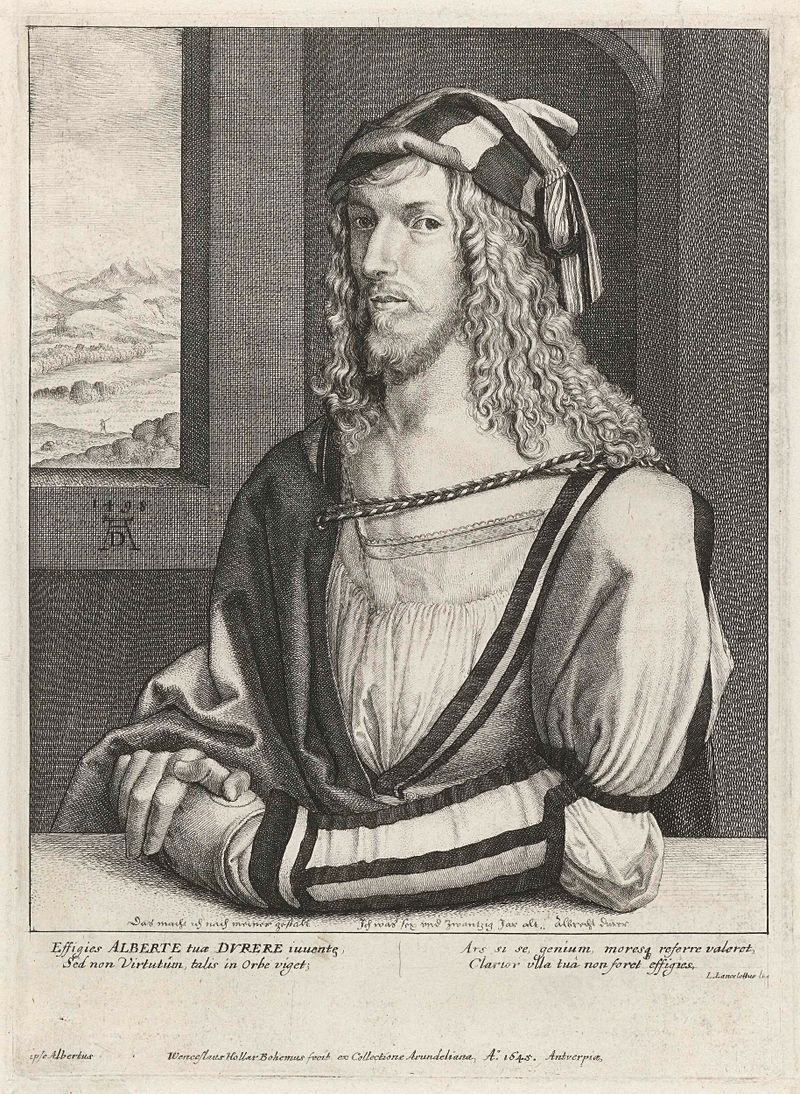
Portret van Albrecht Dürer
Wenceslaus Hollar
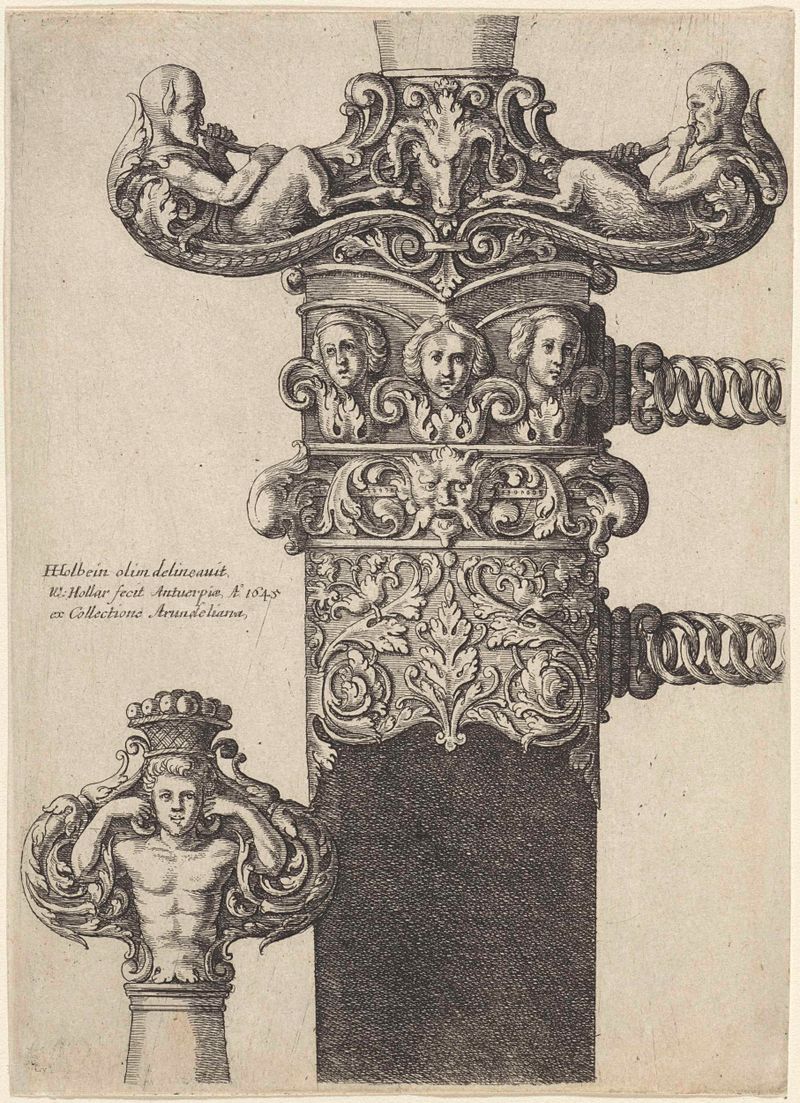
Ornamenteel ontwerp voor een dolk
Wenceslaus Hollar
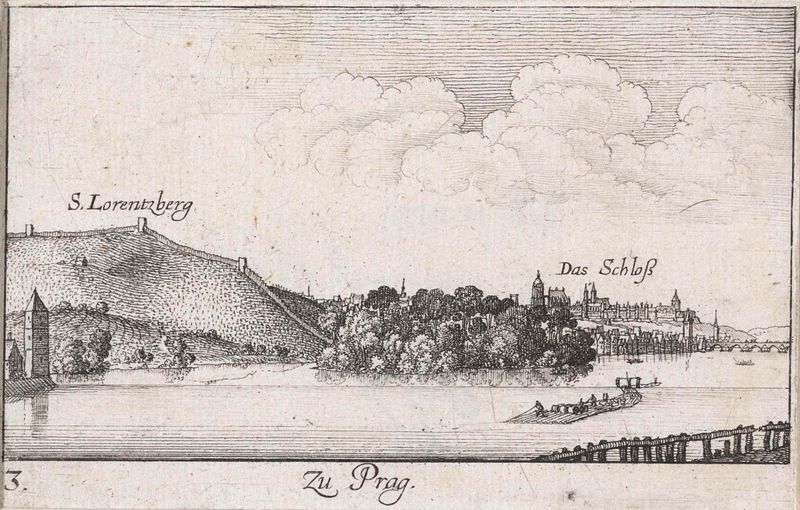
Gezicht op Praag vanaf de Moldau
Wenceslaus Hollar
More Portrait Art
Browse all →
Las meninas
Diego Velázquez

Self-portrait with a Bandaged Ear and Pipe
Unidentified artist

Girl with a Pearl Earring
Johannes Vermeer

The Sampling Officials of the Amsterdam Drapers’ Guild, Known as ‘The Syndics’
Rembrandt van Rijn

The Hundred Guilder Print: the man seen on the back in the lower left corner
Rembrandt van Rijn

Portrait of Dr Gachet
Vincent van Gogh