
Saint-Briac — History & Facts
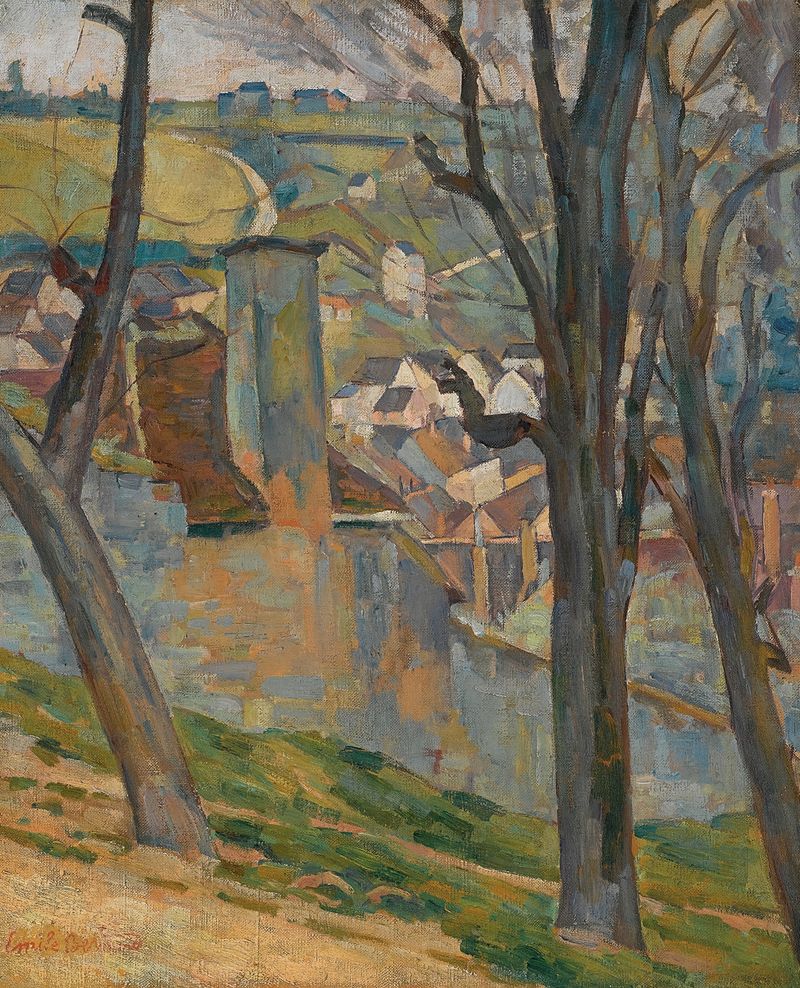
In the stillness between moments, time breathes life into the strokes of paint, whispering the secrets of existence. What stories lie hidden beneath the layers, waiting to be revealed? Look to the lower left, where rich hues of deep blue and green blend seamlessly into the soft earth tones of the landscape. The brushwork is deliberate, with each stroke contributing to a sense of movement, yet the composition remains grounded in stillness.
Notice how the light dances across the surface, creating a gentle contrast that draws the eye toward the shimmering water, while the vibrant sky above hints at both calm and tempest. Delve deeper and you’ll find subtle contrasts within the piece. The serenity of the tranquil sea is juxtaposed with the rugged cliffs, suggesting the duality of nature’s beauty and its ferocity. This tension between harmony and chaos translates to a broader examination of time's relentless passage — the cycles of nature and human existence.
Each setting sun, captured in the canvas, reflects both an ending and a promise of renewal. During the time Saint-Briac was painted, Emile Bernard was deeply immersed in the transition between Impressionism and Post-Impressionism, exploring color and form in new ways. This work emanates from a period of personal and artistic exploration, with the world around him rapidly changing. The late 19th century bore witness to a shift in artistic movements, making Bernard’s choice to capture the essence of a fleeting moment all the more profound in this evolving landscape.
More Artworks by Emile Bernard
Browse all →
House among trees; Pont-Aven
Emile Bernard
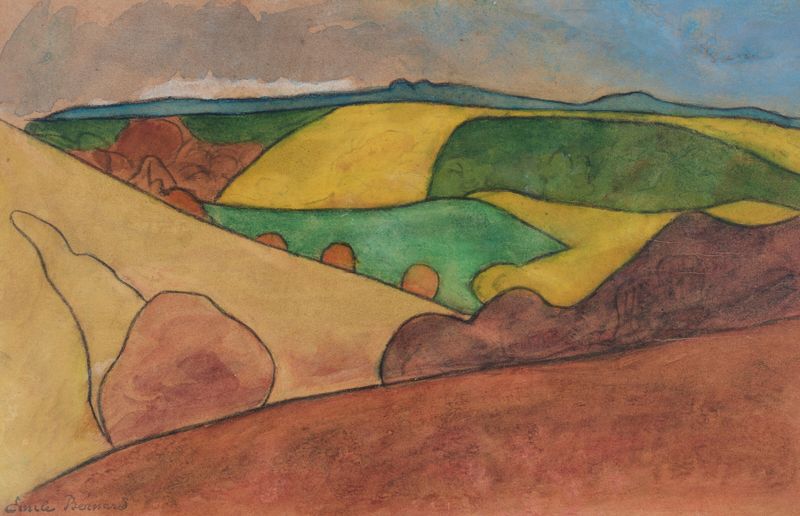
Paysage de Bretagne
Emile Bernard

Harvest by the Sea
Emile Bernard
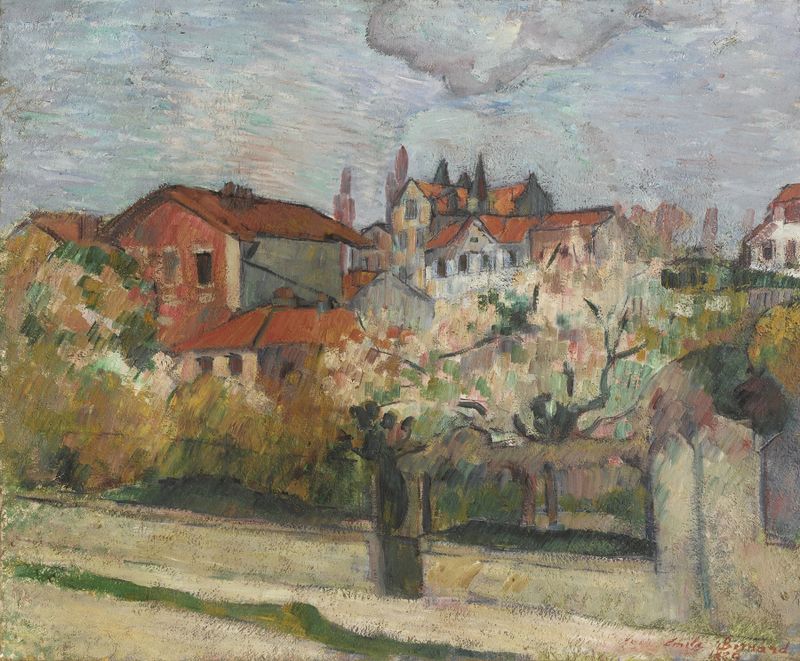
Jardin en fleur à Asinères
Emile Bernard
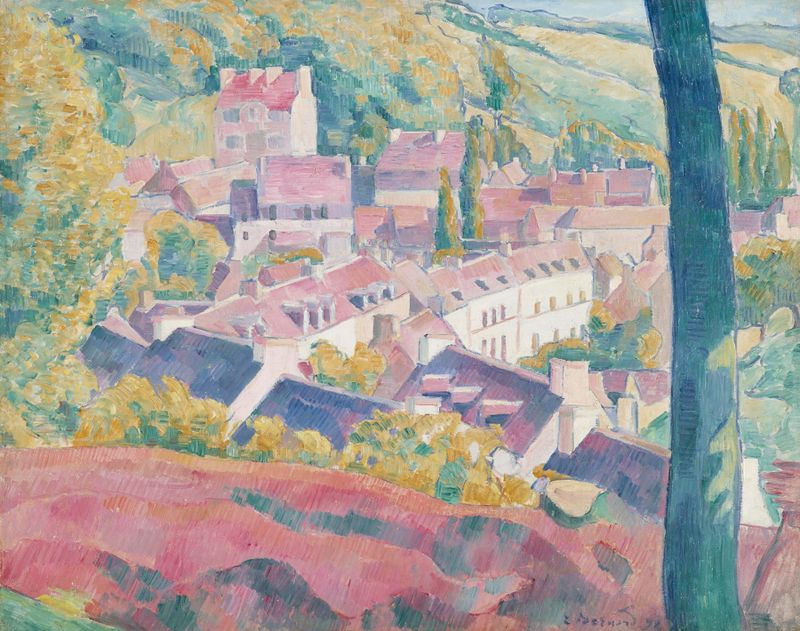
Pont-Aven Seen from the Bois d’Amour
Emile Bernard
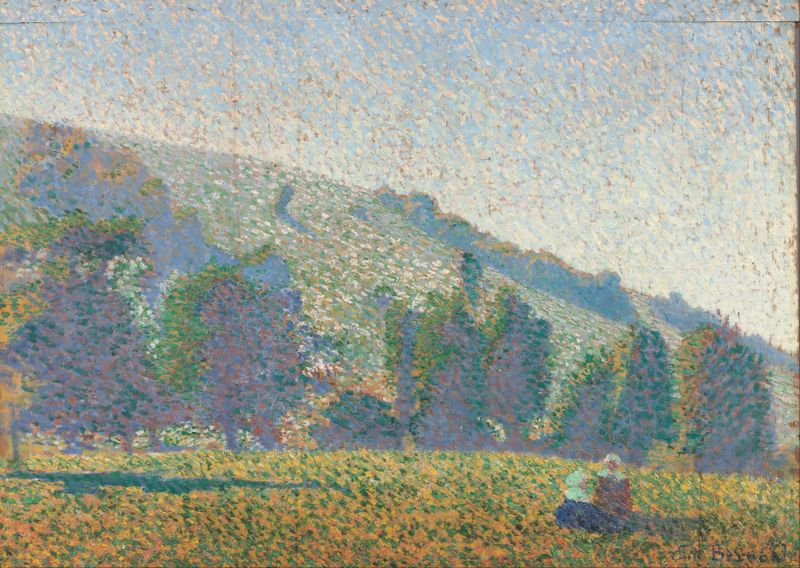
Two Breton women in a meadow
Emile Bernard

Un Coin Du Bois D’amour A Pont Aven
Emile Bernard

Vue des toits
Emile Bernard

Landscape at Pont-Aven
Emile Bernard
Paysage Près De Tonnerre
Emile Bernard





