Jardin en fleur à Asinères — History & Facts
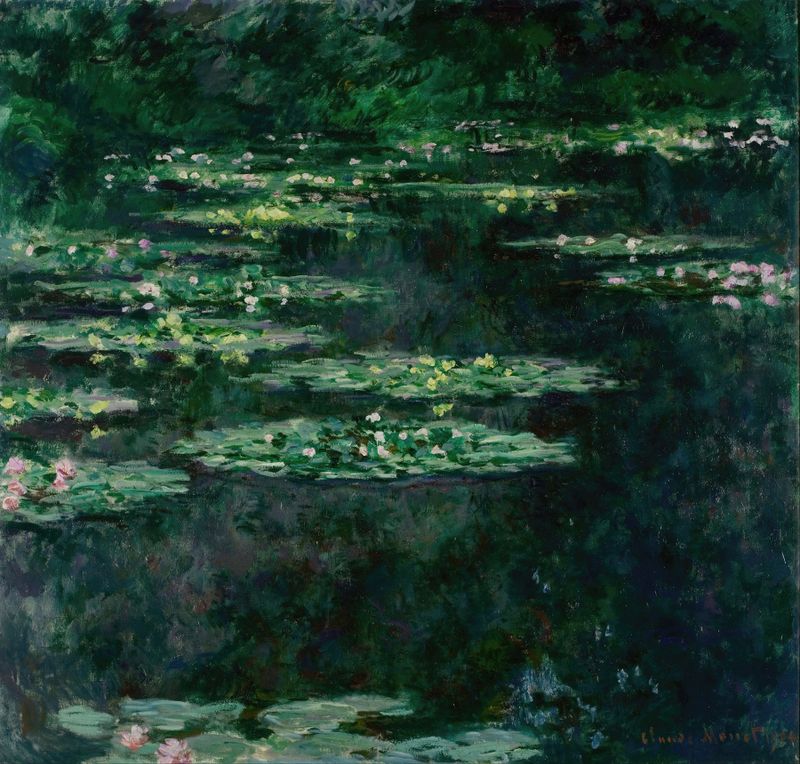
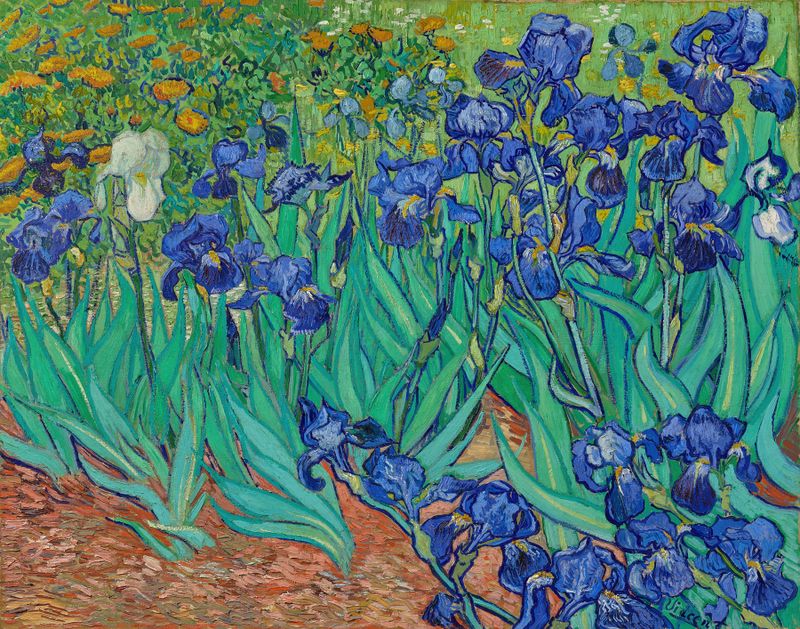
In Jardin en fleur à Asinères, the delicate blossoms seem to vibrate with life, yet they whisper of an emptiness that lingers just beneath the surface. Look to the left where the vibrant flowers burst forth in a riot of reds, pinks, and yellows, their petals almost glowing in the soft light. The background, however, is shaded in cooler tones, casting a shadow over the vibrancy. Notice the brushstrokes that dance across the canvas; they suggest movement, yet the composition is carefully contained, drawing the eye inward rather than allowing it to escape into the lush greenery.
The contrast between the lively flora and the muted landscape creates a poignant tension that invites contemplation. Within this work, one can sense the quiet isolation that beauty can embody. The abundance of blooms is juxtaposed with the looming emptiness of the surrounding space, as if the flowers are trapped in a moment of exquisite fragility. This sense of duality speaks to the transient nature of joy, often accompanied by a poignant awareness of absence.
Each flower, though bright, is a reminder of the void that beauty cannot fill. In 1889, Bernard painted this piece while immersed in the post-Impressionist movement in France, a time when artists were beginning to explore the emotional resonance of color and form. His work reflects a transitional phase in his life, as he sought to find his own voice amidst the changing tides of art. This piece captures a moment of personal and artistic exploration, revealing the underlying complexities of existence and perception.
More Artworks by Emile Bernard
Browse all →
House among trees; Pont-Aven
Emile Bernard
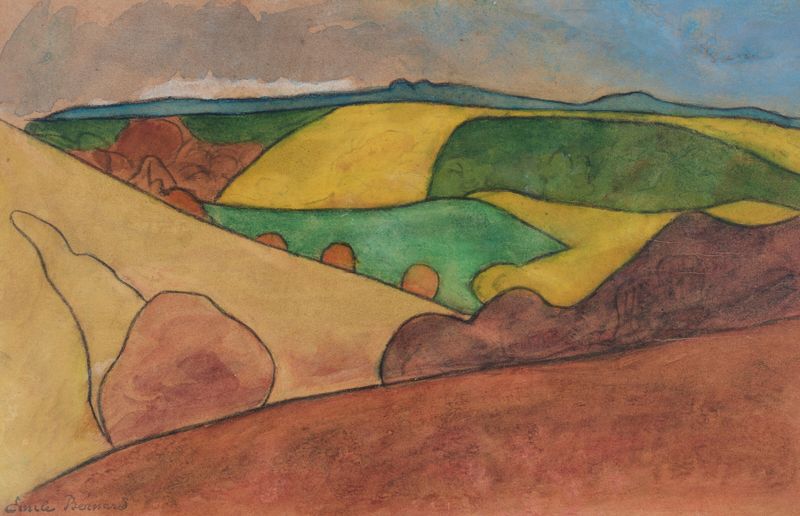
Paysage de Bretagne
Emile Bernard

Harvest by the Sea
Emile Bernard
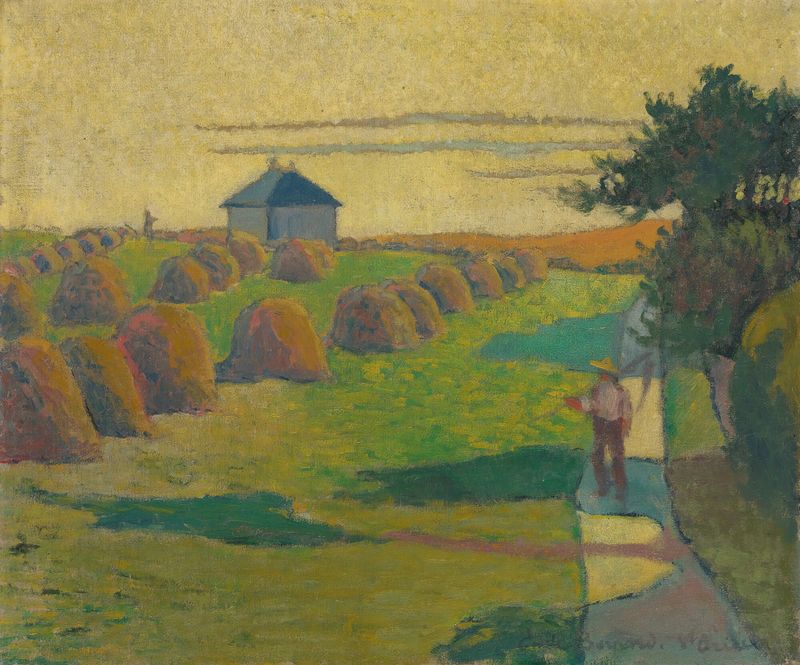
Saint-Briac
Emile Bernard
Pont-Aven Seen from the Bois d’Amour
Emile Bernard
Two Breton women in a meadow
Emile Bernard

Un Coin Du Bois D’amour A Pont Aven
Emile Bernard

Vue des toits
Emile Bernard

Landscape at Pont-Aven
Emile Bernard
Paysage Près De Tonnerre
Emile Bernard