
Harvest by the Sea — History & Facts
In Harvest by the Sea, a delicate interplay of color and form invites us to witness a moment where nature and labor converge, imbuing the mundane with a sense of divinity. Focus first on the luminous sky, painted in soft pastels of pink and orange, which envelops the scene like a warm embrace. Look closely at the figures gathering their harvest; their bodies twist and bend in harmonious rhythm, accentuated by the gentle swell of the waves behind them. The artist’s brushwork captures the texture of the earth and the fluidity of the sea, each stroke resonating with the pulse of life.
The composition draws the eye from the foreboding cliffside to the calm horizon, orchestrating a visual dialogue between land and ocean. Hidden within the canvas lies a deeper narrative of connection and toil. The juxtaposition of the vibrant, lively colors against the quiet sea suggests an eternal balance between labor and leisure. Notice the soft light that gently caresses the workers, almost as if bestowing a sense of divinity upon their efforts, elevating the mundane act of harvesting to something sacred.
The rhythmic patterns of their movements echo the cycles of nature, a reminder of humanity’s interwoven destiny with the earth. In 1891, Emile Bernard painted Harvest by the Sea during a period of artistic exploration in Brittany, where he immersed himself in the vibrant local culture. This was a time when Post-Impressionism was blossoming, as artists sought to convey deeper emotional truths through color and form. Bernard, influenced by both Impressionism and the emerging Symbolist movement, sought to celebrate the dignity of labor while capturing the spiritual essence of existence in his surroundings.
More Artworks by Emile Bernard
Browse all →
House among trees; Pont-Aven
Emile Bernard
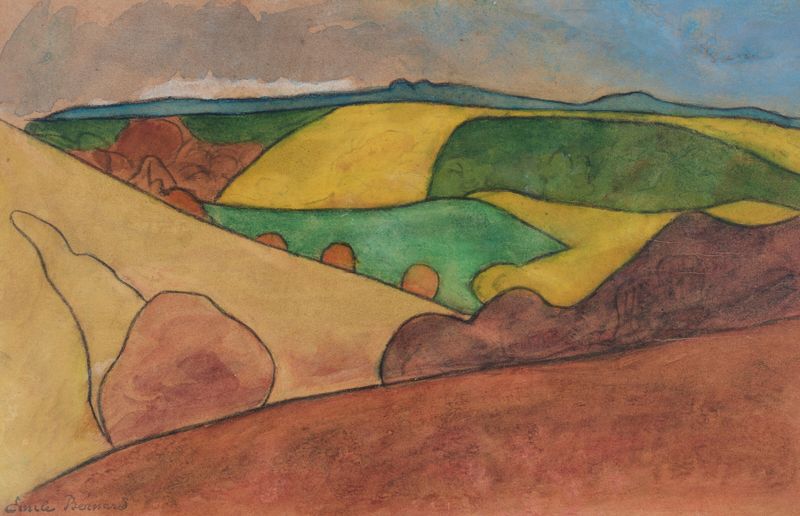
Paysage de Bretagne
Emile Bernard
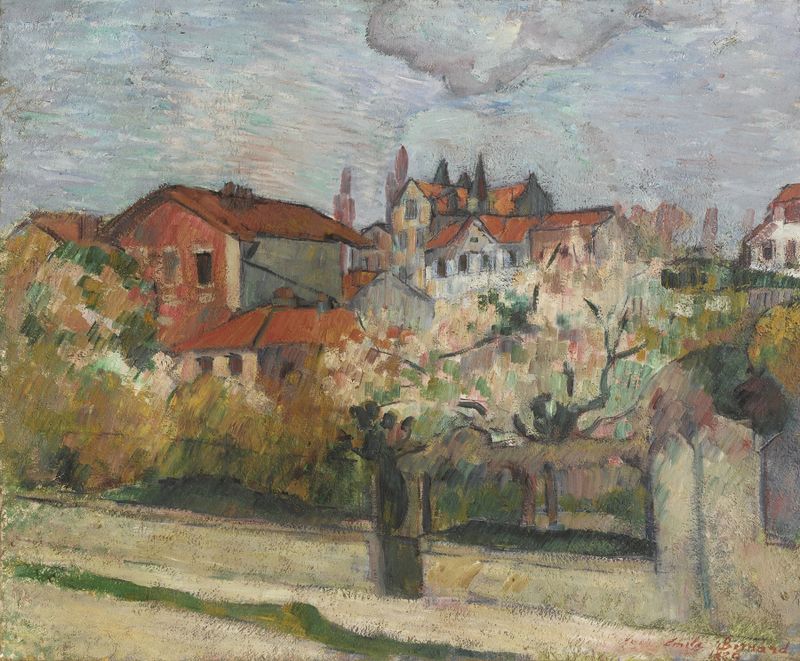
Jardin en fleur à Asinères
Emile Bernard
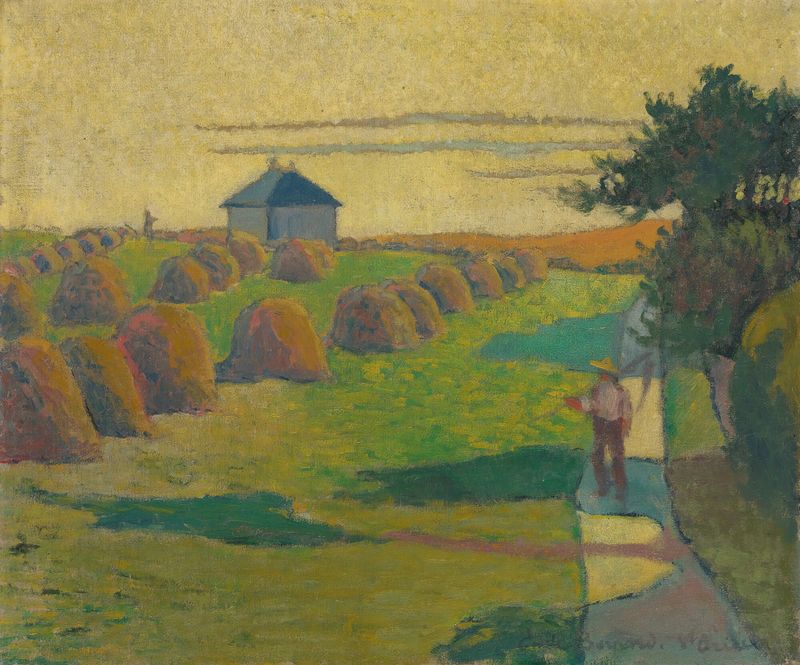
Saint-Briac
Emile Bernard
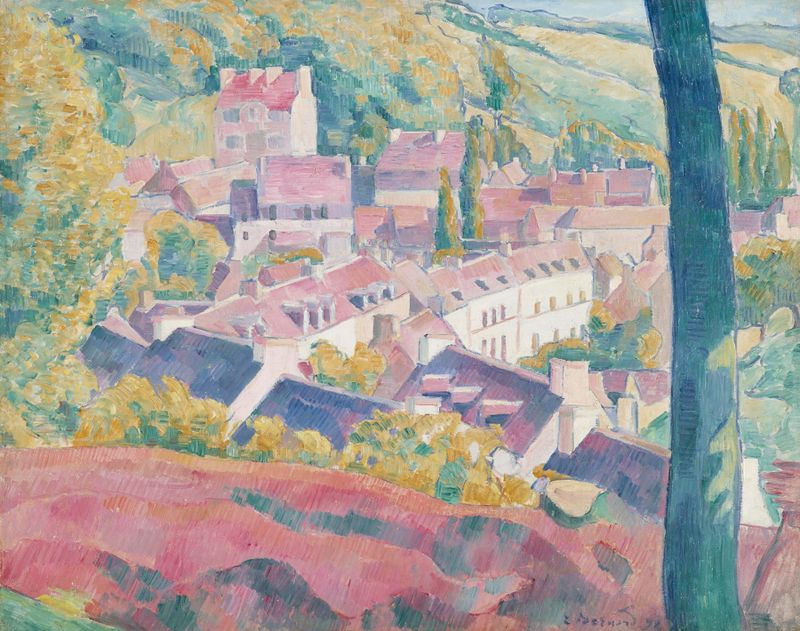
Pont-Aven Seen from the Bois d’Amour
Emile Bernard
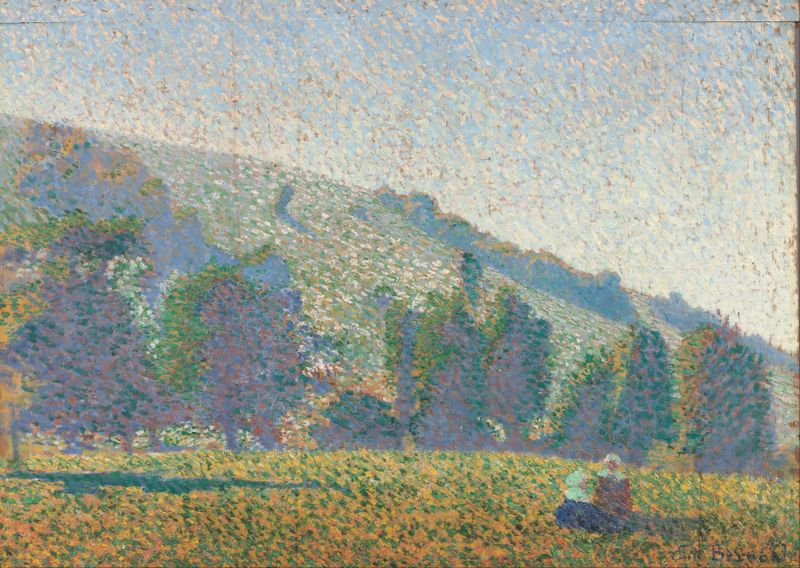
Two Breton women in a meadow
Emile Bernard

Un Coin Du Bois D’amour A Pont Aven
Emile Bernard

Vue des toits
Emile Bernard

Landscape at Pont-Aven
Emile Bernard
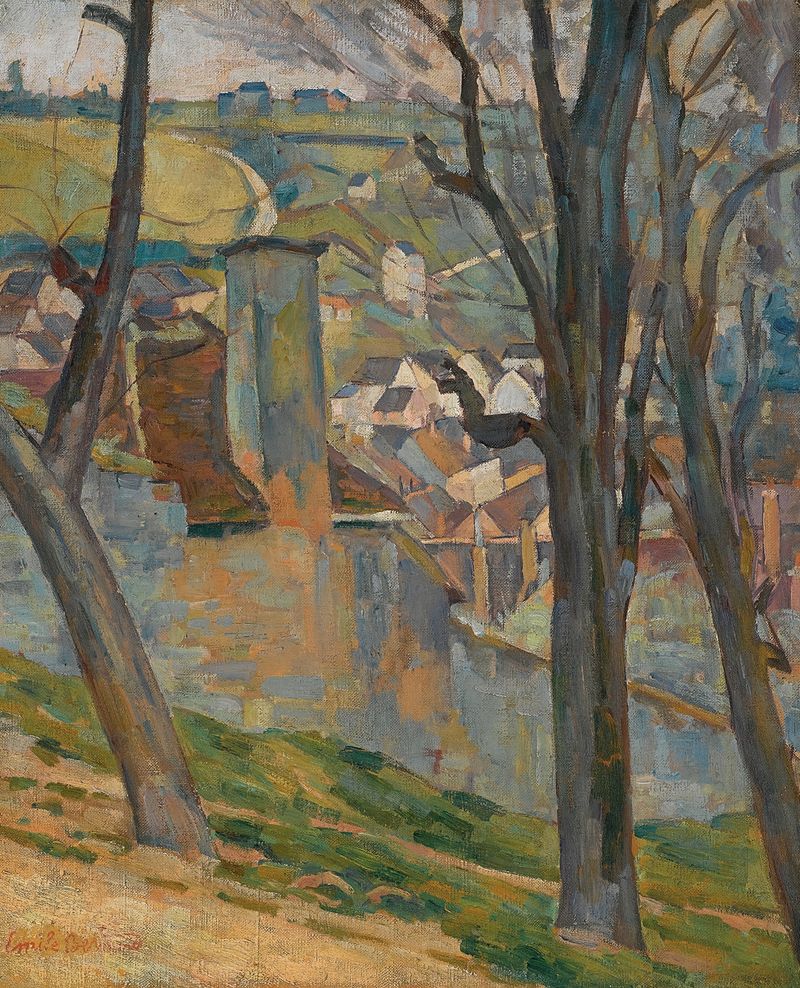
Paysage Près De Tonnerre
Emile Bernard





