
Saint-Germain-des-Prés, Paris — History & Facts
When did color learn to lie? In the hands of an artist, it can evoke the warmth of nostalgia or the chill of an impending storm, each hue whispering secrets of time and space. Focus on the shadows cast by the iconic architecture, where the interplay of light and dark shapes the essence of this Parisian scene. Notice how the cool blues and muted ochres of the buildings contrast with the vibrant greens of the trees. Each stroke reveals the robust texture of the cobblestones below, leading the eye through the layered streets that pulse with life.
The gentle brushwork captures not just the physical form but the very atmosphere of a place steeped in history. Yet, beneath the picturesque surface lies a deeper tension. The shadows stretch and twist, suggesting an unseen presence that lurks just beyond the frame—an echo of the bustling life that once filled these streets but now seems to whisper through the quietude. The harmonious palette reflects a moment frozen in time, inviting contemplation of transient beauty and inevitable change.
The absence of people enhances this feeling, leaving a dialogue between the viewer and the captured moment, a silent conversation with the past. Eugène Galien-Laloue painted this work in the late 19th or early 20th century, during a period of significant transformation in Paris. As the city embraced modernity, the artist found inspiration in its historic streets, using his brush to immortalize their charm before they succumbed to urban growth. This work stands as a remembrance of a fleeting era, merging the romanticism of the past with the changes that shaped the future.
More Artworks by Eugène Galien-Laloue
Browse all →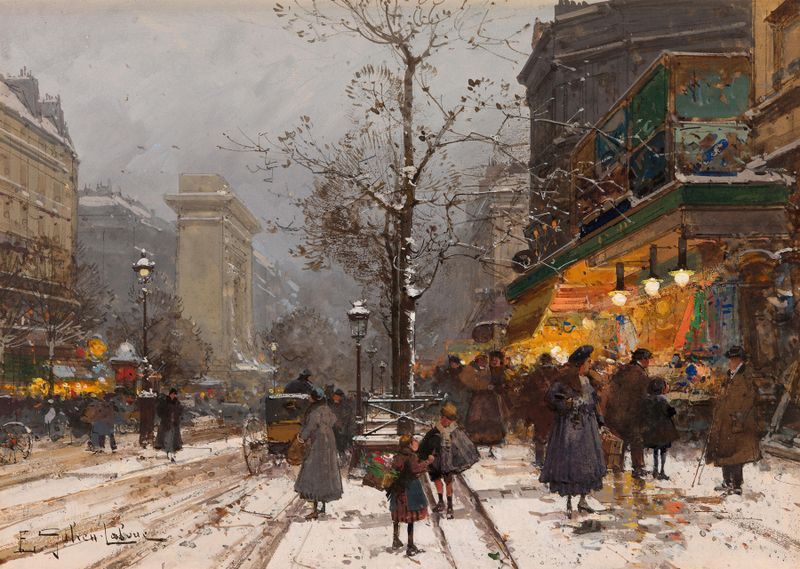
Boulevard Bonne – Nouvelle sous la neige
Eugène Galien-Laloue
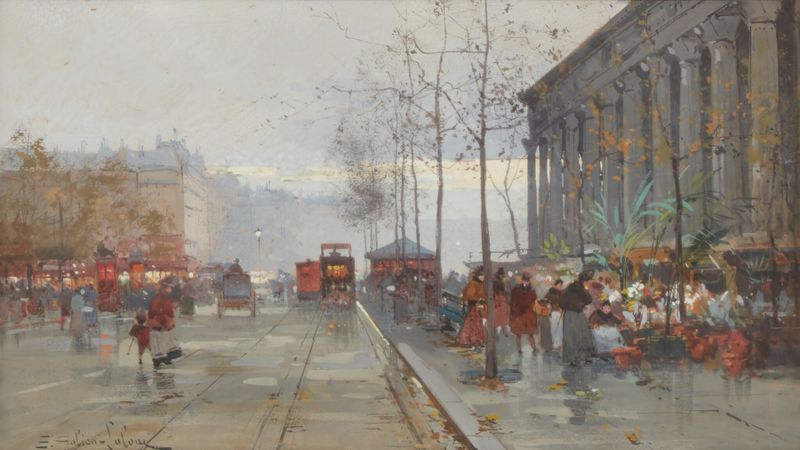
Le Marché aux fleurs de la Madeleine
Eugène Galien-Laloue
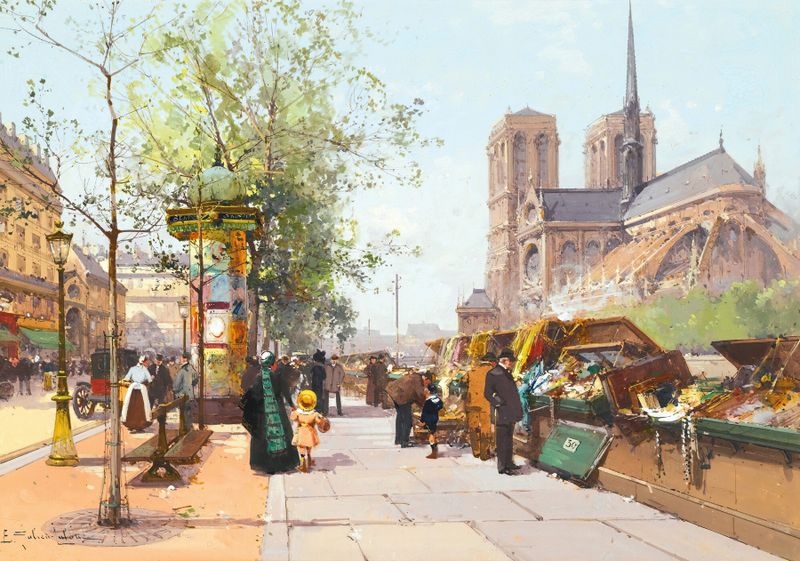
Notre Dame De Paris
Eugène Galien-Laloue
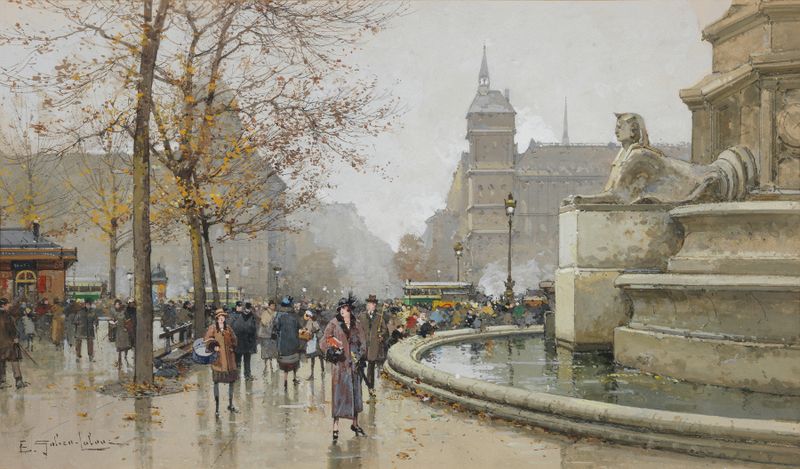
La fontaine du Palmier, place du Châtelet
Eugène Galien-Laloue
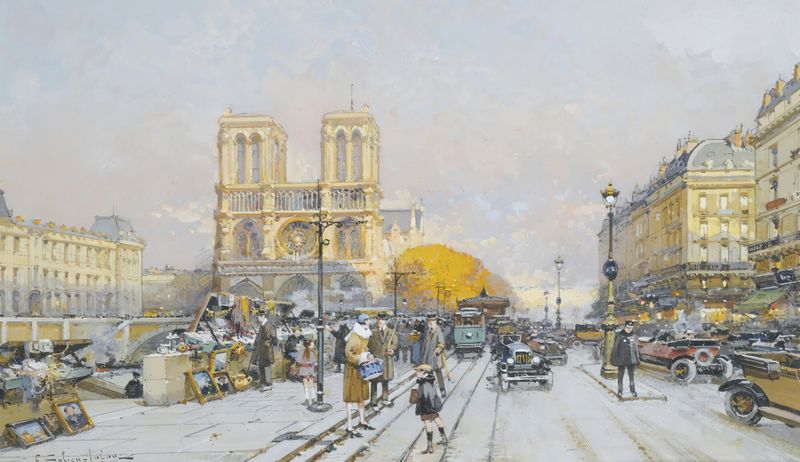
Notre Dame
Eugène Galien-Laloue
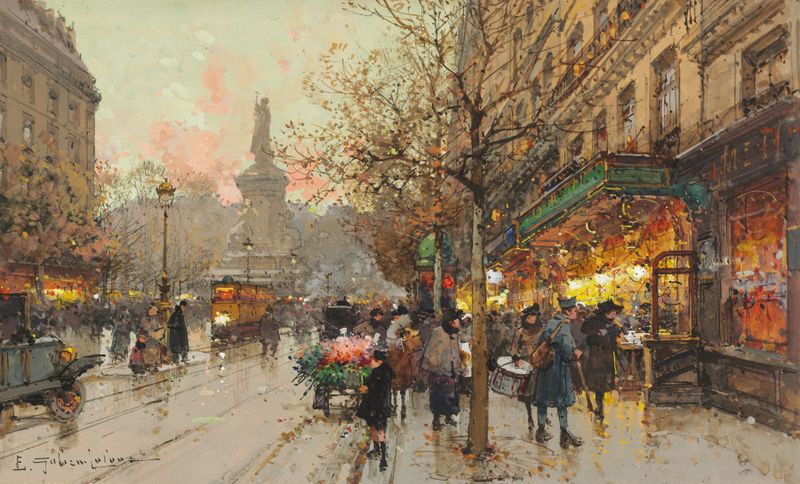
Place De La République
Eugène Galien-Laloue
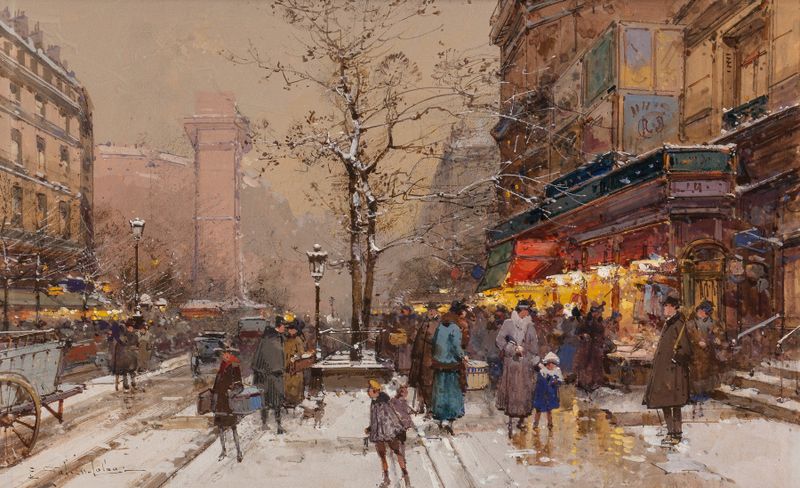
Porte Saint-Denis
Eugène Galien-Laloue
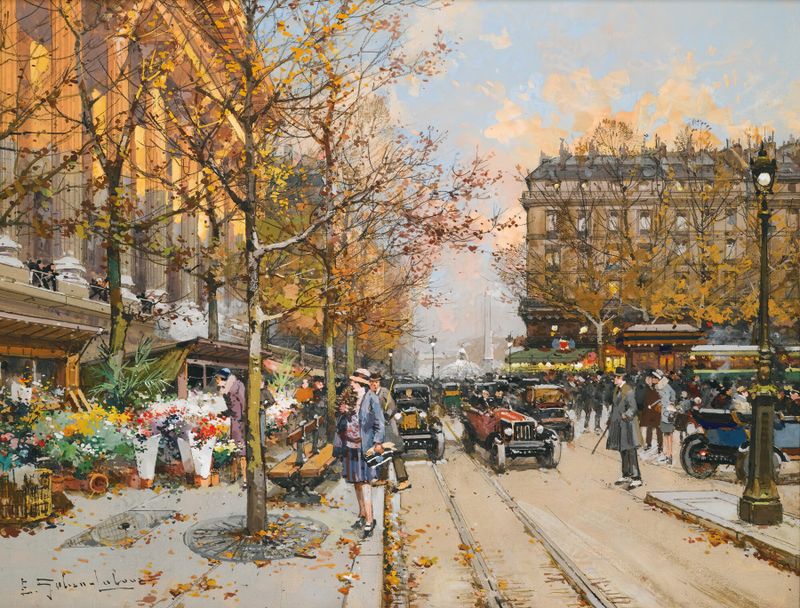
Place De La Madeleine
Eugène Galien-Laloue
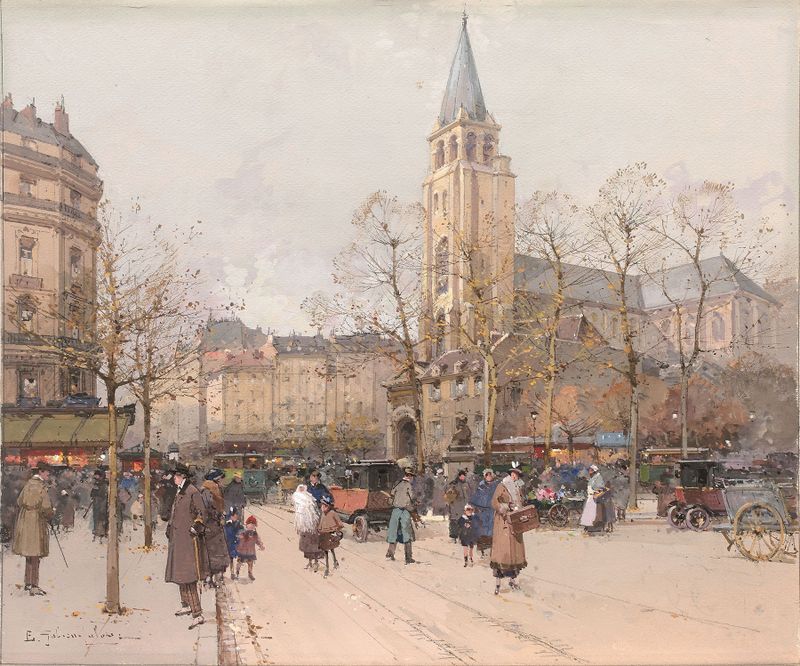
Vue des boulevards à Saint-Germain-des-Prés
Eugène Galien-Laloue
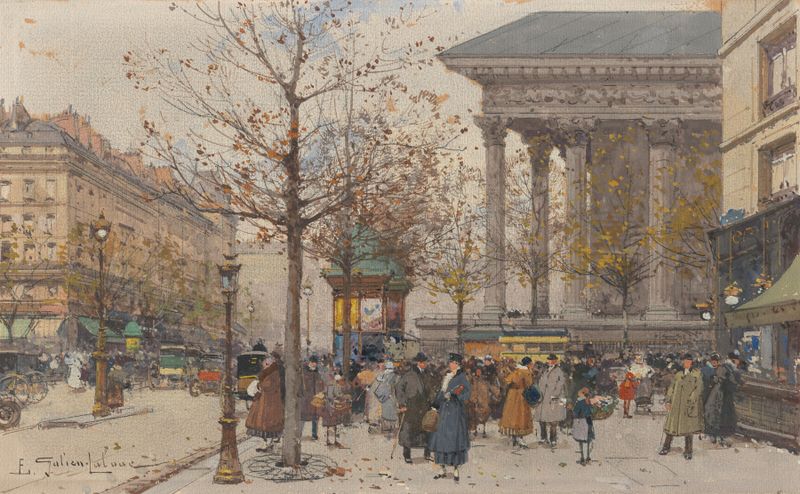
Vue animée de la Madeleine
Eugène Galien-Laloue
More Architecture Art
Browse all →
The statue of Liberty
Frédéric Auguste Bartholdi

View of Houses in Delft, Known as ‘The Little Street’
Johannes Vermeer

View of Houses in Delft, Known as ‘The Little Street’
Johannes Vermeer

The Cathedral in Rouen. The portal, Grey Weather
Claude Monet

The yellow house
Vincent van Gogh

The Church in Auvers-sur-Oise, View from the Chevet
Vincent van Gogh